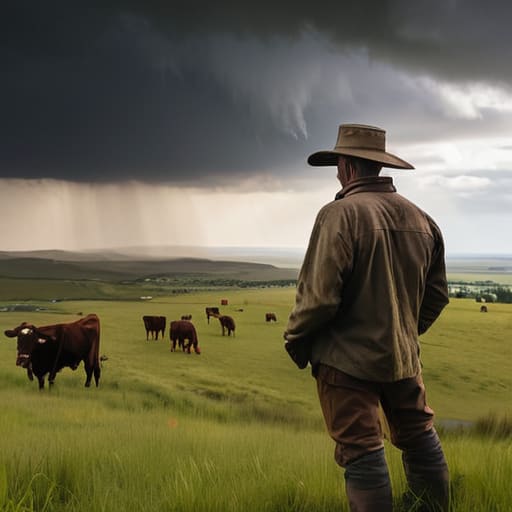
How to buy stock without buying disease.

Questions to Ask Before You Load Anything

If you listen to the lads in the shiny suits at the livestock auctions or the glossy brochures from the big ag-tech firms, they’ll tell you that preventing infection is all about high-tech testing kits and expensive, preventative chemical regimes. They make it sound like a science experiment you can solve with a credit card. But let me tell you, after forty years of watching what actually happens when a bad animal hits a clean field, I can tell you that’s nonsense. Real biosecurity isn’t found in a lab report; it’s found in your eyes and your gut. If you want to learn how to buy stock without buying disease, you need to stop looking at the pedigree papers and start looking at the way a beast carries itself and the history of the ground it stood on.

I’m not here to sell you a new brand of disinfectant or a subscription to some fancy diagnostic service. I’m going to tell you what I’ve learned from the mistakes that cost me a year’s profit and the close calls that kept me awake at night. We’re going to talk about the red flags that no test can catch, the questions you need to ask a seller before you even step out of the truck, and why the cheapest animal in the ring is often the most expensive one you’ll ever own.

Table of Contents

Understanding How to Buy Stock Without Buying Disease

Understanding How to Buy Stock Without Buying Disease

You can’t just walk into a sale and trust a sticker on a nose tag. I’ve spent forty years watching men get blinded by a shiny pedigree, only to realize they’ve bought a walking vet bill and a mountain of debt. If you want to avoid bringing a wreck into your system, you have to look past the animal and look at the history of the place it came from. If a seller is being tight-lipped about their recent testing or the movement of their stock, they aren’t being private; they’re being careful.

It’s a bit like those city types talking about socially responsible investing or screening stocks for ethical concerns; they’re looking for the rot underneath the surface before they commit their capital. In my world, that “rot” is a subclinical case of BVD or a trace of Johne’s that hasn’t quite shown its face yet. You aren’t just buying a beast; you are buying the biological risks that come with it. If you aren’t checking the ground they stood on and the paperwork they carry, you aren’t buying stock—you’re gambling with your margins.

Key Things to Know

Key Things to Know: livestock supplier inspection.

First, you have to stop looking at the animal in isolation and start looking at the system it came from. If a seller is pushing a deal that seems too good to be true, they aren’t just selling you a beast; they’re selling you their problems. I’ve seen plenty of lads try to apply something akin to screening stocks for ethical concerns when they’re looking at a supplier’s history, but in this business, you don’t look at a spreadsheet—you look at the muck and the movement. If the farm looks like a graveyard of broken fences and neglected drainage, you can bet your last pound that the health records are just as neglected.

Secondly, don’t get distracted by the pedigree papers or the fancy sales catalogue. A certificate won’t stop a respiratory outbreak or a parasite load that’ll gut your margins by mid-summer. You need to be as disciplined as someone practicing socially responsible investing, but instead of looking at carbon footprints, you’re looking at the biosecurity protocols and the history of the bloodline. If they can’t tell you exactly where that animal has been for the last six months, walk away. A cheap animal with a hidden history is the most expensive mistake you’ll ever make.

Practical Tips and Steps

Practical Tips and Steps for cattle selection.

First, stop relying on a seller’s word and start looking at the animal’s history where it actually lives. If you’re buying a replacement heifer, don’t just look at her frame; look at the ground she’s been standing on. I’ve learned the hard way that a beast can look like a prize winner in a clean yard, but if she’s come from a system that ignores basic biosecurity, you’ve just invited a Trojan horse into your sheds. You need to treat your selection process like screening stocks for ethical concerns in a financial portfolio—you aren’t just looking at the immediate payout, you’re looking at the hidden liabilities that will bleed you dry in six months.

Secondly, never skip the physical inspection of the feet and the coat. A shiny coat can hide a multitude of internal parasites, and a slight limp is often the first sign of something much more expensive. I’ve seen men try to justify a “bargain” price by ignoring a dull eye or a patchy hide, thinking they can fix it with a quick course of meds. That’s a fool’s errand. Real value is found in the animals that don’t require constant intervention. If you can’t see the history of the animal’s health in her condition, walk away.

Common Mistakes to Avoid

The biggest mistake I see is the man who thinks a clean mouth and a bright eye are enough to clear a beast for purchase. He’s looking at the animal, but he isn’t looking at the history. I’ve seen plenty of lads get caught out because they didn’t ask to see the movement records or the recent testing history. They treat a livestock purchase like a quick transaction rather than a long-term commitment. If you aren’t looking at the paperwork behind the animal, you aren’t buying stock; you’re gambling with your livelihood.

Then there’s the temptation to chase the “fancy” looking animal that’s been polished up for the sale ring. It’s a lot like how people talk about ethical investing strategies in the city—they want the shiny, high-performing asset without looking at the underlying rot. In this yard, that rot shows up as a subclinical infection that’ll sit in your herd for three years before you even notice it. Don’t get blinded by a pedigree or a bit of show-ring conditioning; if the seller is dodging questions about the previous farm’s biosecurity, walk away immediately.

Final Thoughts

At the end of the day, you aren’t just buying an animal; you’re buying the history of every field it’s stood in and every hand that’s touched it. I’ve learned the hard way that a clean looking beast can still carry a hidden legacy of trouble. If you try to shortcut the process to save a few quid on the purchase price, you’ll find yourself paying ten times that back in vet bills and lost weaning weights. It’s a bit like those folks talking about screening stocks for ethical concerns in the city; they’re looking for the rot beneath the surface, and in this business, the rot is usually biological.

Don’t let the excitement of a new addition cloud your judgment. Keep your eyes on the ground, your nose in the records, and your hands off your wallet until you’re certain. Success in this trade isn’t about the flashiest sale at the mart; it’s about protecting your margins by being the most cynical man in the yard. If it feels off, it usually is. Trust your gut, check the feet, and remember that cash flow is king, but a sick herd will bleed you dry faster than any drought.

Five ways to keep the rot out of your gates

  • Stop looking at the animal and start looking at the yard. A man can show you a beast that looks like a champion, but if you look at the footing in his shed and see standing water and filth, you’re looking at a walking infection. If the environment is poor, the animal is a carrier, no matter how much he shines in the sunlight.
  • Don’t trust a ‘clean’ blood test just because the seller handed you a piece of paper. I’ve seen enough lads take a clipboard at face value only to find out the testing was done on a different group or, worse, half a year out of date. If you aren’t seeing the results with your own eyes, assume the paperwork is just a way to move the liability from his books to yours.
  • Watch the way they move, not just how they stand. A salesman will have them standing on a slope or a fresh bit of bedding to hide a limp, but you need to see them walk on level ground. If there’s a hitch in the gait or a heaviness in the step, walk away. Lameness is often the first sign of something much more expensive lurking under the skin.
  • Never buy a beast that’s been “treated” right before the sale. I’ve seen it time and again—a farmer knows he’s got a problem, so he pumps the stock full of antibiotics to mask the symptoms just long enough to get them off his land. If the animal looks suspiciously “bright” after a bout of nothing, or if the seller is being overly defensive about recent med use, keep your money in your pocket.
  • Check the neighbors, not just the seller. If you’re buying from a man three miles down the road, ask the folks on either side of him how his stock is doing. People in this business talk, and they’ll tell you if a man’s been struggling with BVD or scab long before the official inspectors ever show up. A bit of local gossip is worth more than any glossy brochure.

The Bottom Line Before You Sign the Check

Don’t let a fancy pedigree or a salesman’s grin blind you; if you can’t see the animal’s history in its feet and its coat, you’re just buying a walking vet bill.
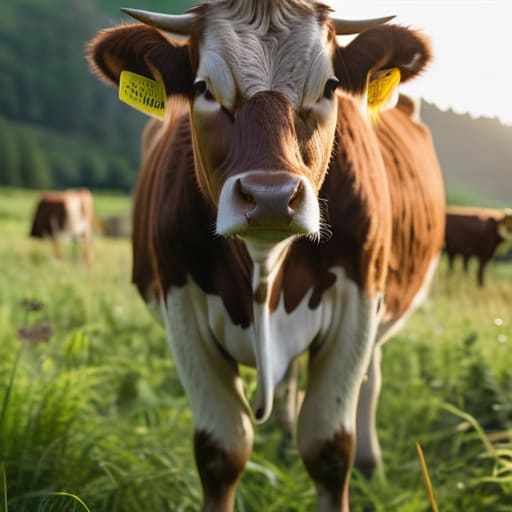
Disease isn’t just about what you see in the yard, it’s about the quiet costs—the missed weaning weights and the wasted grass that eat your margin long after the animal arrives.

If you haven’t checked the ground they came from and the weather they’ve endured, you don’t actually know the stock you’re bidding on.

The Bottom Line

At the end of the day, buying stock isn’t about finding the prettiest animal in the yard or the one with the most impressive pedigree on a piece of paper. It’s about the discipline of looking at the actual condition of the beast, questioning the history of the farm you’re buying from, and having the sense to walk away when something doesn’t sit right in your gut. You can check the papers and the test results all you like, but if the animal looks hollow or the seller is too eager to move them on, you aren’t buying an asset; you’re buying a ticking time bomb for your biosecurity and your bank balance.

I’ve spent forty years watching men lose sleep and hard-earned capital because they let their guard down for one afternoon at a sale. Farming is hard enough without inviting trouble through your own front gate. If you take nothing else from this, let it be this: treat every new animal as a potential threat until they’ve proven otherwise through quarantine and observation. It might feel slow, and it might feel frustrating when the neighbors are moving faster than you, but patience is the cheapest insurance you will ever buy. Stick to your systems, watch your grass, and don’t let a bit of excitement blind you to the reality of the risk.

Frequently Asked Questions

If the paperwork looks straight and the vet's cert is signed, how do I spot the animal that’s actually carrying something the tests missed?

Paperwork is just ink on a page, and a vet’s signature won’t stop a parasite or a slow-burning virus. You have to use your own eyes. Look at the condition—not the “gloss” a salesman sprays on, but the actual depth of the flank and the brightness in the eye. Watch how they move through the gate; a slight hesitation or a lack of drive tells you more than a certificate ever will.

Is it worth paying the premium for a strictly closed herd, or am I just paying for a bit of peace of mind that won't hold up when the neighbors' stock comes in?

You’re paying for a bit of peace of mind, certainly, but don’t mistake a certificate for a fortress. A closed herd is a fine hedge against what you bring in yourself, but it won’t stop a neighbor’s rogue bull or a rogue movement from the auction mart. If you can afford the premium, do it—but don’t let the paperwork make you lazy. You still need to watch the gates and the feet.

How do I balance the need to bring in fresh blood to fix my breeding lines without turning my whole farm into a petri dish for the next outbreak?

You don’t fix a line by inviting the whole world into your yard. It’s a balance of isolation and patience. Bring the new stock in, but they stay in the holding pen or a far paddock for three weeks, minimum. I don’t care how much the pedigree costs; if they haven’t been watched for a cough or a limp in twenty-one days, they aren’t joining the herd. Quarantine isn’t a suggestion; it’s your insurance.

Understanding how country shows and markets work.

Why the Show Still Matters

I remember standing in the auction ring twenty years ago, watching a man pay a premium for a bull that looked like a champion but had the temperament of a cornered badger. He was so busy admiring the coat and the frame that he completely missed the way the animal was shifting its weight on its hocks. Most people think understanding how country shows and markets work is about learning how to groom a fleece or how to talk to a buyer, but they’ve got it backwards. If you’re looking for a lesson in agricultural marketing or how to win a blue ribbon, you’ve come to the wrong place; I’m more interested in why that man lost three hundred pounds the moment he walked back through his farm gate.

I’m not here to sell you a dream or a new way of doing things that requires a shiny brochure to explain. What I’ll give you is the truth about where the money actually moves when the gates open and the shouting starts. We’re going to look at the real margins behind the spectacle, from the cost of transport to the actual value of a pedigree versus a practical animal. I’ve spent forty years watching people chase shadows in the show ring, and I intend to show you how to focus on the cash flow instead.

Table of Contents

The Hidden Math Behind How Country Shows and Markets Work

The Hidden Math Behind How Country Shows and Markets Work

Most people look at a show day and see a bit of a social outing, but if you look closer, you’ll see the livestock exhibition logistics are actually a massive, high-stakes gamble on time and transport. You aren’t just paying for the entry fee or the fuel to get the trailer there; you are paying for the opportunity to prove your breeding line has value beyond the farm gate. I’ve seen men spend three months perfecting a heifer’s coat only to realize the cost of the feed and the extra labor has completely eaten the potential premium at the sale ring.

It’s easy to get swept up in the excitement of regional trade and agriculture, but you have to look at the math. When you factor in the loss of a working day on the farm, the transport costs, and the sheer physical toll, the margin for error becomes razor-thin. If you aren’t going in with a specific target price in mind, you aren’t participating in commerce; you’re just subsidizing the local vendors and the show committee with your hard-earned cash.

Livestock Exhibition Logistics Where Good Animals Meet Bad Math

Livestock Exhibition Logistics Where Good Animals Meet Bad Math

You can spend a fortune on the best pedigree bulls in the county, but if you haven’t mastered the actual livestock exhibition logistics, you’re just moving expensive meat from one field to another. I’ve seen men arrive at the showground with animals that look like a million pounds, only to spend the entire week fighting with broken trailers, inadequate water troughs, or pens that don’t hold. It’s a logistical nightmare that eats your margin before you’ve even stepped into the ring. If the transport costs more than the premium you’re aiming for, you haven’t made a sale; you’ve just paid for a very stressful commute.

Then there is the reality of the trade floor. While everyone talks about the cultural heritage through festivals, the actual business happens in the quiet corners between the cattle pens. You have to understand the local vendor market dynamics—who is actually buying, who is just window shopping, and who is looking to offload stock because they’ve overextended themselves. It’s not about the spectacle; it’s about the handshake and the price per head. If you aren’t watching the movement of the crowd as closely as you watch your stock, you’re missing the real market.

Regional Trade and Agriculture Chasing Ribbons vs Chasing Profit

Regional Trade and Agriculture Chasing Ribbons vs Chasing Profit.

The problem with most people looking at regional trade and agriculture is that they see a festival, whereas I see a ledger. There’s a lot of talk about the agricultural fair economic impact on the local village, and don’t get me wrong, the pub and the hardware shop certainly feel the bump when the crowds arrive. But for the man with the trailer, the math is different. You have to decide if you’re there to actually move stock or if you’re just participating in a bit of expensive theatre.

I’ve seen too many lads spend three months conditioning a steer just to win a blue rosette, only to realize they’ve spent more on premium feed and transport than the animal is actually worth at the mart the following Tuesday. That isn’t business; it’s a hobby. If you aren’t looking at the local vendor market dynamics to see where the actual buyers are standing, you’re just chasing a bit of glory. In this business, you can either celebrate your cultural heritage through festivals or you can pay your bills, but you’ll find it very hard to do both in the same afternoon.

Local Vendor Market Dynamics and the Cost of Tradition

You’ll see the same faces every year at the local mart—the same men selling the same feed bags and the same lads trying to sell you a tractor part that’s seen better days. There is a certain comfort in that, a sense of rural community commerce that keeps the town breathing when the weather turns and the crops fail. But don’t mistake the nostalgia for a business plan. These vendors aren’t there because they love the smell of diesel and manure; they are there because the footfall is guaranteed.

The trouble is, a lot of that trade is circular. You buy a bag of mineral lick from the man three stalls down, who then buys a new pair of boots from the shop in town, using the profit from the lick. It’s a closed loop of cultural heritage through festivals that keeps the local economy spinning, but it doesn’t always translate to a better margin for the man in the field. If you spend your afternoon chatting about the old days instead of checking the fine print on a new supplement, you’re just contributing to the scenery, not your bottom line.

Agricultural Fair Economic Impact Dont Spend Your Years Profit

When people talk about the agricultural fair economic impact, they usually point to the influx of money into the local pub or the hardware shop. And don’t get me wrong, that’s fine for the village, but it’s a different story when you’re looking at your own ledger. A fair is a massive drain on your time and your fuel, often for the slim hope of a sale that might not even cover the cost of the transport. You have to look at it as a high-stakes gamble rather than a simple outing.

If you aren’t careful, you’ll find yourself caught up in the cultural heritage through festivals side of things, spending more on grooming, feed, and fancy bedding than the animal is actually worth on the mart. I’ve seen too many lads go into debt trying to present a beast that looks like a million quid, only to sell it for a price that barely covers the diesel back home. If the math doesn’t work on the paper before you load the trailer, don’t bother loading the trailer.

Five Lessons from the Show Ring (That Won't Cost You a Year's Profit)

  • Check the ground before you check the entries. I don’t care how much a prize heifer is worth if the walk from the trailer to the ring turns her feet into a mess of mud and stress; a bruised animal is a depreciating asset the moment it hits the scales.
  • Treat the vendor stalls like a tax on your vanity. You’ll see men spending three months’ worth of diesel on a new branded jacket or a shiny new grooming kit, but if that kit doesn’t help you turn a calf faster or keep a ewe in lamb, it’s just expensive clutter for the shed.
  • Don’t mistake a blue ribbon for a better margin. A trophy looks grand on the mantle, but it doesn’t pay the vet bill or the feed bill; if the cost of getting that animal to the show exceeds the premium you’ll get at the mart, you aren’t exhibiting, you’re just donating to the committee.
  • Watch the crowd, not just the cattle. The real business at these shows happens in the corners of the tents and the quiet corners of the market, not under the spotlights; learn who is actually buying and who is just there to look at the sheep, because one of them is a customer and the other is a distraction.
  • Keep your eyes on the cash flow, not the pedigree. It’s easy to get caught up in the excitement of a high-end auction, but if you’re overextending your credit to chase a “showstopper” animal, you’re forgetting that a steady, hard-working suckler cow with good feet is what keeps the farm in the black.

The Bottom Line Before You Load the Trailer

Don’t mistake a blue ribbon for a better price; a show ring is for prestige, but the market is for profit, and they rarely use the same math.

If you haven’t accounted for the extra feed, the transport, and the days you’ll spend away from the farm, you aren’t marketing stock—you’re paying for a very expensive hobby.

Focus on the animal’s utility and its ability to turn grass into weight, because a customer might admire a pretty coat, but they’ll only pay for what’s underneath it.

The Bottom Line at the Gate

At the end of the day, these shows and markets are a mixed bag of tradition and expensive distractions. We’ve looked at how the math often fails the producer, how the logistics can eat your margins before you’ve even sold a single head, and how easily a shiny ribbon can mask a poor return on investment. If you’re going to step into the ring, you need to know exactly why you’re there. Are you there to improve your genetics through a well-placed sale, or are you just there to spend money on transport, entry fees, and grooming kits that won’t pay for themselves? If you haven’t tallied the true cost of the day against the projected profit, you aren’t marketing stock; you’re just subsidising a festival.

My advice is simple: don’t lose sight of the farm while you’re chasing the prestige. The show ring is fine for a bit of pride, but the real work—and the real profit—happens in the fields, in the pens, and in the ledger. Use these markets to learn, to see what the next generation is bringing to the table, and to keep your finger on the pulse of the region. But never, ever let the excitement of a crowded market make you forget that cash flow is king. Keep your eyes on the grass, the feet, and the bank balance, and you’ll find that the shows serve you, rather than you serving them.

Frequently Asked Questions

When is the right time to stop breeding for the show ring and start breeding strictly for the sale yard?

You stop when the cost of the extra effort—the specialized feed, the extra handling, and the time spent grooming—exceeds the premium you get at the auction. If you’re breeding for a blue ribbon but your weaning weights are lagging because you’re too busy polishing coats to manage the grass, you’ve lost the plot. Breed for the show ring if you have a niche buyer; breed for the sale yard if you want to stay in the black.

How do I work out if the cost of transport and entry fees for a show is actually worth the potential premium on the animal?

You don’t start with the ribbon; you start with the trailer and the diesel. Add up the transport, the entry fees, the feed for the journey, and the time you’re not in the yard. If that total doesn’t leave you a margin that’s at least double what you’d get at the mart, you’re just paying for a holiday. If the “premium” is only a few hundred quid, you’ve better off staying home.

If I’m not showing, which local markets are actually providing a fair price versus just being a place to swap stories?

If you aren’t showing, you’re looking for volume and transparency, not a chat. Avoid the small, local livestock auctions where the same five families have been trading the same sorts of sheep since my father was in short trousers; those are for swapping stories, not finding value. Look for the larger, regional marts with higher turnover. More buyers means more competition, and competition is the only thing that keeps the price from being dictated by whoever’s feeling generous that morning.

Tips on how to manage farm safety.

Farming Kills More People Than Any Other Trade Here

I’ve sat through enough training seminars to know that most of the advice on how to manage farm safety is written by people who have never had a calf stuck in a muddy lane at four in the morning. They’ll hand you a glossy manual full of “risk assessment matrices” and “compliance protocols” that look grand on a clipboard but mean absolutely nothing when you’re wrestling a panicked heifer in the dark. If you think a shiny new safety certificate is going to stop a tractor from rolling on a wet slope or prevent a split second of distraction from costing you a finger, you’re chasing the wrong shadow.

I’m not here to sell you on more paperwork that’ll just sit in the bottom of a drawer gathering dust. What I want to do is talk about the things that actually keep you upright and your bank balance intact: the real-world hazards that actually bite. I’m going to share the hard-won lessons I’ve learned from forty years of seeing men sidelined by preventable mistakes, focusing on the practical habits that matter when the weather turns and the margins are thin.

Table of Contents

Understanding How to Manage Farm Safety

Understanding How to Manage Farm Safety.

You can’t manage what you haven’t bothered to look at properly. Most of the lads I know treat an agricultural risk assessment like a bit of paperwork designed to keep the inspectors happy, but that’s a fool’s errand. If you’re just ticking boxes to satisfy a government form, you aren’t actually managing anything; you’re just performing. Real management starts with walking the perimeter of the yard when the light is low and the ground is soft, identifying where the silage pit is leaning or which gate latch is likely to snap when a heavy heifer leans against it.

It isn’t just about the big, dramatic accidents either. It’s the slow burn of agricultural workplace hazards—the uneven footing in the slurry pit or the way a poorly maintained tractor PTO can turn a routine task into a catastrophe in a heartbeat. I’ve learned that true safety isn’t found in a glossy brochure, but in the discipline of checking your kit every single morning before the sun is fully up. If you wait until something breaks to fix it, you’ve already lost the day, and likely much more.

Key Things to Know

Key Things to Know: Agricultural Risk Assessment

If you’re looking for a checklist to hang on the office door, you’re wasting your time. Real safety isn’t about ticking boxes for an inspector; it’s about knowing that a poorly maintained PTO shaft or a slippery concrete yard is a direct threat to your bottom line. When I talk about agricultural risk assessment, I’m not talking about a spreadsheet. I’m talking about walking the yard in February when the ground is a slurry of mud and ice and identifying exactly where a man is likely to lose his footing.

You also have to look at the animals. People spend a fortune on high-spec feed, but they overlook the basics of preventing livestock injuries during handling. A panicked heifer in a narrow race can do more damage to your gate, your equipment, and your own limbs than a broken tractor ever will. It’s about the small, daily habits—checking the gates, securing the feed, and making sure the kit is actually fit for purpose—that keep the operation running. If you can’t manage the small risks, the big ones will eventually find you.

Practical Tips and Steps

Practical Tips and Steps for agricultural hazards.

You don’t need a consultant in a suit to tell you that a loose gate latch or a frayed hydraulic hose is a problem; you just need to look at your kit with a bit of suspicion. I’ve learned that the best way to handle agricultural workplace hazards isn’t by reading a glossy brochure, but by walking the perimeter when the light is right. If you’re moving stock through a crush, don’t just hope for the best. Set up a routine where you check the footing and the gate integrity before the animals are even in sight. It takes five minutes, but it saves you five weeks of trying to fix a broken leg or a shattered fence.

When it comes to the machinery, stop treating your farm equipment safety protocols like a suggestion. I’ve seen too many lads skip the pre-start check because they were in a rush to beat the rain, only to find themselves staring at a blown seal or a seized brake when they’re halfway through a field. It’s about discipline. If the tool isn’t right, it stays in the shed. It’s better to lose a morning of work than to lose a season to a preventable injury.

Common Mistakes to Avoid

The biggest mistake I see is treating an agricultural risk assessment like a piece of paper you fill out once a year just to keep the inspector happy. It’s not a box-ticking exercise; it’s a living thing. I’ve seen lads skip the basic checks on a tractor because they were “just popping to the far field,” only to find a hydraulic line has perished. They think they’re saving ten minutes, but they’re actually gambling with a broken leg or a crushed limb. If you aren’t looking at the ground beneath your feet and the state of your seals every single morning, you aren’t managing risk—you’re just waiting for it to find you.

Another one that gets under my skin is the reliance on “common sense” instead of proper farm equipment safety protocols. Common sense is a fine thing, but it fails the moment a person gets tired, distracted, or rushed by a sudden downpour. I’ve watched too many people bypass guards on a PTO or ignore a faulty gate because they thought they knew the machine better than the manual. Thinking you’re too experienced to get hurt is the fastest way to ensure you’re the one sitting in the hospital bed while the farm runs itself into the ground.

Final Thoughts

At the end of the day, you can buy all the fancy farm safety training programs the consultants are peddling, but they won’t stop a heifer from kicking a gate in or a tractor from tipping on a wet slope. Real safety isn’t found in a glossy manual; it’s found in the way you look at your ground before you drive a machine across it and the way you check your kit before the sun goes down. It’s about respect for the machinery and, more importantly, a respect for the unpredictability of the animals.

If you try to shortcut an agricultural risk assessment just to save twenty minutes during lambing, you’re essentially gambling with your margins. A single injury—whether it’s a broken leg for a worker or a lost calf due to poor handling—is a hole in your pocket that’s hard to plug. Don’t let the pursuit of efficiency blind you to the actual costs of negligence. Keep your head down, watch your feet, and remember that the most expensive piece of equipment on this farm is a person who isn’t paying attention.

Five ways to stop your farm from biting your hand

  • Stop treating a broken latch or a loose tread like a minor nuisance; if you wouldn’t walk across a field with a hole in your boot, don’t walk past a gate that won’t shut properly.
  • Check your machinery before the sun comes up, not when you’re already halfway through a job and running behind, because a hydraulic leak found in the middle of a field is a lot more expensive than a bit of grease and a clean rag.
  • Respect the temperament of the beast, because a cow doesn’t care if you’ve had a long day or if you’re in a hurry; she only cares about her space, and if you crowd her, you’ll be the one paying the vet or the hospital bill.
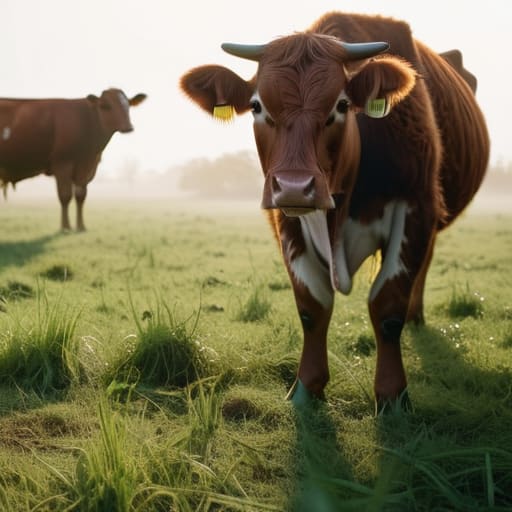
  • Keep your walkways clear of the muck and the scrap, because most of the men I know didn’t get sidelined by a tractor roll, they got sidelined by a simple trip over a piece of discarded wire in the dark.
  • If you’re going to use a piece of kit, make sure you actually know how it works before you put your hands near it, rather than trying to “figure it out” while the engine is running and the clock is ticking.

The Bottom Line on Keeping the Farm Running

Safety isn’t a box-ticking exercise for some inspector; it’s about protecting your most expensive and irreplaceable asset—the people doing the work.

A single slip or a poorly maintained piece of kit costs far more in lost labor and downtime than any amount of time spent doing it right the first time.

If you’re cutting corners to save ten minutes on a job, you aren’t being efficient; you’re just gambling with your cash flow and your livelihood.

The Bottom Line on Staying Whole

At the end of the day, managing safety isn’t about filling out a stack of paperwork to satisfy some inspector or ticking a box on a government form. It’s about the reality of the yard. We’ve talked about the kit that needs checking, the way a single slip in a muddy chute can sideline you for months, and the sheer financial drain of an accident that could have been avoided with five minutes of common sense. If you ignore the small things—the frayed wire, the loose tread, the tired eyes—you’re essentially gambling with your most valuable asset. And I’m not talking about the tractor or the herd; I’m talking about you.

I’ve seen too many good men and women try to outrun the clock, thinking they can squeeze one more hour out of a day by cutting a corner. You can’t. The farm will still be here tomorrow, but your ability to run it won’t be if you aren’t careful. Don’t let your pride be the reason the gates get left untended or the work falls to someone else. Farming is a hard, unforgiving business, but it’s a much better one when you’re actually around to see the profit at the end of the season. Keep your head up, watch your footing, and look after yourself first.

Frequently Asked Questions

How much of my time should I actually be spending on paperwork versus being out in the yard checking the kit?

If you’re spending all day behind a desk, you’re losing the feel of the ground, and if you’re never behind a desk, you’re flying blind. I aim for a 70/30 split. Use the morning light to be in the yard—check the gates, the feed, and the feet. But if you don’t sit down to look at the numbers, you’ll find yourself working harder just to stay in the red.

When a piece of machinery is working well enough, at what point does the cost of a repair become more dangerous than just pushing it through the season?

It’s a math problem, not a mechanical one. If you’re patching a hydraulic leak with bits of rag and prayer just to get the hay in, you aren’t saving money; you’re gambling with your time. I’ve learned that the moment a repair requires you to “keep an eye on it” while it’s running, you’ve already lost. If the cost of a breakdown mid-harvest exceeds the repair bill, fix it now. Otherwise, you’re just financing a disaster.

How do I get the younger ones—or the ones who think they know better—to actually take the safety checks seriously without it feeling like I'm just nagging?

Stop lecturing them on “compliance” and start talking about the math. If a lad skips a check on the tractor and ends up in a hospital bed, it’s not just his leg that’s broken—it’s the farm’s cash flow for the next six months. Show them the cost of a week’s lost labor and the price of a replacement machine. When they see safety as protecting the margin rather than following a rulebook, they listen.

Complete guide to reseeding book cover.

The Complete Guide to Reseeding

I’ve sat through enough sales pitches from seed merchants to know that most “complete guide to reseeding” brochures are nothing more than expensive wallpaper designed to part a fool from his capital. They’ll talk to you about theoretical yields and fancy new cultivars, but they never mention the three weeks of driving rain that turns your expensive new sward into a boggy graveyard before it even takes root. I learned that the hard way back in ’94, when I spent a small fortune on a mix that looked grand on paper but couldn’t survive a stiff breeze on my north field because I hadn’t bothered to check the drainage first.

I’m not here to sell you a dream or a bag of branded nonsense. What I’m going to give you is the truth about what actually works when the weather turns and the bank is looking at your margins. We’ll look at the ground, the rainfall, and the real cost of the seed versus the actual grass you’ll get in the trough. This is about making sure your investment actually turns into forage you can use, rather than just more money sitting unused in a shed.

Table of Contents

Understanding Complete Guide to Reseeding

Understanding Complete Guide to Reseeding lawn.

Now, before you go ordering bags of seed like you’re stocking a pantry, you have to understand what we’re actually trying to achieve. There is a massive difference between overseeding vs complete reseeding, and choosing the wrong one is the fastest way to watch your margin evaporate. If you’ve just got a few thin patches where the cattle have been poaching the ground, you might get away with a bit of overseeding. But if your sward is old, tired, and lacks the vigor to push through a decent spring, you need to commit to the full job. You aren’t just throwing seeds on the surface; you are rebuilding the foundation of your profit.

The real work, however, isn’t in the sowing—it’s in the soil preparation for new seed. I’ve seen too many lads skip the harrowing and the cultivation, thinking the seed will just find its way down. It won’t. If that seed doesn’t have good, firm contact with the earth, you might as well throw your money into the muck heap. You need to get the ground right so that the grass seed germination process actually has a fighting chance against the weeds and the weather.

Key Things to Know

Key Things to Know: Soil Preparation.

Before you go ordering bags of seed based on a glossy brochure, you need to look at what you’re actually working with. Most people jump straight to the seed, but if you don’t get the soil preparation for new seed right, you might as well be throwing money into a hedge. I’ve seen plenty of lads spend a fortune on high-spec mixes only to watch them sit on top of a hard, compacted surface like a crust of bread. If the ground isn’t prepared to let that seed actually touch the dirt, you aren’t farming; you’re just decorating.

Then there is the question of scale. You have to decide between overseeding vs complete reseeding, and that decision usually comes down to how much of your margin you can afford to gamble. Overseeding is a fine way to patch things up if the base is decent, but if your sward is exhausted and the weeds have taken hold, you’re just masking a problem that will bite you come winter. You need to know if you’re looking for a quick fix or a proper, long-term foundation for your grazing.

Practical Tips and Steps

Practical Tips and Steps for soil preparation.

Before you even think about opening a bag of seed, you need to look at what you’re actually standing on. I’ve seen lads spend a fortune on high-spec mixes only to watch them fail because they skipped the proper soil preparation for new seed. You can’t just throw seed onto a hard, compacted surface and expect a miracle; the ground needs to be able to breathe. If your soil is like concrete, that seed will sit there until the birds find it or the rain washes it into the bottom of the field. Spend the time to scarify or lightly cultivate first. It’s more work, but it’s the difference between a field that holds its own and a patch of bare dirt that’ll just fill up with weeds by next spring.

Timing is everything, and if you miss the window, you’re just burning cash. Most people ask me about the lawn reseeding best time of year, but on a working farm, we look at the ground temperature and the moisture levels. You want enough warmth for the grass seed germination process to actually get moving, but you need enough moisture in the soil so you aren’t standing there with a hosepipe for three weeks straight. If you’re choosing between overseeding vs complete reseeding, remember that the latter is a massive commitment of both time and capital. Don’t go for the full overhaul if a bit of heavy overseeding will do the job, unless your current sward is so tired it’s practically dead.

Common Mistakes to Avoid

The biggest mistake I see—and I’ve certainly been guilty of it in my younger, more impatient years—is treating reseeding like a chore you can rush through on a Tuesday afternoon. People get a bit of seed, throw it over some tired ground, and wonder why they’re looking at bare patches come autumn. You cannot skip the soil preparation for new seed; if you don’t get the tilth right and clear out the old, competing weeds, you’re essentially just feeding the things you’re trying to get rid of. It’s a waste of good money.

Another one that’ll break your heart is ignoring the weather. I’ve seen men spend a fortune on high-quality mixes only to have them washed into the bottom of a drainage ditch because they didn’t check the forecast. There’s no sense in it. You need to understand the grass seed germination process well enough to know that if the ground is bone dry or sodden, your investment is gone. Don’t get caught up in the excitement of buying new kit; if you haven’t checked the soil moisture and the upcoming rain, you’re just throwing cash into a hole.

Final Thoughts

At the end of the day, a field isn’t a science experiment; it’s a bank account that grows or shrinks based on how much you respect the ground. You can spend all season worrying about the grass seed germination process and whether you’ve picked the right cultivar, but if you haven’t sorted your drainage or your soil structure first, you’re just throwing money into a hole. I’ve seen men go bust trying to force a lush sward on ground that was never ready to hold it.

Don’t get caught in the trap of thinking more is always better. There is a massive difference between overseeding vs complete reseeding, and choosing the wrong one for your specific acreage is a quick way to see your margins evaporate. If you’re going to commit to the full job, do it when the weather and the soil are on your side, not when you’re desperate. Get your soil preparation for new seed right the first time, keep your eyes on the weather, and remember: the grass doesn’t care about your spreadsheet, it only cares about the ground it’s growing in.

Five Things to Check Before You Open the Seed Bag

  • Stop looking at the seed catalogue and start looking at the soil. I’ve seen men spend a fortune on high-spec perennial ryegrass only to watch it struggle because the pH was too low to let the plant actually breathe. If you haven’t checked your soil test in the last two years, you aren’t reseeding; you’re gambling.
  • Don’t get blinded by the fancy mixes. A “premium” blend might look good on a brochure, but if it doesn’t suit your specific ground and your rainfall patterns, it’s just expensive compost. I’d rather have a hardier, simpler mix that actually survives a wet spring than a high-yield variety that dies the moment the weather turns.
  • Watch your timing like a hawk. Everyone wants to rush into it when the sun is out, but if you miss the window where the ground is right and the moisture is consistent, you’ll be staring at bare patches by autumn. Reseeding is a game of patience, and if you force it, the grass will punish your bank balance.
  • Remember that seed is only half the battle; the seedbed is the rest. If you’re throwing expensive seed onto ground that’s too compacted or too cloddy, you’re essentially throwing money into a hole. You need a fine, firm tilth that ensures that seed actually makes contact with the dirt, or it won’t stand a chance.
  • Factor in the cost of the “gap.” People always calculate the cost of the seed and the diesel, but they forget the cost of the grass that isn’t there while the new crop is establishing. If you don’t have a plan for where your stock goes while that ground is out of action, you’re going to end up overgrazing your good acres to compensate, and that’s a mistake you only make once.

The Bottom Line on Reseeding

Don’t go buying expensive seed mixes until you’ve actually looked at your soil and your rainfall; if the ground won’t support it, you’re just throwing cash into a hole.

Focus on the grass that actually feeds your stock and keeps your margins healthy, rather than getting distracted by fancy varieties that look good in a catalogue but won’t survive a wet spring.

Treat reseeding as a long-term investment in your cash flow, not a quick fix, because if you get the groundwork wrong, you’ll be paying for that mistake every single season for the next five years.

The Bottom Line on Your Grass

At the end of the day, reseeding isn’t about following a fancy color-coded chart from a seed salesman; it’s about matching what you put in the ground to what your specific soil and rainfall can actually support. If you ignore the soil test or rush the timing because you’re chasing a deadline, you aren’t investing in your farm—you’re just throwing money into a hole. Remember that the best mix in the world won’t save you if your drainage is rubbish or if you haven’t accounted for the cost of the machinery to get it done. Keep your eyes on the grass, the feet, and the cash flow, because that is where the real profit lives.

I’ve seen plenty of men go bust trying to turn a patch of poor ground into a prize-winning meadow overnight, and I’ve seen others build a legacy one well-managed hectare at a time. Don’t let the pressure of a bad season drive you into making a massive, expensive mistake with your seed choice. Take your time, watch the weather, and remember that good farming is often about what you choose not to do as much as what you do. If you get the groundwork right, the grass will do the heavy lifting for you, and your bank balance will thank you come next spring.

Frequently Asked Questions

When is the actual best time to get the seed in the ground if the weather turns foul, or am I just gambling my margin on a forecast?

You’re gambling, plain and simple. If you wait for a perfect forecast, you’ll be staring at a bare field in November with no grass to carry you through. But if you throw seed into a soaked, heavy clay field just because the app says “sunny,” you’re just burying money in a bog. I’d rather push it early when the ground can still take it, than wait for a window that never actually opens.

How do I know if I'm actually fixing the soil or just throwing expensive seed onto ground that’s too tired to support it?

If you’re just throwing seed down without testing the soil, you aren’t farming; you’re gambling. I’ve seen men spend thousands on high-spec rye only to watch it yellow and stall because the pH was too low to let the roots breathe. Don’t guess. Get a proper soil analysis done first. If the chemistry isn’t right, that seed is just expensive bird food. Fix the ground, then feed the grass.

At what point does the cost of the seed and the diesel for the tractor actually stop being an investment and start being a way to bleed my cash flow dry?

You’re bleeding cash the moment you start reseeding for the sake of a “perfect” field rather than a profitable one. If you’re chasing a 5% increase in grass yield but spending 10% more on seed, diesel, and lime to get it, you’ve just paid for the privilege of working harder. Don’t reseed just because the ground looks patchy; reseed because the current sward isn’t paying its way in kilos of meat or liters of milk.

How to reduce lamb and calf losses overall.

Counting Losses Honestly to Reduce Them

I’ve spent half my life listening to salesmen in clean wellies try to convince me that the secret to a better season lies in some high-tech nutritional supplement or a new breed of “super-lamb.” It’s enough to make you sick. They’ll talk your ear off about complex protocols, but they never mention that if your ground is a boggy mess and your ewes are running on empty, all the expensive additives in the world won’t save you. If you’re looking for a magic pill on how to reduce lamb and calf losses overall, you’re talking to the wrong man. The truth is usually much simpler, much more boring, and far more expensive to ignore than any brochure would ever admit.

I’m not here to sell you a subscription or a shiny new piece of kit that’ll be rusting in the shed by November. What I want to do is talk about the actual mechanics of the farm: the grass, the footing, and the hard numbers that show where your profit is leaking out. I’ll be sharing the lessons I learned the hard way—the ones that cost me a fair bit of sleep and even more cash—so you can focus on what actually keeps a lamb alive and a calf growing.

Table of Contents

Understanding How to Reduce Lamb and Calf Losses Overall

Understanding How to Reduce Lamb and Calf Losses Overall

Now, everyone wants a silver bullet—a new vaccine or a fancy supplement that’ll magically fix the numbers. But if you want to talk about actually improving lambing and calving success, you have to stop looking at the animals in isolation and start looking at the environment they’re born into. Most of my losses over the decades didn’t happen because of a sudden plague; they happened because the ewe was running on empty or the ground was a boggy mess that invited infection. You can have the best genetics in the county, but if your nutritional support for young livestock starts three weeks too late, or if the dam hasn’t had enough plane to carry the weight, you’re just pre-ordering a funeral.

It’s also about the boring stuff—the stuff that doesn’t look good in a glossy brochure. I’ve learned the hard way that preventative veterinary care isn’t an expense; it’s an insurance policy against the kind of gut-wrenching losses that keep you awake at 3:00 AM. You need to tighten up your routines so they become second nature. If your hygiene in the lambing shed is hit-or-miss, you aren’t managing a farm, you’re just gambling with your margins.

Key Things to Know

Key Things to Know for livestock success.

First, you have to stop looking for a magic pill in a bottle. I’ve seen enough salesmen try to peddle “miracle” supplements that do little more than make your bank balance look thinner. Real success in improving lambing and calving success isn’t about the fancy additives; it’s about the boring, repetitive stuff. It’s knowing your ewes are in condition before they even see a ram, and ensuring your bedding isn’t a sodden, freezing mess when the first calf hits the ground. If the foundation is rubbish, no amount of expensive medicine will save the season.

Secondly, don’t get blinded by the big diseases and ignore the small, daily leaks. You can follow every textbook on neonatal animal health protocols, but if you aren’t checking the colostrum intake or the quality of the footing in the pens, you’re fighting a losing battle. Lameness and poor nutrition will bleed you dry long before a major outbreak does. It comes down to being in the field, seeing the animal, and knowing when something is just slightly off. If you wait for a vet to tell you there’s a problem, you’ve already lost the money.

Practical Tips and Steps

Practical Tips and Steps for farm biosecurity.

First, stop looking for a magic pill in a bottle and start looking at your bedding. I’ve seen men spend a fortune on high-end supplements while their lambs are shivering on damp, cold straw in a drafty shed. If the ground is soaked and the wind is cutting through the perimeter, no amount of fancy feeding will save them. You need to get your biosecurity measures for farms right before the first ewe even moves toward the lambing pen; that means cleaning out the old muck and ensuring you aren’t just moving pathogens from one pen to the next.

Second, watch the clock and the colostrum. I don’t care what the brochure says about “optimal windows”—if a calf is lagging, you need to be on it immediately. Implementing strict neonatal animal health protocols isn’t about following a checklist for the sake of it; it’s about knowing that the first six hours determine whether that animal becomes a profit or a loss. Don’t wait for a vet to tell you a calf is weak; by then, you’re already paying for the medicine instead of the meat.

Common Mistakes to Avoid

The biggest mistake I see is the tendency to chase the “big” things—the rare diseases or the sudden outbreaks—while ignoring the quiet, steady leaks in the bucket. People spend a fortune on fancy vaccines but forget that a lamb shivering in a wet, muddy corner is already halfway to the grave. You can have the most rigorous neonatal animal health protocols on paper, but if your ground is a bog and your ewes are running on empty, those protocols won’t mean a thing. It’s not just about what you do; it’s about the environment you’re forcing them to live in.

Another trap is the “buy your way out of it” mentality. I’ve seen too many young lads invest in the latest tech or expensive supplements thinking it’s a shortcut to improving lambing and calving success. They buy the kit, but they don’t change the way they walk the fields. If you aren’t checking the feet and the forage quality every single morning, you’re just buying expensive distractions from the actual work. You cannot automate the eye of a farmer who knows his stock.

Final Thoughts

At the end of the day, you can read every manual on livestock management best practices until your eyes bleed, but none of it matters if you aren’t out there in the mud when it counts. I’ve seen plenty of men try to manage their way out of a bad season using spreadsheets and fancy software, only to realize they missed the subtle limp in a heifer or the way a lamb was huddling against a cold wind. You can’t manage what you don’t observe, and you certainly can’t fix what you didn’t notice until it was already a carcass in the field.

Don’t get caught up in the pursuit of perfection; just aim for consistency. If you get your nutritional support for young livestock right and you keep a sharp eye on the ground beneath their feet, you’re already ahead of half the people I know. It isn’t about the big, expensive breakthroughs; it’s about the small, boring things done right, every single time. If you can master the basics, you’ll find that improving lambing and calving success isn’t some mystery—it’s just the result of not letting the small leaks sink the ship.

Five things that actually matter when the numbers start dropping

  • Stop looking at the pedigree and start looking at the weather; you can have the finest genetics in the county, but if your calving or lambing ground is a boggy mess, you’re just inviting pneumonia and scours before the sun is up.
  • Watch the feet, not just the fever; a calf that’s slightly lame because of poor footing or a bad pen layout will stop eating long before it shows a temperature, and by then, you’ve already lost the profit margin.
  • Don’t buy the shiny new tech until you’ve checked your margins; I’ve seen men spend five figures on automated monitoring systems while they’re still letting cheap, low-quality forage rot in the shed, and that’s a math error that’ll sink you.
  • Learn to read the grass like it’s a bank statement; if you’re pushing too many mouths onto ground that isn’t ready, you aren’t just risking malnutrition, you’re trading your long-term soil health for a short-term survival gamble.
  • Keep your records on the animals, not the equipment; I’d rather have a notebook full of weaning weights and mothering percentages than a shed full of kit that hasn’t seen a drop of oil since the last subsidy change.

The Bottom Line

Stop chasing rare diseases and start looking at the basics: if your grass is poor and your ground is a bog, you’ve already lost half your margin before the season even starts.

Every lamb or calf that doesn’t make it to weaning isn’t just a dead animal; it’s a year’s worth of feed, effort, and potential profit walking straight out of your gate.

Don’t buy into the fancy kit or the expensive supplements until you’ve sorted your footing and your records; most of what they’re selling you is just a way to mask poor management.

The Bottom Line

At the end of the day, reducing losses isn’t about chasing the latest shiny gadget or some fancy new supplement that promises the moon. It comes down to the basics: watching your grass levels, keeping an eye on the weather, and actually getting out into the field when it’s cold and miserable to see what’s really happening. If you aren’t monitoring your nutrition, checking your footing, and staying ahead of the inevitable spring damp, you aren’t managing a herd—you’re just hoping for the best. And as I’ve learned the hard way, hope is a very expensive way to run a business. You have to focus on the grass, the feet, and the cash flow if you want to see any real improvement in your numbers.

Farming is a hard game, and it’s easy to feel like you’re constantly fighting against the elements or the market. But remember, every lamb that makes it to weaning and every calf that hits its target weight is a victory for your margins. Don’t get discouraged by a bad season or a few mistakes; just make sure you aren’t making the same expensive mistake twice. Take the lessons from the losses, keep your records straight, and keep your eyes on the ground. If you can master the fundamentals, the rest of the noise tends to settle down.

Frequently Asked Questions

How much of a dent can I actually make in my bottom line by fixing my ground conditions versus just buying better feed?

You can buy all the concentrate in the county, but if your ground is a bog, you’re just subsidising the mud. Better feed might nudge a growth rate, but poor footing will kill a calf or break a ewe’s spirit before she even hits the scales. I’ve seen more money lost to lameness and poor drainage than to mediocre forage. Fix the ground first; otherwise, you’re just pouring expensive pellets into a hole in the dirt.

At what point does the cost of a new piece of handling equipment actually pay for itself in reduced animal stress and fewer injuries?

It pays for itself the first time a broken limb or a crushed calf doesn’t cost you a yearling. You can run the math on the kit, but you need to run it on the vet bills and the lost weaning weight instead. If a better crush means you aren’t fighting a panicked heifer for twenty minutes, it’s already earned its keep. If it sits in the shed because it’s too fiddly to use, it’s just expensive scrap metal.

When the weather turns and the grass is poor, how do I decide which animals are worth the extra expense to keep and which ones are just draining my cash flow?

You don’t look at the animal; you look at the data behind it. I don’t care how pretty a ewe is if her weaning percentage has been sliding since 2019. If she’s struggling to hold condition on poor grass and she isn’t producing a high-quality lamb, she’s just a walking expense. Check your records. If the numbers don’t justify the extra feed or the extra effort, she’s gone to the auction. Don’t get sentimental; sentiment doesn’t pay the bills.

How to prepare for a disease outbreak.

Having a Plan Before the Restrictions Land

I’ve sat through enough seminars in drafty village halls to know that most people talking about how to prepare for a disease outbreak are just trying to sell you a shiny new piece of kit or a subscription to a digital tracking service you’ll never use. They’ll talk to you about high-tech biosecurity software and expensive, proprietary disinfectants that cost more than a decent heifer, but they never mention the reality of the mud. I remember back in the foot-and-mouth years, it wasn’t a fancy app that saved my margins; it was the simple, bone-deep discipline of making sure the vet’s boots didn’t touch the same ground as my breeding ewes.

I’m not here to give you a lecture on theoretical risks or a shopping list of things you don’t need. What I’m going to do is walk you through the practical, unglamorous side of keeping your herd safe and, more importantly, keeping your cash flow intact. We’ll talk about the actual gates, the boots, and the daily habits that matter, focusing on the mistakes I’ve made so you don’t have to pay for them.

Table of Contents

How to Prepare for a Disease Outbreak Without Losing Your Shirt

How to Prepare for a Disease Outbreak Without Losing Your Shirt

Most people think being prepared means having a fancy laminated folder of government procedures sitting on the kitchen table. It doesn’t. If you want to avoid a total collapse when the inspectors show up or the vet starts calling, you need to look at your gates and your boots first. Real infectious disease mitigation strategies aren’t found in a brochure; they are found in how you manage your movement. If you haven’t got a clear system for who enters your yard and where they walk, you’re already behind. I spent years thinking I could outrun a bad run of luck, but you can’t outrun a virus that walked in on a visitor’s muddy tread.

Don’t go out and buy a mountain of expensive gadgets that’ll just collect dust in the shed. Instead, focus on the basics of your emergency preparedness kit essentials—things like dedicated disinfectant, clean fencing, and a way to isolate a sick animal without walking the whole herd through the muck to do it. It’s about protecting the cash flow. If you can’t isolate a problem quickly, you aren’t just losing an animal; you’re losing the entire year’s margin.

Why Infectious Disease Mitigation Strategies Fail When Cash Runs Dry

Why Infectious Disease Mitigation Strategies Fail When Cash Runs Dry

The trouble with most infectious disease mitigation strategies is that they assume you’ve got a surplus of everything—time, energy, and most importantly, money. When the prices are high and the weather is kind, everyone wants to talk about high-spec fencing and fancy disinfectant sprayers. But when a bad season hits and your cash flow starts to look like a drying stream, those “essential” biosecurity measures are usually the first thing to get neglected. You start cutting corners on the small things, like cleaning the boots properly or checking the perimeter, because you’re too busy trying to figure out how to pay the fuel bill.
That’s when you’re most vulnerable. A farmer running on empty doesn’t have the luxury of a formal pandemic readiness checklist sitting on the dashboard; they are too busy reacting to the immediate crisis. Once you stop investing in the basics, you aren’t just saving pennies; you are inviting a catastrophe that no amount of paperwork can fix. If you can’t afford to maintain your standards when things are lean, then your entire system is built on sand.

The Emergency Preparedness Kit Essentials Most Farmers Forget to Buy

The Emergency Preparedness Kit Essentials Most Farmers Forget to Buy.

Most of you will head to the co-op and buy a stack of disinfectant sprays and some fancy boots, thinking you’ve ticked the box. That’s fine, but it won’t help you when the supply lines snap. I’ve seen it happen: a local crisis hits, and suddenly the very things you need to maintain your infectious disease mitigation strategies are stuck on a lorry halfway across the country. If your emergency preparedness kit essentials don’t include a three-month buffer of the basics—the stuff you use every single day, from specific footbath additives to even the simplest cleaning agents—you aren’t prepared; you’re just hoping for the best.

And don’t get me started on the logistics of the farm itself. People focus on the animals, but they forget the humans running the show. If your crew is sick or if you’re forced into isolation, how are you managing the day-to-day? I keep a dedicated stock of non-perishable essentials and extra PPE tucked away, not because I’m paranoid, but because I know that managing supply chain disruptions is just as much about having what’s in the shed as it is about what’s in the shop.

Managing Supply Chain Disruptions Before the Gates Actually Close

When the news starts getting heavy and the government begins talking about restrictions, most folk look at their fences. I look at my fuel tank and my feed store. You can have the best infectious disease mitigation strategies in the world, but they won’t mean a thing if the lorry carrying your mineral lick is stuck in a depot three counties away because of a sudden lockdown. I’ve learned the hard way that reliance on ‘just-in-time’ delivery is a luxury a suckler man can’t afford when things go sideways.

Don’t wait for the panic to start before you look at your stores. Managing supply chain disruptions isn’t about hoarding useless gadgets; it’s about having enough bulk feed and veterinary supplies to see you through a fortnight of total isolation. I keep a mental tally of what I need to keep the herd moving when the roads get quiet. If you haven’t looked at your emergency preparedness kit essentials—specifically the stuff that keeps the animals eating and the tractors moving—you aren’t actually prepared; you’re just hoping for the best. And hope is a poor substitute for a full grain bin.

Tightening Biosecurity Measures for Households and the Hungry Herd

Most people think biosecurity starts at the farm gate, but that’s where the real trouble usually begins. You can have the best fences in the county, but if your youngest lad comes home from school with mud on his boots or a stray dog follows him into the yard, you’ve already invited the problem in. I’ve seen more mistakes made by a careless visitor or a family member walking through a clean pen than by any professional vet. You need to treat your house and your yard as two separate worlds. If you aren’t treating biosecurity measures for households with the same seriousness as you treat your calving pens, you’re just leaving the door unlocked for a disaster.

It isn’t about being paranoid; it’s about being practical. I keep a dedicated set of boots and a heavy-duty apron by the back door—stuff that never, ever crosses the threshold into the kitchen. When things go sideways, the government’s public health response protocols will eventually catch up with you, but by then, the damage to your herd’s value is already done. You need to manage the people moving between your kitchen table and your cattle pens as strictly as you manage your feed deliveries.

Five things that actually matter when the vet is on the phone

  • Know your numbers before the crisis hits. You can’t make a decision on whether to cull or quarantine if you don’t know exactly what your replacement cost is or how many days of feed you’ve got sitting in the barn. If you’re guessing at your margins during an outbreak, you’ve already lost.
  • Stop treating biosecurity like a suggestion. It isn’t about a fancy sign on the gate; it’s about making sure the lad coming in to fix the tractor hasn’t been standing in a muddy field three farms over ten minutes before. If your boots aren’t clean, your protocols aren’t worth the paper they’re printed on.
  • Get your records out of the cloud and into something you can actually use when the power’s out or the signal’s gone. I don’t care how many apps you’ve paid for; if you can’t tell me which ewe came from which field and her vaccination history in thirty seconds, you’re flying blind.
  • Sort your isolation pens now, not when the first animal starts looking off. You need a space that’s far enough from the main herd to mean something, but close enough that you aren’t walking through the whole farm to check on them. If you’re scrambling to fence off a corner in a gale, you’ve waited too long.
  • Build a relationship with your vet when things are quiet. Don’t be the person who only calls when the panic sets in. You need to know their temperament and their availability before the gates are locked down, otherwise, you’ll find yourself shouting into a voicemail while your cash flow walks out the door.

The bottom line on staying standing

Don’t go chasing the fancy, expensive new tech; if your biosecurity doesn’t start with clean boots and locked gates, you’re just wasting money you’ll need when the prices drop.

Treat your contingency fund like your most valuable breeding line—you don’t touch it for the good years, you keep it tucked away specifically so a single outbreak doesn’t turn your farm into a liability.

Real preparedness isn’t a checklist in a binder; it’s knowing exactly where your feed is coming from and having a plan for your cash flow the moment the gates get shut.

The Bottom Line

At the end of the day, preparing for an outbreak isn’t about having the fanciest disinfectant or a shiny new biosecurity manual sitting on the dashboard of your quad. It’s about the unglamorous, daily discipline of protecting your margins. We’ve talked about everything from the actual cost of a single infected cow to the supply chains that’ll freeze the moment the news hits the wireless. If you haven’t tightened your gates, checked your boots, and ensured your cash flow can withstand a sudden standstill, then you aren’t prepared—you’re just hoping for the best. And in this business, hope is a very expensive way to run a farm. You have to manage the grass, the feet, and the cash before the crisis forces your hand.

I’ve seen plenty of men lose more than just livestock; I’ve seen them lose the will to get back in the saddle because they were caught flat-footed by a disaster they could have seen coming. This work is hard enough without letting avoidable mistakes strip you of your livelihood. Don’t view these measures as extra chores or unnecessary expenses; view them as the insurance policy that keeps your family on this land for another generation. It won’t be easy, and it won’t be glamorous, but building a resilient farm is about surviving the bad years so you’re still standing when the good ones finally arrive.

Frequently Asked Questions

If I've already invested in the big-name vaccines, am I actually covered, or am I just paying for a false sense of security?

Vaccines are a tool, not a shield. If you think a needle in a cow’s hip means you can leave the gate unlatched or let a neighbor’s stray sheep wander into the yard, you’re buying a very expensive piece of fiction. You’re paying for a reduced risk, not an insurance policy against stupidity. A vaccine won’t stop a virus that walks in through your lack of discipline. Don’t mistake a pharmacy bill for actual security.

How do I balance the cost of strict biosecurity with the fact that my margins are already paper-thin this season?

You don’t balance it; you prioritize. If you’re spread thin, stop trying to buy every fancy disinfectant and high-tech sensor on the market. Focus on the basics that don’t cost a penny: keep your visitors away from the pens, watch who’s walking through your gates, and make sure your boots are actually being cleaned. Biosecurity isn’t a luxury item; it’s just common sense applied to your gate and your cash flow.

When a vet finally shows up during a crisis, how do I know if they're giving me a solution or just another expensive piece of kit I don't need?

If a vet walks in and starts talking about a new piece of diagnostic machinery or a proprietary supplement before they’ve even looked at the condition of your ground or the state of your feed, keep your hand on your wallet. A real solution focuses on the animal in front of you and the immediate fix to stop the bleeding. If they can’t explain how it saves you more in lost stock than it costs in fees, they’re selling, not treating.

Guide on how to run a village organisation.

Keeping a Village Hall Open

I spent three hours last Tuesday listening to a consultant in a crisp suit explain why our parish council needed a “digital engagement framework” to improve community cohesion. It was the kind of expensive, polished nonsense that makes me want to walk back into the fields and stay there. Most people approach the question of how to run a village organisation by chasing these shiny, complicated distractions, thinking a new website or a fancy mission statement will fix the cracks. But if you haven’t sorted out who is actually showing up to do the heavy lifting, and whether your bank balance can survive the next insurance hike, all that digital window dressing is just expensive smoke.

I’m not here to sell you a management seminar or a glossy handbook that gathers dust on a shelf. What I want to do is strip the nonsense away and look at the actual mechanics of keeping a local group upright. I’ll tell you how to manage your people, your pennies, and your priorities so you don’t end up burning out by mid-summer. We’re going to talk about the hard numbers and the human realities that actually matter, because if you don’t get the foundations right, the whole thing will collapse when the first real problem hits.

Table of Contents

The People the Paperwork and the Purse How to Run a Village Organisation

The People the Paperwork and the Purse How to Run a Village Organisation book.

Most village committees spend half their time arguing about the colour of the new community hall noticeboard and the other half wondering where the money went. It’s a bit like a farm: you can have the best intentions in the world, but if your village committee structure is a mess of people who only show up when there’s a cake stall to run, you’re in trouble. You need a clear division of labour. I’ve seen groups collapse because they had five people who wanted to lead and no one willing to sit down with a spreadsheet and actually track the pennies.

Then there is the matter of the long game. I handed the daily grind of the farm to my daughter last year, and it taught me that leadership transition planning isn’t something you do when the person in charge retires; it’s something you do while they’re still healthy. If your local group relies entirely on one person’s energy, you aren’t building a community; you’re just running a one-man show that’s destined to stall. You have to focus on engaging local residents who actually have a stake in the outcome, rather than just the loudest voices in the pub.

Choosing Your Community Governance Models Without Breaking the Spirit

Choosing Your Community Governance Models Without Breaking the Spirit.

Now, this is where most village committees trip over their own feet. They spend six months debating the nuances of various community governance models as if they were drafting a constitutional treaty, when all they really need is a way to make sure the person holding the keys to the village hall isn’t also the one holding the chequebook. I’ve seen groups try to mimic large-scale non-profit management for small towns, bringing in layers of bureaucracy that would make a civil servant weep. It’s a mistake. If your structure is so heavy that you can’t get three people in a room to agree on a paint colour without a sub-committee meeting, you aren’t governing; you’re just stalling for time.

You need a village committee structure that is lean enough to actually move. It should be like a good suckler herd: you want enough variety to keep things resilient, but nothing that’s just taking up space and eating the profit. Focus on clear roles and, more importantly, leadership transition planning. The biggest killer of local groups isn’t a lack of funds; it’s the moment the one person who knows where the light switches are decides to retire and leaves everyone else staring at a dark room.

Why Poor Village Committee Structure Costs More Than Bad Grants

Why Poor Village Committee Structure Costs More Than Bad Grants

I’ve seen it a dozen times: a village group spends six months sweating over a grant application, only to lose the money because they couldn’t figure out who was actually responsible for the keys to the hall. People treat grant writing for community groups like it’s the finish line, but it’s really just the starting gun. If your village committee structure is a mess—with three people doing everything and ten people doing nothing—that money will vanish into a black hole of “miscellaneous expenses” and unreturned phone calls. It’s not the lack of funds that kills a project; it’s the friction caused by people tripping over each other’s toes.

A bad structure is like a leaky trough; you can keep topping it up with new donations or subsidies, but you’ll never see the level rise. When you don’t have clear roles, you end up wasting hours in meetings that should have been a two-minute chat over a fence. You lose your best people to burnout because they’re tired of carrying the weight, and suddenly, you have no leadership transition planning in place. Without a solid foundation, you aren’t building something for the town; you’re just managing a slow-motion collapse.

Managing Community Assets Before They Become Expensive Liabilities

Managing community assets is a lot like maintaining an old tractor: if you only pay attention to it when it stops working, you’ve already lost the battle. Most village committees treat their hall, their playing field, or their community van as if they’re permanent fixtures of the landscape that don’t require a penny of thought. They don’t. I’ve seen too many groups get caught out by a leaking roof or a broken mower because they were too busy with the social side of things to look at the maintenance schedule. You have to treat these things like livestock; if you don’t keep an eye on the condition of the asset, it’ll eventually cost you more in emergency repairs than it ever earned you in hire fees.

The real danger in managing community assets isn’t the big, sudden disasters, though; it’s the slow bleed of neglected maintenance. When you’re looking at non-profit management for small towns, you have to account for the “hidden” costs—the insurance hikes, the inevitable repairs, and the depreciation that no one wants to talk about during the AGM. If you haven’t set aside a small pot of cash specifically for when the boiler inevitably packs up in January, you aren’t managing an asset; you’re just waiting for a crisis.

Leadership Transition Planning Avoiding the Costly Mistakes of Burnout

I learned the hard way that when you run a farm, you don’t just plan for the next season; you plan for the day you can’t get out of the truck. Village committees are no different. Most groups fall into the trap of letting one or two people do everything—the heavy lifting, the bank reconciliations, and the endless emails. It feels efficient at first, but it’s a slow-motion train wreck. You end up with a handful of exhausted residents and a total vacuum of knowledge when they finally decide they’ve had enough.

True leadership transition planning isn’t about writing a fancy handbook that sits in a drawer; it’s about making sure the person coming in next year actually knows where the keys are kept and how the accounts work. If your village committee structure relies entirely on the memory of one person, you aren’t running an organisation; you’re running a cult of personality. You need to build a system where knowledge is shared, not hoarded. If you don’t prepare for the hand-off, the first time a key player burns out, the whole operation will stall out just like a tractor with a dead battery in mid-January.

Five Ways to Keep the Village Group From Running into the Hedge

  • Don’t mistake a busy committee for a productive one. I’ve seen village groups spend six months debating the colour of the new community hall bunting while the roof is literally rotting off the rafters. If your meetings don’t end with a clear list of who is doing what, and exactly what it’s going to cost, you aren’t running an organisation; you’re just having a very expensive social club.
  • Watch your “stocking rates” of volunteers. Just because you have twenty people willing to help with the summer fête doesn’t mean you have a sustainable workforce. If you rely on the same three people to do all the heavy lifting, they’ll burn out by October, and you’ll be left with a dead organisation and a lot of resentment. Spread the load, or prepare for the collapse.
  • Treat the petty cash like it’s your own daughter’s inheritance. I don’t care if it’s only fifty quid for tea and biscuits; if you don’t have a paper trail for every single penny, you’re asking for a row that will tear the village apart. Transparency isn’t about being difficult; it’s about making sure nobody can point a finger at you when the books don’t balance at the end of the year.
  • Avoid the “Shiny New Toy” syndrome. Every time a new grant comes in, there’s a rush to buy some high-tech piece of equipment or a fancy new software system that promises to “revolutionise” how you manage the village hall. Most of that kit ends up sitting in a cupboard gathering dust because nobody knows how to use it or it’s too fiddly for the people actually doing the work. Buy what you need, not what looks good in a brochure.
  • Listen to the ground before you plant the seed. In farming, you don’t talk about how many sheep you want until you’ve checked the rainfall and the quality of the grass. In a village, don’t launch a new project or a big community event until you’ve checked if the people actually want it and if you’ve got the actual capacity to see it through. If the foundation isn’t there, the whole thing will just sink into the mud.

The Bottom Line: What Actually Keeps the Lights On

Stop chasing the shiny new grant if your core foundation is cracked; a village group with a massive budget but no clear roles is just a way to spend money faster on things nobody actually needs.

Treat your community assets like I treat my breeding ewes—if you aren’t keeping a constant eye on their condition and their “cost of upkeep,” they’ll become a liability that drains your reserves before you even notice they’re sick.

Succession isn’t a luxury for when things get quiet; it’s a necessity for when things get hard, and if you haven’t trained someone to hold the reins, the whole operation will stall the moment the person in charge gets tired.

The Bottom Line

At the end of the day, running a village group isn’t about having the fanciest website or the most impressive-sounding committee titles. It’s about the same things that keep a farm running: knowing exactly where your money is going, making sure your assets aren’t rotting in the rain, and ensuring you have a succession plan before the person currently doing all the heavy lifting decides they’ve had enough. If you ignore the boring administrative foundations and focus only on the shiny projects, you’ll find yourself with a lot of community goodwill but absolutely no way to pay the electric bill for the village hall. You have to manage the margins if you want the mission to survive the winter.

I’ve spent forty years learning that things only last when they are built on solid ground, not on enthusiasm alone. A village organisation is a living thing, much like a good flock of ewes; it requires constant, quiet attention to the small details to prevent a total collapse when the weather turns. Don’t be afraid to be the one who asks the difficult questions about the bank balance or the maintenance schedule. It might not make you the most popular person at the pub for an hour, but it ensures that your community has something worth preserving for the next generation to take over.

Frequently Asked Questions

How do I deal with that one person who wants to take over everything but won't actually do any of the heavy lifting?

We call them “shed directors.” They’ll tell you exactly how to drive the tractor, but they won’t touch a shovel. In a village group, it’s the same. They want the title and the seat at the table, but they won’t do the actual work. Don’t argue politics with them; just look at the task list. If they aren’t contributing labour or funds, they don’t get a vote on the direction. Stick to the work, not the talk.

If we've got a bit of a reserve in the bank, should we be putting it into something permanent or just keeping it liquid for when the roof inevitably fails?

Don’t be seduced by the idea of a “legacy project” just because the bank balance looks healthy. I’ve seen many a farm—and I’d wager many a village hall—go bust because they spent their contingency on a fancy new marquee or a permanent sign, only to have a slate blow off the roof three months later. Keep it liquid. Until that roof is patched and the drainage is sorted, that money isn’t “reserve”; it’s an emergency fund waiting to be used.

How much of our time should we actually be spending on the "official" paperwork versus just getting on with the work that the village actually cares about?

If you’re spending more time filling in forms than you are fixing the village hall roof, you’ve lost the plot. I’ve seen it on the farm: you can have the most meticulous breeding records in the county, but if the fences are down and the cows are starving, those papers are just expensive scrap. Do the minimum required to stay legal and insured, then get back to the work. If the village doesn’t see the results, the paperwork won’t save you.

Understanding how inspections are handled calmly.

Getting Through an Inspection Calmly

I remember standing in the muck of the North field back in ’92, watching a man in a clean suit clipboard his way through my best ewes while I stood there wondering if he’d even noticed the drainage issues that were actually the problem. There’s a lot of nonsense out there suggesting that knowing how inspections are handled is all about having a pristine digital folder or a fancy management app that costs more than a good set of calving pens. Most of that is rubbish designed to sell you software you don’t need. In reality, an inspector isn’t looking for a high-tech spreadsheet; they’re looking at the condition of your gates, the state of your records, and whether you actually know your own stock.

I’m not here to give you a lecture on regulatory theory or how to tick boxes for the sake of a bureaucrat. What I’m going to do is tell you how it actually works when the boots hit your ground. I’ll share the mistakes I’ve made—the ones that cost me real money—and show you how to ensure that when someone comes knocking, you aren’t left staring at a gap in your paperwork while your cash flow takes the hit.

Table of Contents

How Inspections Are Handled Without Bleeding Your Cash Flow Dry

How Inspections Are Handled Without Bleeding Your Cash Flow Dry

The trick isn’t in mastering every single line of the regulatory oversight protocols; it’s in knowing where the inspector is actually going to point their finger. Most people panic when they see a clipboard, but they should be panicking about their silage pit or a broken gate. If your fences are falling down and your medicine cupboard is a mess, no amount of tidy paperwork is going to stop them from flagging you. I’ve learned that managing inspector interactions is less about being a scholar and more about being prepared. If they ask a question, give them a straight answer—don’t ramble, and for heaven’s sake, don’t try to hide a problem that they’re going to find anyway.

I keep a simple inspection readiness checklist tucked in the back of my ledger. It isn’t fancy, but it covers the basics: records up to date, gates shut, and the stock looking healthy. If you spend your time chasing every minor administrative whim, you’ll lose sight of the real margins. You need to focus on the things that actually affect the farm’s viability, because once the inspector leaves, you’re still the one left paying for the fixes.

The Inspection Readiness Checklist Every Farmer Needs in Their Pocket

The Inspection Readiness Checklist Every Farmer Needs in Their Pocket.

Now, I’m not one for fancy digital apps or those expensive consultancy binders that end up gathering dust in the back of the Land Rover. If you want an inspection readiness checklist that actually works, keep it to the things that affect the bottom line: the animals, the movement books, and the sheds. I keep a battered notebook in my jacket pocket. It’s not about being a perfectionist; it’s about ensuring that when an inspector arrives, you aren’t scrambling to find a birth record from three months ago while they’re standing there looking at a muddy, neglected pen.

You need to focus on the basics of your compliance audit procedures before they ever set foot on your gate. That means checking your medication logs against your stock movements and making sure your fences aren’t just “good enough,” but actually functional. If your records are a mess, you’re inviting them to look closer at everything else. I’ve learned the hard way that managing inspector interactions starts long before they knock; it starts with knowing your own numbers so well that they can’t find a gap in your story.

Managing Inspector Interactions Without Losing Your Temper or Your Margin

Managing Inspector Interactions Without Losing Your Temper or Your Margin

When an inspector pulls up the gate, your first instinct is to grit your teeth and wonder what they’ve come to find this time. I know that feeling well. But the trick to managing inspector interactions isn’t about being the most charming man in the county; it’s about being the most prepared. If you treat them like the enemy, they’ll spend the whole morning looking for a reason to be difficult. If you treat them like a professional checking a job, they tend to move through the compliance audit procedures with a lot more speed and a lot less scrutiny.

Don’t stand there hovering over their shoulder like a nervous hen. It makes you look like you’re hiding something, and it won’t stop them from finding the one thing you missed. Give them the space to do their work, but keep your eyes on the stock and the ground. If they point out a deficiency, don’t get defensive—just note it down. The real cost of an inspection isn’t the fine; it’s the time spent on post-inspection corrective actions that should have been handled months ago. Keep it professional, keep it brief, and get back to the work that actually pays the bills.

Regulatory Oversight Protocols Avoiding the Mistakes That Break the Bank

The problem with most regulatory oversight protocols is that they feel like they were written by someone who has never had to walk a muddy field in a gale. They focus on the high-level theory, but the reality is much more granular. You can have all the fancy software in the world, but if your records don’t match the actual number of head in the pen, you’re going to have a difficult afternoon. I’ve seen men lose their subsidy entitlements because they couldn’t prove a single movement of stock during a busy calving period. It isn’t about being a saint; it’s about having a paper trail that is as solid as the ground you’re standing on.

When you hit the stage of post-inspection corrective actions, don’t just tick a box to satisfy the auditor. That’s where the real money leaks out. If they find a fault in your fencing or a gap in your medicine logs, fix it properly the first time. Trying to patch over a mistake just to get the inspector out of your sight is a recipe for a much more expensive visit next year. You want to treat these visits as a way to tighten your own operation, not just a hurdle to jump over.

Post Inspection Corrective Actions and Meeting Quality Assurance Standards

Once the inspector has packed up his clipboard and driven off your yard, the real work begins. Most men make the mistake of thinking the job is done because the gate is closed. If they’ve flagged something—whether it’s a gap in your medicine records or a bit of slackness in your fencing—you need to treat those post-inspection corrective actions with more urgency than a sudden drop in grass growth. If you ignore a minor niggle today, it’ll be the very thing they use to hammer you during the next audit.

Don’t just patch things up to get them out of your hair; use the feedback to tighten your quality assurance standards. I’ve learned the hard way that if you’re constantly scrambling to fix the same three things, your system is broken, not just your luck. Take the time to sit down with your daughter or your manager, look at what was missed, and bake the fix into your daily routine. It’s about moving from being reactive to being prepared, ensuring that the next time they show up, you aren’t just meeting the bare minimum, but actually running a tight ship.

Five Things I’ve Learned from Standing in a Muddy Field with an Inspector

  • Keep your records as clean as your calving pens. An inspector will find a gap in your medication logs faster than a fox finds a hole in a fence, and once they start doubting your paperwork, they’ll start doubting your stock.
  • Don’t try to hide the “problem” corner of the paddock. If you’ve got a bit of ground that stays wet and turns the cattle’s feet to mush, own it. If you try to mask it with a bit of lime and a prayer, they’ll see right through you and make it a much larger issue.
  • Treat the inspector like a difficult neighbour, not an enemy. If you go in defensive and snapping, they’ll spend the whole afternoon looking for reasons to write you up. If you’re straight with them about what’s working and what isn’t, you’ll usually get through with far less grief.
  • Invest in the basics before the fancy tech. I’ve seen lads spend thousands on software that’s a nightmare to use, only to fail an inspection because they couldn’t produce a simple movement record. A sturdy notebook and a consistent system beat a glitchy tablet every single time.
  • Know your margins so you can defend your decisions. If an inspector tells you your stocking density is too high, don’t just nod. Be ready to talk about the grass growth, the rainfall we’ve had, and why that specific number works for your ground. If you don’t know your own numbers, you’ve already lost the argument.

The Bottom Line on Staying Compliant

An inspector isn’t looking for a textbook answer; they’re looking to see if you actually know your own stock and if your sheds are fit for purpose, so keep your eyes on the ground and your records honest.

Don’t let a single missing piece of paperwork become a way for them to dig into your whole operation—keep the essentials tight so you can get back to the work that actually pays the bills.

Treat every visit as a chance to spot a problem before it costs you a margin, because fixing a broken gate or a muddy yard is a lot cheaper than explaining a fine to your bank manager.

The Long View on Inspections

At the end of the day, an inspection isn’t some grand academic exercise or a test of how well you can mimic a textbook; it is simply a snapshot of how you manage your grass, your stock, and your records. If you’ve kept your sheds tidy, your medicines tracked, and your movement books up to date, you aren’t just passing a test—you are protecting your cash flow from unnecessary hits. I’ve seen too many lads lose their shirts because they thought they could outrun the paperwork, only to find that a single missing signature on a batch movement is more expensive than a bad calving season. Don’t let the bureaucracy become the thing that breaks you; treat it as just another part of the daily grind, much like fixing a fence or checking a water trough.

Farming has always been a game of managing what you can’t control, from the rainfall to the price of beef, but you can always control the state of your own gates. An inspection shouldn’t feel like an ambush if you are living the standards you claim to follow every single morning. Build a system that works for your actual farm, not the one you think an inspector wants to see, and you’ll find that the stress disappears. Keep your head up, keep your records straight, and remember that the best defense against any regulator is a farm that is run with quiet, consistent competence.

Frequently Asked Questions

If the inspector finds a gap in my records from three years ago, are they going to come after me for the whole season's subsidy or just that specific entry?

Now, don’t go panicking and thinking the whole year is gone, but don’t be complacent either. Usually, they’ll aim for the specific error or the specific claim linked to that missing data. They aren’t in the business of bankrupting you for a single typo, but they will claw back what they can’t verify. If that gap makes your whole breeding record look suspect, they’ll dig deeper. Get it sorted and keep the paper trail tight.

How much of this "compliance" is actually about animal welfare versus just making sure my paperwork matches what’s sitting in the field?

It’s a bit of both, but let’s be honest: they’re looking for the mismatch. If your records say you treated a cow for mastitis on Tuesday, but I see her limping through the gate on Wednesday, you’ve got a problem. The welfare part is the foundation—if the stock is poor, the paperwork is usually a lie. They use the paper trail to catch the shortcuts people take when they’re trying to save a few pence.

When an inspector points out a fault in the shed or a boundary issue, do I have to fix it on the spot to avoid a fine, or is there some breathing room?

They aren’t going to make you grab a hammer and a roll of wire while they’re standing there. If they see a broken fence or a leaking trough, they’ll note it down. Most of the time, you’ll get a grace period to get it sorted—provided you show them you’ve actually got a plan to fix it. Just don’t try to bluff them; they’ve seen every trick in the book.

How quarantine should work for incoming stock.

Quarantining Bought-in Stock Properly

I’ve seen enough glossy brochures and “expert” webinars to know that most people have no clue how quarantine should work; they think it’s about buying a fancy new electronic gate or some overpriced disinfectant that smells like a chemist’s shop. I remember back in ’92, a neighbour of mine—a decent man, but far too trusting—brought in a handful of replacement heifers without so much as a second glance at their feet or their temperament. Within three weeks, he wasn’t just dealing with a few sick animals; he was watching his entire spring calving plan go down the drain because he’d let a single carrier walk straight into his main herd.

I’m not here to sell you a subscription to a management software or a new brand of chemical spray. What I’m going to give you is the reality of what it takes to protect your bottom line when you’re bringing new blood onto the farm. We’ll talk about the actual physical barriers you need, the specific things to look for in a pen that a vet might miss, and how to manage the transition without bleeding cash on unnecessary gadgets.

Table of Contents

Stop Treating Quarantine Like a Suggestion How Quarantine Should Work

Stop Treating Quarantine Like a Suggestion How Quarantine Should Work

If you think a few days in a corner of the field is enough, you’re playing a dangerous game with your margins. Real quarantine isn’t just about keeping a new animal out of the main herd; it’s about a strict set of standard operating procedures for quarantine that starts the moment the trailer hits the yard. I’ve seen men try to save a bit of time by mixing a new bull with the resident stock after a week, only to spend the next six months watching their weaning weights crater because of a respiratory bug they brought in themselves.

You need a dedicated space—ideally something with its own water source and a gate that doesn’t lead back to the main grazing—where the animal can settle without stress. This isn’t just about watching for a limp; it’s about observing how they actually eat and move when they aren’t being watched by a salesman. Following proper quarantine period guidelines means you accept the temporary inconvenience of extra work to avoid the permanent disaster of a sick herd. If you can’t afford the time to do it right, you can’t afford to buy new stock.

Why Your Quarantine Isolation Protocols Are Leaking Money Every Day

Why Your Quarantine Isolation Protocols Are Leaking Money Every Day

People like to look at a new animal and see a potential profit, but I look at them and see a potential leak in the bank account. If you aren’t following strict standard operating procedures for quarantine, you aren’t just risking a cough or a limp; you’re gambling with the entire herd’s margin. I’ve seen it happen: a farmer brings in a handful of replacement heifers, skips the isolation period because “they look fine,” and three weeks later, he’s watching his best ewes lose condition because a parasite or a respiratory bug hitched a ride on those newcomers.

The real cost isn’t just the vet bill—it’s the compounded loss of milk solids, weight gain, and reproductive efficiency across the whole system. When your quarantine isolation protocols fail, you aren’t just losing one animal; you’re paying for the privilege of spreading a problem through every gate and trough on the farm. It’s a slow, expensive bleed that most people don’t notice until the end-of-year figures come in and the cash flow is thinner than a summer drought.

The High Cost of Ignoring Strict Quarantine Period Guidelines

The High Cost of Ignoring Strict Quarantine Period Guidelines

You can run the numbers on a new purchase all day long, but if you aren’t accounting for the shadow cost of a failed isolation, your spreadsheet is a lie. I’ve seen men pride themselves on a “bargain” heifer, only to watch that animal bring a respiratory bug into a whole weaning group. Suddenly, you aren’t just paying for the one sick animal; you’re paying for the vet calls, the extra feed for the ones struggling to gain, and the staggering loss in weaning weights across the entire cohort. When you ignore the quarantine period guidelines that keep a sickness contained, you aren’t saving time—you’re just financing a disaster.

It isn’t just about the immediate vet bill, either. It’s the slow bleed. A calf that spends its first month fighting off a sub-clinical infection is a calf that will never hit its genetic potential. You might think you’re being efficient by mixing them in early, but you’re actually just trading a few days of convenience for months of poor performance. If your standard operating procedures for quarantine are loose, you aren’t managing a herd; you’re managing a gamble.

Managing Incoming Inventory Quarantine Before the Rot Sets in

You can have the best fence in the world, but if you aren’t managing incoming inventory quarantine with a bit of common sense, you’re just building a high-end enclosure for a disaster. I’ve seen it happen too many times: a handful of new stock arrives, they look fine on the trailer, and they’re mixed straight in with the main herd because the back paddock is too muddy or the gate is stuck. That’s not farming; that’s gambling. You need a dedicated space that isn’t just a corner of the field, but a controlled environment where you can actually see what’s happening.

Real success comes down to having solid standard operating procedures for quarantine that don’t change based on how busy you are. It means checking every single animal for the small things—the slight limp, the dull eye, the off-colour coat—before they ever get near your breeding line. If you treat it as a chore rather than a fundamental part of the job, you’ll find yourself chasing shadows and vet bills instead of focusing on the grass and the growth.

Standard Operating Procedures for Quarantine That Actually Save Cash

If you want a list of fancy rules that look good in a folder but fail the moment a trailer pulls into the yard, go talk to a consultant. On a working farm, standard operating procedures for quarantine aren’t about paperwork; they are about physical boundaries and the discipline to stick to them when you’re tired and the weather is turning. It starts with a dedicated space that isn’t shared with anything else—no “temporary” fixes in the corner of a communal field. You need a setup where you can observe an animal’s temperament and eating habits without the rest of the herd watching or interfering.

The real secret to making these protocols pay for themselves is consistency in the small things. I’m talking about a fixed routine: checking temperature, watching the dung, and ensuring your footbath is actually being used, not just sitting there as a decoration. When you’re managing incoming inventory quarantine, the goal isn’t just to keep a disease out; it’s to ensure that whatever enters your system is actually worth the grass it’s going to eat. If your process is too loose to catch a limp or a cough, you aren’t managing a farm, you’re just gambling with your margins.

Five ways to keep the rot out of your main herd

  • Separate by more than just a fence. If your new stock is sharing the same water trough or walking the same path to the lick, you haven’t quarantined them; you’ve just invited the problem to dinner. You need a physical barrier that keeps their waste and their pathogens entirely out of the rotation of the rest of the mob.
  • Watch the feet, not just the nose. Everyone looks for a cough or a runny eye, but a limp or a sudden change in how a heifer carries herself tells a much more expensive story. If they aren’t sound in the feet when they arrive, they’ll be costing you in lost weight and vet calls before they’ve even settled into the field.
  • Don’t trust the seller’s word over your own eyes. I don’t care how much a pedigree certificate costs; if the animal looks hollow or the coat is dull, it stays in the pen. You’re paying for the animal, but you’re also paying for the risk they bring with them. If the math doesn’t work on the animal’s condition, walk away.
  • Keep a paper trail that actually means something. I don’t mean a folder of glossy brochures; I mean a notebook that records exactly when they arrived, what they were fed, and any change in their dung or temperature. If you can’t look back at a date and see a pattern, you aren’t managing—you’re just guessing.
  • Treat the quarantine period as a fixed cost, not a nuisance. It’s easy to want to move them into the main pasture a week early because the grass looks good or you need the space, but that’s how a single bad animal turns into a whole herd of problems. Set your days, stick to them, and don’t let the weather or your impatience dictate your biosecurity.

The bottom line on keeping new stock from ruining your year

Quarantine isn’t a courtesy you extend to new animals; it’s a barrier you build to protect the cash you’ve already sunk into your existing herd.

If you haven’t factored the cost of isolation pens, extra labor, and the inevitable vet check into your purchase price, you haven’t actually calculated what that animal costs you.

A strict protocol might feel like a headache during a busy week, but it’s a hell of a lot cheaper than trying to manage a disease outbreak when the ground is wet and the prices are low.

The Bottom Line on Biosecurity

At the end of the day, quarantine isn’t some academic exercise or a box to tick for a government inspector; it is a fundamental part of your cash flow management. You can spend your morning obsessing over the pedigree papers of a new heifer, but if you haven’t accounted for the cost of a dedicated isolation pen, a strict footbath regime, and the inevitable delay in her joining the main herd, you haven’t actually calculated the price of that animal. We’ve talked about the procedures, the lost weight, and the sheer, unadulterated cost of letting a single sick animal turn your entire system into a money pit. If you treat biosecurity as an optional extra, you aren’t just risking a disease outbreak—you are actively choosing to leak profit through every gate and every trough.

I’ve spent forty years watching good stock go wrong and even better farms go under because someone thought they could “wing it” with a new arrival. It’s easy to feel like you’re being overly cautious when the sun is out and the grass is growing, but the real test of a farmer is how they handle the invisible risks. Don’t let the desire for a quick turnover blind you to the long-term stability of your herd. Build your protocols around common sense and hard numbers, not convenience. It might feel like more work today, but I promise you, the peace of mind that comes with knowing your main herd is secure is worth far more than the few hours you’ll save by cutting corners.

Frequently Asked Questions

If I’ve got a dry field tucked away in the corner, is that enough of a barrier, or am I just inviting the problem to wander back in when the wind shifts?

A dry field in the corner is a start, but don’t mistake distance for a barrier. If that field shares a fence line with your main herd, you haven’t quarantined anything; you’ve just moved the problem ten yards down the track. Disease doesn’t care about a bit of elevation or a dry patch of ground. Unless you’ve got a physical, controlled way to stop a shared water trough or a wandering sheep, you’re just gambling.

How long do I actually keep them separated before I can trust they aren't carrying something that'll gut my whole herd?

If you’re looking for a magic number, you’re already looking at it wrong. It depends on what you’re buying. If it’s a heifer you’re watching for respiratory issues, twenty-one days might suffice. But if you’re bringing in stock that’s been through a different system, I wouldn’t trust them for a full month. I’ve seen too many men pull them in too early, only to watch a sub-clinical bug sweep the yard by week three. Give them the month.

At what point does the cost of the extra feed and the extra labor for the quarantine pen stop being a precaution and start being a waste of money?

It stops being a precaution the moment you’re feeding a beast that’s already lost the race. If you’ve got a calf that’s spent three weeks in a pen, isn’t gaining weight, and is just eating through your margins without any sign of settling, you’re not “protecting the herd”—you’re subsidizing a loss. At that point, the extra labor and feed aren’t biosecurity; they’re just expensive ways to watch your cash flow disappear.

Complete guide to nutrient planning book cover.

The Complete Guide to Nutrient Planning

I’ve sat through enough seminars in drafty village halls to know that when someone promises a “complete guide to nutrient planning,” they’re usually just trying to sell you a subscription to a software package or a pallet of overpriced granulated NPK. They’ll show you glossy charts and talk about “optimizing yields” as if you’re running a laboratory instead of a farm. But they never mention that if your soil is waterlogged and your drainage is shot, you can throw all the nitrogen in the world at that field and you’ll just be washing your money into the ditch. A real plan isn’t about following a textbook; it’s about knowing what your specific ground can actually hold before the rain comes.

I’m not here to give you a lecture on theoretical chemistry. What I’ll give you is the reality of what it takes to balance the books between the slurry tank and the grass leys. I want to show you how to look at your soil tests without getting blinded by the numbers, and how to build a strategy that actually protects your cash flow rather than draining it. This isn’t a sales pitch; it’s the hard-won logic of someone who has spent forty years learning that the grass dictates the profit, not the other way around.

Table of Contents

Understanding Complete Guide to Nutrient Planning

Understanding Complete Guide to Nutrient Planning.

Now, when people hear “nutrient planning,” they tend to think of a spreadsheet filled with fancy chemical symbols, but it’s actually much simpler and much more punishing than that. At its core, it’s about understanding the relationship between what’s in the dirt and what the grass actually needs to grow thick enough to feed a cow through a dry spell. You can’t just throw bags of NPK at a field and hope for the best; you have to respect the nitrogen phosphorus potassium balance that’s already there. If you ignore your soil’s baseline, you’re essentially just subsidizing the weeds and paying for fertilizer that’s going to wash straight into the ditch.

The real work starts with proper soil testing for agriculture, and I don’t mean the cheap little kits that tell you nothing. You need to know exactly what you’re working with before you even think about opening a spreader. It’s about matching your inputs to the actual crop nutrient requirements of the sward you’re trying to build. If you miss the window or misread the numbers, you aren’t just wasting money—you’re actively working against your own margins.

Key Things to Know

Key Things to Know: Soil Testing.

First thing you need to understand is that a spreadsheet doesn’t grow grass; the ground does. You can have the most expensive software on the market, but if you aren’t doing regular soil testing for agriculture, you’re essentially just throwing money at the wind. I’ve seen men spend a fortune on bagged NPK because a salesman told them to, only to find out their ground was already sitting on a surplus of something else. You have to know your baseline before you start adding to it.

It’s also about timing. There is no point in you or a contractor spreading slurry or lime when the ground is like a sponge; you’ll just end up with nutrient runoff washing your investment straight into the ditch. You have to work around the weather and the biology of the field. If you miss those optimal application windows, you aren’t just losing nutrients—you’re losing the margin on the next batch of silage. It’s a simple equation: if the plant can’t take it up when it needs it, it’s just an expensive way to pollute the local stream.

Practical Tips and Steps

Practical Tips and Steps for soil testing.

First, stop guessing and start with soil testing for agriculture. I’ve seen too many men walk into a merchant’s office and buy bags of NPK because they “feel” the grass is looking a bit pale, only to find out they’re actually over-applying phosphorus and wasting money that should have gone toward a new tractor tyre. You need to know exactly where you stand with your nitrogen phosphorus potassium balance before you even think about opening a spreader. If you don’t know your baseline, you aren’t farming; you’re just gambling with your margins.

Once you have the numbers, timing is everything. You can have the most expensive organic soil amendments in the county, but if you spread them right before a week of heavy rain, you’re essentially just paying to fertilise the local stream. You have to respect the optimal application windows dictated by the weather and the soil moisture. It’s about getting the nutrients into the root zone, not watching them wash away. If the ground is too wet, leave it. A bit of slow growth is cheaper than a massive bill for lost nutrients and a ruined soil structure.

Common Mistakes to Avoid

The biggest mistake I see is people treating their fields like a chemistry set rather than a living system. You’ll see lads spending a fortune on fancy bagged fertilizers because a brochure told them to, completely ignoring the actual soil testing for agriculture that tells you what’s already sitting in the bank. If you don’t know your baseline, you aren’t farming; you’re just guessing with your bank balance. I’ve seen enough men try to “fix” a field by throwing nitrogen at it, only to realize they’ve ignored the phosphorus deficiency that’s actually stunted the grass.

Then there’s the timing. There is no point in having the best plan in the world if you ignore the weather. Missing your optimal application windows because you’re waiting for a sunny day that never comes is a fast way to watch your investment wash straight into the ditch. If the ground is too wet, you aren’t just risking nutrient runoff; you’re compacting the very soil you’re trying to feed. You can’t outrun a bad season with more inputs; you have to work with the ground you’ve got.

Final Thoughts

At the end of the day, you can buy all the fancy software in the world, but it won’t grow a single blade of grass for you. Nutrient planning isn’t about ticking boxes for a subsidy inspector; it’s about making sure that what you put into the ground actually ends up in the animal, rather than washing into the stream. If you aren’t regular with your soil testing for agriculture, you’re essentially flying a plane in thick fog without an altimeter. You might think you’re doing fine, but you’re likely just guessing, and guessing is an expensive way to run a business.

Keep your eyes on the nitrogen phosphorus potassium balance and your feet on the ground. Don’t get caught out by trying to spread when the weather turns, because missing those optimal application windows is just throwing money into a wet field. I’ve seen too many men go bust trying to chase a bumper crop of clover while ignoring the reality of their bank balance. Stick to the basics: know your soil, watch your weather, and for heaven’s sake, watch your margins.

Five ways to stop throwing money at the soil and actually start growing something

  • Stop looking at the bag, start looking at the field. You can buy the most expensive nitrogen blend on the market, but if you haven’t checked the soil pH or the drainage in that bottom acre, you’re essentially just paying to fertilise the runoff that ends up in the stream.
  • Map your ground before you map your budget. I don’t care what the spreadsheet says about your average requirements; if you’ve got ten hectares of heavy clay and twenty of well-drained loam, treating them the same is a fast way to see your margins disappear into the mud.
  • Respect the manure you already own. It’s easy to get caught up in the cost of bagged NPK, but if you aren’t timing your slurry application to match the grass growth and the ground’s ability to take it, you’re just wasting time and fuel.
  • Watch the weather, not just the calendar. There is no point in having a “perfect” nutrient plan on paper if you try to spread in a week of heavy rain. You’ll end up with compacted soil and wasted input, and that’s money you’ll never see again.
  • Test, don’t guess, but don’t over-rely on the lab alone. Soil tests are a starting point, not a gospel. You have to combine those numbers with what you see in the field—the colour of the leaf, the vigour of the sward, and how the ground feels under your boots.

The Bottom Line

Stop chasing yield targets that your soil can’t actually support; if you’re pushing for more grass than your rainfall and ground type allow, you’re just paying for expensive fertilizer to wash straight into the ditch.

Nutrient planning isn’t a chemistry project, it’s a cash flow exercise—every bag of NPK you spread needs to be justified by the weight gain in the calf or the milk in the tank, otherwise, you’re just feeding the weeds.

Watch the ground, not just the spreadsheet; a perfect nutrient plan is worthless if you’re spreading on soil so soft that you’re compacting the very life out of the field you’re trying to improve.

The Bottom Line on the Field

At the end of the day, nutrient planning isn’t about filling out a spreadsheet to satisfy a consultant or ticking a box for a subsidy application. It’s about knowing exactly what is going into your soil so you aren’t guessing when the weather turns or the grass stops growing. If you’ve tracked your soil tests, accounted for your manure volumes, and stopped treating fertilizer like a magic wand, you’re already ahead of most. Remember, the goal is to balance the chemistry of your ground with the actual biology of your livestock and, most importantly, the reality of your bank balance. If a plan looks good on paper but leaves you too cash-poor to buy diesel in November, it isn’t a plan; it’s a fantasy.

Farming is a game of margins, and those margins are won or lost in the quiet moments when you’re looking at a field rather than a screen. Don’t let the sheer volume of data or the pressure to buy the latest “precision” kit distract you from the fundamentals. Focus on the grass, watch your feet, and keep a sharp eye on the cash flow. If you treat your land like a long-term asset rather than a short-term extraction site, the land will eventually return the favour. It won’t be easy, and it won’t always be profitable in the short term, but building a resilient farm is a slow build, and it’s the only one worth doing.

Frequently Asked Questions

If the soil tests look good but the grass isn't performing, am I looking at a nutrient problem or just a bad season of rainfall?

If your soil tests are coming back green but your sward is looking thin or stunted, stop looking at the bag and start looking at the sky. You can throw all the P and K in the world at a field, but if the ground is either baked hard as a brick or sodden enough to drown the roots, those nutrients aren’t going anywhere. Check your rainfall and your soil structure first; if the water isn’t moving right, the nutrients won’t either.

How much of my margin am I actually losing to "luxury consumption" where the plants take up more than they need?

You’re losing it in the soil, more than you think. When you over-apply, you aren’t growing bigger grass; you’re just feeding the weeds and building up a bank of nutrients that the plants can’t use before the rain washes them into the ditch. It’s wasted cash sitting in the muck. If your soil test says you’re topped up, stop adding. Every pound of unnecessary fertilizer is just a pound of margin you’ve thrown away.

At what point does the cost of the fertilizer outweigh the actual value of the extra kilos of weight I'm putting on the cattle?

You’ll hit that wall the moment you start chasing a theoretical maximum instead of a profitable one. I’ve seen men spend a fortune on nitrogen to squeeze an extra kilogram of growth out of a steer, only to find that kilogram is worth less at the mart than the bag of fertilizer used to make it. If the cost of the input plus the diesel to spread it climbs higher than the market premium for that extra weight, you’re just subsidizing the fertilizer company.