I’ve lost more money to a dry trough in a July heatwave than I ever did to bad breeding, and it wasn’t because I didn’t have enough water—it was because I didn’t understand how rural water supplies work when the pressure actually matters. I remember standing in a muddy field back in ’98, watching a dozen thirsty ewes pacing a dry pipe while I cursed a salesman who’d promised me a “state-of-the-art” system that couldn’t handle a bit of silt or a summer dip in the water table. Most of the brochures you’ll find tell you about high-tech sensors and fancy filtration, but they never mention what happens when the pump fails at three in the morning or when the ground turns to baked clay and your borehole decides to take a holiday.
I’m not here to sell you a shiny new kit that’ll sit in the shed gathering dust by November. Instead, I’m going to lay out the hard reality of managing your supply, from the reliability of different sources to the hidden maintenance costs that actually eat your margin. We’ll talk about what keeps the water moving when the weather turns foul and, more importantly, how to ensure your infrastructure doesn’t become a drain on your cash flow before the season is even halfway through.
Table of Contents
Understanding How Rural Water Supplies Work
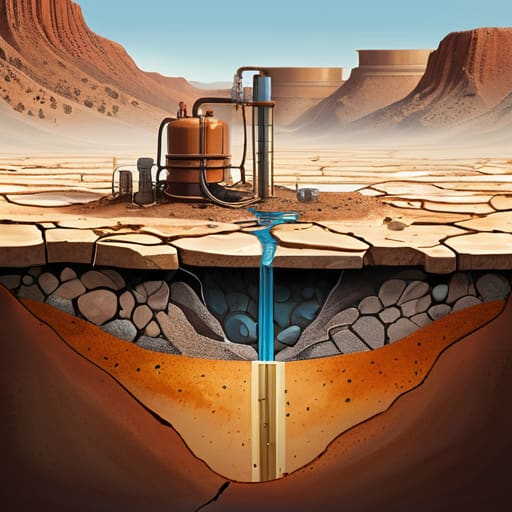
Most people think a water supply is just a tap and a tank, but if you’re pulling from a borehole, you’re actually managing a complex piece of rural water infrastructure components that most folks ignore until the pump burns out. It usually starts with your groundwater extraction methods—whether you’re drawing from a shallow well or a deep bore—and how that interacts with the specific geology under your feet. I’ve seen men spend a fortune on high-spec pumps only to realize they hadn’t accounted for the seasonal drawdown of their local water table.
It isn’t just about getting the liquid from point A to point B, though. Once you’ve pulled it up, you’re faced with the reality of what’s actually in it. You might think your spring is pristine, but without proper rural water quality monitoring, you’re essentially gambling with your livestock’s health. I’ve watched a herd go off its feed because of a sudden spike in mineral content or runoff that no one bothered to test for. You can have the most sophisticated potable water distribution systems in the county, but if the source is inconsistent or contaminated, you’re just efficiently delivering a problem.
Key Things to Know
First off, don’t go thinking a pump and a pipe is a complete system. You can have the most expensive borehole in the county, but if you haven’t looked at your groundwater extraction methods with a bit of common sense, you’ll find yourself staring at a dry trough come July. I’ve seen men invest tens of thousands into fancy setups only to realize they didn’t account for the seasonal dip in the water table. It’s not just about getting the water up; it’s about whether the source can actually sustain the herd when the rain stops for six weeks.
Then there’s the matter of what’s actually in that water. You can talk all you want about potable water distribution systems, but if your source is leaching minerals or runoff from a neighbor’s field, you’re just delivering a problem directly to the cattle. I’ve learned the hard way that rural water quality monitoring isn’t some luxury for scientists; it’s a basic necessity for anyone who wants to keep their margins from being eaten by vet bills. If the water is off, the animals will show it long before you see it in the ledger.
Practical Tips and Steps
If you’re going to set up a system, stop looking at the shiny pumps and start looking at the soil. Before you sink a penny into any groundwater extraction methods, you need to know exactly what you’re drawing from. I’ve seen lads invest in high-end solar setups only to find their yield drops to nothing the moment a dry spell hits because they didn’t bother checking the local water table. Don’t guess; get a proper survey done. It’s cheaper than a dry borehole and a dead herd.
Once the water is moving, your focus has to shift to the grit and the grime. You can have the most sophisticated rural water infrastructure components in the yard, but if your filtration is neglected, you’re just circulating sludge. I make it a point to check my line every Monday morning. It’s not about being fancy; it’s about making sure that when a cow walks up to a trough, she’s drinking something that won’t rot her gut or kill her calf. Keep your eyes on the sediment, not just the pressure gauge.
Common Mistakes to Avoid
The biggest mistake I see is people treating water like a utility you just plug into, rather than a living part of the landscape. They spend a fortune on high-end pumps and fancy rural water infrastructure components, only to ignore the fact that the ground they’re sitting on is changing. I’ve seen lads buy the most expensive borehole setup imaginable, only to find out six months later that their groundwater extraction methods weren’t suited to the specific silt levels in their soil. You aren’t just buying a pipe; you’re trying to tap into a system that doesn’t care about your budget.
Another trap is the “set it and forget it” mentality. People think once the pipes are in the ground, the job is done. But if you aren’t consistent with your rural water quality monitoring, you’re essentially gambling with your herd. I’ve watched a perfectly good trough turn into a breeding ground for bacteria because someone thought a bit of algae was “just part of nature.” It isn’t. It’s a slow leak in your cash flow that eventually shows up in the weight of your stock or the health of your calves.
Final Thoughts
At the end of the day, don’t let the shiny brochures for new borehole rigs or complex filtration setups fool you. Most of that gear is designed to make a sale, not to make your life easier when you’re standing in a muddy field at five in the morning. If you get your rural water infrastructure components wrong, you aren’t just losing a bit of convenience; you are bleeding money through broken pumps and dead livestock. I’ve spent enough years watching a dry trough turn a profitable season into a loss to know that water isn’t a luxury—it’s your most basic, unyielding overhead.
If you want to do this right, stop looking for the quickest fix and start looking at your land. Whether you are messing about with different groundwater extraction methods or trying to manage a tank system, it all comes down to what the ground can actually support. Don’t buy a system that requires a technician to visit every time a bit of silt gets into the line. Build it for the reality of your farm, not the theory in a textbook, and always keep your eye on the cash flow before you sign that cheque.
Five ways to keep your water from becoming a hole in your pocket
- Stop looking at the pump and start looking at the trough. You can have the most expensive borehole in the county, but if your troughs are leaking or fouled with silt because the float valve is rubbish, you’re essentially paying to water the weeds in the corner of the field.
- Don’t trust a single source if you can help it. I’ve seen men lose a whole set of calves because a single spring dried up in a July heatwave they thought wouldn’t happen. If your system doesn’t have a backup—be it a tank or a secondary well—you aren’t running a farm, you’re running a gamble.
- Get a proper water analysis done once a year, not when the animals start looking dull. You can’t see high magnesium or certain mineral imbalances in the water, but you’ll certainly see it in your weaning weights and your vet bills when the sickness starts.
- Check your lines after a hard frost before you even think about moving stock. There is nothing quite as expensive as a burst pipe buried too shallow, because by the time you realize the pressure has dropped, you’ve already wasted half a day of work and a lot of diesel trying to find the leak.
- If you’re installing a new system, ignore the salesman’s talk about “smart technology” and focus on the grit. If a component can’t be cleaned with a bucket of water and a stiff brush without needing a degree in engineering, it’s going to end up sitting in the shed unused by mid-August.
The Bottom Line on Water
Don’t get blinded by the spec sheet of a new pump; if you haven’t accounted for the silt in your spring or the actual rainfall on your specific acreage, you’re just buying an expensive way to pump nothing.
Treat your water infrastructure like your livestock—if you neglect the maintenance, you’ll pay for it tenfold when a dry trough during a heatwave turns a profitable season into a massive loss in animal weight and condition.
Stop looking for the “perfect” system and start looking for the one that’s easy to fix with a spanner and a bit of grit, because when a pipe bursts at 3 AM in February, a fancy digital sensor won’t do a lick of good.
The Bottom Line on Water
At the end of the day, managing your water supply isn’t about having the most expensive borehole or the fanciest sensor system in the county; it’s about reliability and understanding your source. Whether you are drawing from a spring, a well, or a tank, you have to account for the ground beneath you and the rainfall that isn’t coming. If you ignore the silt buildup in your lines or fail to check your pumps before the heat of July hits, you aren’t just risking a few dry troughs—you are bleeding your cash flow dry through lost weight gains and stressed livestock. Keep your eyes on the infrastructure, keep your records updated, and for heaven’s sake, don’t assume the water will just be there when the cows are thirsty.
I’ve spent forty years watching men lose sleep over things they could have fixed with a bit of foresight and a decent wrench. Farming is a game of margins, and water is the most fundamental margin you have. If you treat your supply like a secondary thought, the land will eventually teach you a lesson you can’t afford to learn. But if you respect the system and stay ahead of the maintenance, you’ll find that a steady supply is the quietest, most profitable partner you’ll ever have on this farm. Build it right, check it often, and let the rest of the noise fade into the background.
Frequently Asked Questions
If I'm looking at a borehole, how do I actually work out if the yield is enough to keep a suckler herd hydrated through a dry July without the pump burning out?
Don’t just take a driller’s word for it; they’re paid to find water, not to manage your cash flow. You need a pump that isn’t running at its limit every time a trough goes dry. Calculate your peak demand—that’s your herd size times a heavy summer drink—and then look at the borehole’s recovery rate. If the yield barely matches the thirst, you’ll burn that motor out by mid-July. Better to have a storage tank acting as a buffer.
When does it stop being a maintenance issue and start being a capital investment—how do I know when to patch an old system versus just biting the bullet and digging a new one?
If you’re spending more on plumber call-outs and replacement parts than the monthly depreciation on a new system, you’re not maintaining; you’re subsidising a corpse. I look at the math: if the downtime is costing you more in weight gain or milk yield than the capital outlay for a new borehole or tank, you bite the bullet. Don’t let the sunk cost of an old pipe trick you into bleeding your cash flow dry.
How much of a difference does water quality, like silt or mineral buildup, actually make to my bottom line when it comes to animal health and longevity?
It’s the difference between a profitable year and a slow bleed. I’ve seen lads ignore silt in the troughs only to watch their weaning weights drop because the calves were too busy fighting gut issues to eat. And mineral buildup? That’s not just a nuisance; it’s a way to mask a failing pump until your cattle are drinking nothing but stagnant sludge. If they aren’t drinking clean, they aren’t growing. It’s pure cash flow.
