How to reduce lamb and calf losses overall.

Counting Losses Honestly to Reduce Them

I’ve spent half my life listening to salesmen in clean wellies try to convince me that the secret to a better season lies in some high-tech nutritional supplement or a new breed of “super-lamb.” It’s enough to make you sick. They’ll talk your ear off about complex protocols, but they never mention that if your ground is a boggy mess and your ewes are running on empty, all the expensive additives in the world won’t save you. If you’re looking for a magic pill on how to reduce lamb and calf losses overall, you’re talking to the wrong man. The truth is usually much simpler, much more boring, and far more expensive to ignore than any brochure would ever admit.

I’m not here to sell you a subscription or a shiny new piece of kit that’ll be rusting in the shed by November. What I want to do is talk about the actual mechanics of the farm: the grass, the footing, and the hard numbers that show where your profit is leaking out. I’ll be sharing the lessons I learned the hard way—the ones that cost me a fair bit of sleep and even more cash—so you can focus on what actually keeps a lamb alive and a calf growing.

Table of Contents

Understanding How to Reduce Lamb and Calf Losses Overall

Understanding How to Reduce Lamb and Calf Losses Overall

Now, everyone wants a silver bullet—a new vaccine or a fancy supplement that’ll magically fix the numbers. But if you want to talk about actually improving lambing and calving success, you have to stop looking at the animals in isolation and start looking at the environment they’re born into. Most of my losses over the decades didn’t happen because of a sudden plague; they happened because the ewe was running on empty or the ground was a boggy mess that invited infection. You can have the best genetics in the county, but if your nutritional support for young livestock starts three weeks too late, or if the dam hasn’t had enough plane to carry the weight, you’re just pre-ordering a funeral.

It’s also about the boring stuff—the stuff that doesn’t look good in a glossy brochure. I’ve learned the hard way that preventative veterinary care isn’t an expense; it’s an insurance policy against the kind of gut-wrenching losses that keep you awake at 3:00 AM. You need to tighten up your routines so they become second nature. If your hygiene in the lambing shed is hit-or-miss, you aren’t managing a farm, you’re just gambling with your margins.

Key Things to Know

Key Things to Know for livestock success.

First, you have to stop looking for a magic pill in a bottle. I’ve seen enough salesmen try to peddle “miracle” supplements that do little more than make your bank balance look thinner. Real success in improving lambing and calving success isn’t about the fancy additives; it’s about the boring, repetitive stuff. It’s knowing your ewes are in condition before they even see a ram, and ensuring your bedding isn’t a sodden, freezing mess when the first calf hits the ground. If the foundation is rubbish, no amount of expensive medicine will save the season.
Secondly, don’t get blinded by the big diseases and ignore the small, daily leaks. You can follow every textbook on neonatal animal health protocols, but if you aren’t checking the colostrum intake or the quality of the footing in the pens, you’re fighting a losing battle. Lameness and poor nutrition will bleed you dry long before a major outbreak does. It comes down to being in the field, seeing the animal, and knowing when something is just slightly off. If you wait for a vet to tell you there’s a problem, you’ve already lost the money.
Practical Tips and Steps

Practical Tips and Steps for farm biosecurity.

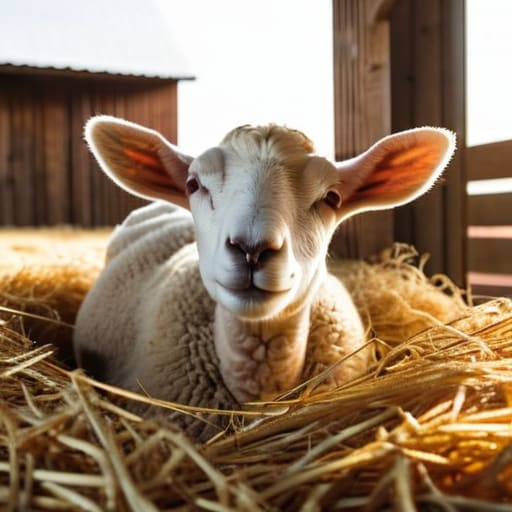
First, stop looking for a magic pill in a bottle and start looking at your bedding. I’ve seen men spend a fortune on high-end supplements while their lambs are shivering on damp, cold straw in a drafty shed. If the ground is soaked and the wind is cutting through the perimeter, no amount of fancy feeding will save them. You need to get your biosecurity measures for farms right before the first ewe even moves toward the lambing pen; that means cleaning out the old muck and ensuring you aren’t just moving pathogens from one pen to the next.

Second, watch the clock and the colostrum. I don’t care what the brochure says about “optimal windows”—if a calf is lagging, you need to be on it immediately. Implementing strict neonatal animal health protocols isn’t about following a checklist for the sake of it; it’s about knowing that the first six hours determine whether that animal becomes a profit or a loss. Don’t wait for a vet to tell you a calf is weak; by then, you’re already paying for the medicine instead of the meat.

Common Mistakes to Avoid

The biggest mistake I see is the tendency to chase the “big” things—the rare diseases or the sudden outbreaks—while ignoring the quiet, steady leaks in the bucket. People spend a fortune on fancy vaccines but forget that a lamb shivering in a wet, muddy corner is already halfway to the grave. You can have the most rigorous neonatal animal health protocols on paper, but if your ground is a bog and your ewes are running on empty, those protocols won’t mean a thing. It’s not just about what you do; it’s about the environment you’re forcing them to live in.

Another trap is the “buy your way out of it” mentality. I’ve seen too many young lads invest in the latest tech or expensive supplements thinking it’s a shortcut to improving lambing and calving success. They buy the kit, but they don’t change the way they walk the fields. If you aren’t checking the feet and the forage quality every single morning, you’re just buying expensive distractions from the actual work. You cannot automate the eye of a farmer who knows his stock.

Final Thoughts

At the end of the day, you can read every manual on livestock management best practices until your eyes bleed, but none of it matters if you aren’t out there in the mud when it counts. I’ve seen plenty of men try to manage their way out of a bad season using spreadsheets and fancy software, only to realize they missed the subtle limp in a heifer or the way a lamb was huddling against a cold wind. You can’t manage what you don’t observe, and you certainly can’t fix what you didn’t notice until it was already a carcass in the field.

Don’t get caught up in the pursuit of perfection; just aim for consistency. If you get your nutritional support for young livestock right and you keep a sharp eye on the ground beneath their feet, you’re already ahead of half the people I know. It isn’t about the big, expensive breakthroughs; it’s about the small, boring things done right, every single time. If you can master the basics, you’ll find that improving lambing and calving success isn’t some mystery—it’s just the result of not letting the small leaks sink the ship.

Five things that actually matter when the numbers start dropping

  • Stop looking at the pedigree and start looking at the weather; you can have the finest genetics in the county, but if your calving or lambing ground is a boggy mess, you’re just inviting pneumonia and scours before the sun is up.
  • Watch the feet, not just the fever; a calf that’s slightly lame because of poor footing or a bad pen layout will stop eating long before it shows a temperature, and by then, you’ve already lost the profit margin.
  • Don’t buy the shiny new tech until you’ve checked your margins; I’ve seen men spend five figures on automated monitoring systems while they’re still letting cheap, low-quality forage rot in the shed, and that’s a math error that’ll sink you.
  • Learn to read the grass like it’s a bank statement; if you’re pushing too many mouths onto ground that isn’t ready, you aren’t just risking malnutrition, you’re trading your long-term soil health for a short-term survival gamble.
  • Keep your records on the animals, not the equipment; I’d rather have a notebook full of weaning weights and mothering percentages than a shed full of kit that hasn’t seen a drop of oil since the last subsidy change.

The Bottom Line

Stop chasing rare diseases and start looking at the basics: if your grass is poor and your ground is a bog, you’ve already lost half your margin before the season even starts.

Every lamb or calf that doesn’t make it to weaning isn’t just a dead animal; it’s a year’s worth of feed, effort, and potential profit walking straight out of your gate.

Don’t buy into the fancy kit or the expensive supplements until you’ve sorted your footing and your records; most of what they’re selling you is just a way to mask poor management.

The Bottom Line

At the end of the day, reducing losses isn’t about chasing the latest shiny gadget or some fancy new supplement that promises the moon. It comes down to the basics: watching your grass levels, keeping an eye on the weather, and actually getting out into the field when it’s cold and miserable to see what’s really happening. If you aren’t monitoring your nutrition, checking your footing, and staying ahead of the inevitable spring damp, you aren’t managing a herd—you’re just hoping for the best. And as I’ve learned the hard way, hope is a very expensive way to run a business. You have to focus on the grass, the feet, and the cash flow if you want to see any real improvement in your numbers.

Farming is a hard game, and it’s easy to feel like you’re constantly fighting against the elements or the market. But remember, every lamb that makes it to weaning and every calf that hits its target weight is a victory for your margins. Don’t get discouraged by a bad season or a few mistakes; just make sure you aren’t making the same expensive mistake twice. Take the lessons from the losses, keep your records straight, and keep your eyes on the ground. If you can master the fundamentals, the rest of the noise tends to settle down.

Frequently Asked Questions

How much of a dent can I actually make in my bottom line by fixing my ground conditions versus just buying better feed?

You can buy all the concentrate in the county, but if your ground is a bog, you’re just subsidising the mud. Better feed might nudge a growth rate, but poor footing will kill a calf or break a ewe’s spirit before she even hits the scales. I’ve seen more money lost to lameness and poor drainage than to mediocre forage. Fix the ground first; otherwise, you’re just pouring expensive pellets into a hole in the dirt.

At what point does the cost of a new piece of handling equipment actually pay for itself in reduced animal stress and fewer injuries?

It pays for itself the first time a broken limb or a crushed calf doesn’t cost you a yearling. You can run the math on the kit, but you need to run it on the vet bills and the lost weaning weight instead. If a better crush means you aren’t fighting a panicked heifer for twenty minutes, it’s already earned its keep. If it sits in the shed because it’s too fiddly to use, it’s just expensive scrap metal.

When the weather turns and the grass is poor, how do I decide which animals are worth the extra expense to keep and which ones are just draining my cash flow?

You don’t look at the animal; you look at the data behind it. I don’t care how pretty a ewe is if her weaning percentage has been sliding since 2019. If she’s struggling to hold condition on poor grass and she isn’t producing a high-quality lamb, she’s just a walking expense. Check your records. If the numbers don’t justify the extra feed or the extra effort, she’s gone to the auction. Don’t get sentimental; sentiment doesn’t pay the bills.

How to prepare for a disease outbreak.

Having a Plan Before the Restrictions Land

I’ve sat through enough seminars in drafty village halls to know that most people talking about how to prepare for a disease outbreak are just trying to sell you a shiny new piece of kit or a subscription to a digital tracking service you’ll never use. They’ll talk to you about high-tech biosecurity software and expensive, proprietary disinfectants that cost more than a decent heifer, but they never mention the reality of the mud. I remember back in the foot-and-mouth years, it wasn’t a fancy app that saved my margins; it was the simple, bone-deep discipline of making sure the vet’s boots didn’t touch the same ground as my breeding ewes.

I’m not here to give you a lecture on theoretical risks or a shopping list of things you don’t need. What I’m going to do is walk you through the practical, unglamorous side of keeping your herd safe and, more importantly, keeping your cash flow intact. We’ll talk about the actual gates, the boots, and the daily habits that matter, focusing on the mistakes I’ve made so you don’t have to pay for them.

Table of Contents

How to Prepare for a Disease Outbreak Without Losing Your Shirt

How to Prepare for a Disease Outbreak Without Losing Your Shirt

Most people think being prepared means having a fancy laminated folder of government procedures sitting on the kitchen table. It doesn’t. If you want to avoid a total collapse when the inspectors show up or the vet starts calling, you need to look at your gates and your boots first. Real infectious disease mitigation strategies aren’t found in a brochure; they are found in how you manage your movement. If you haven’t got a clear system for who enters your yard and where they walk, you’re already behind. I spent years thinking I could outrun a bad run of luck, but you can’t outrun a virus that walked in on a visitor’s muddy tread.

Don’t go out and buy a mountain of expensive gadgets that’ll just collect dust in the shed. Instead, focus on the basics of your emergency preparedness kit essentials—things like dedicated disinfectant, clean fencing, and a way to isolate a sick animal without walking the whole herd through the muck to do it. It’s about protecting the cash flow. If you can’t isolate a problem quickly, you aren’t just losing an animal; you’re losing the entire year’s margin.

Why Infectious Disease Mitigation Strategies Fail When Cash Runs Dry

Why Infectious Disease Mitigation Strategies Fail When Cash Runs Dry

The trouble with most infectious disease mitigation strategies is that they assume you’ve got a surplus of everything—time, energy, and most importantly, money. When the prices are high and the weather is kind, everyone wants to talk about high-spec fencing and fancy disinfectant sprayers. But when a bad season hits and your cash flow starts to look like a drying stream, those “essential” biosecurity measures are usually the first thing to get neglected. You start cutting corners on the small things, like cleaning the boots properly or checking the perimeter, because you’re too busy trying to figure out how to pay the fuel bill.

That’s when you’re most vulnerable. A farmer running on empty doesn’t have the luxury of a formal pandemic readiness checklist sitting on the dashboard; they are too busy reacting to the immediate crisis. Once you stop investing in the basics, you aren’t just saving pennies; you are inviting a catastrophe that no amount of paperwork can fix. If you can’t afford to maintain your standards when things are lean, then your entire system is built on sand.

The Emergency Preparedness Kit Essentials Most Farmers Forget to Buy

The Emergency Preparedness Kit Essentials Most Farmers Forget to Buy.

Most of you will head to the co-op and buy a stack of disinfectant sprays and some fancy boots, thinking you’ve ticked the box. That’s fine, but it won’t help you when the supply lines snap. I’ve seen it happen: a local crisis hits, and suddenly the very things you need to maintain your infectious disease mitigation strategies are stuck on a lorry halfway across the country. If your emergency preparedness kit essentials don’t include a three-month buffer of the basics—the stuff you use every single day, from specific footbath additives to even the simplest cleaning agents—you aren’t prepared; you’re just hoping for the best.

And don’t get me started on the logistics of the farm itself. People focus on the animals, but they forget the humans running the show. If your crew is sick or if you’re forced into isolation, how are you managing the day-to-day? I keep a dedicated stock of non-perishable essentials and extra PPE tucked away, not because I’m paranoid, but because I know that managing supply chain disruptions is just as much about having what’s in the shed as it is about what’s in the shop.

Managing Supply Chain Disruptions Before the Gates Actually Close

When the news starts getting heavy and the government begins talking about restrictions, most folk look at their fences. I look at my fuel tank and my feed store. You can have the best infectious disease mitigation strategies in the world, but they won’t mean a thing if the lorry carrying your mineral lick is stuck in a depot three counties away because of a sudden lockdown. I’ve learned the hard way that reliance on ‘just-in-time’ delivery is a luxury a suckler man can’t afford when things go sideways.

Don’t wait for the panic to start before you look at your stores. Managing supply chain disruptions isn’t about hoarding useless gadgets; it’s about having enough bulk feed and veterinary supplies to see you through a fortnight of total isolation. I keep a mental tally of what I need to keep the herd moving when the roads get quiet. If you haven’t looked at your emergency preparedness kit essentials—specifically the stuff that keeps the animals eating and the tractors moving—you aren’t actually prepared; you’re just hoping for the best. And hope is a poor substitute for a full grain bin.

Tightening Biosecurity Measures for Households and the Hungry Herd

Most people think biosecurity starts at the farm gate, but that’s where the real trouble usually begins. You can have the best fences in the county, but if your youngest lad comes home from school with mud on his boots or a stray dog follows him into the yard, you’ve already invited the problem in. I’ve seen more mistakes made by a careless visitor or a family member walking through a clean pen than by any professional vet. You need to treat your house and your yard as two separate worlds. If you aren’t treating biosecurity measures for households with the same seriousness as you treat your calving pens, you’re just leaving the door unlocked for a disaster.

It isn’t about being paranoid; it’s about being practical. I keep a dedicated set of boots and a heavy-duty apron by the back door—stuff that never, ever crosses the threshold into the kitchen. When things go sideways, the government’s public health response protocols will eventually catch up with you, but by then, the damage to your herd’s value is already done. You need to manage the people moving between your kitchen table and your cattle pens as strictly as you manage your feed deliveries.

Five things that actually matter when the vet is on the phone

  • Know your numbers before the crisis hits. You can’t make a decision on whether to cull or quarantine if you don’t know exactly what your replacement cost is or how many days of feed you’ve got sitting in the barn. If you’re guessing at your margins during an outbreak, you’ve already lost.
  • Stop treating biosecurity like a suggestion. It isn’t about a fancy sign on the gate; it’s about making sure the lad coming in to fix the tractor hasn’t been standing in a muddy field three farms over ten minutes before. If your boots aren’t clean, your protocols aren’t worth the paper they’re printed on.
  • Get your records out of the cloud and into something you can actually use when the power’s out or the signal’s gone. I don’t care how many apps you’ve paid for; if you can’t tell me which ewe came from which field and her vaccination history in thirty seconds, you’re flying blind.
  • Sort your isolation pens now, not when the first animal starts looking off. You need a space that’s far enough from the main herd to mean something, but close enough that you aren’t walking through the whole farm to check on them. If you’re scrambling to fence off a corner in a gale, you’ve waited too long.
  • Build a relationship with your vet when things are quiet. Don’t be the person who only calls when the panic sets in. You need to know their temperament and their availability before the gates are locked down, otherwise, you’ll find yourself shouting into a voicemail while your cash flow walks out the door.

The bottom line on staying standing

Don’t go chasing the fancy, expensive new tech; if your biosecurity doesn’t start with clean boots and locked gates, you’re just wasting money you’ll need when the prices drop.

Treat your contingency fund like your most valuable breeding line—you don’t touch it for the good years, you keep it tucked away specifically so a single outbreak doesn’t turn your farm into a liability.

Real preparedness isn’t a checklist in a binder; it’s knowing exactly where your feed is coming from and having a plan for your cash flow the moment the gates get shut.

The Bottom Line

At the end of the day, preparing for an outbreak isn’t about having the fanciest disinfectant or a shiny new biosecurity manual sitting on the dashboard of your quad. It’s about the unglamorous, daily discipline of protecting your margins. We’ve talked about everything from the actual cost of a single infected cow to the supply chains that’ll freeze the moment the news hits the wireless. If you haven’t tightened your gates, checked your boots, and ensured your cash flow can withstand a sudden standstill, then you aren’t prepared—you’re just hoping for the best. And in this business, hope is a very expensive way to run a farm. You have to manage the grass, the feet, and the cash before the crisis forces your hand.

I’ve seen plenty of men lose more than just livestock; I’ve seen them lose the will to get back in the saddle because they were caught flat-footed by a disaster they could have seen coming. This work is hard enough without letting avoidable mistakes strip you of your livelihood. Don’t view these measures as extra chores or unnecessary expenses; view them as the insurance policy that keeps your family on this land for another generation. It won’t be easy, and it won’t be glamorous, but building a resilient farm is about surviving the bad years so you’re still standing when the good ones finally arrive.

Frequently Asked Questions

If I've already invested in the big-name vaccines, am I actually covered, or am I just paying for a false sense of security?

Vaccines are a tool, not a shield. If you think a needle in a cow’s hip means you can leave the gate unlatched or let a neighbor’s stray sheep wander into the yard, you’re buying a very expensive piece of fiction. You’re paying for a reduced risk, not an insurance policy against stupidity. A vaccine won’t stop a virus that walks in through your lack of discipline. Don’t mistake a pharmacy bill for actual security.

How do I balance the cost of strict biosecurity with the fact that my margins are already paper-thin this season?

You don’t balance it; you prioritize. If you’re spread thin, stop trying to buy every fancy disinfectant and high-tech sensor on the market. Focus on the basics that don’t cost a penny: keep your visitors away from the pens, watch who’s walking through your gates, and make sure your boots are actually being cleaned. Biosecurity isn’t a luxury item; it’s just common sense applied to your gate and your cash flow.

When a vet finally shows up during a crisis, how do I know if they're giving me a solution or just another expensive piece of kit I don't need?

If a vet walks in and starts talking about a new piece of diagnostic machinery or a proprietary supplement before they’ve even looked at the condition of your ground or the state of your feed, keep your hand on your wallet. A real solution focuses on the animal in front of you and the immediate fix to stop the bleeding. If they can’t explain how it saves you more in lost stock than it costs in fees, they’re selling, not treating.

How notifiable diseases are handled after reporting.

What Happens After You Report a Suspicion

I remember sitting in the cab of the tractor back in ’01, watching the dust settle and feeling that cold, hollow knot in my gut when the first signs showed up. Most of the glossy brochures and government pamphlets will try to tell you that how notifiable diseases are handled is all about following a neat, tidy checklist of bureaucratic steps and paperwork. They make it sound like a clinical exercise in filing forms. But they don’t tell you about the sheer panic of seeing a vet’s van pull up the track, or the way your stomach drops when you realize a single sick animal could mean a total cull and a frozen bank account.

I’m not here to recite the official handbook to you; you can find that on a government website if you’ve got the patience for it. What I want to do is walk you through the reality of what happens when the inspectors actually arrive and how you keep your head when the pressure is on. I’ll tell you exactly what the process looks like on the ground, where the hidden costs actually lie, and how to manage the fallout so you aren’t left staring at an empty farm and a mountain of debt.

Table of Contents

Understanding How Notifiable Diseases Are Handled

Understanding How Notifiable Diseases Are Handled.

Now, when the government talks about mandatory disease reporting requirements, they make it sound like a bit of paperwork you tick off between tea and lunch. It isn’t. The moment you spot something that doesn’t sit right—a sudden drop in condition or a cluster of symptoms that look too much like the real thing—the clock starts ticking. You aren’t just filling out a form; you are triggering a chain of events that brings the inspectors, the vets, and a lot of very serious people onto your land.

Once that call is made, they move straight into their epidemiological investigation procedures. This is where it gets intrusive. They’ll want to see your movement books, your pens, and likely every scrap of paper you’ve kept on your stock. They aren’t just looking at the sick animal; they are looking at the entire system to see how far the rot has spread. It’s a clinical, methodical process designed to map out the spread, and while it feels like they’re poking around in your business, their goal is to stop one bad animal from turning your whole year into a write-off.

Key Things to Know

Key Things to Know: disease reporting requirements.

First, you need to understand that these aren’t just bureaucratic hoops to jump through; they are part of the mandatory disease reporting requirements that keep the whole industry from collapsing. When a vet calls it, the clock starts ticking. It isn’t just about a bit of paperwork on your kitchen table; it’s about the fact that once that word is out, the authorities move in with a level of scrutiny that can make your skin crawl. They aren’t there to help you sort your gates; they are there to trigger epidemiological investigation procedures to see exactly how far the rot has spread.

Second, don’t mistake their arrival for a helpful advisory service. They are implementing outbreak management protocols designed to protect the wider food chain, often at the direct expense of your immediate peace of mind. While they’re busy running their public health surveillance systems to satisfy the folks in the city, you’re the one left staring at a closed gate and a mounting pile of bills. You have to realize that their priority is containment, not your bottom line, and if you don’t learn to work within their rules quickly, you’ll be the one paying the price.

Practical Tips and Steps

Practical Tips and Steps for record keeping.

First thing you do is get your paperwork in order before the chaos starts. I don’t mean your tax returns, though those are a headache in their own right; I mean your movement records and identification tags. When the inspectors arrive to begin their epidemiological investigation procedures, the last thing you want is to be fumbling through a muddy notebook trying to remember which heifer went to which neighbor three weeks ago. If your records are a mess, they won’t just be looking at the sick animal; they’ll be looking at your entire operation, and that’s when the real stress begins.

Second, you need to have a plan for isolation that doesn’t involve just throwing a gate shut and hoping for the best. Effective infectious disease containment strategies aren’t about fancy technology; they are about keeping the healthy stock far away from the suspected ones and making sure your boots and gear don’t become a walking vector. If you wait until the vet is on the phone to figure out where to move the rest of the herd, you’ve already lost the battle. You have to act on instinct and preparation, not on panic once the officials are standing in your yard.
Common Mistakes to Avoid

The biggest mistake I see is the hesitation—that split second where you think, “Maybe it’s just a bad run of luck,” or “I’ll check the temperature again in the morning.” By the time you decide it’s a problem, the inspector is already in the yard and your neighbors are looking at you sideways. You have to respect the mandatory disease reporting requirements not because you love paperwork, but because silence is the most expensive thing on this farm. If you try to play doctor yourself to save face, you aren’t just risking a fine; you’re risking the entire local area’s ability to trade.

Another blunder is thinking you can manage an outbreak with a bit of quick thinking and some disinfectant. People underestimate the scale of the epidemiological investigation procedures that follow a report. If you haven’t kept your movement logs tight and your gates secure, you’ll find yourself caught in a web of questions you can’t answer. Don’t treat a potential outbreak like a minor nuisance; treat it like a fire in the hay shed. If you aren’t proactive, you’re just waiting to lose your margin.

Final Thoughts

At the end of the day, you can read all the manuals you like, but a disease outbreak doesn’t care about your schedule or your calving intentions. It only cares about how fast you move. I’ve seen enough to know that the bureaucracy—the mandatory disease reporting requirements and the endless paperwork—is a bitter pill to swallow when you’re already staring at a sick animal. But you have to view it as a necessary evil. If you try to play hero and hide a symptom to save a sale, you aren’t just risking your own livelihood; you’re risking the entire valley.

Don’t get bogged down in the technicalities of epidemiological investigation procedures while the fire is burning. Your job isn’t to be a scientist; your job is to be the first line of defense. Follow the rules, get the vet on the phone, and keep your head. If you manage the situation with a bit of honesty and a lot of speed, you might still come out the other side with your farm intact. If not, you’ll be learning the hard way that the cost of silence is always higher than the cost of a report.

Five things that actually matter when the inspectors are at the gate

  • Don’t play the hero with a sick animal. If you see something that doesn’t look right—a cough that won’t quit or a sudden drop in condition—call the vet immediately. Trying to “wait and see” if it clears up on its own is the fastest way to turn a single animal problem into a farm-wide catastrophe that’ll have the whole district under lockdown.
  • Keep your paperwork tighter than your fences. When the authorities come knocking, they aren’t interested in your intentions; they want the paper trail. If your movement records or medicine logs are a mess, they’ll treat you like a suspect rather than a producer, and that makes every inspection twice as long and ten times as expensive.
  • Know your boundaries and your neighbors. Notifiable disease doesn’t respect a fence line. If you’ve got a movement coming in or an animal showing symptoms, make sure you know exactly who is next door and what their biosecurity looks like. A lapse in your yard is a direct threat to theirs, and a legal battle with a neighbor over a lost herd is a debt you’ll never quite clear.
  • Stop treating biosecurity like a suggestion. It’s easy to get lazy with boot baths or shared equipment when the sun is out and the work is piling up, but that’s exactly when the pathogens move. If you wouldn’t walk into a clean calving shed with boots covered in muck from the bottom field, don’t do it. It’s a small habit that saves a massive amount of grief.
  • Watch the cash flow, not just the cattle. A notifiable disease outbreak isn’t just a veterinary issue; it’s a financial one. You need to know exactly what your contingency looks like for a sudden cull or a movement ban. If your entire year’s profit is tied up in a single herd that could be quarantined tomorrow, you aren’t farming; you’re gambling.

The bottom line

Don’t treat a report like a paperwork exercise; treat it like a fire drill. If you spot something off and try to “wait and see” if it clears up, you aren’t being cautious, you’re gambling with the entire farm’s ability to move stock.

The inspectors aren’t your enemy, but your lack of records is. Having your movements and treatments written down clearly doesn’t just satisfy the law; it keeps the chaos to a minimum so you can get back to the actual work.

Remember that a disease outbreak is a cash flow crisis disguised as a biological one. The cost isn’t just the vet bill or the dead animal—it’s the months of closed gates and the market prices you can’t touch while you’re under lockdown.

The Bottom Line

At the end of the day, managing notifiable diseases isn’t about ticking boxes for a government inspector or memorizing a handbook; it’s about protecting the integrity of your entire operation. You can have the best genetics in the county and the finest grass underfoot, but one misstep in reporting or a moment of hesitation when a symptom appears can wipe out years of hard work. It comes down to the basics we’ve discussed: knowing your stock, keeping your records tight, and having the backbone to call the vet the second something feels off. If you treat the protocol like a burden rather than a shield, you’re essentially leaving your gate unlocked in a storm.

Farming is a game of margins, and while the bureaucracy of disease control feels like a headache, it is the only thing standing between a manageable setback and a total wipeout. I’ve seen good farms stumble because they tried to be too clever or too quiet when things went wrong. Don’t be that person. Focus on your animal health, watch your cash flow, and remember that transparency is cheaper than a quarantine. You can build a legacy that lasts generations, but you have to be willing to play by the rules of the land, even when the rules feel like they were written by someone who’s never stepped in a muck heap.

Frequently Asked Questions

If I report a suspected case and it turns out to be nothing, am I going to be stuck with a massive bill for the inspectors and the loss of my movement licenses?

Look, I’ve sat in that same spot, heart in my mouth, wondering if I’ve just signed my own death warrant. Here’s the truth: if you report a suspicion and it turns out to be nothing, you aren’t footing the bill for the inspector’s petrol or their time. The government eats that cost. As for your movement licenses, if there’s no disease, there’s no reason to hold them. Better a temporary headache than a permanent catastrophe.

Once the vet makes the call, how long does it actually take for the whole farm to be locked down, and how do I feed the rest of the herd if I can't move anything in or out?

The clock starts ticking the second the vet picks up the phone. You’re looking at a lockdown within hours, not days. Once the inspectors arrive, that gate stays shut. As for feed, if you haven’t got a decent buffer of silage or hay in the barn, you’re in trouble. You can’t just call a merchant and have a lorry roll in. You have to plan your winter stores around the reality that you might be stuck with what’s already in the shed.

What happens to the compensation money—is it enough to actually cover the loss of the animal and the hit to my cash flow, or is it just a drop in the bucket?

Let’s be blunt: compensation is rarely a windfall. It’s meant to cover the market value of the animal, but it rarely accounts for the hole it leaves in your cash flow. It won’t replace the calf crop you lost or the months of labor you spent trying to fix a problem that wasn’t yours. It pays for the carcass, not the catastrophe. If you’re counting on that check to keep the lights on, you’re already in trouble.

How biosecurity protects a farm from threats.

Biosecurity That Does Not Depend on Goodwill

I’ve spent half my life listening to consultants in clean shirts explain how biosecurity protects a farm using glossy brochures and words like “mitigation” and “synergy.” It’s enough to make you want to walk straight into a hedge. They’ll try to sell you a digital tracking system that costs more than a decent heifer, when the truth is far more basic. Most of the time, biosecurity isn’t about high-tech sensors; it’s about the fact that a single contractor driving a tractor from a neighbor’s muddy field into yours without a proper wash-down can wipe out your entire year’s margin before the sun goes down.

I’m not here to sell you a subscription or a fancy new piece of kit that’ll end up gathering dust in the shed come November. What I want to do is talk about the real-world mechanics of keeping your stock safe and your bank balance intact. I’ll be looking at the practical, often boring, habits that actually stop a disease from moving through your herd, and more importantly, I’ll tell you which “essential” security measures are nothing more than expensive distractions from the basics of grass, feet, and cash flow.

Table of Contents

Understanding How Biosecurity Protects a Farm

Understanding How Biosecurity Protects a Farm.

Most people hear the word ‘biosecurity’ and think of some high-tech laboratory or a checklist from a government inspector. In reality, it’s just common sense applied to your gate. It’s about understanding that every time a stranger drives a tractor through your yard or a new set of rams arrives on a trailer, they are bringing more than just livestock; they are bringing a potential debt you didn’t sign for. Effective preventing pathogen transmission in livestock isn’t about fancy equipment; it’s about knowing who is coming onto your land and what they’ve been touching elsewhere.

If you treat your farm like an open door, don’t be surprised when the results show up in your bank balance. I’ve seen men lose a whole year’s profit because they thought a quick spray-down of a boot wasn’t worth the effort. Real livestock health management strategies aren’t written in some glossy brochure; they are found in the discipline of keeping your clean and dirty zones separate. It’s the boring, repetitive work—the footbaths, the quarantine pens, the controlled movement—that actually keeps the lights on when the next local outbreak hits.

Key Things to Know

Key Things to Know: Farm Sanitation Protocols

First off, forget the fancy brochures. Real biosecurity isn’t about a checklist you tick off once a year to satisfy an inspector; it’s about the daily, unglamorous habit of preventing pathogen transmission in livestock before it hits your main herd. I’ve seen men spend a fortune on high-end vaccines only to let a contractor with mud on his boots walk straight into the calving pens. You can have the best genetics in the county, but if you haven’t mastered your farm sanitation protocols, you’re essentially just running a high-stakes lottery with your livelihood.

It also comes down to the boundaries. I’ve always reckoned that biosecurity perimeter management is where most people get lazy. It’s not just about a fence; it’s about knowing exactly who is crossing that line and what they’re bringing with them. If you aren’t watching the movement of stock and the gear coming in from the mart, you aren’t managing a farm—you’re just waiting for a disaster to happen. It’s about protecting the cash flow by keeping the sickness out of the field in the first place.

Practical Tips and Steps

Practical Tips and Steps for biosecurity management.

Now, I’m not interested in reading a manual written by a consultant who’s never had mud on his boots. If you want to actually manage your risk, you start with the gates. You need a clear line where the public road ends and your livelihood begins. I’ve always found that biosecurity perimeter management is mostly about discipline; it’s about making sure that every contractor, vet, or neighbor who wanders in isn’t bringing a hitchhiker on their tires or their wellies. If you haven’t got a dedicated dip or a footbath that’s actually being cleaned—not just topped up with dirty water—you’re just performing for yourself.

Once you’ve sorted the boundaries, look at your movement. It’s easy to get caught up in the high-level talk of preventing pathogen transmission in livestock, but in reality, it’s about the small, boring habits. It’s about quarantining new arrivals for three weeks, even when the market is screaming at you to get them in the field. It’s about keeping your handling facilities clean enough that you aren’t scrubbing old filth into a fresh wound. If you can’t control the small things, you’ll never control the big ones.

Common Mistakes to Avoid

The biggest mistake I see is treating biosecurity like a checklist you tick off once a year for an inspector, rather than a daily habit. People get obsessed with the big, headline-grabbing diseases, but they forget that a single contractor bringing a muddy boot from a neighbor’s yard is often the real threat. You can have the most expensive vaccines in the world, but if your farm sanitation protocols are nothing more than a half-hearted spray of the gates, you’re essentially leaving the back door wide open.

Another one that’ll bleed you dry is neglecting your biosecurity perimeter management. I’ve seen lads spend a fortune on high-spec feeders only to let stray dogs or unmanaged wildlife wander right through the stockyards. It’s not just about the animals you own; it’s about everything that moves around them. If you aren’t watching the preventative agricultural measures that happen at the boundary of your fields, you aren’t managing a farm—you’re just hosting a party for every pathogen in the county. Keep your eyes on the gates, not just the ledger.

Final Thoughts

At the end of the day, you can buy the most expensive vaccines on the market and still find yourself staring at a field of empty pens because you let a contractor walk through your yard without checking his boots. People tend to treat biosecurity like a checklist for a government inspector, but it isn’t about paperwork; it’s about protecting your margins. Every time you skip a step in your farm sanitation protocols, you aren’t just risking a sick animal—you’re gambling with the cash flow that keeps the lights on through the winter.

I’ve seen enough seasons to know that preventative agricultural measures rarely make for exciting conversation at the mart, but they are the only thing standing between a steady year and a total write-off. Don’t get distracted by the headlines or the latest “miracle” supplement. Stick to the basics: watch your gates, watch your visitors, and keep a sharp eye on the ground. If you focus on the fundamentals of livestock health management strategies now, you won’t be left trying to outrun a disaster when the weather turns and the prices drop.

Five ways to keep the gates shut and the money in

  • Watch the boots, not just the animals. You can have the best fences in the county, but if a contractor comes in to fix a gate and walks straight from a wet field into your calving pens without changing his footwear, he might as well have brought the disease in a bucket.
  • Control your movement like you control your cash flow. Every time a new animal or a piece of shared machinery enters the yard, it’s a gamble. If you can’t isolate it for ten days in a corner of the farm where it won’t touch the main herd, you’re just playing Russian roulette with your margins.
  • Stop treating biosecurity like a luxury for when you have time. It’s a chore, like mending fences or checking the water, but you don’t do it when it’s convenient; you do it because a single outbreak will cost you more in lost stock and empty pens than a lifetime of cleaning boots ever will.
  • Don’t trust a shiny new piece of kit just because the salesman says it’s “sanitary.” If that trailer was sitting in a field used by three other farms last week, it’s a Trojan horse. Scrub it, disinfect it, and treat it like a stranger until you know better.
  • Keep your records tighter than your belt in a bad year. You need to know exactly who was in which field and when. When something goes wrong—and eventually, it will—you don’t want to be guessing where the leak started; you want to be able to trace it before the whole system goes down.

The bottom line on keeping it tight

Biosecurity isn’t about ticking boxes for a government inspector; it’s about protecting the cash flow you’ve spent all year building from being wiped out by a single careless contractor.

Focus on the small, daily realities—like clean boots and controlled movement—rather than getting lost in the big, scary headlines that don’t actually affect your gate.

If a new protocol costs more in time and headache than the actual risk of disease on your specific ground, you’ve probably bought yourself a lesson instead of a solution.

The Bottom Line on Biosecurity

At the end of the day, biosecurity isn’t about ticking boxes for a government inspector or buying a fancy new disinfectant that smells like a chemist’s shop. It’s about the simple, unglamorous work of controlling who and what comes through your gate. Whether it’s keeping the contractor’s boots clean, quarantining that new set of heifers, or making sure your neighbor isn’t inadvertently bringing a problem onto your land, it all comes down to one thing: protecting your cash flow. You can have the best genetics in the county and the most expensive feed on the market, but if you let a single pathogen slip through the cracks, you aren’t just losing animals—you’re burning through your margins faster than you can replace them.

I’ve seen enough seasons to know that the most expensive mistakes aren’t the ones you see coming on the news; they’re the ones that walk in quietly on the back of a trailer or a muddy boot. Don’t let the paperwork distract you from the actual practice of watching your stock and your boundaries. Farming is a game of managing risks that you can’t always control, but you can certainly control the discipline you bring to the yard every single morning. Build your defenses now, while things are quiet, so that when the pressure is on, your foundation is solid enough to weather whatever comes knocking at the gate.

Frequently Asked Questions

How much is this actually going to cost me in terms of time and labour when the cattle are coming in?

It’ll cost you more than you think, and I don’t mean the price of the disinfectant. You’re looking at an extra two hours a day, minimum, during the intake. It’s the constant sorting, the extra eyes on the pens, and the time spent cleaning boots and equipment that you’d rather be using to fix a fence. If you don’t budget that labour now, you’ll find yourself cutting corners when you’re tired, and that’s when the mistakes happen.

At what point does the cost of all these new protocols start eating into the margin of the calf crop?

It starts eating your margin the moment you’re buying kit or spending hours on paperwork that doesn’t actually stop a pathogen from entering the yard. If you’re spending more on fancy disinfectants and specialized fencing than you are saving in prevented vet bills or calf mortality, you’ve gone too far. Biosecurity should be a shield for your cash flow, not a drain on it. If the protocol doesn’t protect the animal or the bottom line, it’s just expensive theatre.

If I'm using contractors for hay or silage, how do I actually enforce these rules without making the job impossible for them?

You don’t “enforce” rules with a clipboard; you manage them with a conversation before the tractor even hits the gate. I tell my contractors straight: “I’ve got a clean farm, and I need you to keep it that way.” It’s not about being a nuisance; it’s about the fact that one dirty trailer can cost me more in lost weight and vet bills than their entire season’s fee. Just ask.

Learning how to care for horses on a farm.

Horses Are Not Livestock and Do Not Graze Like Them

I’ve spent forty years watching people throw money at problems that don’t exist, usually because some lad in a shiny tractor drove past with a brochure for a “revolutionary” supplement. If you think learning how to care for horses on a farm is about finding the right brand of vitamin-enriched grain or buying the latest gadget from a catalogue, you’ve already lost the plot. Most of that expensive kit ends up sitting in the corner of the shed, gathering dust and mocking your bank balance. The truth is, if you aren’t looking at the quality of your soil and the state of your drainage first, you aren’t managing animals; you’re just subsidizing a vet’s new holiday home.

I’m not here to sell you a dream or a subscription service. I’m going to tell you what actually keeps a horse standing on its own four feet when the weather turns foul and the margins get thin. We’ll talk about the real cost of pasture management, why a solid footing matters more than any fancy feed, and how to stop the small, daily leaks in your cash flow before they sink you. This is about the practical, unglamorous reality of keeping livestock healthy without going broke in the process.

Table of Contents

Understanding How to Care for Horses on a Farm

Understanding How to Care for Horses on a Farm.

Now, if you’re planning to keep horses alongside the livestock, you have to understand that they aren’t just “big sheep” with higher egos. They require a different kind of attention, especially when it comes to pasture management for horses. You can’t just turn them out on the same ground where the cattle have been grazing for six months and expect them to thrive. The parasite load alone will have your vet bills climbing faster than the price of diesel, and if you aren’t diligent with your equine parasite control, you’re essentially throwing money into a hole in the ground.

It isn’t just about the grass, either; it’s about the consistency of what goes into them. I’ve seen many a well-meaning person try to follow some fancy, expensive diet plan, only to realize that a solid, predictable approach to equine nutrition and feeding schedules is what actually keeps the ribs from showing. You need to watch the condition of the animal daily—not just once a week when you feel like it. If you aren’t looking for those subtle horse health monitoring signs before a problem becomes a crisis, you’re already behind the eight ball.

Key Things to Know

Key Things to Know: Pasture Management.

First, let’s get one thing straight: you can’t manage a horse if you don’t understand the ground it stands on. I’ve seen plenty of lads buy the most expensive grain on the market only to wonder why their animals look hollow. If your pasture management for horses is non-existent, you aren’t feeding them; you’re just gambling with their gut health. You have to look at the sward, the drainage, and the seasonal shift in nutrients. A horse isn’t a pet you keep in a vacuum; it’s a biological machine that relies on the quality of the grass and the consistency of the feed.

Then there is the matter of the feet. People get obsessed with fancy supplements and pedigree breeding, but they forget that a horse is only as profitable—or as healthy—as its foundation. If you aren’t rigorous with your horse hoof care routines, you’ll be spending your spring profits on farrier bills and vet calls rather than seeing them in your bank account. It isn’t about the latest gadget; it’s about watching the small things before they become expensive disasters. If you miss the subtle signs of a change in gait or a dip in appetite, you’ve already lost the battle.

Practical Tips and Steps

Practical Tips and Steps for pasture management.

First things first: stop looking at your horse as a pet and start looking at it as a biological machine that runs on what you put in the ground. If your pasture management for horses is a shambles, no amount of expensive grain in a bucket is going to fix the underlying deficit. You have to watch the grass like a hawk; if the sward is getting leggy or the quality drops, you’re just feeding them fiber and hope. I’ve seen too many folks spend a fortune on supplements while their animals are essentially grazing on nothing but stems and dust.

Then there is the matter of the feet. You can have the finest bloodlines in the county, but if you aren’t disciplined with your horse hoof care routines, you’re just waiting for a vet bill that’ll make your eyes water. It isn’t just about the farrier coming round; it’s about how they move across your specific ground when it’s soaked in November. If the footing is poor, the cost of lameness will eat your margins faster than a bad year in the cattle market. Watch the gait, watch the soil, and watch your bank balance.

Common Mistakes to Avoid

The biggest mistake I see—and I’ve seen it in my own yard—is treating a horse like a piece of machinery you just fuel up and expect to run. People get so caught up in buying the most expensive supplements that they completely neglect basic pasture management for horses. You can throw all the fancy feed in the world at a horse, but if the ground is poached to the clay or the grass is nothing but weeds and grit, you’re just burning money. A horse isn’t a tractor; it lives off the land, and if the land is poor, the animal will show it in its condition long before you see it in your bank balance.

Then there’s the trap of the “set and forget” mentality. I’ve watched young lads skip their horse hoof care routines because the weather was too fine or they were too busy with other jobs. They think a trim once a year is enough until a horse goes lame, and suddenly you’re paying triple for a vet to tell you what you should have seen three months ago. It’s the same with parasite control; don’t just follow a calendar because a salesman told you to. Watch the animal, watch the ground, and don’t let complacency become your most expensive overhead.

Final Thoughts

At the end of the day, you can buy the most expensive pedigree in the yard, but if you haven’t got the basics sorted, you’re just subsidizing a hobby rather than running a farm. I’ve seen plenty of people get caught up in the shiny bits—the fancy supplements or the latest gadgetry—while their pasture management for horses is a complete shambles. If the ground is poached and the nutrition is inconsistent, no amount of expensive feed will fix the underlying problem. It always comes back to the same thing: you have to watch the grass, the feet, and the bank balance.

Don’t get distracted by the marketing fluff. Focus on a solid horse hoof care routine and keep a sharp eye on your margins. If you spend all your time worrying about things that don’t impact the bottom line, you’ll find yourself working harder for less. Keep your records straight, watch for the small changes in how they carry themselves, and remember that the simplest systems are usually the ones that actually work when the weather turns foul. Everything else is just noise.

Five Things That’ll Either Save Your Margin or Sink Your Season

  • Watch the ground, not just the grass. A horse on a lush field looks a fine sight, but if that ground is turning into a bog because you haven’t managed your rotation, you aren’t growing feed—you’re growing lameness. You can’t feed a horse that’s gone stone-dead lame because you were too stingy with the fencing to move them to fresh ground.
  • Stop buying the shiny new gadget every time a catalogue lands on the mat. I’ve seen more “revolutionary” automatic feeders and grooming kits gathering dust in sheds than I care to count. If it doesn’t directly improve the animal’s health or shave a measurable amount off your daily labor, it’s just an expensive way to clutter up the yard.
  • Treat your farrier like a business partner, not a service provider. If you’re only calling him when a horse is limping, you’ve already lost the battle. Regular, preventative maintenance is a fixed cost you can plan for; emergency corrective work is a variable cost that will bite you right when the cash flow is tightest.
  • Learn the difference between a “cheap” horse and a “profitable” one. A horse with a low purchase price can become the most expensive animal on your land if it has poor teeth, bad feet, or a temperament that keeps you out in the yard at 2:00 AM. I’d rather pay a premium for a sound animal with a clean record than spend five years trying to fix a mistake.
  • Keep your eyes on the muck, literally. Most of the big problems—respiratory issues, parasites, or foot rot—start in the bedding. If you’re trying to save a few quid by stretching the time between mucking out, you’re just trading a small saving today for a massive vet bill next month. It’s basic math, and it rarely works in your favor.

The Bottom Line

Stop looking at the flashy equipment in the brochures and start looking at your pasture and your feet; if the ground is poor and the hooves are soft, no amount of expensive supplements will save your margin.

Treat lameness like a thief in the night—it doesn’t just hurt the animal, it bleeds your cash flow dry through vet bills and lost performance before you’ve even realized the damage is done.

Don’t buy into the marketing hype that promises a quick fix; farming is a game of long-term observation, and if a piece of kit doesn’t solve a problem you’ve seen with your own eyes three seasons in a row, it belongs in the shop, not your shed.

The Bottom Line

At the end of the day, caring for horses on a working farm isn’t about having the fanciest stable block or the most expensive supplements you saw in a glossy catalogue. It’s about the fundamentals that most people overlook until they’re staring at a vet’s invoice they can’t afford. If you keep your eye on the quality of the ground they stand on, stay ahead of the lameness before it starts, and don’t let your feed costs spiral out of control, you’ve already won half the battle. It comes down to watching the grass, checking the feet, and making sure your cash flow stays as healthy as the animals themselves.

Farming—whether you’re running a suckler herd or a yard of horses—is a long game played against the weather and the markets. You will make mistakes; I certainly have, and most of them involved buying a piece of kit that looked clever on paper but sat gathering dust in the shed by November. Don’t let the fear of a bad season stop you from doing the work, but don’t let pride stop you from learning the hard way. If you treat your livestock with practical respect and keep a sharp eye on the margins, you’ll find that the rewards are measured in much more than just pounds and pence.

Frequently Asked Questions

How do I stop the horses from turning my best grazing into a mud bath the moment the weather turns?

You can’t fight the rain, but you can stop being a martyr for a patch of ground that’s gone. If that field is turning to soup, get them off it. Period. I’ve seen men lose a fortune trying to “manage” a poached paddock when they should have just moved the stock to the hardstanding or a sacrificial acre. Rotate them, use sacrificial areas, and for heaven’s sake, stop treating a mud bath like a grazing opportunity.

At what point does the cost of specialized feed stop being an investment and start being a drain on the farm's actual working capital?

It stops being an investment the moment you’re feeding for a result you can’t see in the ledger. If you’re buying expensive concentrates to chase a bit of extra shine or a marginally better coat, you’re just subsidizing the feed merchant’s next holiday. You calculate the cost per animal against the actual market value of the gain. If that math doesn’t square by the time the check clears, you aren’t investing; you’re just bleeding cash.

If I'm running a mixed farm, how do I manage the risk of disease moving between my livestock and the horses without spending a fortune on biosecurity?

You don’t need a fancy decontamination shower to keep the rot at bay. It’s about the basics: boots, gates, and common sense. If you’re moving from the cattle yard to the stables, change your boots or at least use a dedicated footbath that actually has fresh disinfectant in it. Don’t share feed buckets or hay between species, and for heaven’s sake, keep the livestock movement away from the horse paddocks. It’s about discipline, not expensive kit.

Tips on how to keep pigs outdoors.

Outdoor Pigs and What They Do to Ground

I spent half a fortune ten years back on a “state-of-the-art” automated feeder and a designer mobile shelter because a brochure told me it was the gold standard for welfare. Two months later, I was standing knee-deep in a slurry-filled crater, watching my profit margin sink into a bog while the expensive kit sat uselessly in the muck. Most of the advice you read online about how to keep pigs outdoors is written by people who have never had to clean a pen in a driving rain or balance a ledger after a wet winter. They talk about “enrichment” and “natural behaviors” as if those things pay the bills, but they forget to mention that if you haven’t sorted your drainage, you aren’t farming pigs—you’re just managing a swamp.

I’m not here to sell you a lifestyle or a piece of kit you’ll regret buying by November. I want to talk about the reality of the ground under your feet, the actual cost of feed when it gets damp, and the unseen expenses that turn a simple outdoor setup into a financial sinkhole. I’ll tell you exactly what works when the weather turns foul and which “essential” gadgets are nothing more than expensive scrap metal.

Table of Contents

Understanding How to Keep Pigs Outdoors

Understanding How to Keep Pigs Outdoors.

Before you go buying a dozen piglets and a fancy mobile feeder, you need to look at your map and your weather station. People talk about pig enclosure design like it’s a matter of aesthetics, but for me, it’s a matter of drainage and topography. If you put them in a hollow where the water sits after a heavy rain, you aren’t farming; you’re just managing a glorified mud bath. You have to account for the fact that a pig’s natural instinct is to dig, and if you don’t have a plan for protecting pasture from rooting, you’ll find yourself looking at a patch of bare earth that looks more like a construction site than a farm by mid-summer.

It isn’t just about giving them space to roam; it’s about the cost of the ground beneath them. If you don’t manage the rotation, you’ll be losing more in soil recovery and fence repairs than you’ll ever make back in pork. Effective outdoor pig welfare means understanding that a pig is essentially a high-powered earthmover. If your plan doesn’t include a way to rotate them before they turn your best grazing into a dust bowl or a bog, you’re just inviting a headache that no amount of expensive feed can fix.

Key Things to Know

Key Things to Know: pig enclosure design.

First off, don’t go thinking a bit of wire and a gate is all you need. If you don’t get the pig enclosure design right from the start, you aren’t farming; you’re just managing a mud pit. You have to look at the slope of the land and where the water sits when the clouds break. If you put them in a hollow, you’ll be fighting a losing battle against rot and heavy feet before the first month is out.

The biggest mistake I see—and I’ve made it myself—is underestimating how quickly they can turn a decent field into a wasteland. You aren’t just keeping animals; you are managing swine soil erosion. If you leave them in one spot too long, they’ll root right down to the subsoil, and once that happens, you aren’t getting your grass back for years. It’s about rotation and knowing when to move them. If you aren’t thinking about protecting pasture from rooting, you’re essentially just paying to destroy your own ground.

Practical Tips and Steps

Practical Tips and Steps for pig enclosures.

First, stop thinking about where you want the pigs to be and start looking at where the water goes when it pours. If you put your pens in a hollow, you aren’t farming; you’re just managing a glorified bog. Proper pig enclosure design begins with the slope. You need a bit of a gradient to shed the rain, otherwise, you’ll spend your entire spring fighting a losing battle against deep mud and foot rot. I’ve seen many a young lad buy a beautiful, expensive mobile unit only to realize it’s useless once the ground turns to soup.

Second, you have to be ruthless about rotation. If you leave them in one paddock until they’ve turned it into a dust bowl or a swamp, you’ve failed. Managing swine soil erosion isn’t some fancy environmental goal; it’s basic common sense to keep your land productive. Move them frequently and use sacrificial areas—hard standing or heavily reinforced ground—for the heavy weather. If you don’t focus on protecting pasture from rooting in the wrong spots, you’ll find yourself staring at a field of bare dirt and a massive repair bill come autumn.

Common Mistakes to Avoid

The biggest mistake I see is people treating a pig enclosure like a garden project rather than a piece of working infrastructure. They pick a spot because it looks pleasant in the spring, only to find themselves staring at a soup of mud by November. If you haven’t accounted for the drainage, you aren’t farming; you’re just managing a swamp. You can spend a fortune on the best-looking pigs in the county, but if your pig shelter requirements don’t include a dry, raised area that stays out of the muck, you’ll spend every penny of your profit on vet bills for respiratory issues and foot rot.

Another one that bites is the “set it and forget it” mentality regarding the land. People underestimate how quickly a small group can turn a decent paddock into a dust bowl or a bog. If you aren’t actively managing swine soil erosion through rotational movement or heavy mulching, you’re essentially paying to destroy your own asset. I’ve seen men lose an entire season’s worth of margin because they thought they could just let the pigs roam a fixed acre and hope for the best. It doesn’t work that way. You either manage the ground, or the ground will eventually manage your bank balance.

Final Thoughts

At the end of the day, you have to stop looking at pigs as just an entry on a spreadsheet and start looking at the ground they stand on. If you ignore the reality of protecting pasture from rooting, you aren’t farming; you’re just managing a slow-motion construction site of mud and wasted potential. I’ve seen plenty of lads go into this thinking they can just turn them out and let nature take its course, only to find themselves staring at a patch of dirt that won’t grow a blade of grass for three years.

Don’t get distracted by the glossy brochures promising easy fixes. Good outdoor pig welfare isn’t found in a fancy gadget, but in the discipline of rotation and knowing when to pull them back. It’s about the hard math of whether the weight they put on is worth the damage they do to your soil. If you get the ground right and the shelter sorted, the rest usually follows. If you don’t, you’ll spend more time fixing fences and draining bogs than you will actually making a profit.

Five things I’ve learned from watching pigs turn a paddock into a swamp

  • Stop looking at the pig and start looking at the drainage; if you haven’t checked the slope of the ground and how much rain hit the valley last November, you aren’t ready to turn them out, because once that soil turns to a slurry, you’re just subsidising a mud bath that’ll rot their feet faster than you can write the check.
  • Don’t go buying the most expensive, high-tech automated feeder on the market only to find it gets clogged with grit and muck within a week; get something heavy, simple, and easy to clean, because if a piece of kit requires a degree in engineering to fix when it’s freezing in January, it’s just expensive scrap metal.
  • Watch your margins on the feed, because if you’re letting them forage but still supplementing with expensive bagged stuff, you’re likely losing money on the gap between what they’re actually eating and what you’re paying for; if the grass isn’t doing the heavy lifting, the math rarely works out in your favour.
  • Shelter isn’t a luxury, it’s a necessity for the bottom line; a pig that’s shivering or soaked to the bone isn’t converting feed into weight, it’s burning it all just to stay alive, so don’t skimp on a solid windbreak or a sturdy hut just to save a few quid upfront.
  • Keep a close eye on the perimeter fencing, because a pig’s only real job is to find the one weak spot in your investment and push right through it; if you’re too stingy with the wire or the posts, you’ll spend more time chasing them through the hedgerow than you will actually managing the herd.

The Bottom Line on Outdoor Pigs

Don’t get blinded by the ‘natural’ label and forget the ground; if you haven’t planned for the drainage and the muck, you’ll spend your entire profit margin on vet bills for hoof rot and mud-caked lungs.

Stop buying gadgets that promise a quick fix for management; if the infrastructure isn’t solid and the fencing isn’t right, that expensive new feeder will just be an expensive anchor in a bog by November.

Watch your cash flow as closely as you watch the pigs; outdoor systems have different rhythms and higher risks, so if you haven’t budgeted for the extra labour and the inevitable weather-related setbacks, you’re just gambling, not farming.

The Bottom Line on Outdoor Pigs

If you take nothing else from this, remember that keeping pigs outdoors isn’t about buying the most expensive automated feeder or the trendiest shelter on the market; it’s about the ground beneath their feet. You can have the best genetics in the county, but if you haven’t managed your drainage or accounted for how quickly a wet autumn turns a paddock into a soup, you aren’t farming, you’re just managing a mud pit. Watch your margins on the feed, keep a sharp eye on the hoof health, and for heaven’s sake, don’t overcomplicate the infrastructure until you’ve seen how the weather actually treats your site. At the end of the day, success is found in the basics: good grass, dry feet, and a budget that doesn’t bleed out through a leaky trough.

There will always be someone in a glossy magazine telling you there’s a new shortcut or a piece of kit that will do the thinking for you. Ignore them. Farming is a slow game of observation and patience, and outdoor pigs are no different. It takes a bit of grit to get the setup right, and you’ll likely make a mistake or two before the system settles, but there is a particular satisfaction in seeing a herd thrive in a way that feels natural. Stick to what you can measure, trust your own eyes over a salesman’s brochure, and remember that the most profitable farm is usually the one that respects the landscape instead of trying to fight it.

Frequently Asked Questions

How do I stop the pigs from turning my best grazing into a permanent bog by mid-winter?

If you’ve let them turn your best field into a soup, you’ve already lost the battle. You can’t fix a bog with hope; you fix it with rotation and hard boundaries. Move them to the sacrificial ground—the corner of the field with the worst drainage—and fence off the good stuff. If you don’t, you’re just paying to destroy your soil structure. Buy a decent mobile feeder, too; if they’re rooting for scraps, they’re rooting for mud.

Is it actually worth the extra cost of heavy-duty mobile fencing, or am I just paying for something that'll rot in the shed?

Look, I’ve spent enough seasons watching cheap netting sag into the mud like a wet rag to tell you this: if you’re buying the light stuff just to save a few quid today, you’re paying for it twice tomorrow. If the ground is wet and the pigs are hungry, they’ll find the weak spot in a heartbeat. Buy the heavy-duty stuff. It’s a bitter pill for the cash flow now, but it won’t be sitting in the shed rusting by next March.

How do I figure out if the cost of extra feed and vet bills for outdoor pigs is actually going to be offset by the lower overheads?

Stop looking at the feed bill in isolation; that’s a trap. You need to look at the margin per pig, not just the cost per bag. Sit down with your books and tally the extra feed and the vet calls against what you’re saving on housing, heating, and intensive labor. If your “lower overheads” are being eaten up by a muddy field and a vet treating foot rot, you aren’t farming; you’re just subsidizing a hobby.

How to keep poultry on a small scale.

Small Flock Poultry: Predators First

If you’ve spent more than ten minutes scrolling through those glossy lifestyle blogs, you’ve likely been told that learning how to keep poultry on a small scale is all about choosing the prettiest coop and buying organic, artisanal grain. It’s a lie designed to separate a person from their hard-earned cash. I’ve seen enough “hobbyist” setups turn into expensive, muddy disasters because someone spent three hundred pounds on a designer nesting box but forgot to check if their ground could actually drain after a week of rain. Most of that advice is written by people who have never had to clean out a coop in a freezing downpour or balance a feed bill against a shrinking margin.

I’m not here to sell you a dream or a piece of kit that’ll just sit in the shed collecting dust by next spring. What I’ll give you is the truth about what it actually takes to keep birds healthy and, more importantly, economically viable. We’re going to talk about the real pillars: the quality of your ground, the cost of the feed versus the yield, and why preventing a single bout of disease is worth more than any fancy gadget you can find online.

Table of Contents

Understanding How to Keep Poultry on a Small Scale

Understanding How to Keep Poultry on a Small Scale.

Now, before you go ordering a dozen fancy breeds from a catalogue, you need to look at what you’ve actually got to work with. People talk about raising poultry in limited space as if it’s just a matter of putting a few birds in a wooden box and calling it a day. It isn’t. If you don’t have enough room for them to move without stepping in their own filth, you aren’t farming; you’re just managing a disease incubator. I’ve seen plenty of folks buy a massive, overpriced coop only to realize they haven’t accounted for the drainage or the windbreak needed to keep the birds from freezing or getting soaked.

The reality of small flock management tips usually boils down to one thing: your ability to keep up with the mess. You can have the best feed in the world, but if your backyard chicken coop setup is sitting in a boggy corner of the garden, those birds will be down with coccidiosis before the first month is out. You have to balance the desire for more birds against the hard reality of your available square footage and your daily labor. If you can’t manage the waste, don’t bother with the birds.

Key Things to Know

Key Things to Know: Choosing chicken coops.

First off, don’t let the glossy catalogs fool you. You’ll see plenty of people online showing off a fancy, cedar-clad backyard chicken coop setup that looks more like a garden ornament than a working unit. If you’re serious about raising poultry in limited space, you need to stop looking at the aesthetics and start looking at the drain on your wallet. A coop that’s too small leads to stress and disease, but a coop that’s too big is just more surface area for heat to escape and more expensive kit to clean.

Then there is the matter of what they actually eat. Most beginners treat small scale poultry nutrition like a buffet, buying every bag of “premium” organic grain they see on the shelf. I’ve seen more money wasted on overpriced feed than on actual infrastructure. You have to balance the cost of that feed against the price of the eggs or meat you’re actually getting out of it. If your feed bill is higher than your market return, you aren’t farming; you’re just subsidizing a hobby for your birds.

Practical Tips and Steps

Practical Tips and Steps for chicken coops.

First, let’s talk about your backyard chicken coop setup. Most people spend a fortune on fancy, multi-story houses that look grand in a catalogue but end up being a nightmare to clean. If you can’t scrape the floor and manage the muck without breaking your back, you won’t do it, and that’s when you run into trouble. Keep it simple: solid footing, easy access for yourself, and enough ventilation so they aren’t breathing in their own dampness. A wet coop is a shortcut to respiratory issues, and I’ve seen enough birds go to waste because someone thought aesthetics mattered more than airflow.

When it comes to protecting backyard birds from predators, don’t skimp on the hardware cloth. Using that flimsy chicken wire is a mistake I’ve seen plenty of youngsters make; it keeps the chickens in, but it won’t keep a fox out. You need something substantial that can actually take a hit. Once you’ve got the perimeter sorted, focus on the ground. If you’re raising poultry in limited space, you’ll find the ground turns to a slurry faster than you think. Invest in some deep litter or a decent drainage plan, otherwise, you’ll be chasing mud and disease all season long.

Common Mistakes to Avoid

The biggest mistake I see is people getting blinded by the “cute” factor and buying a fancy, pre-fabricated backyard chicken coop setup from a garden centre. They see a polished little wooden house with a window and think they’re farmers. They aren’t. Most of those kits are built for aesthetics, not for the reality of a bird’s biology. If you don’t have proper ventilation, you aren’t raising poultry; you’re just managing a damp, ammonia-filled box that’ll rot the lungs out of your birds before the first winter hits. You can spend a fortune on the housing, but if the airflow is rubbish, you’re just subsidising the vet’s next holiday.

Then there’s the feed. People think they can cut corners with kitchen scraps or cheap, generic grain to save a few pence. That’s a fool’s errand. Small scale poultry nutrition isn’t a luxury; it’s the engine room of your margins. If you skimp on the protein and calcium, you’ll end up with soft-shelled eggs and birds too weak to fight off a common infection. I’ve seen more money lost to poor nutrition and the subsequent vet bills than I ever lost to a bad market year. Don’t try to be clever with the feed; just buy what works and keep your eyes on the birds.

Final Thoughts

Look, if you’re heading out to the shop to buy a pre-fabricated, shiny coop because the brochure says it’s “foolproof,” stop yourself right there. Most of that kit is built for looks, not for the reality of a wet Tuesday in November. At the end of the day, raising poultry in limited space isn’t about how much gear you can cram into a corner of the garden; it’s about whether that space can actually support the birds without turning into a mud bath that breeds nothing but trouble.

If you get the basics right—the ground, the shelter, and the feed—you’ll do better than most. But don’t expect a shortcut. You’ll spend more time watching the weather and checking the perimeter for foxes than you will enjoying the novelty of it. My advice is to keep your overheads low and your eyes on the actual margins. If you focus on the health of the birds and the quality of the ground they stand on, you might actually come out ahead. If you focus on the gadgets, you’ll just be a person with an expensive, empty shed.

Five things that’ll actually keep you in the black

  • Stop looking at the price of the birds and start looking at the price of the feed. I’ve seen plenty of people buy a fancy flock of heritage breeds thinking they’re getting something special, only to realize they’re spending three times the market rate just to keep them from starving. If the feed conversion doesn’t make sense on paper, you aren’t farming; you’re just running a very expensive charity for birds.
  • Don’t get blinded by shiny new coop designs on the internet. Most of those kits are built for aesthetics, not for a wet Tuesday in November. If you can’t walk through it with a shovel or a broom to clear out the muck, it’s a waste of money. Ventilation and dry feet are the only two things that matter when the temperature drops; everything else is just decoration.
  • Watch your ground before you decide how many birds you can handle. People love to talk about “stocking density” like it’s a fixed number, but a hundred birds on well-drained, sloping ground is a different world to a hundred birds on heavy clay that turns to a bog the moment it drizzles. If you overstock a small patch, you’ll turn your yard into a swamp, and then you’ll be paying for vet bills and extra bedding just to keep them upright.
  • Invest in a good perimeter fence before you buy a single chick. I’ve spent more money replacing lost stock to foxes and badgers than I care to admit. A cheap wire fence might look fine in the summer, but once the wind picks up or a hungry predator finds a soft spot, that “bargain” setup will cost you your entire season’s profit in a single night.
  • Keep your records on paper or a simple spreadsheet, not some fancy app that costs a monthly subscription. You need to know exactly what a dozen eggs or a single bird is costing you in terms of grain, bedding, and your own time. If you aren’t tracking the inputs, you won’t know you’re losing money until the bank account tells you, and by then, it’s too late to change course.

The Bottom Line Before You Start

Don’t let the idea of “homesteading” blind you to the feed bill; if you haven’t calculated the cost of every kilo of grain against your projected yield, you aren’t farming, you’re just subsidizing your hobby.

Forget the fancy automated drinkers and heated nesting boxes for a moment and look at your ground—if you don’t have a plan for drainage and mud management, your birds will be walking on rot before the first season is out.

Focus on the basics of health and biosecurity over expensive equipment, because a single bout of preventable disease will wipe out your entire investment far faster than any piece of high-tech kit can save it.

The Bottom Line on the Birds

If you’ve taken anything from this, let it be this: don’t get blinded by the shiny brochures or the promise of easy organic eggs. Keeping poultry on a small scale isn’t about having the most expensive automatic drinkers or the prettiest coop you saw on Instagram; it’s about the relentless management of feed, floor, and finances. You have to watch your margins like a hawk—ironic, I know—because a single bad run of damp bedding or a sudden spike in grain prices will swallow your profit faster than a hungry fox. Keep your eyes on the birds’ feet, keep your records straight, and for heaven’s sake, never underestimate the cost of a bird that isn’t producing.

At the end of the day, farming—even on a patch of garden—is a lesson in humility. You will have seasons where the weather turns foul and the birds just won’t settle, and you will undoubtedly buy a piece of kit that ends up rusting in the corner of the shed. But if you approach it with a bit of common sense and a willingness to learn from the mistakes I’ve already paid for, there is a deep, quiet satisfaction in it. There is nothing quite like seeing a healthy flock thrive on ground you’ve managed well. It’s not about getting rich; it’s about doing it right, and that’s a reward that doesn’t show up on a balance sheet.

Frequently Asked Questions

How much of a buffer do I actually need in my bank account before I start buying birds, considering the feed prices fluctuate like the weather?

Don’t look at the cost of the birds; that’s just the entry fee. Look at the feed and the vet bills. If you haven’t got three months of operating costs—feed, bedding, and a contingency for when a sudden chill takes out a dozen birds—sitting in the bank, you aren’t starting a business, you’re starting a hobby that’ll bleed you dry. When grain prices spike, you won’t have the luxury of waiting for a market turnaround.

If I’m working with limited ground, how do I stop the birds from turning my patch into a mud bath that’ll ruin the grass for next season?

You’re asking about the ground, so you’re already thinking better than most. If you let them sit on one patch, you won’t have grass next year; you’ll have a bog. You need to move them. Rotational grazing isn’t just a fancy term; it’s survival. Divide your space with cheap electric fencing and move the birds before they break the sward. If the rain’s heavy, keep them off the wet bits entirely. Protect the soil, or the birds won’t have anything to eat.

At what point does the cost of the specialized housing and equipment stop being an investment and start being a way to bleed my margins dry?

It stops being an investment the moment you’re buying gear for the “ideal” bird rather than the one you actually have. I’ve seen men spend five figures on automated climate-controlled houses only to realize their margin can’t cover the electricity bill when the wind picks up. If the kit doesn’t directly reduce mortality or shave a penny off your feed conversion, it’s just expensive scrap metal waiting to happen. Stick to what works, not what looks good in a brochure.

How to train a working dog.

Training a Dog on Stock Without Ruining Either

I’ve lost count of how many times I’ve seen a young lad walk into the mart with a pedigree pup that looks like a million pounds but has the work ethic of a house cat. The problem is, most of the books and fancy seminars out there on how to train a working dog are written by people who have never had to chase a stray ewe through a bramble thicket in a driving rain. They talk about “positive reinforcement” and “complex cues” as if you’re teaching a poodle to sit for a biscuit, rather than trying to instill the instinctive grit required to move a flock when the weather turns foul and the sheep get flighty.

I’m not here to sell you a miracle cure or a piece of high-tech gear that’ll be gathering dust in the shed by November. What I’m going to give you is the truth about what actually works when you’re standing in a muddy field at five in the morning. We’ll talk about the patience required to build a partnership, the mistakes that cost me a season of lambing, and the hard reality of turning a pup into a tool that actually earns its keep.

Table of Contents

Understanding How to Train a Working Dog

Understanding How to Train a Working Dog.

Before you even think about whistling for a dog, you need to look at what’s standing in front of you. I’ve seen lads buy a high-strung Border Collie because it looked good in a catalogue, only to find out they’ve bought a ball of nerves that won’t listen to a word they say. You have to respect the working breed temperament; some dogs are built to drive, others to hold, and some are just built to be a nuisance in a small kitchen. If the dog doesn’t have the innate drive to work, no amount of expensive schooling is going to fix it. You can’t train instinct into a dog that doesn’t have it.

Once you’ve got the right animal, you have to stop treating it like a pet and start treating it like a partner. Most of the fancy manuals talk about advanced task training as if it’s some magic trick, but it’s really just about consistency. I’m a firm believer in positive reinforcement methods—not because I want to be soft, but because a dog that’s terrified of you is a dog that’s going to make a mistake when the pressure is on in the field. If he’s working for a reward rather than just avoiding a boot, he’ll stay focused when the weather turns foul.

Key Things to Know

Key Things to Know: Working breed temperament.

First, you have to stop looking at a dog as a pet and start looking at it as a piece of livestock equipment that breathes. If you get the wrong working breed temperament for your specific terrain, you’re just wasting your time and your feed bill. A dog that’s all instinct and no discipline is a liability when you’ve got a mob of sheep heading for a boggy corner of the north field. You aren’t looking for a companion to sit on the sofa; you’re looking for a partner that understands the boundary between the gate and the hill.

I’ve seen plenty of lads try to skip the basics, thinking they can jump straight into the field, but you can’t build a working animal on a shaky foundation. You need to focus on herding instinct development through controlled, incremental steps, not by throwing them into the deep end with a hundred head of ewes. If they haven’t mastered basic control in the yard, they’ll be useless when the weather turns and the sheep get flighty. It’s about building a reliable response, not just hoping they feel like working when the pressure is on.

Practical Tips and Steps

Practical Tips and Steps for herding training.

Now, you can’t just throw a pup into a field of ewes and expect a miracle. If you want to avoid the heartbreak of a dog that’s more interested in chasing its own tail than moving stock, you have to start with the basics of herding instinct development when they’re still young enough to listen. I learned the hard way that trying to force a dog into a job it isn’t built for is a quick way to lose both the animal and your patience. You need to observe the working breed temperament first; some dogs have the drive, but they lack the head for it.

When you actually get down to the work, skip the fancy gadgets and stick to what works. I’ve found that using consistent positive reinforcement methods—and I mean actual rewards, not just a pat on the head—gets them to connect the command to the result much faster. Don’t get caught up in the heavy-duty training manuals that promise a finished product in a week. It’s about small, repeatable wins in the yard before you ever let them loose on a hillside. If they can’t hold a position in the kitchen, they won’t hold a line in the rain.

Common Mistakes to Avoid

The biggest mistake I see is people trying to fight a dog’s natural wiring instead of working with it. You can’t drill a Border Collie like it’s a prize poodle in a suburban garden; you have to respect the working breed temperament or you’ll just end up with a frustrated animal and a ruined season. I’ve seen lads try to break a dog’s spirit through sheer force, thinking they can command the sheep into submission. All they do is create a dog that’s too terrified to make the split-second decisions required when a ewe decides to bolt for the gate.

Another trap is getting ahead of yourself with fancy gear or complex commands before the basics are settled. People jump straight into advanced task training when the dog hasn’t even mastered basic recall or staying steady under pressure. It’s a waste of time and, more importantly, a waste of money. You need to focus on solidifying the foundations through consistent positive reinforcement methods before you expect that dog to hold a mob of cattle in a heavy rain. If the foundation is soft, the whole thing will collapse when the weather turns.

Final Thoughts

At the end of the day, you aren’t just buying a pet; you’re investing in a piece of essential farm machinery that happens to breathe. I’ve seen too many lads go out and buy a high-drive pup thinking they can just wing it, only to end up with a dog that’s more of a liability than an asset when the weather turns and the sheep start moving. You have to respect the working breed temperament from day one. If you try to force a dog into a role it isn’t built for, or if you ignore the subtle signs of its natural herding instinct development, you’re just setting yourself up for a very expensive headache come lambing season.

Don’t expect miracles overnight. A dog that works well in the yard won’t necessarily hold a flank in a heavy gale on a steep hill without months of consistent, grit-filled work. Stick to the basics, keep your expectations grounded in reality, and remember that consistency is the only thing that matters when the pressure is on. If you put in the time now, you’ll have a partner; if you cut corners, you’ll just have a dog that sits in the shed while you do all the heavy lifting yourself.

Five things they don't tell you in the expensive training manuals

  • Stop treating your dog like a pet when you’re out in the field. I’ve seen too many lads try to be their dog’s best mate while they’re working, and all they end up with is a distracted animal that thinks a day’s work is an excuse for a game of fetch. When the gate is open, you’re the boss, not a playmate.
  • Don’t go buying the fanciest gear before the dog has even learned to sit. I’ve got a shed full of high-tech collars and specialized harnesses that were meant to “improve performance,” but they’re just sitting there gathering dust because the dog didn’t have the basic discipline to use them. Get the brain working before you spend the cash on the kit.
  • Watch the weather and the ground, not just the dog. If you try to run a high-intensity training session on ground that’s turned to soup by a week of rain, you aren’t training a worker; you’re just teaching your dog how to get a limp. A lame dog is a massive drain on the books, and a poorly trained dog that’s constantly slipping is halfway to a vet bill.
  • Consistency isn’t just a buzzword; it’s the difference between a dog that works and a dog that waits for you to get tired. If you let a command slide on Tuesday because you’re too busy with the cattle, don’t be surprised when the dog ignores you on Friday. You can’t be “mostly” in charge.
  • Learn to read the dog’s fatigue before it becomes a problem. I once pushed a young collie through a full day of sheep work when he was clearly flagging, thinking I was “building character.” All I did was break his spirit and teach him that working through pain was the norm. A tired dog makes mistakes, and in this business, mistakes cost money.

The Bottom Line on Training

Don’t mistake a dog with high energy for a dog with high intelligence; if you don’t invest the time in basic control now, you’ll spend the next three years chasing a liability across your best grazing.

Training isn’t a seasonal task you tick off a list; it’s an ongoing cost of doing business, much like maintaining your fences or checking your soil, and if you stop, the dog stops working.

Stop looking for the magic breed or the expensive gadget and start looking at your own consistency, because a dog will only work as hard as the man holding the lead is willing to be disciplined.

The Long View on a Good Dog

At the end of the day, training a working dog isn’t about mastering some fancy command or buying the most expensive whistle on the market. It’s about the basics: consistency, understanding the temperament of the animal, and having the patience to realize that nature won’t be rushed. You can spend all your time obsessing over high-tech gear, but if you haven’t established that fundamental bond and a clear sense of direction, you’re just wasting your time and your diesel. Remember, a dog that doesn’t listen when the weather is turning and the sheep are scattering isn’t an asset; it’s just another mouth to feed that’s costing you money every single hour it sits idle.

I’ve seen plenty of young lads come onto farms thinking they can whip a dog into shape in a weekend, only to find themselves out in the muck with a useless creature when the real work begins. A truly great working dog is built over seasons, not days. It takes a bit of grit from you, and a fair amount of trial and error. But when you finally get it right—when that dog reads the field as well as you do and moves a flock with nothing but a look—it becomes the most valuable partner you’ll ever have on this land. Stick to the fundamentals, watch your margins, and let the dog grow into the job.

Frequently Asked Questions

How much of my time is actually going to be swallowed up by this before the dog is useful enough to take out to the hills?

If you’re looking for a quick fix, you’ve bought the wrong dog. You’ll be looking at a year of daily, disciplined work before that animal is reliable enough to trust with a flock in the hills. It’s not just about the time spent in the field; it’s the mental load of constant supervision. If you try to shortcut the training to save time now, you’ll just spend twice as long fixing his mistakes later.

At what point do I stop spending money on specialized trainers and just trust my own eye and the dog's instinct?

You stop paying for trainers the moment you stop looking at the dog and start looking at the work. If you’re hiring a man to tell you whether a dog has the instinct to hold a mob or if it’s just running for the sake of running, you’ve already lost the plot. Once you can read the animal’s body language as well as your own, and the dog is responding to your whistle more than a stranger’s command, put the chequebook away. Trust your eye, but only if you’ve actually spent enough time watching the sheep.

If I've already got a dog that's a bit too headstrong, is it worth trying to fix him, or am I better off starting fresh with a pup?

It depends on whether that headstrong streak is intelligence or just pure, stubborn defiance. If he’s got the drive but just thinks he’s the boss, you can work him. It’ll take more time and a lot more patience than I’d like, but you can break that ego. But if he’s got no desire to listen to a whistle or a command, don’t waste your season. Save your money and start with a pup.

How to care for working dogs.

A Working Dog Is an Athlete, Feed It Like One

I’ve lost count of how many glossy brochures I’ve seen claiming that “how to care for working dogs” requires a diet of boutique organic kibble and a subscription to some high-tech wellness app. It’s enough to make you sick. I remember sitting in the yard ten years ago, watching a lad spend a small fortune on fancy supplements while his collie was working half-dead because he hadn’t bothered to check the condition of its joints or the quality of the actual fuel in its belly. You don’t need a lifestyle brand; you need a dog that can hold a flank in a driving rain without flagging.

I’m not here to sell you on the latest gadget that’ll end up gathering dust in the corner of the shed come November. What I’m going to do is talk about the hard numbers and the real costs—from the feed that actually keeps them steady to the preventative maintenance that keeps a vet’s bill from eating your profit margins. I’ve made enough mistakes with my own stock to know that true care isn’t about pampering; it’s about ensuring your best worker stays on the hill when the weather turns foul.

Table of Contents

Understanding How to Care for Working Dogs

Understanding How to Care for Working Dogs

You can’t treat a working dog like a pet that spends its days sleeping on a rug in a heated kitchen. If you try to feed them the same kibble you’d give a lapdog, you’re asking for trouble when the weather turns and the work gets heavy. They have specific working dog nutrition requirements that most people ignore until the animal starts losing condition or, worse, loses the drive to move. It isn’t about the most expensive bag on the shelf; it’s about the right balance of fats and proteins to keep them from burning out by mid-season.

I’ve seen too many lads think a bit of extra grain is the answer to a tired dog, but it’s usually a sign of poor canine athletic conditioning. A dog needs to be fit enough to handle the terrain without tearing a ligament, but you have to watch the workload. If they aren’t built for the miles you’re asking of them, you’ll be paying the vet to fix what you should have managed with a bit of common sense and a steady training regime.

Key Things to Know

Key Things to Know: Working dog nutrition.

First, let’s talk about the fuel. You can’t run a tractor on watered-down diesel and expect it to pull a plough through heavy clay, and the same goes for your dogs. Most people think a handful of standard kibble is enough, but if they’re working twelve-hour days in the hills, their working dog nutrition requirements are going to be far higher than what you’d give a pet living on a sofa. If you’re skimping on the quality of the protein or the fats, you’ll see it first in their coat and last in their energy levels—and by then, you’ve already lost the day.

Then there’s the physical toll. I’ve seen too many lads ignore the small things until a dog is suddenly hobbling or refusing to move. You need to be looking at canine athletic conditioning not as some fancy fitness regime, but as a way to make sure their joints and muscles can actually handle the terrain. It’s about more than just strength; it’s about ensuring they don’t blow a ligament when the ground is uneven. If you aren’t watching their movement daily, you’re just waiting for a vet bill that’ll cost more than the dog was worth to replace.

Practical Tips and Steps

Practical Tips and Steps for dog nutrition.

First, stop looking at your dog as a pet and start looking at him as a piece of living, breathing machinery. If you’re skimping on the fuel, the engine will seize when you need it most. You can’t just throw standard kibble at a dog that’s spent ten hours navigating brambles and steep hillsides; you need to understand working dog nutrition requirements to ensure they aren’t running on empty by mid-season. If the weight is dropping or the coat looks dull, you aren’t just losing a dog, you’re losing the ability to move stock efficiently.

Second, watch the feet. I’ve seen more money lost to a limp than to a bad calf crop, simply because a man was too busy to check his dog’s pads after a wet spell. Preventing paw injuries in dogs isn’t about fancy gear; it’s about the daily habit of checking for stones, cuts, or rot before they turn into a limp that puts the dog in the shed for a month. If you wait until they’re actually hobbling, you’ve already lost the battle.

Common Mistakes to Avoid

The biggest mistake I see is treating a working dog like a pet that just happens to go to work. If you’re feeding them the same bag of kibble you give the neighbor’s poodle, you’re asking for trouble. You can’t expect a dog to pull a full day’s shift on a diet that lacks proper working dog nutrition requirements. When the energy levels drop or the coat goes dull, that’s not just a health issue; it’s a performance failure that costs you time and money in the field.

Then there’s the habit of ignoring the small things until they become massive, expensive problems. I’ve seen too many lads skip basic working dog health monitoring because they’re too busy with the sheep. They miss the slight limp or the subtle change in gait, and by the time they realize there’s an issue, the dog is sidelined for a month. It’s much cheaper to check a paw or a joint every single evening than it is to pay a vet to fix a preventable injury that keeps your best worker in the shed.

Final Thoughts

At the end of the day, a working dog isn’t a piece of machinery you can just service when the light comes on. You can buy the most expensive supplements on the market, but if you aren’t paying attention to working dog health monitoring on a daily basis, you’re just throwing money into a hedge. I’ve seen too many lads treat their dogs like they’re indestructible, only to find themselves shorthanded when a prize collie goes down with a preventable injury.

If you want to keep your margins tight and your stock moving, you have to treat the dog’s fitness as a business necessity. That means understanding that recovery protocols for working dogs aren’t a luxury; they are part of the job. You wouldn’t run a tractor into the ground without checking the oil and the tyres, so don’t do it to the animal that actually does the heavy lifting. Keep your eyes on the ground, keep an eye on the dog, and for heaven’s sake, don’t wait for them to limp before you start worrying about the cost.

Five ways to stop your dog from becoming a liability

  • Stop treating their feed like an afterthought; if you’re skimping on the quality of the kibble to save a few quid on the monthly overhead, you’re just paying for it later when they lack the stamina to finish a job or, worse, start picking up injuries that could have been prevented.
  • Check those pads every single evening, especially if the ground has been wet or the terrain is heavy with stone, because a dog that can’t walk properly is a dog that’s costing you man-hours and lost sheep.
  • Don’t go buying every shiny new gadget or high-tech GPS collar that some salesman tells you is “essential”—half of it will sit in the shed gathering dust after the first frost, so stick to the basics that actually work when the weather turns.
  • Watch the weight more closely than the breed; a dog that’s carrying even five kilos of unnecessary fat is putting undue stress on its joints, and I’ve seen enough “well-fed” dogs go lame in the middle of a season to know it’s a recipe for disaster.
  • Keep a strict routine for rest, because a tired dog makes poor decisions in the field, and a bad decision from a dog usually ends up being a very expensive mistake for the farmer.

The bottom line on your working dogs

Stop looking at dog food as an expense to be trimmed; if you’re skimping on their nutrition to save a few quid, you’ll just pay for it tenfold when they lose their edge or end up on the vet’s table.

A working dog is an asset, not a pet, and that means treating their physical condition—especially their feet and joints—with the same scrutiny you’d give a prize heifer.

If a piece of kit or a new training regime doesn’t directly improve your ability to move stock or save you time in the field, it’s just more clutter that’ll end up gathering dust in the shed.

The Bottom Line

At the end of the day, caring for a working dog isn’t about following some glossy manual or buying the most expensive supplements on the market. It comes down to the basics: decent fuel in the bowl, a dry place to sleep, and keeping a sharp eye on their feet and their temperament before a small issue becomes a bankrupting disaster. If you treat them like a piece of machinery that you can just switch off when the job is done, you’ll find out the hard way that a broken-down dog is the most expensive tool on the farm. Stick to the fundamentals of nutrition, preventative care, and listening to what the dog is telling you through its movement and energy.

I’ve seen plenty of men spend a fortune on the latest quad bikes and fencing systems, only to lose a season’s profit because their best collie went lame or dropped out due to neglect. A good dog is a partner in the business, not just an asset on the balance sheet. If you look after them with the same rigorous attention to detail that you give your best breeding ewes, they’ll pull their weight through the hardest winters and the toughest lambing seasons. It’s not about being sentimental; it’s about being a sensible farmer who knows that the strength of the herd often starts with the health of the dog.

Frequently Asked Questions

When does the cost of a high-end working pedigree actually start to pay for itself in terms of efficiency and longevity?

You don’t see the return on a pedigree dog in the first season; you see it in the third. A cheap dog might work well enough for a few months, but if he lacks the temperament or the drive to stay steady when the weather turns sour, he’s just an expensive liability. A top-tier dog pays for itself when he stays sound for six years instead of two, and when he does the job right the first time without you having to chase him.

How do I work out if a dog is actually underperforming, or if it's just a bad season with the weather and the ground?

You can’t judge a dog by a single season of muck and heavy rain. If the ground’s been a sponge and the sheep are flighty, even a top-tier dog will look sluggish. Look at the data, not the weather. Is the dog losing its instinct, or is it just physically exhausted from working heavy ground? If the drive is still there but the legs are gone, it’s the season. If the head’s dropped, it’s the dog.

At what point do I stop putting money into an older dog that's slowing down and just accept the loss?

You stop when the cost of keeping them afloat starts eating into the margin of the livestock they’re meant to be working. It’s a hard calculation. If you’re spending more on vet bills and supplemental feed than the dog is actually adding in value to your stock handling, you’ve gone too far. A dog that’s more of a liability in the field than an asset is just a hole in your cash flow.

Learning how to shear and handle wool.

Shearing Timing and Welfare

I remember standing in a muddy pen back in ’94, watching a man charge me a premium to clip my best ewes, only to see him leave the fleece looking like it had been through a hedge backwards. He talked a grand game about “fleece quality,” but he didn’t know the first thing about how to shear and handle wool without contaminating the lot with bits of manure and lanolin. You can spend your whole life obsessing over the pedigree of your sheep, but if your shearing process is a shambles, you aren’t producing wool—you’re just producing waste. Most people think the profit is in the sale price, but the real truth is that you lose your margin the second a dirty fleece hits the bale.

I’m not here to sell you some shiny new electric clipper or a course on “holistic fiber management.” I’m going to tell you how to do it right so you don’t end up with a shed full of useless, stained fluff. We’ll look at the actual mechanics of a clean clip, the proper way to manage the fleece from the sheep to the sack, and most importantly, how to avoid the expensive mistakes that turn a decent clip into a total loss.

Table of Contents

Guide Overview

Total Time: 3-5 hours per animal
Estimated Cost: $150-300
Difficulty: Intermediate

Tools & Supplies

  • Electric sheep shears or hand blades for cutting fleece
  • Skirting knife for removing dirty edges
  • Wool combs to straighten fibers
  • Large clean tubs for washing
  • Mild wool wash or specialized detergent (5 liters)
  • Drying racks or clean clotheslines

Step-by-Step Instructions

  • 1. First, you need to sort your sheep by temperament and condition before they even see a blade. I’ve seen men try to rush a job by throwing the nervous, flighty ones in with the calm ones, and all they end up with is a bruised animal and a half-day wasted on nicks and cuts. Get them into a tight race, check their feet, and make sure they’re clean; if you’re shearing sheep that have been rolling in manure for three days, you aren’t just losing wool quality, you’re losing your profit to the cleaning bill later on.
  • 2. Set up your shearing stand so it actually works for your height and the sheep’s size. It sounds like common sense, but I’ve watched enough lads bend over like a question mark until their backs are shot by lunchtime. If your gear is poorly positioned, you’ll spend more time fighting your own body than you will the fleece, and fatigue is the quickest way to start making mistakes that cost you money.
  • 3. When you start the clip, focus on the direction of the grain rather than just trying to move fast. The temptation is to race against the clock, but if you aren’t following the natural flow of the wool, you’ll end up pulling at the skin. A clean, even clip is what matters; a ragged job might save you ten minutes, but it’ll tank the value of that fleece the moment it hits the auction floor.
  • 4. Once the sheep is off the stand, don’t just toss it back into the main mob like a sack of spuds. You need to handle the animal with enough respect to ensure it doesn’t go off and injure itself or another sheep. A sheep that’s been handled roughly will be on edge for days, and an injured animal is just another line item on the ledger that you’ll have to pay for in vet bills and lost weight.
  • 5. Dealing with the wool itself requires a steady hand and a bit of discipline regarding how it’s collected. Don’t let the fleece get trampled into the dirt by the very animals you’re trying to manage. If you let the wool get “dirty” with hay, dung, or even just excessive lanolin buildup from poor handling, you are essentially throwing money into the muck before you’ve even left the farmyard.
  • 6. Finally, keep a sharp eye on your equipment throughout the day. A blunt comb is a thief; it steals your time, it steals your energy, and it steals the quality of the clip. I’ve learned the hard way that stopping for five minutes to sharpen and clean your gear is far cheaper than trying to power through a dull blade and ending up with a field full of nicked sheep and ruined wool.

Understanding How to Shear and Handle Wool

Understanding How to Shear and Handle Wool

Now, before you go running out to the shed to grab the combs, you need to understand that you aren’t just cutting hair; you’re managing a biological asset. Most lads make the mistake of thinking the job is done once the fleece is off the back. They forget that shearing fleece quality is dictated by how you treat the animal in the ten minutes leading up to the first cut. If the sheep is stressed, sweating, or fighting you, that wool is going to be stained, crimped, or dirty, and you’ll be looking at a price per kilo that wouldn’t buy you a decent lunch.

You also have to be realistic about the calendar. There is no point in forcing the issue just because a salesman tells you it’s time; the best time of year to shear sheep is when the ground isn’t a bog and the weather isn’t going to strip the heat right out of them. If you shear too early or too late, you’re either risking the animal’s health or ruining the clip. It’s a balance of the weather, the weight of the fleece, and the state of your gear. If your equipment is blunt, you aren’t just being slow—you’re being expensive.

Key Things to Know

Key Things to Know: Sheep Shearing Timing

First, let’s get one thing straight: timing isn’t just a suggestion, it’s the difference between a clean clip and a disaster. You might be tempted to get the job done whenever the weather looks fair, but the best time of year to shear sheep is dictated by the condition of the animal and the state of the ground, not your diary. If you shear too early, you’re leaving them vulnerable to the damp; too late, and you’re dealing with heat stress and a fleece that’s already seen too much grit.

Secondly, don’t go chasing fancy gadgets before you’ve mastered the basics of the craft. I’ve seen lads spend a small fortune on high-end sheep shearing equipment only to find they haven’t got the hands to use it properly. It’s a waste of capital. If you want to see any return, you have to focus on shearing fleece quality from the very first pass. If you’re hacking at the skin or leaving uneven patches, you aren’t just risking the animal’s health; you’re essentially throwing money into the muck pile.

Five Ways to Stop Bleeding Money at the Shearing Shed

  • Watch the hands, not just the fleece. You can have the finest clip in the county, but if your shearer is nicking sheep or if your lads are bruising the animals during handling, you’re paying for it in vet bills and lost weight gain. A stressed sheep is a sheep that isn’t converting grass into profit.
  • Keep the wool clean, or don’t bother collecting it. I’ve seen men spend a fortune on high-quality breeds only to have the wool value tank because they let dung and burrs get worked into the fleece during a rushed shearing. If it’s dirty, the buyer will price it like it’s rubbish, and they aren’t wrong.
  • Don’t buy a fancy new handling system just because the brochure says it’s “revolutionary.” If it doesn’t work on your specific ground and your specific sheep, it’s just a very expensive piece of metal that’ll be gathering rust in the shed by November. Stick to what works for your layout.
  • Timing is everything, and it isn’t just about the weather. If you shear too late because you were waiting for a better price or a dry spell that never came, you’re risking the animal’s condition and the quality of the wool. You have to work with the season, not against it.
  • Check your kit before the sheep arrive. There is nothing more expensive than a shearer standing idle while you hunt for a spare part or a blunt comb. If the gear isn’t ready, the day is lost, and lost time is the one thing you can’t buy back when the margins are this tight.

The Bottom Line on Wool and Handling

Stop chasing fleece quality if your handling is rough; a premium clip won’t pay for the time you waste wrestling sheep or the stress you’ve put into a flock that’ll take twice as long to settle.

Treat your shearing gear like your tractor—if you’re skimping on the sharpest blades or the right combs to save a few quid, you’re just paying for it later in skin damage and wasted labor.

Remember that everything in this business is about the margin; if the time spent on a specific wool procedure doesn’t result in a cleaner clip or a faster turnaround, it’s just a hobby, not a farm business.

The Bottom Line on the Fleece

The Bottom Line on the Fleece.

At the end of the day, shearing isn’t just about getting the animal naked; it’s about managing the transition from the field to the market without losing your shirt in the process. If you’ve ignored the handling, you’ll end up with a stressed animal and a ruined clip. If you’ve ignored the equipment, you’ll spend more on repairs and downtime than the wool is worth. You can obsess over the micron levels all you want, but if you haven’t mastered the basics of animal restraint and kept your gear sharp, you’re just performing an expensive circus act. It all comes down to how much time you waste and how much quality you preserve before that fleece hits the bale.

I’ve seen plenty of men come in with the latest high-speed clippers and a fancy degree, only to find themselves staring at a pile of stained, uneven wool and a mounting debt. Don’t be one of them. Real success in this business isn’t found in a glossy brochure; it’s found in the quiet competence of a job done right the first time. Treat your sheep with respect, respect your tools, and keep a sharp eye on your margins. It won’t make you rich overnight, but it’ll stop you from being the fool who spends a year’s profit on a single season of mistakes.

Frequently Asked Questions

How much is this actually going to cost me in terms of man-hours versus the price I'll get at the mart?

You’re asking the only question that matters. If you’re paying a hand by the hour to wrestle sheep that haven’t been handled right, you’re burning money. Between the man-hours spent chasing strays and the time lost to a nervous flock, you’ll likely spend more on labour than the mart price will ever return. Unless you’ve got a clean clip and a fast rhythm, you aren’t making a profit; you’re just subsidising the shearer’s holiday.

If the weather turns and the fleece gets damp before it's bagged, am I looking at a total loss on the clip?

Not necessarily, but you’re dancing on the edge of a disaster. If it’s just a bit of surface damp, you might save it by getting it out into the air immediately—but don’t let it sit in a clumped, heavy mass in a bag. If that moisture hits the core and starts to rot, you aren’t just looking at a bad price; you’re looking at a total loss. Get it dry, or don’t bother bagging it at all.

At what point does the cost of hiring a professional shearer outweigh the money I'm losing by doing a messy job myself?

If you’re spending more time nursing nicked skin or trying to salvage a fleece that looks like it was shorn with a blunt butter knife, you’ve already lost. You have to look at the math: the hours you lose, the stress on the animal, and the value of the wool. If you can’t get them clean and off the board in a reasonable time without making a mess, pay the professional. Your time isn’t free, and neither is a wounded sheep.