If you pick up a glossy brochure today, you’ll find a “complete guide to biosecurity” that suggests you need a laboratory-grade disinfectant system and a PhD to keep your herd safe. Most of that advice is written by people who have never had to clean a teatings injector in a freezing rainstorm or deal with a vet’s bill that makes your eyes water. They want to sell you expensive, automated gadgets that’ll be collecting dust in the corner of the shed by next November. Real security isn’t about fancy sprayers; it’s about the basic, unglamorous discipline of knowing exactly whose boots are crossing your threshold and which truck hasn’t been washed since the last foot-and-mouth scare.
I’m not here to give you a lecture on theoretical risks or academic protocols. I’m going to give you the version that actually works when you’re tired, short on time, and staring at a tight margin. We’ll look at the practical movements that actually stop a pathogen in its tracks and, more importantly, which “essential” expenses are just a waste of good cash flow. This is about protecting your grass, your feet, and your bottom line.
Table of Contents
Understanding Complete Guide to Biosecurity
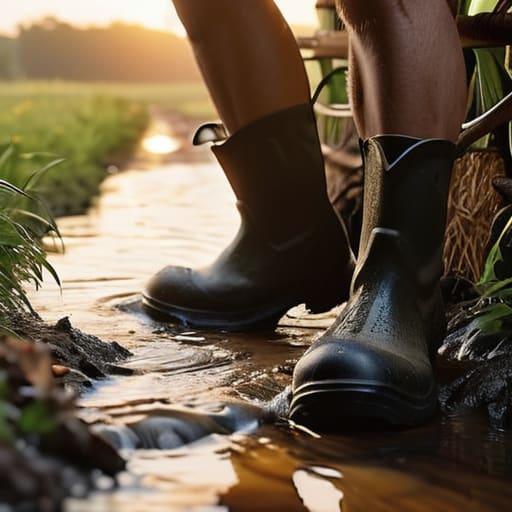
Now, when people hear the term “biosecurity,” they tend to think of some high-tech lab or a massive industrial operation. They imagine expensive chemical sprays and heavy-duty containment strategies for biological agents that look more suited to a pharmaceutical plant than a working farm. But if you’re looking for a textbook definition, you’re looking in the wrong place. In my experience, real-world biosecurity isn’t about a checklist you tick once a year to please an inspector; it’s about the daily, unglamorous habit of not letting the bad stuff in.
It’s easy to get distracted by the shiny new equipment, but true biosecurity risk management is actually quite boring. It’s about knowing which truck has been to the market, which set of boots has been in the footbath, and why you shouldn’t be sharing a trailer with the neighbour’s new stock without a proper wash-down. You can follow all the official biosafety protocols and procedures to the letter, but if you aren’t watching the movement of people and vehicles across your own yard, you’re essentially leaving the back door wide open.
Key Things to Know
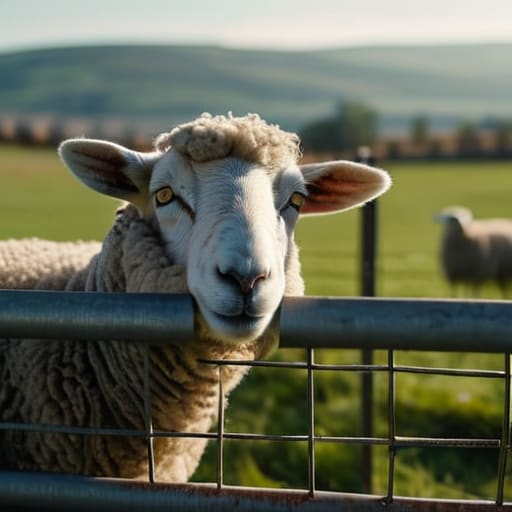
Now, if you’re looking for a list of fancy terms to impress the bank manager, you’ve come to the wrong place. Real biosecurity isn’t about a binder full of biosafety protocols and procedures that gathers dust on a shelf in the kitchen. It’s about the practical reality of how a sickness actually moves from a neighbor’s field into your own. I’ve seen men spend thousands on high-tech fencing only to let a single infected sheep walk through the gate because they were too busy looking at the perimeter to notice the animal itself.
The truth is, effective biosecurity risk management comes down to the small, boring habits. It’s knowing which boots have stepped in a different yard and making sure you aren’t inadvertently moving pathogens on your own clothes. You can talk about containment strategies for biological agents until you’re blue in the face, but if you haven’t mastered the simple act of separating new stock from the old, you’re just gambling with your margins. It isn’t about being perfect; it’s about not being the easiest target in the parish.
Practical Tips and Steps

Now, if you’re looking for a list of expensive gadgets to buy, you’ve come to the wrong place. Real biosecurity isn’t about having the latest spray rig; it’s about the discipline of the daily grind. Start with your gates. If you’ve got contractors, delivery drivers, or even the vet rolling through your yard, you need a clear line between the “clean” and the “dirty” parts of the farm. I’ve seen too many lads treat biosafety protocols and procedures like they’re optional suggestions, only to find themselves staring at a dead herd three weeks later. Set up a dedicated boot wash and a change of overalls for anyone entering the sheds. It sounds small, but consistency is what saves your margin, not a fancy chemical you bought on credit.
When it comes to moving stock, don’t be a hero. If you’re bringing new animals in, they stay in a quarantine field away from the main herd for at least a fortnight. You can talk all you want about pathogen control measures, but if you’re mixing untested ewes with your breeding line before they’ve been watched closely, you’re just gambling with your cash flow. Watch their dung, watch their gait, and for heaven’s sake, watch the weather—mud is the greatest carrier of filth you’ll ever encounter.
Common Mistakes to Avoid
The biggest mistake I see is treating biosecurity like a checklist you tick off once a year during an inspection. People get obsessed with buying the most expensive sprayer on the market, thinking they’ve mastered pathogen control measures, when in reality, they’re still letting the same contractor drive his muddy Land Rover right through the clean yard. You can have the most rigorous biosafety protocols and procedures written in a binder on the kitchen table, but if you aren’t watching the actual movement of feet and tyres, that binder is just expensive wallpaper.
Another trap is thinking that “clean enough” is good enough. I’ve seen lads spend hours scrubbing a feeder only to realize they’ve left a single contaminated tool sitting in the muck. It’s a false sense of security that costs you. Real biosecurity risk management isn’t about the grand gestures; it’s about the small, boring details that most people think are a waste of time. If you aren’t consistent with the small things, you’re essentially just waiting for a disaster to happen, and by then, the cost of the mistake will far outweigh the price of doing it right the first time.
Final Thoughts
At the end of the day, you can read every manual printed and study every fancy diagram of biosafety protocols and procedures until your eyes cross, but it won’t mean a damn thing if you don’t have the discipline to follow through when you’re tired, wet, and behind schedule. Biosecurity isn’t a box you tick once a year for a consultant; it’s the quiet, boring work of watching the gates and cleaning the boots that actually keeps the bank account from bleeding out.
If you want to survive the next decade, stop looking for a silver bullet and start looking at your own habits. Most of the trouble starts with the small, lazy shortcuts we take when we think nobody is watching. Real biosecurity risk management isn’t about buying the most expensive spray in the catalog; it’s about making sure that your daily routine is as solid as the ground you’re standing on. Don’t let a single moment of convenience be the reason you lose a whole year’s profit to a preventable outbreak.
Five ways you’re actually leaking security (and money)
- Stop treating the farm gate like a public thoroughfare. I don’t care if it’s the vet, the feed merchant, or the lad delivering the parts; if they aren’t walking through a disinfectant footbath or changing their boots, they are bringing the rest of the county into your yard.
- Watch your movement of stock like a hawk, not like an afterthought. Bringing in new animals is the biggest gamble you’ll take all year, so don’t just look at how they stand; keep them isolated until you’re certain they aren’t carrying something that’ll gut your whole herd.
- Cleanliness isn’t about looking tidy for an inspection; it’s about the microbes you can’t see. If your handling facilities are caked in old dung and dried slurry, you’re basically providing a five-star hotel for pathogens to live in between uses.
- Don’t let your equipment become a Trojan horse. If you’re using the same trailer for the neighbor’s silage as you are for your own clean hay, you’ve just bypassed every fence and gate you’ve worked so hard to maintain.
- Your records are your best defense, not just a pile of paperwork for the subsidy office. If you don’t know exactly when a beast arrived and where it came from, you’ll never be able to trace a problem before it turns into a catastrophe.
The Bottom Line on Biosecurity
Don’t get distracted by the fancy sprays and the expensive gadgets; biosecurity is won or lost at the gate by who you let walk through it and what they’re carrying on their boots.
Treat every new animal like a potential thief in your bank account—quarantine them properly and don’t let them mingle with your established stock until you’re certain they aren’t bringing a disaster with them.
A clean yard and a strict routine won’t cost you a fortune, but a single outbreak of something preventable will cost you more than you can afford to lose in a single season.
The Bottom Line on Biosecurity
At the end of the day, biosecurity isn’t about checking off a list of expensive chemicals or buying the latest gadget to impress the inspector. It’s about the small, unglamorous habits—the way you manage your gates, how you handle a new purchase, and whether you’re actually watching the feet of the animal coming off the lorry. You can have the best breeding program in the county, but if you let a single infected animal slip through because you were too busy to check the perimeter, you’ve just thrown your entire year’s margin into the wind. It always comes back to the same thing: protecting your grass, your feet, and your cash flow.
I’ve seen enough seasons pass to know that nature doesn’t care about your spreadsheets or your pedigree certificates; it only cares about opportunity. Biosecurity is simply the way we close those windows. Don’t get caught up in the marketing of “total solutions” that promise the world but leave your yard vulnerable. Stick to the basics, stay vigilant, and remember that the most effective tool on this farm isn’t something you buy in a catalogue—it’s your own eyes and your common sense. Keep them sharp, and you’ll keep the farm in the family for another generation.
Frequently Asked Questions
How much of this is actually worth the time spent when the weather's turning and the work's piling up?
It’s a fair question. When the rain is lashing down and the yard is a quagmire, biosecurity feels like a luxury you can’t afford. But look at it this way: you aren’t “spending time” on it; you’re buying insurance against a catastrophe that will stop your work entirely. A disease outbreak or a sudden bout of footrot doesn’t just take your animals; it takes your ability to get anything else done. Do the basics, or pay the price later.
If I'm buying stock from a neighbor I've known twenty years, do I really need to treat them like a stranger?
I know your neighbor, and I know his father too, but I don’t know what’s currently moving through his gut or what’s hiding in his footpads. Disease doesn’t care about twenty years of shared pints or helping each other during lambing. If you skip the quarantine because you trust the man, you’re gambling your entire herd’s cash flow on a handshake. Treat them like a stranger, because the microbes certainly won’t.
Which of these bits are actually going to stop a disease, and which are just things we do to satisfy an inspector?
If it’s just a clipboard exercise to keep an inspector happy, it won’t stop a pathogen. Most of that paperwork is just moving paper around. The real work is the stuff that’s a nuisance: checking the boots, controlling who walks through the yard, and keeping the new stock away from the old. If it doesn’t actually break the chain of contact, it’s just theater. Focus on the gates and the feet; the rest is just noise.