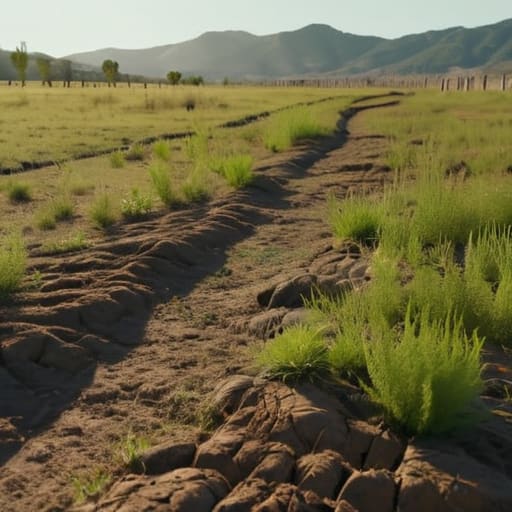
Most people will tell you that reseeding is all about the seed rate or finding the fanciest clover mix on the catalogue. They’re wrong. If you don’t look at the drainage and the soil structure first, you aren’t actually improving your land; you’re just throwing money into a hole and hoping for the best. I learned that the hard way back in ’94 when I spent a small fortune on high-spec rye-grass, only to watch it wash away in a single wet spring because I hadn’t properly assessed the ground. Learning how to reseed a pasture isn’t a chemistry experiment or a way to show off your equipment; it’s a calculated gamble on your soil’s ability to actually hold onto what you give it.
In this guide, I’m going to skip the marketing fluff and tell you how we actually do it on a working suckler farm. We’ll talk about timing the weather, prepping the ground without destroying the biology, and which expensive bits of kit are actually worth the diesel. My goal is to show you how to get the maximum tonnage per hectare without turning your bank balance into a cautionary tale.
Table of Contents
Guide Overview
Tools & Supplies
- Soil Test Kit for checking pH and nutrient levels
- Spreader (Broadcast or Drop) for even seed distribution
- Cultivator or Broadfork to prepare the seedbed
- Pasture Seed Mix tailored to local climate and soil
- Fertilizer (NPK) based on soil test results
- Lime (if soil is acidic)
Step-by-Step Instructions
- 1. First, you have to look at the ground, and I don’t mean a quick glance from the bonnet of the quad. You need to walk the field when it’s been raining for three days straight to see where the actual drainage issues are. If you’re just throwing seed over a patch of heavy, waterlogged clay without addressing why it’s wet, you aren’t reseeding; you’re just planting expensive rot. Fix your drains or move your target area, otherwise, you’re just throwing cash into a bog.
- 2. Once you know where the ground is actually capable of holding life, you need to clear the slate. This isn’t a job for a light scrape; you need to get the old, tired perennial ryegrass and those stubborn thistles out of the way. I’ve seen lads try to save a few quid by just harrowing the surface, but all they do is bury the weeds deeper into the soil. You want a clean seedbed, which usually means a decent plough or a disc to turn over the old mess so the new seed has a fighting chance.
- 3. Soil testing is the part most people skip because it feels like a chore, but it’s the only way to know if you’re wasting money on fertilizer. Don’t listen to the bloke in the sales van telling you that you need a specific brand of NPK; get a proper lab analysis done. If your pH is sitting too low, all the expensive lime and nitrogen in the world won’t do a damn thing because the plants can’t physically take it up. It’s about building a foundation, not just throwing chemicals at a problem.
- 4. Now comes the part where you actually commit the capital: choosing the seed. My advice is to stop looking at the “value” per bag and start looking at the cost per hectare of usable grazing. I’ve bought cheap seed before that looked fine in the bag but had a germination rate that would make a stone weep. Buy a mix that actually suits your specific ground and your livestock—if you’re running sucklers, you don’t need a fancy forage mix meant for dairy cows; you need tough, reliable grass that can handle a bit of a beating.
- 5. Timing is everything, and if you miss your window, you might as well go back to the pub. You want to get that seed in when the soil temperature is rising but before the summer drought hits and turns your field into a dust bowl. If you’re too late and the ground is baked hard, the seed will just sit on the surface and get eaten by birds or washed away in the first autumn gale. Aim for that sweet spot where the moisture and warmth align.
- 6. When it comes to the actual sowing, don’t be tempted to go too deep. I’ve seen many a young man try to bury his seed like he’s planting potatoes, but if that seed is more than an inch down, it’ll run out of energy before it ever sees the light of day. You want it shallow, firm, and well-contacted with the soil. A good drill is worth its weight in gold here, because if the depth is inconsistent, your field will come up in patches, and you’ll be chasing weeds in those gaps for the next three years.
- 7. Finally, you have to manage the aftermath, which means keeping the animals off it. This is the hardest part for most, because you’ll see that fresh green growth and want to turn the herd on it immediately. Don’t do it. If you let them graze it before the root systems are established, they’ll pull the young plants straight out of the ground, and you’ll have spent a fortune on a field of bare dirt. Give it time to get its feet under it; patience is often the cheapest input you have.
Understanding How to Reseed a Pasture

Before you even think about opening a bag of seed, you need to look at what you’re actually working with. Most people jump straight to the order forms, but if your ground is nothing but poached clay and thistle, you’re just burying money in a graveyard. Real soil preparation for pasture isn’t about fancy machinery; it’s about understanding whether your ground can actually breathe. I’ve seen men spend a fortune on high-grade clover mixes only to watch it fail because they tried to sow it into ground that was still holding water like a sponge from a wet February.
You also have to get your head around the timing. There is no single “perfect” window, but there is certainly a wrong one. If you miss the window for the best time of year to reseed, you’ll spend the whole summer fighting weeds that are faster than your new grass. It’s a race against the clock. You aren’t just planting grass; you are trying to establish a foundation that can handle a cow’s weight without turning into a mud bath by autumn. If you don’t get the base right, the rest is just expensive scenery.
Key Things to Know

Before you even think about opening a bag of seed, you need to look at your calendar and your weather gauge. Most people ask me about the best time of year to reseed, but they forget to ask if the ground can actually take it. If you try to do this on ground that’s sodden and heavy, you aren’t renovating; you’re just compacting the soil and making a mess that’ll take three years to fix. I’ve seen enough men ruin a good field by trying to be clever in a window that was too wet, turning a productive acre into a graveyard of expensive, unsprouted seed.
Then there is the matter of what you’re actually putting in the ground. I’ve seen plenty of lads get caught up in fancy brochures, but forage seed selection isn’t about what looks good on a spec sheet; it’s about what survives your specific hills and your specific rainfall. If you pick a variety that thrives in a sheltered valley and try to force it onto a wind-swept acre, you’re essentially throwing cash directly into the dirt. You have to match the seed to the ground you actually have, not the ground you wish you had.
Five Ways to Stop Throwing Money at the Ground
- Stop looking at the seed catalogue and start looking at the drainage. I’ve seen men spend a fortune on high-spec perennial ryegrass only to watch it rot in a waterlogged hollow because they couldn’t be bothered to check the ground’s ability to take it. If the water isn’t moving, the seed isn’t growing; it’s just expensive compost.
- Timing isn’t a suggestion, it’s your margin. If you’re out there reseeding when the ground is too dry, you’re just waiting for a drought to kill your investment. If it’s too wet, you’re dragging a heavy machine over soil that’ll compact like concrete, and once you’ve killed the soil structure, no amount of fertilizer is going to bring it back.
- Don’t get blinded by the “newest” varieties. The sales reps will tell you a specific blend will change your life, but they aren’t the ones paying the bill when it fails to establish in a wet March. Stick to what works for your specific soil type and your specific rainfall. I’ve learned more from my own failed trials than I ever did from a glossy brochure.
- Watch your weed pressure like a hawk before you even turn the tractor on. If you try to sow fresh seed into a field choked with rushes or docks, you aren’t starting a pasture; you’re just feeding the weeds. You need to clear the deck first, or you’ll be fighting a losing battle from day one.
- Seed depth is the difference between a field and a graveyard. Sow it too deep and the seedling exhausts itself before it sees the light; sow it too shallow and the birds will have a feast on your capital. It’s a fine line, and if you don’t get the drill settings right, you’re essentially just scattering money for the crows.
Three Things to Remember Before You Reach for the Sower
Don’t start a single thing until you’ve looked at your drainage and your rainfall; if the ground stays sodden, you aren’t reseeding, you’re just burying money in a bog.
Watch your timing like a hawk, because if you miss the window between the grass dying back and the weather turning, you’ll spend the next three years staring at weeds instead of forage.
Remember that every penny spent on seed and fertiliser is a debt you’re taking on against next year’s calf crop, so if the math doesn’t work on paper, it won’t work in the field.
The Bottom Line on Your Grass

At the end of the day, reseeding isn’t about following a fancy manual or buying the most expensive seed mix on the market; it’s about timing your moves with the weather and the soil. If you ignore the drainage or rush the job during a dry spell, you aren’t just losing a bit of growth—you are essentially throwing cash directly into the dirt. You’ve got to get the ground preparation right, ensure your seed-to-soil contact is solid, and most importantly, have the patience to let the biology do its work without constant interference. If you get the fundamentals of the grass right, the rest of the farm tends to follow suit.
I’ve seen plenty of men go broke chasing the latest high-tech forage breakthroughs while their primary acreage was nothing but weeds and poached ground. Don’t fall into that trap. A well-managed pasture is the most reliable bank account a livestock farmer has, and it pays dividends in better weaning weights and lower feed bills. It takes work, and it takes a bit of grit when the rain won’t stop or the timing feels off, but when you see those new shoots coming up thick and green, you’ll know you’ve made a sound investment. Stick to the basics, watch your margins, and let the grass do the heavy lifting.
Frequently Asked Questions
If I've got a heavy clay patch that stays sodden until June, am I just throwing money into a bog if I try to reseed it now?
If that clay is still a bog in June, then yes, you’re essentially just paying for expensive compost. You can throw the best seed in the world at it, but if the roots can’t breathe, they’ll rot before they ever take hold. Don’t fight the ground. Wait for a dry spell, improve the drainage first, or accept that patch is for grazing, not for profit. If the feet can’t stay dry, the money won’t either.
How much of a difference does it actually make to the bottom line to use a high-spec clover mix versus just sticking with a standard ryegrass?
It’s a question of whether you want to pay for the seed now or pay for the fertilizer later. A high-spec clover mix isn’t a luxury; it’s a nitrogen factory. If your ground holds moisture and you aren’t working a desert, that clover will fix nitrogen right where the grass needs it. You’ll spend more at the merchant’s desk this spring, but you’ll save a hell of a lot on the spreader come autumn.
At what point does it become cheaper to just let the weeds run wild and accept the lower grazing value than to pay for the diesel and seed to fix it?
It’s a math problem, not a sentiment one. You pull the trigger on reseeding when the cost of the seed, diesel, and your own time is less than the annual loss in carcass weight or milk yield from those weeds. If you’re looking at a patch of thistle that’s only costing you a few head of sheep a bit of extra chewing, leave it. But if the weeds are choking out the grass and killing your margins, you fix it.
