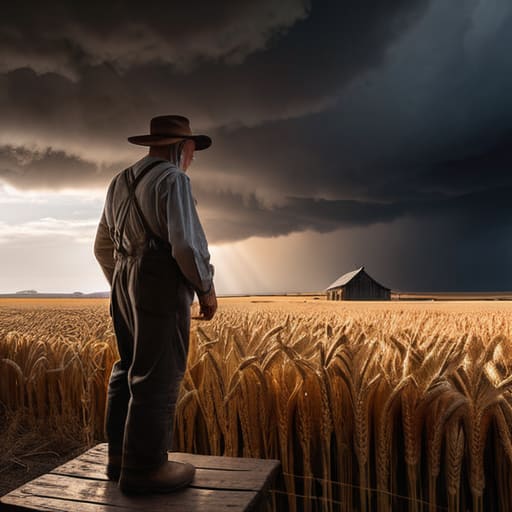
I’ve spent forty years watching men in expensive waterproofs stand in the middle of a field, staring at a tablet and talking about “predictive climate modeling” as if a bit of data could tell them when the ground is actually going to hold. They treat the sky like a variable in a spreadsheet, but they forget that how weather shapes rural routine isn’t about reading a graph; it’s about knowing that if the wind shifts from the east in late October, your lambing season is about to become a fight for survival rather than a scheduled task. You can plan your year down to the minute, but a week of relentless, soaking rain will turn your carefully laid calendar into nothing more than expensive scrap paper.
I’m not here to sell you on some new software or a fancy weather station that’ll be rusting in the shed by Christmas. What I want to do is talk about the reality of working when the margins are thin and the sky is heavy. I’ll tell you how a change in pressure actually dictates when you move the cattle, why a sudden frost can wreck a year’s worth of profit in a single night, and how to build a routine that doesn’t break the moment the clouds turn grey.
Table of Contents
- When the Sky Turns the Money Moves How Weather Shapes Rural Routine
- Chasing Agricultural Seasonal Cycles Before the Clouds Break
- Why Farming Schedule Adjustments Are Won or Lost in the Forecast
- Weather Dependent Daily Tasks the Difference Between Profit and Repair Bill
- Climate Impact on Countryside Living and Building True Rural Community Resi
- Five ways the weather dictates your bank balance
- The bottom line when the clouds roll in
- The Bottom Line and the Horizon
- Frequently Asked Questions
When the Sky Turns the Money Moves How Weather Shapes Rural Routine
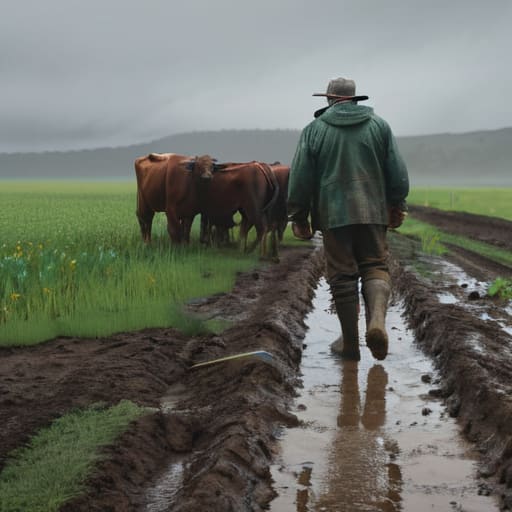
You can plan your day all you want, but once the rain turns the yard to a bog, you’re either fighting the mud to get the cattle moved or watching your profit sink into the ground. It isn’t just about being wet; it’s about the logistics of survival. When we talk about farming schedule adjustments, people usually think of moving a vet appointment or a delivery. For me, it’s about whether the ground can actually take the weight of a tractor without tearing up the topsoil and costing me another three years of recovery. If the rain doesn’t let up, the work doesn’t stop, it just changes shape from productive tasks to damage control.
The real cost shows up in the margins during these seasonal shifts in rural life. A dry spell means you’re watching your grass reserves dwindle while the feed bill climbs, and a wet spring means your lambing mortality might tick up because the ewes can’t find a dry patch to settle. It’s a constant, grinding calculation. You learn quickly that you don’t manage a farm; you manage the unpredictable reality of what the sky decides to give you.
Chasing Agricultural Seasonal Cycles Before the Clouds Break
You can’t manage a farm by a tidy little planner sitting on the kitchen table. You manage it by watching the barometer and knowing exactly how much time you have left before the ground turns from a resource into a liability. These agricultural seasonal cycles aren’t suggestions; they are deadlines set by the sky. If the lambing season is approaching and the forecast is looking heavy, you aren’t thinking about your five-year plan; you’re thinking about whether you have enough dry bedding and if the gates are reinforced enough to keep the drift from turning the paddock into a soup.
It’s a constant game of farming schedule adjustments that most people outside this life don’t grasp. You might have a vet booked for Tuesday, but if a cold front rolls in and the cattle start huddling in the lee of the hedge, that appointment is the last thing on your mind. You’re too busy moving stock or checking fences. It’s not about being reactive; it’s about knowing that if you miss the window of good weather, you’ll be paying for it in vet bills and lost weight gain come autumn.
Why Farming Schedule Adjustments Are Won or Lost in the Forecast
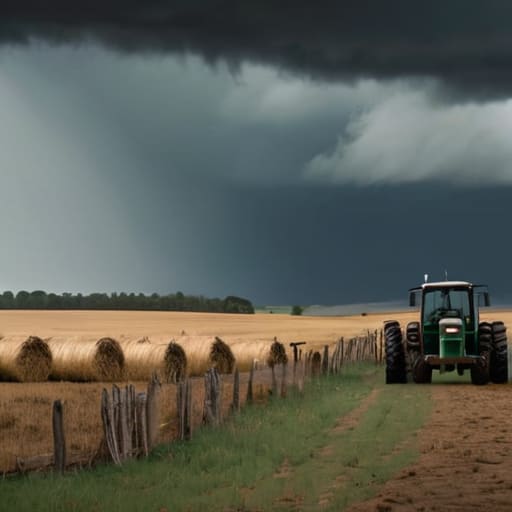
You can sit in the kitchen with a printed calendar and a pot of tea, mapping out your week as if you were running a factory in a city, but the sky doesn’t care about your spreadsheets. Real farming schedule adjustments aren’t about shifting a meeting; they are about whether you’re moving a herd across a paddock or watching them stand in a deluge, losing condition by the hour. If the forecast says a week of heavy rain is coming, you don’t “reschedule” the hay cutting—you either get it in now, risking a wet crop, or you face the reality of a winter with nothing but silage that won’t hold.
I’ve learned the hard way that the margin between a profitable season and a mounting debt often sits in the gap between what you planned and what the clouds allowed. It’s about those weather-dependent daily tasks that dictate your cash flow, like getting the sheep off the wet ground before they start dropping weight or losing their footing. When you miss that window because you were too stubborn to look at the barometer, you aren’t just losing time; you’re losing the profit that was supposed to pay for the diesel.
Weather Dependent Daily Tasks the Difference Between Profit and Repair Bill
You can look at a list of weather-dependent daily tasks all day, but the ledger doesn’t care about your intentions; it only cares about the state of the ground. Take fence repairs or moving stock to fresh pasture. On a dry week, that’s a straightforward bit of work that keeps the grass growing and the animals happy. But when the rain settles in, those same tasks turn into a choice between losing your footing or losing your profit. If you push a heavy heifer through a wet field because you’re behind on your schedule, you aren’t just risking a bit of mud; you’re tearing up the very grass that pays the bills and potentially costing you a week of regrowth.
It’s the same with maintenance. I’ve seen plenty of lads try to fix a broken gate or service a feeder in a downpour, only to end up with a rusted bolt and a soaked jacket. That’s money down the drain. True rural community resilience isn’t about working through a deluge; it’s about knowing when to stay in the shed and wait for the ground to firm up. You have to weigh the cost of a delay against the staggering repair bills that come from trying to outrun a storm.
Climate Impact on Countryside Living and Building True Rural Community Resi
It’s easy to talk about the climate as if it’s some abstract concept discussed in a lecture hall, but for those of us actually living it, the climate impact on countryside living is felt in the joints and the bank balance. When the seasons stop behaving like they used to—when the spring is too wet to get the ewes out or the summer is so dry the grass turns to dust before the calves are even weaned—it isn’t just a nuisance. It changes the way we rely on one another. In a village where everyone is fighting their own battle against a shifting sky, you find out very quickly who has a working tractor and who has a bit of extra hay to lend.
That’s where true rural community resilience comes from. It isn’t some government initiative or a fancy policy paper; it’s the neighbour who shows up with a quad bike when your yard is flooded, or the local mechanic who stays late because he knows a broken pump in a storm means a lost batch of stock. We survive these seasonal shifts in rural life because we’ve learned that if you don’t look out for the man on the next farm over, you’ll eventually be the one standing alone in the rain.
Five ways the weather dictates your bank balance
- Stop planning by the clock and start planning by the barometer; if the pressure is dropping and you’ve got a field of sheep that needs moving, you do it now or you’ll be paying for it in foot rot and mud-caked fleece three months from today.
- Don’t let a dry spell fool you into thinking you’re rich; grass might look lush, but if you don’t watch the soil moisture, you’ll find yourself staring at a dust bowl and a herd that’s eating nothing but air when the real drought hits.
- Invest in a good set of wellies and a sturdy gate latch, not the fancy gadgetry; when the rain turns the yard into a soup, it’s the simple, reliable kit that keeps you working and prevents you from spending your profit on a tractor repair caused by slipping in a bog.
- Keep your eye on the drainage, not just the clouds; a heavy downpour is only a disaster if you haven’t spent the summer making sure the water has somewhere to go besides your best grazing.
- Learn to read the sky better than your smartphone; an app can tell you it’s raining, but it won’t tell you how that specific wind is going to strip the heat out of a newborn lamb or turn a manageable slope into a death trap.
The bottom line when the clouds roll in
A forecast isn’t a suggestion for your calendar; it’s a directive for your cash flow, because a day spent fighting a bog is a day you’ve paid for twice and earned nothing.
Stop looking for the next big piece of kit and start looking at your ground; if you can’t manage your grass and your drainage, no amount of expensive machinery will stop your margins from washing away.
Resilience isn’t a buzzword in a government pamphlet; it’s the ability to pivot your daily tasks before the rain hits, so you’re fixing fences in the sun rather than replacing broken gear in the mud.
The Bottom Line and the Horizon
At the end of the day, you can buy the most expensive weather station on the market and hire a consultant to lecture you on climate trends, but neither of them will stand in a wet field and tell you if your soil can take another pass with the tractor. We’ve talked about how the forecast dictates your cash flow, how a sudden deluge can turn a planned movement into a costly repair job, and why your entire seasonal strategy lives or dies by the rain. It isn’t about being a meteorologist; it’s about understanding that on a livestock farm, the weather is the ultimate manager. If you try to fight it instead of working around it, you’ll find yourself chasing losses instead of building a business.
I’ve spent forty years watching the sky change, and if there is one thing I’ve learned, it’s that the land has its own rhythm that doesn’t care about your spreadsheet or your calendar. You have to learn to read the clouds with the same precision you use to read a heifer’s condition. There is a certain kind of grit required to live this life—a willingness to pivot when the wind shifts and to find peace in the unpredictability of it all. It’s a hard way to make a living, but there is a profound, quiet satisfaction in mastering the chaos and knowing that, despite the storm, you’ve kept the grass growing and the margins intact.
Frequently Asked Questions
If the weather is going to dictate the cash flow, at what point does a wet spring stop being a nuisance and start being a genuine threat to the year's profit?
It stops being a nuisance the moment you stop feeding grass and start feeding diesel. When the ground stays saturated long enough that you’re moving cattle on tracks just to keep them from poaching the fields into a soup, your margins are bleeding. You’re paying for extra silage, more vet visits for foot rot, and higher fuel costs for machinery that’s working twice as hard. Once the soil structure fails, you aren’t just fighting rain; you’re fighting a deficit.
How do you balance the need to get cattle out on good ground against the risk of ruining the sward if a sudden heavy spell of rain hits?
It’s the oldest gamble in the business. You look at the grass, you look at the sky, and you pray they agree. If you keep them in too long, you’re losing weight and eating into your margins; if you push them out on ground that can’t take it, you’re trading your pasture for a bog and a massive repair bill. I always check the drainage and the soil structure first. If the ground’s holding, move them. If it’s soft, you stay put and eat the cost.
Is there any point in investing in expensive weather-tracking tech, or is it still better to just watch the clouds and trust your own gut?
I’ve seen enough “smart” sensors end up as expensive paperweights in the shed to know better. A satellite feed can tell you it’s raining in the next county, but it won’t tell you how that rain is going to turn your bottom field into a slurry pit by Tuesday. Buy a decent, rugged weather station if you want data for your records, but don’t trade your eyes for a screen. If you can’t smell the change in the air, the tech won’t save your margins.
