
I spent most of my thirties thinking that a sturdy post and a bit of high-tensile wire were all you needed to keep the peace, but I was dead wrong. You can spend a fortune on the best fencing money can buy, but if you haven’t figured out how to work with neighbours before the first heifer decides to test the boundary, you’re just building a very expensive monument to your own frustration. I learned that the hard way back in ’98, standing in a freezing muck-heap at three in the morning, arguing about a slipped gate with a man who hadn’t spoken a word to me in five years. It wasn’t the wire that failed; it was the lack of a decent conversation over a fence line before the trouble started.
I’m not here to give you any of that polished, corporate advice about “community engagement” or “conflict mitigation” that you read in some glossy agricultural magazine. I’m going to tell you what actually keeps the peace and, more importantly, keeps your cash flow steady. We’ll talk about the real-world mechanics of shared boundaries, the cost of a grudge, and why a pint of bitter is often a better investment than a legal letter.
Table of Contents
Understanding How to Work With Neighbours
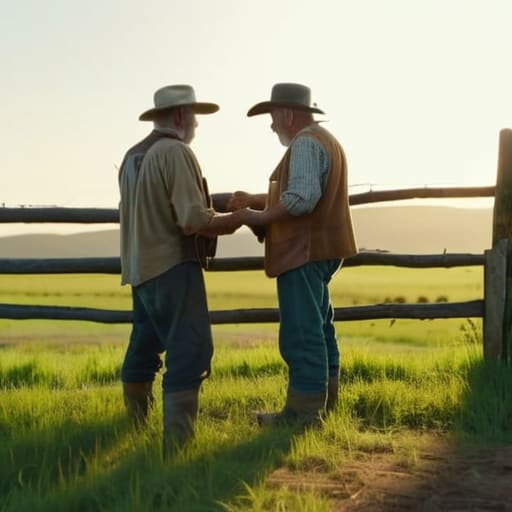
You can’t run a farm in a vacuum, no matter how much you’d like to think you can. Most of the trouble starts when you assume your fence line is as clear as your ledger, but land has a way of shifting, and so do opinions. I’ve learned the hard way that maintaining property boundaries isn’t just about keeping the cattle in; it’s about keeping the peace. If you’re waiting until a heifer has already breached a hedge to talk to the man next door, you’ve already lost the argument.
It’s about more than just the physical limits of your 180 hectares. It’s about the unwritten rules of the road—or the track, as it were. Whether it’s shared driveway access rights or the way your sprayer drifts during a windy afternoon, these small frictions turn into massive headaches if left to fester. I don’t care much for the fancy term “conflict mitigation,” but I do know that building community goodwill is a lot cheaper than paying a solicitor to look at a map. You want to be the person they call when a gate is left open, not the person they call to report a nuisance.
Key Things to Know

First, let’s talk about the physical reality of it. You can have the most expensive GPS-guided tractor in the county, but if you haven’t spent an afternoon maintaining property boundaries with the man next door, you’re just building a future lawsuit. A fence line isn’t just wire and timber; it’s a handshake. If your sheep are constantly finding gaps and ending up in his rye, you aren’t just losing livestock—you’re losing your reputation. I’ve seen more money bled away through petty arguments over a drifting hedge than through any bad market year.
Secondly, don’t wait for a crisis to start talking. Most of the trouble I see starts because people treat communication like a luxury rather than a necessity. If you’re planning on heavy machinery moving through a shared access point, or if you’ve got a project that’s going to bring a bit of extra racket, don’t just let them find out when the noise starts. Building community goodwill is a lot cheaper than hiring a solicitor to handle a formal grievance. It’s about being the sort of neighbor who shows up with a bit of news before the problem becomes a problem.
Practical Tips and Steps

First things first, don’t wait for a crisis to walk over the gate. If you only show up when a stray ewe is in their vegetable patch or a tractor is blocking the lane, they’ll already have their guard up. I’ve found that building community goodwill is best done over a lukewarm tea when things are quiet. It’s about knowing who they are before you need something from them. If you have shared driveway access rights, for heaven’s sake, talk about them before the first heavy machinery move of the season. It’s much harder to fix a grudge than it is to agree on a schedule.
When it comes to the physicalities, keep a sharp eye on maintaining property boundaries. A hedge that’s gone rogue or a fence that’s leaning into their field might look minor to you, but it’s the small things that start the slow burn of resentment. If you find yourself in a position of resolving neighbor disputes, do it with a bit of common sense and a lot of listening. Don’t go in armed with a surveyor’s map and an attitude; go in with a willingness to find where the grass meets the dirt and call it a day.
Common Mistakes to Avoid
The biggest mistake I see—and I’ve certainly made it myself in my younger, more stubborn years—is assuming that a fence is a solution. A fence is just a piece of wire and wood; it doesn’t stop a neighbor from feeling slighted or a heifer from finding a gap. People spend a fortune on maintaining property boundaries only to realize they’ve spent three years ignoring the person on the other side. If you only ever cross the line to tell them their hedge is encroaching or their drainage is making your bottom field a bog, you’ve already lost. You aren’t building a relationship; you’re just building a grievance.
Another trap is the “silent treatment” when things go wrong. If a tractor clip a gate or a sheep gets loose, don’t wait for them to come knocking on your door with a face like a slapped cheek. That’s when you end up resolving neighbor disputes through solicitors instead of over a casual chat. It’s much cheaper to admit you’ve made a mess and fix it immediately than it is to let resentment fester until it becomes a formal complaint.
Final Thoughts
At the end of the day, you aren’t just managing hectares; you’re managing people. I’ve learned the hard way that a bit of proactive neighbor communication is worth more than any legal document you can pull out of a drawer. It’s much easier to have a quiet word over a gate about a drifting flock or a stray tractor than it is to spend three years in a bitter feud that makes every trip to the mart feel like a walk through a minefield.
Don’t wait for a crisis to reach out. Whether it’s maintaining property boundaries or figuring out who is responsible for a shared hedge, getting it settled when things are calm is the only way to stay sane. You don’t need to be best mates with everyone, but you do need to be able to look them in the eye. If you focus on building community goodwill now, you’ll find that when the weather turns foul or a piece of kit breaks down, you’ve actually got people around you who might just lend a hand instead of a headache.
Five ways to keep the peace without losing your shirt
- Don’t wait for a crisis to walk the boundary. If you only ever show up at your neighbour’s gate when your ewes have breached their hedge or their tractor has clipped your stone wall, they’ll spend the whole conversation thinking you’re there to deliver bad news. Pop over when things are quiet—maybe with a bit of something extra from the farm—just to see how their ground is holding up. It builds a bit of credit in the bank for when the weather turns sour and you actually need a favour.
- Get the fence lines sorted before the livestock do. I’ve seen enough men lose sleep and money over a disputed boundary because they were too proud to ask where the line actually sat. If there’s any doubt, get the maps out and walk it together. It’s much cheaper to have an awkward conversation over a map today than a legal bill over a broken fence and a missing heifer tomorrow.
- Respect the drift. If you’re running a system that involves moving stock or if you’ve got a bit of a runoff issue when the rain comes down hard, talk about it. If your drainage is going to turn their bottom field into a bog, don’t just hope they don’t notice. Telling them you’ve got a plan to manage it shows you aren’t just looking at your own hectares and ignoring the reality of the landscape.
- Share the machinery, but keep the maintenance records straight. There’s no sense in both of you buying a high-spec slurry tanker that sits in the shed half the year, but if you do share, make sure the person using it is the one responsible for making sure it’s clean and greased. Nothing kills a working relationship faster than returning a borrowed piece of kit that’s more grit than grease.
- Listen to the man who’s been there longer. Even if you think your new grazing rotation is the cleverest thing since sliced bread, if the bloke next door tells you that particular field turns to soup the moment the wind shifts from the east, believe him. He’s seen the ground through twenty years of wet winters; you’ve only seen it through one. He’s not trying to undermine you, he’s just reading the weather and the soil better than you are.
The Bottom Line on Being a Good Neighbour
Don’t wait for a problem to start talking; a quick chat over a gate when things are quiet is a lot cheaper than a solicitor’s letter when a fence fails or a sheep wanders.
Respect the boundaries, even if they’re old or won’t hold a heavy tractor, because a dispute over a few meters of dirt is never worth the headache it causes your mental health and your cash flow.
Treat your neighbour’s land with the same respect you give your own, because in this industry, your reputation with the folk on either side of your hedge is worth more than any piece of kit you can buy.
The Long View from the Gate
At the end of the day, you can spend your life obsessing over the price of concentrate or the latest breed of heifer, but if you’re living in a state of constant friction with the person across the hedge, you’re bleeding money in ways a spreadsheet won’t show. Whether it’s a dispute over a drifting boundary, a shared water course, or just the way your silage smells on a still afternoon, these things fester. It’s about more than just being “polite”; it is about protecting your margins by ensuring a single bad argument doesn’t turn into a decade of legal fees or a broken fence you can’t afford to fix. Keep your word, keep your fences tight, and for heaven’s sake, don’t let a small grievance turn into a permanent grudge.
Farming is a lonely enough business without making enemies out of the only people who truly understand why you’re up at four in the morning. I’ve seen plenty of young lads come in with the latest tech and the best intentions, only to find themselves isolated because they thought they were too clever to talk to the old-timers next door. You aren’t just managing livestock; you are managing a landscape that is shared. If you treat your neighbors with a bit of common sense and a fair shake, you aren’t just being a good person—you are building a safety net for when the weather turns or the markets crash. Look after the person across the gate, and they’ll likely look after you when it matters most.
Frequently Asked Questions
What do I do when the neighbour’s livestock is consistently breaking through my fences, but I can’t afford to spend a fortune on new wire just to keep them out?
Don’t go buying expensive high-tensile stuff just yet; you’ll be broke before the first frost. First, walk the line with him. Don’t shout across the field; stand on his side of the fence and point out the weak spots. If his stock is pushing, it’s usually a sign of poor ground or a gap in his plan. Offer to help him fix his side if he helps with yours. It’s cheaper to share a roll of wire than a solicitor.
How do you handle a situation where a neighbour wants to share machinery or a contractor, but they have a reputation for being careless with gear?
It’s a trap. You’ll want to say yes to be a good neighbour, but a shared tractor that comes back with a cracked cab or a blunt drill is a debt you didn’t sign up for. If they’ve got a reputation for being rough, don’t touch it. I’d rather pay the full contractor rate than spend my Monday morning fixing their mistakes and arguing over who’s paying the repair bill. Keep your gear, keep your peace.
If a dispute over a boundary or a shared access track goes sour, at what point do I stop trying to be civil and actually call in the solicitor?
You call the solicitor the moment the conversation stops being about the land and starts being about ego. If you’re arguing over a hedge line, you can talk it out over a gate. But the second they start blocking a shared track to spite you, or they’re making threats that involve more than just a grumpy look, stop. Don’t let a grudge turn into a permanent loss of access. Once the civility is gone, the money is next.
