I’ve lost more money to poorly thought-out boundaries than I ever did to a bad year of grain prices, and I’d wager most of you have too. You’ll see plenty of glossy brochures claiming that the latest high-tensile mesh or some fancy automated gate system is the secret to a tidy farm, but they never mention the cost of the labour or the way the soil behaves when it’s sodden in November. Most people approach a new project by looking at a catalogue, when really, how fencing should be planned starts with a pair of boots and a willingness to walk the perimeter in the rain. If you haven’t accounted for the drift in a corner or the way a heavy ewe treats a flimsy strainer, you aren’t planning; you’re just gambling with your cash flow.
I’m not here to sell you a specific brand of wire or tell you that expensive kit will solve your problems. My aim is to walk you through the practicalities of what actually stays upright when the weather turns, from the ground up. I’ll tell you where I’ve wasted money on materials that didn’t suit the terrain and how to map out a system that works for your stocking rates and your wallet alike.
Table of Contents
Understanding How Fencing Should Be Planned
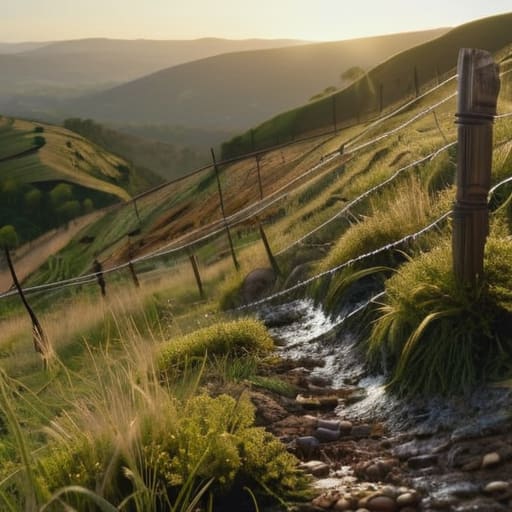
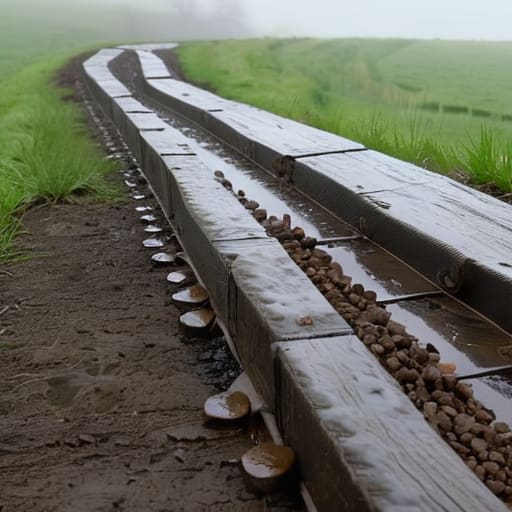
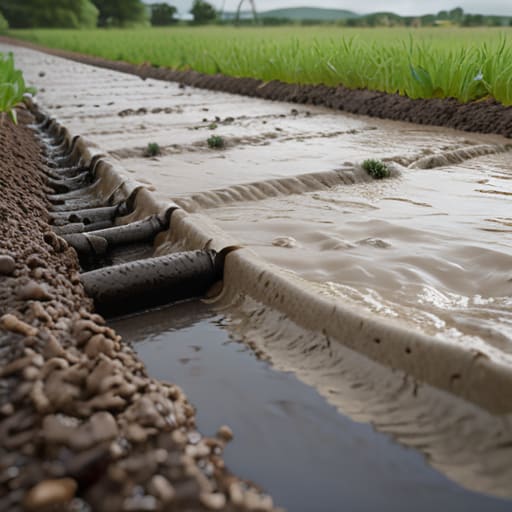
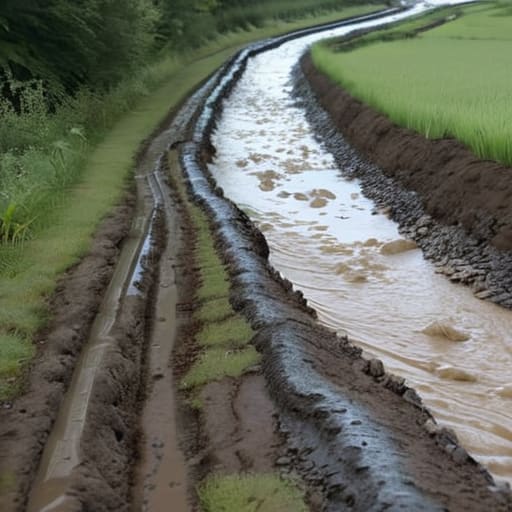
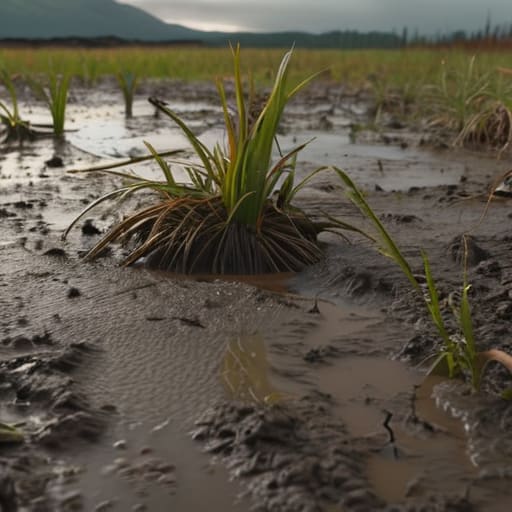
Before you even think about calling a contractor or driving a post-driver into the dirt, you need to stop looking at the price per metre and start looking at the topography. I’ve seen too many lads jump straight into fencing budget planning by looking at a catalogue, only to realize halfway through that they’ve bought the wrong gear for a wet hillside. If you’re planning to run cattle through a boundary that’s more bog than bank, that shiny new wire won’t mean a damn thing if the posts are leaning by Christmas. You have to account for the ground and the drainage first; otherwise, you’re just burying cash in a place where it’ll never grow.
You also need to be clear on what you’re actually trying to contain. There is a massive difference between a boundary that just marks a line and a fence that has to hold a hundred stubborn ewes in a gale. When you’re choosing fence styles, don’t get distracted by what the neighbour has done. Look at your specific stock, your specific terrain, and your specific margins. If you spend your whole budget on a perimeter that looks grand but lets the best heifers wander into the next parish, you haven’t planned a fence—you’ve just built an expensive invitation to a headache.
Key Things to Know
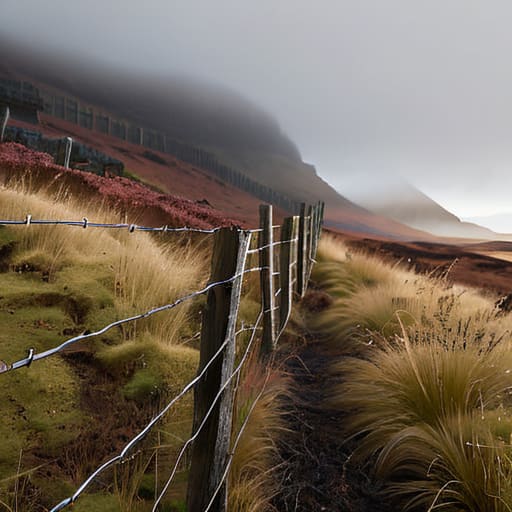
Before you even look at a catalogue, you need to stop thinking about what looks tidy and start thinking about what actually holds. I’ve seen too many lads get caught up in choosing fence styles based on what the neighbour has, only to find out six months later that the wire can’t handle the weight of a wet ewe or a stubborn heifer. You have to look at the terrain first. If you’re running line along a slope or through a boggy patch, that wire is going to sag or the posts are going to sink, no matter how much you spent on the initial materials.
Then there is the matter of the money. Proper fencing budget planning isn’t just about the cost of the posts and the wire; it’s about the man-hours and the fuel to get it into the ground. If you don’t account for the extra labour required for a difficult boundary, your margins will vanish before the first calf is even born. Don’t forget to check your property line considerations too. There is nothing more expensive than having to pull up a perfectly good run of fencing because you realized you were three feet into the next man’s field.
Practical Tips and Steps

First, get off the tractor and walk the perimeter. You can’t plan a single thing from the cab of a Massey. I’ve seen too many lads jump straight into fencing budget planning without accounting for the fact that a “straight line” on a map is a lie once you hit a bog or a granite outcrop. You need to know exactly where the ground dips and where the drainage will turn your new posts into toothpicks. If you don’t account for the slope and the soil type, you aren’t building a fence; you’re just donating money to the local hardware store.
Once you’ve actually seen the ground, look at your property line considerations. It’s all well and good to pick the prettiest wire, but if you’re sharing a boundary with a neighbour who thinks a hedge is a legal barrier, you’re in for a headache. When you’re finally moving through the fencing installation steps, don’t skimp on the strainers. I’ve spent more money replacing cheap, flimsy posts that couldn’t handle a single heifer leaning on them than I ever spent on the actual wire. Buy for the animal you have, not the one you wish you had.
Common Mistakes to Avoid
The biggest mistake I see is people treating fencing budget planning like it’s just a trip to the merchant for wire and posts. They look at the price of the materials and think they’re done, forgetting that the real cost is often in the labor and the unforeseen headaches. I’ve seen plenty of lads buy the cheapest wire they can find, only to spend three times that amount two years later when the sheep have found a way through or the tensioners have snapped. You aren’t just buying a barrier; you’re buying the time you won’t spend fixing it.
Another trap is ignoring the ground itself. You can spend all day choosing fence styles that look grand on a brochure, but if you haven’t accounted for the slope of the hill or the way the water sits in that bottom field after a heavy rain, you’re just burying money in a hole. Don’t get caught out by property line considerations either—nothing turns a neighbor into an enemy faster than a fence that’s six inches over the mark. Check your boundaries twice, because moving a fence once it’s in the ground is a fool’s errand.
Final Thoughts
At the end of the day, a fence isn’t just a line on a map or a way to keep the neighbors from complaining about your stray heifers. It’s a long-term commitment of both your labor and your capital. If you try to shortcut your fencing budget planning by buying the cheapest wire or the thinnest posts you can find, you’ll find yourself out in the wind and rain three years from now, fixing a break that shouldn’t have happened. I’ve spent more money than I care to admit replacing “budget” gear that simply couldn’t handle a wet winter or a heavy animal leaning against it.
Don’t get caught up in the vanity of it all, either. You don’t need the most expensive durable fencing options for a boundary that only separates two fields of empty grazing. Match the kit to the job, and more importantly, match it to the ground you’re actually standing on. If you take the time to walk the perimeter and think through the practicalities now, you’ll save yourself a lot of heartache—and a lot of wasted cash—down the road.
Five ways to stop your fencing from becoming a hole in your pocket
- Walk the boundary when it’s raining. You can look at a map all day in the kitchen, but you won’t know if you’re dealing with a peat bog or a limestone slope until you’ve actually stood in the muck and seen where the water sits. If you don’t plan for the wet bits, you’ll be spending your life digging post holes that won’t stay upright come winter.
- Match the wire to the beast, not the price tag. I’ve seen lads buy the cheapest high-tensile they could find, only to have a single stubborn heifer push through it like it was cobwebs. If you’re running cattle, you pay for the strength; if you try to save a few quid on the wire, you’ll end up paying triple in labor when you’re out there at midnight patching it up.
- Don’t forget the gates and the corners. A fence is only as good as its weakest point, and usually, that’s where the tension pulls or where a gate hangs crooked because the ground shifted. Spend the extra money on proper strainers and heavy-duty hinges now, or you’ll spend every spring wrestling with a gate that won’t shut.
- Plan for the movement, not just the boundary. A fence isn’t just a line on a map; it’s a tool to manage your grass. If your layout doesn’t allow you to rotate stock effectively or get them to the water without a three-mile trek, you haven’t planned a fence—you’ve just built a very expensive wall that makes your daily work harder.
- Check your cash flow before you check the catalog. It’s tempting to buy all your materials in one go to get a bulk discount, but if that leaves you short when the vet’s bill comes or the price of feed spikes, you’ve made a mistake. Buy what you need for the immediate job, do it right, and keep enough in the bank to actually finish what you started.
The Bottom Line on Fencing
Stop looking at the price of a roll of wire and start looking at the cost of the ground it’s going in; if you haven’t walked the boundary in the rain to see where the water sits, you’re just planning to dig holes for nothing.
Fencing isn’t a one-off expense, it’s a long-term commitment to your cash flow, so don’t buy the cheapest kit just to save a few quid now if it means you’ll be out there patching it every time a heifer leans on it.
A fence is only as good as the management it allows, so plan your gates and internal divisions around how you actually move stock, not how you wish the farm worked on a sunny afternoon.
The Bottom Line on Wire and Wood
At the end of the day, planning your fencing isn’t about finding the prettiest posts or the most expensive brand of wire; it’s about making sure you aren’t throwing money into a ditch. You’ve looked at the ground, you’ve accounted for the rainfall, and you’ve matched the kit to the livestock you’re actually running, not the ones you wish you had. If you’ve done the work to map the boundaries and checked your cash flow before the first post-hole is even dug, you’re already ahead of half the people I see out in the fields. Remember, a fence is only as good as its weakest point, and if you haven’t planned for the heavy ground or the pressure of a crowded mob, you’re just buying a future headache by installments.
I’ve spent forty years watching men go broke trying to fix mistakes that could have been avoided with a bit of walking and a pencil. Farming is hard enough without fighting your own infrastructure every time a storm rolls in or a ewe decides to test a corner. Don’t let the shiny brochures convince you that complexity equals quality. Build it right, build it for the ground you actually have, and build it so you can sleep at night knowing the stock is where they belong. A well-planned fence isn’t just a barrier; it’s one less thing to worry about when the real work begins.
Frequently Asked Questions
How much should I actually be setting aside for repairs and maintenance in my yearly budget, rather than just the initial cost of the wire and posts?
If you’re only budgeting for the wire and the posts, you aren’t budgeting for a fence; you’re budgeting for a dream. Realistically, I set aside 10% to 15% of the initial capital cost every year for maintenance. Between the damp rot in the posts and the inevitable bit of wire a rogue heifer finds, that money disappears quickly. It’s better to have a line item for repairs than to be scrambling when a boundary fails mid-winter.
If I’m dealing with heavy clay or boggy ground, is it worth the extra expense for heavier timber posts, or will a standard post just sink and leave me with a mess in two years?
If you’re working heavy clay or bog, don’t even bother with standard posts; you’ll be out there re-driving them before the first frost. It’s a fool’s errand. You need the heavier timber, but more importantly, you need to get them deep enough to hit something solid. If you can’t find firm ground, you’re better off investing in concrete footings or steel. It costs more upfront, but it beats paying for the same job twice.
When I'm looking at electric fencing for rotational grazing, how do I know if the voltage is actually going to hold up when the grass gets long and wet?
If you’re relying on a little battery-powered box from the local co-op, you’re asking for trouble come August. When the grass gets rank and the ground turns to soup, that voltage will bleed out faster than a cut ewe. You need a heavy-duty energizer—one that’s overkill for the dry spells. If it can’t push a decent pulse through a wet, tangled mess of rye, you aren’t grazing; you’re just decorating the field with wire.