I’ve spent half my life watching salesmen try to convince me that I need a fancy, subscription-based software package with a shiny interface just to know if my heifers are pulling their weight. They’ll talk about “data integration” and “cloud-based analytics,” but most of those expensive gadgets end up as nothing more than expensive paperweights in the back of the shed. The truth is, if you’re looking for a magic button to fix your margins, you’re looking in the wrong place; learning how to keep useful livestock records isn’t about buying the latest tech, it’s about knowing which numbers actually tell you if you’re making money or just working for free.
I’m not here to sell you a digital dream or a complicated spreadsheet that takes three hours to update every Sunday night. I want to talk about the hard numbers that actually matter: the cost of a vet call, the weight of a calf, and the exact day a ewe stopped performing. I’ll show you how to strip away the nonsense and focus on the data that protects your cash flow and your sanity.
Table of Contents
- Stop Guessing and Start Counting How to Keep Useful Livestock Records
- Tracking the Feet Why Animal Health Tracking Systems Save Cash
- The Cost of Bad Breeding Using Genetic Records to Protect Profits
- From Ear Tags to Software Smarter Livestock Identification Methods
- Turning Data Into Dollars Real Farm Productivity Data Analysis
- Five Ways to Stop Writing Down Nothing and Start Recording Something Useful
- The Bottom Line on Your Books
- The Bottom Line
- Frequently Asked Questions
Stop Guessing and Start Counting How to Keep Useful Livestock Records
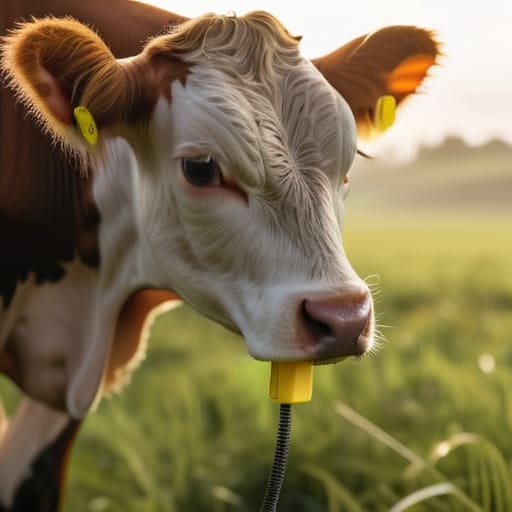
I’ve seen too many men stand in a muddy yard, looking at a herd and telling me they “know” which cows are performing. They don’t. They have a feeling, and a feeling won’t pay the diesel bill in January. If you want to move past guesswork, you have to start with the basics of livestock identification methods that actually stick—whether that’s ear tags that don’t fall off in a bramble bush or a reliable way to link a calf to its dam before the madness of calving season begins.
It isn’t about filling out forms for the sake of a government inspector; it’s about knowing your margins. You need to be tracking more than just birth dates. I’m talking about the granular stuff: how much weight a heifer actually puts on versus what she’s eating, and which ewes are consistently failing to thrive. While some lads are obsessed with the latest animal health tracking systems and fancy apps, don’t forget that a digital record is useless if you haven’t got the discipline to write down the truth. If the data is wrong, the decision will be wrong.
Tracking the Feet Why Animal Health Tracking Systems Save Cash
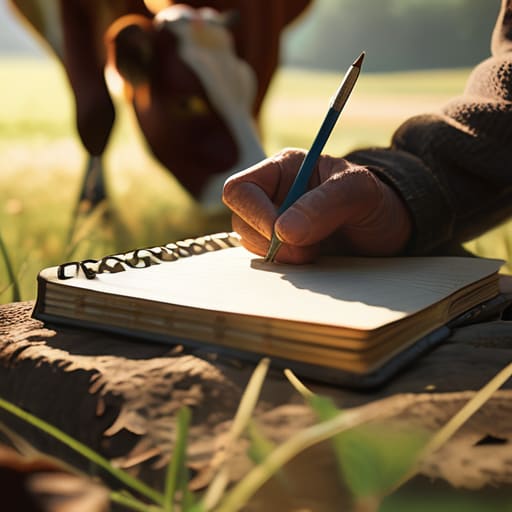
Everyone wants to talk about the big stuff—outbreaks, parasites, or the next big subsidy shift—but they forget that a cow with a bad foot is a hole in your pocket that never stops leaking. You can have the best genetics in the county, but if you aren’t using animal health tracking systems to spot a limp before it becomes a limp, you’re just throwing money at the vet. I’ve seen too many lads ignore a slight change in gait, only to find they’ve lost a calf and a week’s worth of grazing because they couldn’t be bothered to note it down.
It isn’t about being a scientist; it’s about the margin. When you start looking at your farm productivity data analysis through the lens of lameness and recovery times, you realize that prevention is significantly cheaper than any cure a vet can prescribe. If you aren’t marking down exactly when a treatment was given and how the animal responded, you aren’t managing a herd—you’re just hoping for the best. And in this business, hope is a very expensive way to run a farm.
The Cost of Bad Breeding Using Genetic Records to Protect Profits

Most folk think breeding is about picking the prettiest heifer in the field or the ram with the thickest fleece. That’s a fool’s errand. If you aren’t looking at the numbers, you aren’t breeding; you’re just playing God with someone else’s money. I’ve spent thirty years tracking a specific line of ewes, and I can tell you that a sheep that looks grand but fails to lamb every second year is nothing more than a drain on your bank account. You need to be digging into your breeding and genetic records to see which animals are actually pulling their weight and which ones are just eating your profit.
It’s easy to get blinded by a single good season, but real profit is found in the long game. Without a clear view of your lineage and performance data, you’ll end up keeping a “good” bull that’s actually just passing on poor feet or weak constitutions to his calves. You don’t need fancy bells and whistles, but you do need a system that tells you exactly why a certain cow is worth more than the one next to her. If you can’t prove the value of your stock through hard, generational data, you’re just guessing—and guessing is a luxury a working farm can’t afford.
From Ear Tags to Software Smarter Livestock Identification Methods
I remember when a bit of wire and a notched ear was all the identification we bothered with. It worked well enough until you had a hundred head moving through a gate and you couldn’t remember if that heifer was the one with the dodgy calving history or the one that’s been eating through your margins like a locust. Now, if you’re serious about traceability in animal farming, you can’t just rely on a mental map and a prayer.
You’ll see plenty of lads chasing the latest shiny gadget, but don’t go buying a piece of kit just because it has an app. The real value in modern livestock identification methods isn’t the tech itself; it’s the ability to link a tag to a history. Whether it’s an electronic ear tag or a simple visual system, the goal is the same: knowing exactly which animal is standing in front of you and what she’s cost you since she was a calf. If the data doesn’t tell you something you didn’t already know by looking at the animal, you’re just wasting your time and your money.
Turning Data Into Dollars Real Farm Productivity Data Analysis
Now, having all those numbers scribbled in a ledger or tucked away in some fancy app is only half the battle. If you aren’t looking at them once a month to see what they’re actually telling you, you’re just collecting expensive ink. Real farm productivity data analysis isn’t about making pretty charts for a bank manager; it’s about spotting the leak in your bucket before the bottom falls out. I spent years looking at a herd and thinking they were doing “fine,” only to realize after sitting down with the figures that my bottom twenty percent were eating up the profit from my top forty.
You have to look for the patterns. If your animal health tracking systems show a recurring spike in treatments in a specific field, don’t just blame the vet—look at the ground. Is it a drainage issue? Is the grass type wrong for that breed? When you connect the dots between your breeding records and your actual margins, you stop being a spectator in your own business. It’s about moving from “I think” to “I know,” because in this game, knowing is the only way to keep the cash in the bank.
Five Ways to Stop Writing Down Nothing and Start Recording Something Useful
- Record the weather, not just the weight. If you don’t note down the rainfall and the state of the ground alongside your weaning weights, you’re looking at half a picture. A heavy gain in a dry year is a triumph; the same gain in a washout year means you’ve overspent on feed and missed the chance to graze.
- Track the ‘why’ behind the vet bill. Don’t just write down that a heifer was treated for something; write down what she was doing when it happened and what the ground was like. If you see a pattern of respiratory issues every time the damp sets in on the north field, that’s a management problem, not a luck problem.
- Keep a ‘black book’ for the kit that fails. Every time a piece of machinery or a feeder breaks down, write down the cost of the repair and the hours lost. Most people ignore the small stuff, but those little leaks in your cash flow are what sink a farm faster than a bad market.
- Don’t let the records get more complicated than the animals. If your system requires you to sit at a desk for three hours every Sunday, you won’t do it, and then you’ll be back to guessing by February. Use a system that fits into the gaps between chores, or you’ll end up with a notebook full of half-finished thoughts.
- Watch the margins, not just the head count. It doesn’t matter if you have five hundred head if half of them are just eating your profit. Your records should tell you exactly which animals are costing you more in maintenance than they are worth in weaning weight, so you can have the stomach to cull them.
The Bottom Line on Your Books
If you aren’t tracking exactly what every cow is costing you in feed and vet bills, you aren’t running a business—you’re just subsidizing a hobby.
Stop looking for a magic piece of kit to solve your problems; a well-kept notebook and a bit of discipline regarding your grass and your feet will do more for your cash flow than any expensive software.
Use your records to cull the losers, not just to celebrate the winners, because the money you save by getting rid of a bad producer is often worth more than the profit from a good one.
The Bottom Line
At the end of the day, all this talk of ear tags, software, and genetic spreadsheets boils down to one thing: knowing whether you’re actually making money or just moving it around. You can have the finest pedigree heifer in the county, but if you haven’t tracked the cost of the grass she ate and the vet bills she racked up, she’s nothing more than an expensive ornament. Keeping records isn’t about being an accountant; it’s about protecting your margins and making sure you aren’t subsidizing a hobby with money you don’t have. If you can’t see the numbers on the page, you can’t fix the problems in the field.
I’ve spent forty years watching good farmers go bust because they relied on their gut instead of their books. Your gut is a fine tool for reading the weather or sensing a storm coming, but it’s a poor substitute for a hard number when the bank comes calling. Don’t wait for a bad year to start looking at your data. Start small, be consistent, and remember that every bit of information you write down today is a bit of certainty you’re buying for tomorrow. It’s a long, hard game, and the records are what keep you in it.
Frequently Asked Questions
I’ve got plenty of notebooks full of scribbles, but how do I actually know if I’m recording the right things or just wasting my time with useless data?
If your notebook is just a diary of what happened, it’s a waste of ink. You don’t need to record every time a cow sneezes, but you do need to know exactly how much grass she ate versus what she put on her frame. If a piece of data doesn’t tell you why your cash flow is tight or why a certain ewe is costing more in vet bills than she’s worth in meat, stop writing it down.
Most of these new software packages look like they cost more than a decent heifer—is there a way to do this properly without a massive upfront investment?
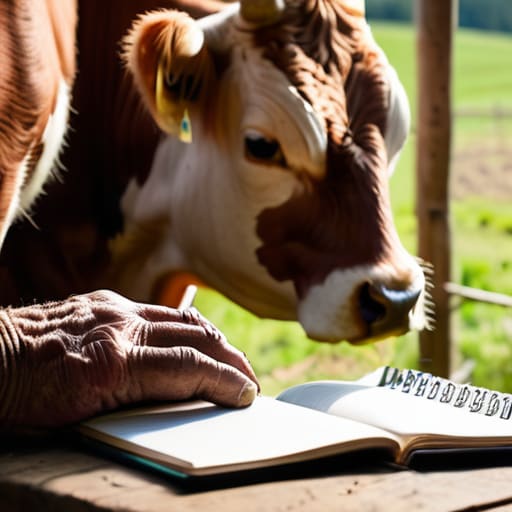
Look, I’ve seen those shiny apps that promise to manage your life while you sleep. Most of them are just expensive ways to stare at a screen. If you haven’t got the capital, don’t go chasing them. A sturdy notebook, a decent pen, and a disciplined habit of writing things down the second they happen will beat a half-baked software package every time. You don’t need a digital revolution; you just need to know your numbers.
When the weather turns and I’m busy in the muck, how do I make sure the record-keeping actually happens instead of just piling up for a rainy day?
If you wait until you’re back in the kitchen with frozen fingers to write it down, you’ve already lost the data. You’ll remember the cow was limping, but you won’t remember if it was Tuesday or Thursday, or if she’d already had a dose of something. Keep a battered notebook or a waterproof tablet in the quad or the tractor cab. Do it while the animal is looking at you. If it isn’t written down immediately, it didn’t happen.