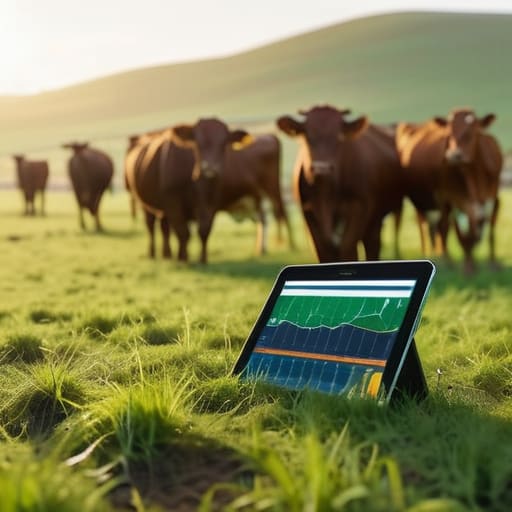
I’ve seen enough glossy brochures from pharmaceutical reps to know that most people treat a “complete guide to herd health planning” like it’s some sort of holy scripture written in a laboratory. They’ll try to sell you on high-tech sensors, expensive new vaccine protocols, and software that costs more than a good set of calving equipment, all while promising you a perfect herd. But if you ask me, most of that is just expensive noise. You can have the most sophisticated digital monitoring system in the county, but it won’t do a lick of good if you haven’t accounted for the muck in the yard or the way your ground holds water in a wet March.
I’m not here to sell you a subscription or a shiny new gadget that’ll be gathering dust in the shed by next Christmas. What I’m going to give you is a bit of a reality check based on forty years of watching what actually keeps a suckler herd in the black. We’re going to talk about the things that actually matter—the real cost of a lame cow, the impact of nutrition on your margins, and how to build a plan that works when the weather turns foul and the prices drop. This isn’t academic theory; it’s about protecting your cash flow.
Table of Contents
Understanding Complete Guide to Herd Health Planning
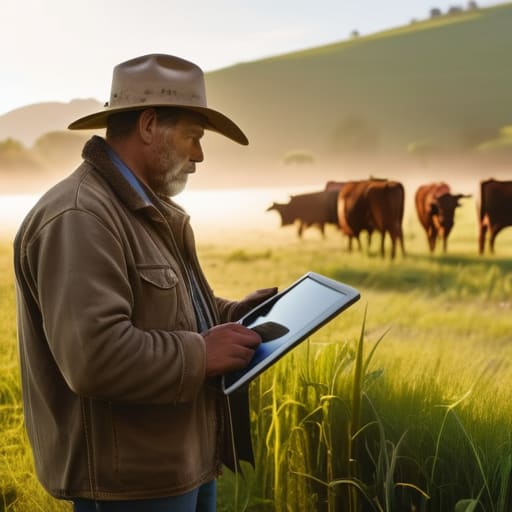
When people hear “herd health planning,” they usually think of a thick folder of paperwork sitting on a desk, gathering dust next to the tax returns. They think it’s about ticking boxes for a subsidy or following a glossy brochure from a pharmaceutical rep. It isn’t. To me, a proper plan is about knowing exactly what is happening in your fields before you have to start making phone calls to the vet in a panic. It’s about moving away from “firefighting” problems and moving toward actual animal wellness monitoring protocols that make sense for your specific ground and your specific stock.
If you’re just reacting to a sudden spike in calf mortality or a sudden drop in milk yield, you aren’t planning; you’re just playing catch-up. A real plan looks at the intersection of herd productivity and nutrition—asking whether that extra bag of concentrate is actually paying for itself in weight gain, or if you’re just throwing money at a problem that starts with poor forage quality. You have to look at the whole picture: the way your biosecurity measures keep the neighbors’ problems out, and how your vaccination schedules actually line up with your breeding cycle, rather than just doing what everyone else is doing because it’s February.
Key Things to Know
If you’re looking for a list of shiny new gadgets to fix your margins, you’re looking in the wrong place. Real health planning isn’t about the latest tech; it’s about the basics you’ve likely been ignoring because they aren’t “exciting.” Most people jump straight to complex vaccination schedules for livestock without first checking if their fences are holding or if their water troughs are actually clean. You can have the most expensive protocol in the county, but if your biosecurity is a sieve and your ground is turning to a bog, you’re just throwing money into a hole.
You also need to understand that a vet isn’t just someone you call when something is dying. There are real veterinary consultation benefits to having someone look at your system before the crisis hits. I’ve learned the hard way that waiting for a clinical sign usually means you’ve already lost the profit on that animal. It’s about watching the subtle shifts in how they move and how they eat. If you aren’t monitoring the small things, you aren’t planning; you’re just reacting.
Practical Tips and Steps
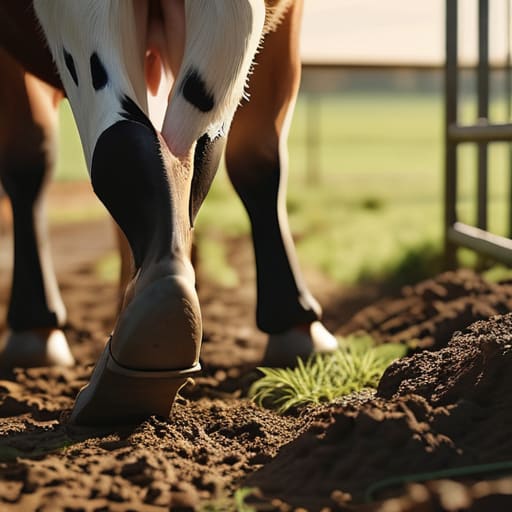
First, stop treating your health plan like a folder of papers you only open when the vet is standing in the yard. A real plan starts with the gate. You need strict biosecurity measures for farms that actually work—meaning no more letting the neighbour’s rogue bull wander through your clean pens without a proper quarantine. If you aren’t checking the feet of every animal coming off the truck, you aren’t planning; you’re just hoping. I’ve seen more profit vanish into a single case of footrot than in an entire year of bad market prices, so make the walk-through a daily habit, not a monthly chore.
Secondly, get your records in order before the crisis hits. You can’t manage what you don’t measure. This means tracking more than just births and deaths; you need to be looking at herd productivity and nutrition side-by-side. If a cow is eating the same amount of grass but her condition is dropping, your “plan” is failing. Don’t just follow a generic vaccination schedule for livestock because a salesman told you to; sit down with your vet and tailor it to your specific ground and your specific stock. It’s about the margins, not the checklists.
Common Mistakes to Avoid
The biggest mistake I see is people treating their health plan like a shopping list of fancy products rather than a working document. You can buy every shiny new supplement on the market, but if your biosecurity measures for farms are non-existent—meaning you’re letting every neighbor’s stray sheep wander through your yard without a thought—you’re just throwing money into a black hole. A plan isn’t a set of rules you print out once and stick on the office wall; it’s a living thing that has to change when the weather turns or the ground gets too wet.
Another trap is focusing entirely on the big, dramatic outbreaks while ignoring the slow leaks in your bank account. I’ve seen lads spend a fortune on complex vaccination schedules for livestock, yet they won’t lift a finger to check for early signs of lameness or poor condition. You have to stop looking for the “miracle cure” and start looking at the daily reality of your stock. If you aren’t watching the way they move and what they’re actually eating, you aren’t planning; you’re just hoping for the best, and hope is a very expensive way to run a business.
Final Thoughts
At the end of the day, a folder full of paperwork doesn’t make a farm healthy; the animals in the field do. You can follow every textbook recommendation to the letter, but if you aren’t walking the fences and looking at the condition of your stock, you’re just playing at it. A real plan isn’t about ticking boxes for a subsidy inspector; it’s about knowing your margins and ensuring that your investment in animal wellness monitoring protocols actually translates into a better bottom line at the mart.
Don’t get caught up in the latest expensive gadget or a fancy new software package that promises to do the thinking for you. Most of the time, the best tool you have is a keen eye and a bit of discipline. Focus on the basics: tight biosecurity measures for farms to keep the bad stuff out, and a sharp eye on the grass and the feet to keep the good stuff going. If you keep your head down, watch your cash flow, and treat your herd like the business it is, you’ll find you’re spending far less time fighting fires and more time actually farming.
Five things that actually matter when you're looking at the books
- Stop obsessing over the fancy diagnostic kits and start looking at your records for the stuff that actually moves the needle—like calving intervals and weaning weights. A shiny new piece of tech won’t save you if you haven’t got the discipline to write down why a heifer failed to conceive in the first place.
- Watch the feet, not just the fever. You can spend a fortune on preventative vaccinations, but a single bad bout of lameness in your best breeding cows will wipe out more profit than any virus ever could. If you aren’t walking the pens looking at how they move, your health plan is just a piece of paper.
- Plan your nutrition around the grass, not the calendar. I don’t care what the supplement salesman says your herd needs in March if your ground is still waterlogged and your forage quality is rubbish. A health plan that ignores the reality of your rainfall and your soil is a fantasy.
- Keep your medicine cabinet lean. I’ve seen too many young lads buy every new bottle of something because the brochure promised “optimal results.” If it isn’t part of a proven, repeatable cycle that shows a return in animal performance, leave it on the shelf.
- Treat your data like your cash flow. If you aren’t tracking the cost of every vet call and every litre of concentrate against the weight gain you’re actually seeing, you aren’t “planning” anything—you’re just hoping for the best, and hope is a very expensive way to run a farm.
The Bottom Line
Stop obsessing over rare diseases and start looking at the feet; lameness is a silent thief that bleeds your cash flow dry long before a major outbreak ever hits the gate.
A health plan is worthless if it isn’t built on the reality of your ground and your grass, because you can’t medicate your way out of poor nutrition or bad weather.
If a piece of advice or a new protocol doesn’t directly protect your margins or reduce your cost per head, it’s probably just someone else’s way of selling you something you don’t need.
The Bottom Line
At the end of the day, a herd health plan isn’t some shiny folder of certificates you keep to impress a bank manager or a consultant. It is a living, breathing map of your margins. If you aren’t looking at the intersection of grass quality, foot health, and your actual cash flow, you aren’t planning; you’re just hoping for the best. We’ve talked about the necessity of tracking lameness, the importance of seasonal adjustments, and the danger of chasing expensive, unproven protocols. Remember that every decision you make should be measured against one simple metric: is this making the cow more efficient or just making my life more complicated? If the math doesn’t work on paper, it certainly won’t work in the field when the weather turns.
Farming is a game of long cycles and hard lessons, and I’ve certainly paid my dues in both. You will make mistakes—I have—but the goal is to make them expensive enough to learn from, but not so expensive they sink you. Don’t get distracted by the latest marketing hype or the newest piece of kit that promises a miracle. Stick to the fundamentals: watch your ground, watch your stock, and keep a sharp eye on the ledger. If you get the basics right, the rest of the noise tends to fade away. Now, get out of the office and go check the gates.
Frequently Asked Questions
How do I actually calculate the cost of a single lame cow versus just paying the vet to fix it?
You don’t just look at the vet’s invoice. That’s the easy part. You have to look at the lost days on feed, the missed calving window, and the drop in weaning weight because she’s not walking to the trough. If a vet visit is £100, but that cow loses 50kg of calf weight because she’s limping for three weeks, you haven’t “saved” money by delaying treatment. You’ve just bled cash through your boots.
When the weather turns and the grass stops growing, how much should I be adjusting my health plan to protect my cash flow?
When the grass stops, your health plan shouldn’t change, but your scrutiny has to. This is when the “hidden” costs bite. If you’re pushing forage to make up for the lack of growth, you’re inviting metabolic issues that’ll gut your margins. Don’t go buying fancy supplements to fix a nutritional gap; instead, tighten your eye on the condition of the cows. A cow that loses too much weight now is a drain on your cash flow for the next year.
Which parts of this plan are actually worth the paperwork, and which ones are just more busywork for the sake of a subsidy?
If it doesn’t help you spot a problem before it hits your bank balance, it’s probably busywork. Tracking your calving rates and parasite loads? That’s worth the ink; it tells you if you’re actually making money. But those fancy, multi-page wellness audits that serve no purpose other than to tick a box for a government inspector? Leave them for the office. If the data won’t help you fix a lame cow or a bad heifer, don’t bother writing it down.
