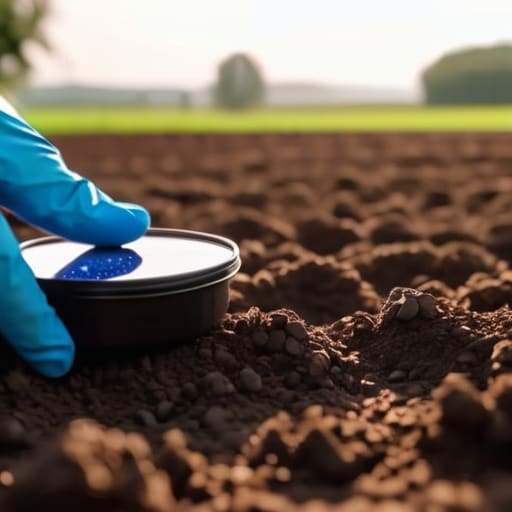
I’ve spent half my life watching salesmen in clean wellies try to convince me that my livestock need a bespoke, multi-stage nutritional suite that costs more than the diesel in the tractor. They’ll hand you a glossy brochure full of charts, but they never ask you how much rain fell on your north pasture in March or what the soil pH actually looks like after a wet winter. If you’re looking for a magic pellet to fix a broken system, you’re wasting your time; learning how to manage minerals isn’t about buying the most expensive bag on the shelf, it’s about understanding the gap between what your grass provides and what your animals actually need to keep their heads up.
I’m not here to sell you a subscription to a fancy feed program or a miracle supplement. What I want to do is pull the curtain back on the actual math of it all. I’ll tell you where I’ve wasted money on high-spec blocks that ended up as nothing more than expensive grit in the field, and I’ll show you how to look at your land so you can stop flushing cash down the drain. We’re going to talk about grass, ground, and the hard numbers that actually affect your bottom line.
Table of Contents
- Stop Guessing With Your Livestock How to Manage Minerals Properly
- The Hidden Cost of Ignoring Trace Element Balance
- Mistaking Mineral Deficiency Symptoms for Bad Luck
- Why Your Supplementation Strategies Are Wasting Cash Flow
- Optimizing Mineral Absorption Without Buying Every Shiny Product
- Five Ways to Stop Flushing Minerals Down the Drain
- The Bottom Line on Minerals
- The Bottom Line on Minerals
- Frequently Asked Questions
Stop Guessing With Your Livestock How to Manage Minerals Properly

Most of the lads I know treat mineral supplementation like a game of darts—they throw a bag of premix at the trough in spring and hope for the best. But hope isn’t a management strategy, and it certainly isn’t a way to balance a ledger. If you aren’t looking at your soil tests and your pasture growth first, you’re just guessing. You might be pouring expensive cobalt into a system where the animal can’t even absorb it because the copper levels are already off, or worse, you’re missing the subtle mineral deficiency symptoms like a slight drop in conception rates or a coat that looks more like straw than wool.
You have to stop looking for a magic pill and start looking at the trace element balance across the whole farm. I’ve seen men spend thousands on fancy lick blocks only to find out their ground is so leached that the animals are barely touching them. Real management means understanding your specific soil profile and matching your supplementation strategies to what the grass is actually providing. If you aren’t testing the ground and the forage, you aren’t managing; you’re just gambling with your margins.
The Hidden Cost of Ignoring Trace Element Balance

Most people look at a cow and see a beast to be fed, but I see a walking, breathing biological machine that is constantly trying to balance its own chemistry. When you ignore that trace element balance, you aren’t just risking a bit of poor growth; you are leaking profit through every crack in the floorboards. I’ve seen it a dozen times: a heifer that looks “fine enough” on the surface but is actually struggling with low copper or selenium. By the time you start seeing obvious mineral deficiency symptoms—like a drop in fertility or a coat that looks like it’s been brushed with sand—the damage to your reproductive cycle is already done. You aren’t just losing a calf; you’re losing the momentum of the entire season.
It’s a quiet thief. It doesn’t show up as a sudden death, which is easy to write off, but as a slow, grinding erosion of your margins. You might think you’re saving a few quid by skipping the high-spec lick or the targeted supplementation strategies, but you’re really just paying for it in sub-par weaning weights and extra days in the field. If the math doesn’t work, the animal won’t work.
Mistaking Mineral Deficiency Symptoms for Bad Luck
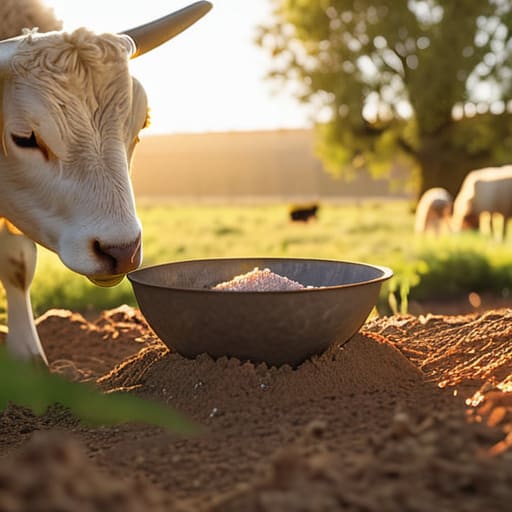
I’ve sat in the yard more times than I care to admit, watching a heifer stumble or a lamb fail to thrive, and thinking, “That’s just a bad year” or “The weather’s turned against us.” It’s a comforting lie. It’s much easier to blame a wet spring or a dip in the market than it is to admit you’ve missed something fundamental in the trough. But when you see a sudden drop in fertility or a sudden spike in lameness, don’t just shrug and call it bad luck. Most of the time, you aren’t fighting fate; you’re fighting a lack of trace element balance.
If you wait until you see the physical signs—the hair loss, the poor coat, or the reproductive failures—you’ve already lost the battle. By then, the damage to your margins is done. Those mineral deficiency symptoms are just the final, expensive warning bells. I’ve learned the hard way that trying to fix a problem once the animal is already showing it is like trying to fix a broken leg while you’re still running a race. You aren’t just losing the animal; you’re losing the time and the profit that animal was supposed to generate.
Why Your Supplementation Strategies Are Wasting Cash Flow
I’ve seen it a dozen times: a farmer buys the most expensive, fancy-labeled lick block on the market because the salesman promised it would turn a scrubby heifer into a prize winner. They pour money into these supplementation strategies like they’re feeding a pet, not managing a business. The problem is that most of that expensive product never actually makes it into the animal. If your soil is depleted or your forage quality is bottoming out, you aren’t feeding your herd; you’re just providing an expensive snack that ends up as nothing more than a way to attract flies.
You have to look at the actual return on investment for every bag you open. If you aren’t matching your dietary mineral intake to what the ground is actually providing, you’re just flushing cash down the drain. I’ve learned the hard way that dumping more minerals into the system doesn’t fix a fundamental lack of mineral absorption optimization. If the gut isn’t right, or the balance is skewed, that extra copper or selenium is just passing straight through them and into the muck heap. It’s not about how much you put in the trough; it’s about how much actually makes it into the blood.
Optimizing Mineral Absorption Without Buying Every Shiny Product
The sales reps will tell you that the answer is always a bigger bag of something more expensive, but they aren’t the ones looking at the ledger at the end of the year. You can dump all the selenium you want into the trough, but if the rumen environment is off or the soil pH is fighting you, you’re essentially just paying for expensive manure. Real mineral absorption optimization isn’t about the quantity of what you throw at them; it’s about the bioavailability and the timing. If the gut isn’t right, the minerals won’t be either.
I’ve learned the hard way that you have to look at the whole picture—the grass, the soil, and the animal’s health—before you reach for the supplement bucket. Instead of chasing every new “super-mineral” blend, focus on your dietary mineral intake through the lens of what the animal can actually process. It’s better to have a steady, balanced supply that works with the animal’s biology than a high-octane cocktail that goes straight through them. Stop trying to outsmart the biology and start working with it.
Five Ways to Stop Flushing Minerals Down the Drain
- Get a soil analysis before you touch a lick of supplement; if the ground is empty, you’re just trying to fill a bucket with a hole in the bottom.
- Stop buying the fancy pre-mixes with the glossy labels and start looking at the actual elemental breakdown—half the time you’re paying for marketing, not magnesium.
- Watch the timing of your delivery; throwing expensive minerals out on parched, high-sugar grass is a fast way to ensure they end up in the dung heap instead of the animal.
- Check your water quality as often as you check your fences, because if your troughs are full of heavy metals or high sulphates, they’ll block the very minerals you’re trying to provide.
- Keep a notebook, not a spreadsheet; if you see a sudden dip in lambing weights or a cow looking a bit off, look at what you fed them three weeks ago, not three days ago.
The Bottom Line on Minerals
Stop treating mineral blocks like a magic wand; if your soil is empty and your grass is poor, you’re just paying for expensive urine instead of building better livestock.
A deficiency isn’t “bad luck” or “a hard season”—it’s a math problem that shows up in your bank account through poor weaning weights and failed pregnancies.
Before you buy the most expensive supplement on the market, check your ground and your rainfall, because the best mineral program is the one that actually matches what your land can support.
The Bottom Line on Minerals
At the end of the day, managing minerals isn’t about following the latest trend in a glossy brochure or buying the most expensive premix on the market. It’s about understanding that your soil, your grass, and your animals are part of one single, interconnected system. If you aren’t testing your ground and watching how your stock actually performs, you aren’t managing; you’re just gambling with your margins. Stop looking for a magic pill in a bucket and start looking at the balance between what’s in the field and what’s actually making it into the bloodstream. If you get the fundamentals of trace elements right, you stop the quiet, invisible leak of cash flow that comes from poor fertility and slow-growing calves.
I’ve spent forty years watching farmers chase shadows, trying to fix a problem with more expensive kit or better genetics, only to realize the answer was sitting in a simple soil analysis they were too busy to read. Farming is hard enough without making it more complicated than it needs to be. Don’t let the industry convince you that more is always better; sometimes, less is more when it comes to the sheer volume of products you buy. Focus on the biology, respect the ground you stand on, and keep your eyes on the numbers. If you do that, you might just find that the most profitable thing you ever did was stop overcomplicating the basics.
Frequently Asked Questions
If I’ve already been using a standard lick for years, how do I actually know if it’s doing anything at all or if I'm just feeding the soil?
If you’ve been running the same lick for five years without changing a thing, you aren’t managing minerals; you’re just paying a subscription fee to the manufacturer. To know if it’s working, stop looking at the bag and start looking at the animals. Are the ewes hitting condition before lambing? Are the calves showing vigor, or just surviving? If you haven’t run a blood test or a soil analysis in three years, you’re just guessing.
At what point does adding more trace elements stop being an investment and start being a waste of money because the animals can't even absorb it?
It stops being an investment the moment you start chasing a number on a bag rather than looking at the animal in front of you. If your soil is depleted or your forage is low in a specific element, you can dump the most expensive trace mineral block in the county into the trough, but if the balance is off—say, too much copper competing with zinc—it’ll all just end up in the dung heap. You aren’t feeding the cow; you’re just fertilizing the field with expensive waste.
When the grass is coming up thick and lush in the spring, does that change the mineral math, or am I still looking at the same requirements?
It changes everything, and that’s exactly where the trap lies. When that spring grass starts pushing, it’s high in energy but often a mineral desert. You’ve got lush, fast-growing growth that can actually dilute the trace elements in the plant. If you stick to your winter requirements, you’re flying blind. You aren’t just feeding them; you’re trying to outpace the dilution. Watch the grass, watch the rainfall, and adjust your math accordingly.
