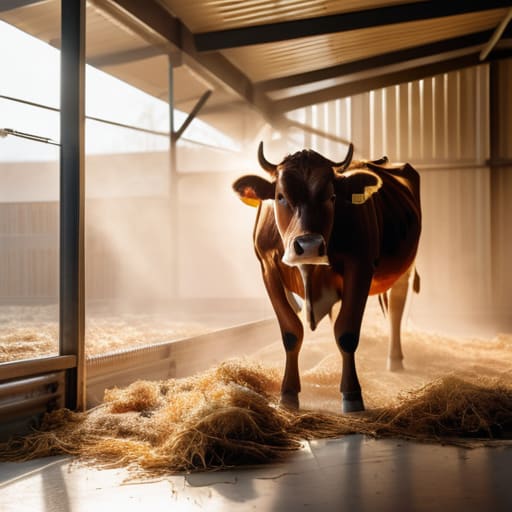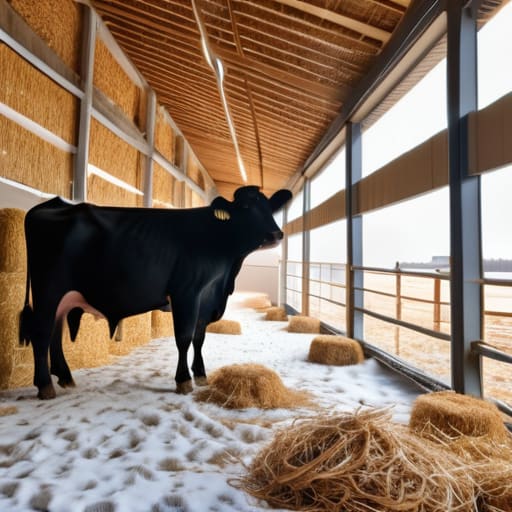
How to buy stock without buying disease.

Questions to Ask Before You Load Anything

If you listen to the lads in the shiny suits at the livestock auctions or the glossy brochures from the big ag-tech firms, they’ll tell you that preventing infection is all about high-tech testing kits and expensive, preventative chemical regimes. They make it sound like a science experiment you can solve with a credit card. But let me tell you, after forty years of watching what actually happens when a bad animal hits a clean field, I can tell you that’s nonsense. Real biosecurity isn’t found in a lab report; it’s found in your eyes and your gut. If you want to learn how to buy stock without buying disease, you need to stop looking at the pedigree papers and start looking at the way a beast carries itself and the history of the ground it stood on.

I’m not here to sell you a new brand of disinfectant or a subscription to some fancy diagnostic service. I’m going to tell you what I’ve learned from the mistakes that cost me a year’s profit and the close calls that kept me awake at night. We’re going to talk about the red flags that no test can catch, the questions you need to ask a seller before you even step out of the truck, and why the cheapest animal in the ring is often the most expensive one you’ll ever own.

Table of Contents

Understanding How to Buy Stock Without Buying Disease

Understanding How to Buy Stock Without Buying Disease

You can’t just walk into a sale and trust a sticker on a nose tag. I’ve spent forty years watching men get blinded by a shiny pedigree, only to realize they’ve bought a walking vet bill and a mountain of debt. If you want to avoid bringing a wreck into your system, you have to look past the animal and look at the history of the place it came from. If a seller is being tight-lipped about their recent testing or the movement of their stock, they aren’t being private; they’re being careful.

It’s a bit like those city types talking about socially responsible investing or screening stocks for ethical concerns; they’re looking for the rot underneath the surface before they commit their capital. In my world, that “rot” is a subclinical case of BVD or a trace of Johne’s that hasn’t quite shown its face yet. You aren’t just buying a beast; you are buying the biological risks that come with it. If you aren’t checking the ground they stood on and the paperwork they carry, you aren’t buying stock—you’re gambling with your margins.

Key Things to Know

Key Things to Know: livestock supplier inspection.

First, you have to stop looking at the animal in isolation and start looking at the system it came from. If a seller is pushing a deal that seems too good to be true, they aren’t just selling you a beast; they’re selling you their problems. I’ve seen plenty of lads try to apply something akin to screening stocks for ethical concerns when they’re looking at a supplier’s history, but in this business, you don’t look at a spreadsheet—you look at the muck and the movement. If the farm looks like a graveyard of broken fences and neglected drainage, you can bet your last pound that the health records are just as neglected.

Secondly, don’t get distracted by the pedigree papers or the fancy sales catalogue. A certificate won’t stop a respiratory outbreak or a parasite load that’ll gut your margins by mid-summer. You need to be as disciplined as someone practicing socially responsible investing, but instead of looking at carbon footprints, you’re looking at the biosecurity protocols and the history of the bloodline. If they can’t tell you exactly where that animal has been for the last six months, walk away. A cheap animal with a hidden history is the most expensive mistake you’ll ever make.

Practical Tips and Steps

Practical Tips and Steps for cattle selection.

First, stop relying on a seller’s word and start looking at the animal’s history where it actually lives. If you’re buying a replacement heifer, don’t just look at her frame; look at the ground she’s been standing on. I’ve learned the hard way that a beast can look like a prize winner in a clean yard, but if she’s come from a system that ignores basic biosecurity, you’ve just invited a Trojan horse into your sheds. You need to treat your selection process like screening stocks for ethical concerns in a financial portfolio—you aren’t just looking at the immediate payout, you’re looking at the hidden liabilities that will bleed you dry in six months.

Secondly, never skip the physical inspection of the feet and the coat. A shiny coat can hide a multitude of internal parasites, and a slight limp is often the first sign of something much more expensive. I’ve seen men try to justify a “bargain” price by ignoring a dull eye or a patchy hide, thinking they can fix it with a quick course of meds. That’s a fool’s errand. Real value is found in the animals that don’t require constant intervention. If you can’t see the history of the animal’s health in her condition, walk away.

Common Mistakes to Avoid

The biggest mistake I see is the man who thinks a clean mouth and a bright eye are enough to clear a beast for purchase. He’s looking at the animal, but he isn’t looking at the history. I’ve seen plenty of lads get caught out because they didn’t ask to see the movement records or the recent testing history. They treat a livestock purchase like a quick transaction rather than a long-term commitment. If you aren’t looking at the paperwork behind the animal, you aren’t buying stock; you’re gambling with your livelihood.

Then there’s the temptation to chase the “fancy” looking animal that’s been polished up for the sale ring. It’s a lot like how people talk about ethical investing strategies in the city—they want the shiny, high-performing asset without looking at the underlying rot. In this yard, that rot shows up as a subclinical infection that’ll sit in your herd for three years before you even notice it. Don’t get blinded by a pedigree or a bit of show-ring conditioning; if the seller is dodging questions about the previous farm’s biosecurity, walk away immediately.

Final Thoughts

At the end of the day, you aren’t just buying an animal; you’re buying the history of every field it’s stood in and every hand that’s touched it. I’ve learned the hard way that a clean looking beast can still carry a hidden legacy of trouble. If you try to shortcut the process to save a few quid on the purchase price, you’ll find yourself paying ten times that back in vet bills and lost weaning weights. It’s a bit like those folks talking about screening stocks for ethical concerns in the city; they’re looking for the rot beneath the surface, and in this business, the rot is usually biological.

Don’t let the excitement of a new addition cloud your judgment. Keep your eyes on the ground, your nose in the records, and your hands off your wallet until you’re certain. Success in this trade isn’t about the flashiest sale at the mart; it’s about protecting your margins by being the most cynical man in the yard. If it feels off, it usually is. Trust your gut, check the feet, and remember that cash flow is king, but a sick herd will bleed you dry faster than any drought.

Five ways to keep the rot out of your gates

  • Stop looking at the animal and start looking at the yard. A man can show you a beast that looks like a champion, but if you look at the footing in his shed and see standing water and filth, you’re looking at a walking infection. If the environment is poor, the animal is a carrier, no matter how much he shines in the sunlight.
  • Don’t trust a ‘clean’ blood test just because the seller handed you a piece of paper. I’ve seen enough lads take a clipboard at face value only to find out the testing was done on a different group or, worse, half a year out of date. If you aren’t seeing the results with your own eyes, assume the paperwork is just a way to move the liability from his books to yours.
  • Watch the way they move, not just how they stand. A salesman will have them standing on a slope or a fresh bit of bedding to hide a limp, but you need to see them walk on level ground. If there’s a hitch in the gait or a heaviness in the step, walk away. Lameness is often the first sign of something much more expensive lurking under the skin.
  • Never buy a beast that’s been “treated” right before the sale. I’ve seen it time and again—a farmer knows he’s got a problem, so he pumps the stock full of antibiotics to mask the symptoms just long enough to get them off his land. If the animal looks suspiciously “bright” after a bout of nothing, or if the seller is being overly defensive about recent med use, keep your money in your pocket.
  • Check the neighbors, not just the seller. If you’re buying from a man three miles down the road, ask the folks on either side of him how his stock is doing. People in this business talk, and they’ll tell you if a man’s been struggling with BVD or scab long before the official inspectors ever show up. A bit of local gossip is worth more than any glossy brochure.

The Bottom Line Before You Sign the Check

Don’t let a fancy pedigree or a salesman’s grin blind you; if you can’t see the animal’s history in its feet and its coat, you’re just buying a walking vet bill.

Disease isn’t just about what you see in the yard, it’s about the quiet costs—the missed weaning weights and the wasted grass that eat your margin long after the animal arrives.

If you haven’t checked the ground they came from and the weather they’ve endured, you don’t actually know the stock you’re bidding on.

The Bottom Line

At the end of the day, buying stock isn’t about finding the prettiest animal in the yard or the one with the most impressive pedigree on a piece of paper. It’s about the discipline of looking at the actual condition of the beast, questioning the history of the farm you’re buying from, and having the sense to walk away when something doesn’t sit right in your gut. You can check the papers and the test results all you like, but if the animal looks hollow or the seller is too eager to move them on, you aren’t buying an asset; you’re buying a ticking time bomb for your biosecurity and your bank balance.

I’ve spent forty years watching men lose sleep and hard-earned capital because they let their guard down for one afternoon at a sale. Farming is hard enough without inviting trouble through your own front gate. If you take nothing else from this, let it be this: treat every new animal as a potential threat until they’ve proven otherwise through quarantine and observation. It might feel slow, and it might feel frustrating when the neighbors are moving faster than you, but patience is the cheapest insurance you will ever buy. Stick to your systems, watch your grass, and don’t let a bit of excitement blind you to the reality of the risk.

Frequently Asked Questions

If the paperwork looks straight and the vet's cert is signed, how do I spot the animal that’s actually carrying something the tests missed?

Paperwork is just ink on a page, and a vet’s signature won’t stop a parasite or a slow-burning virus. You have to use your own eyes. Look at the condition—not the “gloss” a salesman sprays on, but the actual depth of the flank and the brightness in the eye. Watch how they move through the gate; a slight hesitation or a lack of drive tells you more than a certificate ever will.

Is it worth paying the premium for a strictly closed herd, or am I just paying for a bit of peace of mind that won't hold up when the neighbors' stock comes in?

You’re paying for a bit of peace of mind, certainly, but don’t mistake a certificate for a fortress. A closed herd is a fine hedge against what you bring in yourself, but it won’t stop a neighbor’s rogue bull or a rogue movement from the auction mart. If you can afford the premium, do it—but don’t let the paperwork make you lazy. You still need to watch the gates and the feet.

How do I balance the need to bring in fresh blood to fix my breeding lines without turning my whole farm into a petri dish for the next outbreak?

You don’t fix a line by inviting the whole world into your yard. It’s a balance of isolation and patience. Bring the new stock in, but they stay in the holding pen or a far paddock for three weeks, minimum. I don’t care how much the pedigree costs; if they haven’t been watched for a cough or a limp in twenty-one days, they aren’t joining the herd. Quarantine isn’t a suggestion; it’s your insurance.

How quarantine should work for incoming stock.

Quarantining Bought-in Stock Properly

I’ve seen enough glossy brochures and “expert” webinars to know that most people have no clue how quarantine should work; they think it’s about buying a fancy new electronic gate or some overpriced disinfectant that smells like a chemist’s shop. I remember back in ’92, a neighbour of mine—a decent man, but far too trusting—brought in a handful of replacement heifers without so much as a second glance at their feet or their temperament. Within three weeks, he wasn’t just dealing with a few sick animals; he was watching his entire spring calving plan go down the drain because he’d let a single carrier walk straight into his main herd.

I’m not here to sell you a subscription to a management software or a new brand of chemical spray. What I’m going to give you is the reality of what it takes to protect your bottom line when you’re bringing new blood onto the farm. We’ll talk about the actual physical barriers you need, the specific things to look for in a pen that a vet might miss, and how to manage the transition without bleeding cash on unnecessary gadgets.

Table of Contents

Stop Treating Quarantine Like a Suggestion How Quarantine Should Work

Stop Treating Quarantine Like a Suggestion How Quarantine Should Work

If you think a few days in a corner of the field is enough, you’re playing a dangerous game with your margins. Real quarantine isn’t just about keeping a new animal out of the main herd; it’s about a strict set of standard operating procedures for quarantine that starts the moment the trailer hits the yard. I’ve seen men try to save a bit of time by mixing a new bull with the resident stock after a week, only to spend the next six months watching their weaning weights crater because of a respiratory bug they brought in themselves.

You need a dedicated space—ideally something with its own water source and a gate that doesn’t lead back to the main grazing—where the animal can settle without stress. This isn’t just about watching for a limp; it’s about observing how they actually eat and move when they aren’t being watched by a salesman. Following proper quarantine period guidelines means you accept the temporary inconvenience of extra work to avoid the permanent disaster of a sick herd. If you can’t afford the time to do it right, you can’t afford to buy new stock.

Why Your Quarantine Isolation Protocols Are Leaking Money Every Day

Why Your Quarantine Isolation Protocols Are Leaking Money Every Day

People like to look at a new animal and see a potential profit, but I look at them and see a potential leak in the bank account. If you aren’t following strict standard operating procedures for quarantine, you aren’t just risking a cough or a limp; you’re gambling with the entire herd’s margin. I’ve seen it happen: a farmer brings in a handful of replacement heifers, skips the isolation period because “they look fine,” and three weeks later, he’s watching his best ewes lose condition because a parasite or a respiratory bug hitched a ride on those newcomers.

The real cost isn’t just the vet bill—it’s the compounded loss of milk solids, weight gain, and reproductive efficiency across the whole system. When your quarantine isolation protocols fail, you aren’t just losing one animal; you’re paying for the privilege of spreading a problem through every gate and trough on the farm. It’s a slow, expensive bleed that most people don’t notice until the end-of-year figures come in and the cash flow is thinner than a summer drought.

The High Cost of Ignoring Strict Quarantine Period Guidelines

The High Cost of Ignoring Strict Quarantine Period Guidelines

You can run the numbers on a new purchase all day long, but if you aren’t accounting for the shadow cost of a failed isolation, your spreadsheet is a lie. I’ve seen men pride themselves on a “bargain” heifer, only to watch that animal bring a respiratory bug into a whole weaning group. Suddenly, you aren’t just paying for the one sick animal; you’re paying for the vet calls, the extra feed for the ones struggling to gain, and the staggering loss in weaning weights across the entire cohort. When you ignore the quarantine period guidelines that keep a sickness contained, you aren’t saving time—you’re just financing a disaster.

It isn’t just about the immediate vet bill, either. It’s the slow bleed. A calf that spends its first month fighting off a sub-clinical infection is a calf that will never hit its genetic potential. You might think you’re being efficient by mixing them in early, but you’re actually just trading a few days of convenience for months of poor performance. If your standard operating procedures for quarantine are loose, you aren’t managing a herd; you’re managing a gamble.

Managing Incoming Inventory Quarantine Before the Rot Sets in

You can have the best fence in the world, but if you aren’t managing incoming inventory quarantine with a bit of common sense, you’re just building a high-end enclosure for a disaster. I’ve seen it happen too many times: a handful of new stock arrives, they look fine on the trailer, and they’re mixed straight in with the main herd because the back paddock is too muddy or the gate is stuck. That’s not farming; that’s gambling. You need a dedicated space that isn’t just a corner of the field, but a controlled environment where you can actually see what’s happening.

Real success comes down to having solid standard operating procedures for quarantine that don’t change based on how busy you are. It means checking every single animal for the small things—the slight limp, the dull eye, the off-colour coat—before they ever get near your breeding line. If you treat it as a chore rather than a fundamental part of the job, you’ll find yourself chasing shadows and vet bills instead of focusing on the grass and the growth.

Standard Operating Procedures for Quarantine That Actually Save Cash

If you want a list of fancy rules that look good in a folder but fail the moment a trailer pulls into the yard, go talk to a consultant. On a working farm, standard operating procedures for quarantine aren’t about paperwork; they are about physical boundaries and the discipline to stick to them when you’re tired and the weather is turning. It starts with a dedicated space that isn’t shared with anything else—no “temporary” fixes in the corner of a communal field. You need a setup where you can observe an animal’s temperament and eating habits without the rest of the herd watching or interfering.

The real secret to making these protocols pay for themselves is consistency in the small things. I’m talking about a fixed routine: checking temperature, watching the dung, and ensuring your footbath is actually being used, not just sitting there as a decoration. When you’re managing incoming inventory quarantine, the goal isn’t just to keep a disease out; it’s to ensure that whatever enters your system is actually worth the grass it’s going to eat. If your process is too loose to catch a limp or a cough, you aren’t managing a farm, you’re just gambling with your margins.

Five ways to keep the rot out of your main herd

  • Separate by more than just a fence. If your new stock is sharing the same water trough or walking the same path to the lick, you haven’t quarantined them; you’ve just invited the problem to dinner. You need a physical barrier that keeps their waste and their pathogens entirely out of the rotation of the rest of the mob.
  • Watch the feet, not just the nose. Everyone looks for a cough or a runny eye, but a limp or a sudden change in how a heifer carries herself tells a much more expensive story. If they aren’t sound in the feet when they arrive, they’ll be costing you in lost weight and vet calls before they’ve even settled into the field.
  • Don’t trust the seller’s word over your own eyes. I don’t care how much a pedigree certificate costs; if the animal looks hollow or the coat is dull, it stays in the pen. You’re paying for the animal, but you’re also paying for the risk they bring with them. If the math doesn’t work on the animal’s condition, walk away.
  • Keep a paper trail that actually means something. I don’t mean a folder of glossy brochures; I mean a notebook that records exactly when they arrived, what they were fed, and any change in their dung or temperature. If you can’t look back at a date and see a pattern, you aren’t managing—you’re just guessing.
  • Treat the quarantine period as a fixed cost, not a nuisance. It’s easy to want to move them into the main pasture a week early because the grass looks good or you need the space, but that’s how a single bad animal turns into a whole herd of problems. Set your days, stick to them, and don’t let the weather or your impatience dictate your biosecurity.

The bottom line on keeping new stock from ruining your year

Quarantine isn’t a courtesy you extend to new animals; it’s a barrier you build to protect the cash you’ve already sunk into your existing herd.

If you haven’t factored the cost of isolation pens, extra labor, and the inevitable vet check into your purchase price, you haven’t actually calculated what that animal costs you.

A strict protocol might feel like a headache during a busy week, but it’s a hell of a lot cheaper than trying to manage a disease outbreak when the ground is wet and the prices are low.

The Bottom Line on Biosecurity

At the end of the day, quarantine isn’t some academic exercise or a box to tick for a government inspector; it is a fundamental part of your cash flow management. You can spend your morning obsessing over the pedigree papers of a new heifer, but if you haven’t accounted for the cost of a dedicated isolation pen, a strict footbath regime, and the inevitable delay in her joining the main herd, you haven’t actually calculated the price of that animal. We’ve talked about the procedures, the lost weight, and the sheer, unadulterated cost of letting a single sick animal turn your entire system into a money pit. If you treat biosecurity as an optional extra, you aren’t just risking a disease outbreak—you are actively choosing to leak profit through every gate and every trough.

I’ve spent forty years watching good stock go wrong and even better farms go under because someone thought they could “wing it” with a new arrival. It’s easy to feel like you’re being overly cautious when the sun is out and the grass is growing, but the real test of a farmer is how they handle the invisible risks. Don’t let the desire for a quick turnover blind you to the long-term stability of your herd. Build your protocols around common sense and hard numbers, not convenience. It might feel like more work today, but I promise you, the peace of mind that comes with knowing your main herd is secure is worth far more than the few hours you’ll save by cutting corners.

Frequently Asked Questions

If I’ve got a dry field tucked away in the corner, is that enough of a barrier, or am I just inviting the problem to wander back in when the wind shifts?

A dry field in the corner is a start, but don’t mistake distance for a barrier. If that field shares a fence line with your main herd, you haven’t quarantined anything; you’ve just moved the problem ten yards down the track. Disease doesn’t care about a bit of elevation or a dry patch of ground. Unless you’ve got a physical, controlled way to stop a shared water trough or a wandering sheep, you’re just gambling.

How long do I actually keep them separated before I can trust they aren't carrying something that'll gut my whole herd?

If you’re looking for a magic number, you’re already looking at it wrong. It depends on what you’re buying. If it’s a heifer you’re watching for respiratory issues, twenty-one days might suffice. But if you’re bringing in stock that’s been through a different system, I wouldn’t trust them for a full month. I’ve seen too many men pull them in too early, only to watch a sub-clinical bug sweep the yard by week three. Give them the month.

At what point does the cost of the extra feed and the extra labor for the quarantine pen stop being a precaution and start being a waste of money?

It stops being a precaution the moment you’re feeding a beast that’s already lost the race. If you’ve got a calf that’s spent three weeks in a pen, isn’t gaining weight, and is just eating through your margins without any sign of settling, you’re not “protecting the herd”—you’re subsidizing a loss. At that point, the extra labor and feed aren’t biosecurity; they’re just expensive ways to watch your cash flow disappear.

How to prevent common diseases with hygiene.

Prevention Is Mostly Quarantine and Hygiene

I’ve spent forty years watching salesmen in shiny boots try to convince me that the secret to a healthy herd is a new, high-tech vaccination schedule or some fancy nutritional supplement that costs more than the calf is worth. They make it sound like a science experiment, but if you ask me how to prevent common diseases, the answer usually has less to do with a syringe and more to do with the state of your fences and the muck in your sheds. I remember a spring back in ’98, after a week of relentless rain, when I lost three prime heifers not to a rare virus, but to a simple lack of dry ground and basic hygiene. You can buy all the medicine in the country, but if you aren’t managing your environment and your margins, you’re just subsidising the vet.

I’m not here to sell you a subscription to a glossy magazine or a piece of kit that’ll be rusting in the corner of the shed by Christmas. What I’m going to give you is the truth about what actually keeps a beast standing on its own four feet. We’re going to talk about the real costs of neglect, focusing on the practical, unglamorous habits that protect your cash flow as much as your livestock.

Table of Contents

Understanding How to Prevent Common Diseases

Understanding How to Prevent Common Diseases.

Now, most of the lads I talk to think prevention starts with a bottle of antibiotics or a fancy vaccine schedule, but that’s looking at the tail end of the problem. If you want to get serious about infectious disease control measures, you have to look at the environment first. You can buy the best medicine in the county, but if your pens are a slurry-filled mess or your water troughs are coated in slime, you’re just subsidizing the bacteria. It’s about the basics that people find too boring to bother with—keeping the muck out and the air moving.

I’ve seen more money lost to poor hygiene than to any specific virus. It sounds simple, almost insulting, but basic handwashing and sanitation practices when moving between sheds or handling different groups can be the difference between a profitable season and a total write-off. It isn’t about being “clean” for the sake of it; it’s about pathogen transmission reduction. If you aren’t managing the way things move through your farm, you aren’t managing your risk—you’re just waiting for the bill to arrive.

Key Things to Know

Key Things to Know: disease control measures.

If you want to talk about real-world defense, you have to stop looking at the medicine cabinet and start looking at the yard. Most folks think prevention is just a matter of having the right antibiotics on hand when things go south, but that’s a losing game. True infectious disease control measures start with the basics: keeping the muck out of the clean water and making sure your boots aren’t carrying a load of nasties from the sale yard straight into your calving pens. It’s about the small, boring things—like consistent handwashing and sanitation practices—that keep a single bad animal from turning your entire herd into a write-off.

You also need to stop thinking about health as something you “fix” and start seeing it as something you build. You can’t just chase a fever; you have to look at the ground they’re standing on and what they’re putting in their bellies. I’ve learned the hard way that immune system strengthening tips aren’t found in a glossy brochure; they’re found in mineral balances and consistent forage quality. If the nutrition is rubbish, no amount of expensive preventative healthcare measures will stop a weak animal from folding when the weather turns.

Practical Tips and Steps

Practical Tips and Steps for disease control.

First off, stop looking for a magic pill in a bottle. You can buy the most expensive vaccines on the market, but if your ground is a bog and your nutrition is rubbish, you’re just subsidizing the vet. Real infectious disease control measures start with the basics: clean water and a diet that actually supports the animal. I’ve seen more cattle go downhill because of poor mineral balance than because of a lack of high-end medicine. If the nutrition isn’t right, you aren’t building a defense; you’re just watching them slowly lose the fight.

Secondly, you need to respect the movement of people and gear. It sounds simple, but pathogen transmission reduction usually fails because someone got lazy with the boots or the tractor. I don’t care how busy you are during calving; if you aren’t being disciplined about where you walk and what you bring onto the farm, you’re inviting trouble. It isn’t about fancy protocols; it’s about not being the reason a clean herd turns sour. Keep your gates shut, your tools clean, and your eyes on the animals, not the brochure.

Common Mistakes to Avoid

The biggest mistake I see is people treating disease like a sudden lightning strike rather than a slow leak in the roof. They wait for the vet to arrive with a needle and a heavy invoice, forgetting that most issues start with poor management months earlier. I’ve seen lads spend a fortune on the latest vaccines but neglect basic infectious disease control measures like managing how they move stock between fields. If you’re dragging a sick animal through a clean pen, you aren’t preventing anything; you’re just paying to spread it.

Another trap is thinking you can outrun a bad diet with medicine. You can buy all the supplements in the county, but if the grass is poor and the mineral levels are bottoming out, you’re just masking the symptoms. Real preventative healthcare measures start with the soil and the gut, not the medicine cabinet. People get obsessed with the flashy stuff, but if you aren’t looking at the fundamentals of nutrition and hygiene, you’re essentially just throwing cash into a hole and hoping the cows don’t notice.

Final Thoughts

At the end of the day, you can buy the most expensive vaccines on the market and still find yourself staring at a mortalities report that makes your stomach turn. It’s because people treat health like a checkbox rather than a constant battle against the environment. I’ve learned the hard way that preventative healthcare measures aren’t just about what you inject into an animal; they are about the ground they stand on and the way you move between pens. If you aren’t looking at the damp in the shed or the way your boots are tracking muck from one field to the next, you’re just playing a losing game.

Don’t get distracted by the shiny brochures. Real pathogen transmission reduction comes down to the boring stuff—the stuff that doesn’t make for a good photo on Instagram. It’s about keeping your fences tight, your water clean, and making sure your biosecurity isn’t just a suggestion you ignore when you’re in a hurry. If you want to protect your margin, stop looking for a silver bullet and start looking at your daily habits. A healthy herd starts with a farmer who actually pays attention to the small things before they become expensive problems.

Five ways to keep the sickness out of the shed without breaking the bank

  • Watch the ground before you watch the animal. If your cattle are standing in a boggy corner of a field for three weeks because the drainage is rubbish, you aren’t looking for a virus; you’re looking for a foot rot outbreak. Wet feet invite every infection under the sun, and no amount of expensive vaccine will fix a poorly drained paddock.
  • Stop treating every sneeze like a crisis and start looking at the nutrition. Most “mysterious” dips in health come down to a cow that isn’t getting the right mineral balance for the season. If the grass is growing too fast or too slow, her system will flag, and that’s when the bugs move in. It’s cheaper to keep them fed properly than to pay a vet to chase a shadow.
  • Quarantine isn’t a suggestion; it’s a wall. I’ve seen too many lads bring a fresh batch of weaners straight into the main herd because they “looked fine” at the mart. They might look fine, but they’re carrying something you can’t see. Keep the new stock in a separate field with its own water source for at least three weeks. It’s a pain in the neck, but it beats a whole herd going down.
  • Clean your kit, but don’t go overboard with the fancy chemicals. You don’t need a laboratory-grade disinfectant for every single gate, but you do need to make sure you aren’t moving from a sick animal straight to a healthy one with the same dirty boots or the same unwashed handling equipment. It’s common sense, not high science.
  • Get your eyes on the stock every single day, not just when you’re doing the big counts. Disease doesn’t wait for your scheduled inspection. A cow that’s slightly slower to get up or a lamb that’s hanging back a bit tells a story long before the clinical symptoms show up. Catching it when it’s just a “look” saves you the cost of a mass cull later.

The Bottom Line on Keeping Your Stock Healthy

Stop treating disease prevention like a checkbox for a subsidy application; it’s actually about protecting your cash flow from the sudden, expensive drain of a vet bill and the quiet loss of a calf that didn’t make it.

Watch the ground and the weather as closely as you watch the animals, because most “disease” problems are really just poor management of damp feet and bad nutrition caused by ignoring the landscape.

Don’t get distracted by the shiny new tech or the latest marketing promises; the best biosecurity is usually just good, old-fashioned observation and keeping your kit clean and your boundaries tight.
The Bottom Line

At the end of the day, preventing disease isn’t about memorizing a textbook or buying every fancy supplement the salesman shoves in your face. It’s about the basics: keeping your feet on the ground, your fences tight, and your eyes on the animals every single morning. If you’ve got the grass managed, the biosecurity sorted, and you aren’t ignoring the small signs of a limp or a dull coat, you’ve already won half the battle. Don’t get distracted by the flashy new tech that promises miracles; focus on the fundamentals of husbandry and keep a sharp eye on your cash flow, because a sick animal is a drain on your bank account long before it ever becomes a problem for the vet.

Farming is a hard, unforgiving business, and nature will always try to find a crack in your armor. You’ll have seasons where you do everything right and still get hit, but that’s why we keep the records and we learn from the mistakes. Don’t let the fear of a bad outbreak paralyze you, but don’t let complacency be your undoing either. Build a system that works for your specific ground and your specific herd, and trust your instincts more than a glossy brochure. If you take care of the small things today, the big things won’t have the chance to break you tomorrow.

Frequently Asked Questions

If I'm already keeping up with the standard vaccination schedule, am I actually protecting my margins, or am I just paying for peace of mind that doesn't show up in the bank account?

If you’re just ticking boxes because the vet’s schedule says so, you’re likely buying peace of mind, not profit. A vaccine won’t fix a cow that’s lost condition because your grazing management is rubbish or your mineral block is empty. You protect your margins by matching those shots to your specific risks—not just the calendar. If the vaccination doesn’t stop a clinical hit that costs you a calf or a week of milk, it’s just an expensive receipt.

At what point does the cost of a vet visit for a "suspected" case outweigh the risk of just watching the animal and seeing if it clears itself?

It depends entirely on what’s at stake. If it’s a cull heifer with a minor respiratory bout, you might watch her for twenty-four hours. But if you’re looking at a prize dam or a calf in a group, you don’t gamble. You don’t call the vet for a “maybe”; you call when the symptoms suggest a loss of production or a spread risk. If the cost of the vet is less than the value of the animal’s recovery, you pick up the phone.

When the ground is nothing but a bog and the weather won't break, how much of my disease prevention strategy is actually realistic versus just wishful thinking?

When the ground turns to soup, your “strategy” goes out the window and your reality starts. You can talk about biosecurity protocols all you like, but if the cattle are standing knee-deep in muck, they’re going to get foot rot or scald regardless of what your paperwork says. In a wet year, disease prevention isn’t about fancy vaccines; it’s about whether you can get them off that ground before the damage is done.

How vaccination programmes are planned by timing.

Vaccine Timing Matters More Than Brand

I’ve spent half my life listening to sales reps in clean wellies tell me that a “gold standard” protocol is the only way to protect a herd, as if they’ve ever had to balance a ledger in a wet February. They’ll hand you a glossy brochure full of complex charts, but they never mention that if you don’t understand how vaccination programmes are planned around your specific calving window and your actual soil quality, you’re essentially just donating money to the chemist. I’ve seen plenty of men follow those fancy spreadsheets to the letter, only to find themselves staring at a pile of expensive, empty vials and a calf crop that’s gone nowhere because the timing was a complete shambles.

I’m not here to sell you a specific brand or a fancy new way of doing things that requires a degree in biochemistry. What I want to do is show you the hard math of what actually works when the weather turns and the margins get thin. I’ll tell you how to look at your own numbers, how to time your jabs so they actually mean something, and how to avoid the costly mistakes that come from following a plan written by someone who has never had to muck out a shed in the dark.

Table of Contents

Stop Guessing and Start Calculating How Vaccination Programmes Are Planned

Stop Guessing and Start Calculating How Vaccination Programmes Are Planned

Most people approach a vaccination schedule like they approach a weather forecast—they have a vague idea of what’s coming and hope for the best. But hope isn’t a business plan. If you’re just buying boxes of vials because the salesman says they’re “essential,” you aren’t planning; you’re gambling. A proper immunization strategy development isn’t about the science in a textbook; it’s about looking at your specific calving window and your local disease pressure. You need to know exactly when those animals are most vulnerable and whether you actually have the labor to get the job done before the window closes.

Then there is the practical side that most brochures conveniently leave out: the logistics of keeping the stuff alive. You can have the best plan in the world, but if your cold chain management protocols are non-existent, you’re essentially paying to inject expensive, dead water into your stock. I’ve seen too many young lads buy a premium batch, leave it in the back of a warm Land Rover for three hours, and then wonder why the lambs are dropping like flies. If you aren’t accounting for the temperature and the timing, you’re just flushing cash down the drain.

The Hidden Cost of Broken Cold Chain Management Protocols

The Hidden Cost of Broken Cold Chain Management Protocols.

You can buy the most expensive, high-spec vaccine on the market, but if it’s been sitting in the back of a warm ute for three hours while you were fixing a fence, you might as well have thrown that money straight into the slurry pit. I’ve seen it happen more times than I care to admit. People get so caught up in the immunization strategy development and the paperwork that they forget a vaccine is a living thing. It has a temper, and if you don’t respect the temperature, it simply stops working.

When you talk about cold chain management protocols, most of the lads think it’s just about having a working fridge in the farm office. It’s not. It’s about the gap between the vet’s van and the animal’s neck. If your vaccine rollout logistics are sloppy—if you’re moving stock through a heatwave without a plan for the vials—you aren’t just risking a sick animal; you are flushing your profit margin down the drain. A failed jab isn’t just a wasted dose; it’s a wasted opportunity to protect the calf that actually keeps the books balanced.

Using Epidemiological Data in Planning to Protect Your Margins

Using Epidemiological Data in Planning to Protect Your Margins

Now, some of the lads will tell you that a disease outbreak is just bad luck, like a sudden frost or a heavy rain in July. It isn’t. Most of the time, it’s just a failure to look at the numbers. When I talk about epidemiological data in planning, I’m not talking about some academic exercise for people in white coats; I’m talking about knowing which bugs have been knocking around your local area for the last five years. If your neighbor’s herd has been struggling with respiratory issues every spring, you don’t wait for the vet to tell you what’s happening—you look at your own history and your neighbors’ patterns to decide when to move.

You have to treat your immunization strategy development like you treat your breeding records: it has to be based on what has actually happened, not what the salesman says might happen. If you ignore the local trends, you’re essentially gambling with your margins. It’s much cheaper to spend a bit of time mapping out the risks in your specific corner of the world than it is to pay for a mass cull because you thought you could skip a season.

Why Immunization Strategy Development Is More Than Just Buying Bottles

Most fellas see a catalogue from the vet and think the job is half done. They look at the price per vial, see a number that fits the budget, and call it a plan. But if you think immunization strategy development is just a matter of clicking ‘order’ on a website, you’re in for a very expensive awakening. A bottle of vaccine sitting on a workbench in a warm shed is nothing more than a very pricey way to waste your time.

You have to look at the calendar, not just the inventory. It’s about matching the biology of the animal to the reality of your labor and your weather. If you haven’t mapped out your vaccine rollout logistics to ensure you actually have the hands available to dose a hundred head of cattle in a single afternoon, you aren’t planning—you’re just hoping. And hope is a poor substitute for a margin. You need to account for the movement of the stock, the timing of the weaning, and the fact that a missed dose is essentially money thrown into a hedge.

Mastering Vaccine Rollout Logistics Before the Cash Flow Dries Up

You can have the best immunization strategy development on paper, but if your boots are stuck in a bog and your timing is off by a week, that paper is worth nothing. I’ve seen too many lads try to tackle the whole herd in a single afternoon because they thought it would save on diesel. They end up fighting the weather, the animals, and their own exhaustion, all while the thermometer in the vaccine carrier starts creeping up.

The real trick to vaccine rollout logistics isn’t about speed; it’s about the rhythm of the farm. You have to map your plan against the calving window and the weather forecast, not just the date on the bottle. If you’re trying to vaccinate a group of restless heifers while the ground is turning to soup, you aren’t just risking a missed dose—you’re risking injury and wasted time. A well-planned rollout means having the right person, the right kit, and the right weather window lined up before you even crack the first seal. If you don’t respect the logistics, you’re just paying for expensive medicine that ends up doing nothing but draining your bank account.

Five ways to stop treating your vaccine cupboard like a charity donation

  • Map your calving window against your delivery schedule, not the salesman’s calendar. If you’re ordering a bulk shipment to arrive two weeks after the cows have already hit the field, you aren’t “prepared”—you’re just holding a very expensive pile of wasted potential.
  • Look at your history, not the brochure. A manufacturer will tell you their product is magic, but your own records from the last five years will tell you which diseases actually hit your hills when the ground gets wet and the stress kicks in. Trust your own books over a glossy flyer.
  • Factor in the labour, not just the liquid. If you plan a massive rollout that requires four men and three days of standing in a muddy yard, you’ve forgotten to calculate the cost of the man-hours and the inevitable downtime. A plan that’s too big to execute is just a daydream.
  • Check your storage before you check your stock. It doesn’t matter if you’ve bought the best stuff on the market if your fridge has been struggling through a heatwave or if the thermometer hasn’t been calibrated since the last decade. A dead vaccine is just expensive water.
  • Build a buffer for the “what ifs,” but don’t overstock. I’ve seen many a young lad tie up all his working capital in extra vials “just in case,” only to find himself short of cash when the grass needs spreading or a tractor part snaps. Buy what you need for the season, and only the season.

The bottom line on your vaccination strategy

A vaccine is only as good as the timing of the jab; if you aren’t syncing your rollout with your calving or lambing window, you’re just paying for expensive way to miss the window of protection.

Stop looking at the price per bottle and start looking at the cost of a failed rollout—broken cold chains and poor logistics turn a preventative measure into a massive hole in your cash flow.

Use your own data, not a salesman’s brochure; knowing your specific disease pressure and your ground conditions tells you more about what you actually need to buy than any glossy marketing pamphlet ever will.

The Bottom Line

At the end of the day, a vaccination programme isn’t some scientific exercise for the lads in lab coats; it is a fundamental part of managing your cash flow. If you aren’t looking at the timing of your calving, the integrity of your cold chain, and the actual data from your own pastures, you aren’t planning—you’re just gambling. You can buy the most expensive vials on the market, but if they sit in a warm bonnet in the back of a Land Rover or are administered when the animals are already stressed by poor ground, you’ve effectively just thrown your profit into the muck. It comes down to the same three things we always talk about: the grass, the feet, and making sure the math actually works when the vet’s invoice arrives.

I’ve spent forty years watching people chase the latest silver bullet, only to find they’ve neglected the basics that actually keep a farm solvent. Don’t get distracted by the marketing gloss or the promise of a “magic” shot that solves everything. Build your programme around the reality of your farm, the rhythm of your seasons, and the hard numbers in your ledger. If you get the planning right, the medicine does its job; if you get it wrong, no amount of luck will save your margins. Plan for the reality of the field, not the promise of the brochure, and you’ll find your footing much more easily.

Frequently Asked Questions

If I’m already seeing a bit of trouble in the field, is it worth changing my whole schedule mid-season, or am I just throwing good money after bad?

If you’re seeing trouble in the field, you’re already playing catch-up, and catching up is expensive. Don’t scrap the whole year’s plan—that’s just chaos—but you can’t ignore the reality on the ground. If the sickness is hitting now, you pivot. Target the most vulnerable group immediately to stop the bleed, but don’t go buying every shiny new bottle on the market. Fix the immediate gap, then get back to the original schedule.

How much of this "epidemiological data" actually matters when my neighbor's farm is three miles up the road and he doesn't follow half these rules?

It matters because your neighbor’s bad luck is your biological debt. He might be running a loose ship, but pathogens don’t respect property lines or common sense. If his herd is a reservoir for something nasty, that three-mile gap is nothing to a gust of wind or a shared vet. You can’t farm based on his mistakes; you farm based on the reality of the risk. I’d rather bank on my own biosecurity than his negligence.

At what point does the cost of the extra labor and the time taken out of the field actually outweigh the price of the vaccine itself?

It’s the classic trap: looking at the invoice for the vials and forgetting the man holding the syringe. You hit that tipping point when you’re chasing a marginal gain on a low-value animal that costs more in man-hours and lost field time than the calf is worth at weaning. If you’re spending three hours of labor to protect a heifer that’s barely covering her own feed bill, you aren’t farming; you’re just busy.

How to run faecal egg counts.

Egg Counts Cost Less Than Blanket Dosing

I remember standing in a muddy field back in ’94, watching a vet explain why my best heifers were looking hollow-eyed and flagging, while I was busy pouring money into every drench the salesman had ever promised would work. The truth is, most people think parasite control is about buying the most expensive bottle on the shelf, but they’re just flushing cash into the pasture. If you don’t actually know what’s living in those guts, you aren’t managing a herd; you’re just gambling with your margins. Learning how to run faecal egg counts isn’t some fancy laboratory trick for academics—it’s the only way to stop guessing and start seeing exactly what your livestock are actually dealing with before the weight loss hits your bottom line.

In this guide, I’m stripping away the marketing fluff to show you the practical reality of the process. I’ll walk you through the kit you actually need, how to collect samples without making a mess of your day, and more importantly, how to read the results so you don’t waste a penny on unnecessary treatments.

Table of Contents

Guide Overview

Total Time: 1-2 hours per sample
Estimated Cost: $50-150
Difficulty: Intermediate

Tools & Supplies

  • Microscope (Compound light microscope with 10x and 40x objectives)
  • Centrifuge (To separate eggs from fecal matter)
  • Pipettes (For precise liquid measurement)
  • Counting Chamber (McMaster slide or similar)
  • Fecal samples (Freshly collected)
  • Fecal flotation solution (e.g., saturated salt or sugar solution)
  • Distilled water (For dilution and cleaning)
  • Microscope slides and coverslips (Bulk pack)
  • Collection bags and labels (For sample storage)

Step-by-Step Instructions

  • 1. First, you need to pick the right animals to sample, and no, you don’t just grab the first three sheep you see by the gate. You want the ones that actually matter—the ones that are eating the most grass but aren’t putting on the weight they should be. I usually go for a group of about ten to fifteen animals from a single paddock to get a representative idea of what’s happening in that specific bit of ground.
  • 2. Timing is everything, and if you’re doing this in the middle of a drought when the grass is nothing but dust, you’re wasting your time. You want to catch the parasite load when the conditions are right for them to thrive, typically when the ground is damp and the grass is actually growing. If you sample when the animals are already looking hollow-eyed and ribby, you’ve missed the window to save any real money.
  • 3. Now, for the collection itself, you’ll need a clean bucket and a way to keep the samples from drying out. Don’t go grabbing a handful of dung from the surface where the sun has been baking it; you want a fresh, moist sample from the middle of the deposit. If it’s dried out, the eggs die or become impossible to count, and you’ll end up paying a lab to tell you absolutely nothing useful.
  • 4. You can’t just throw all the dung into one giant bucket and call it a day. You need to take individual samples from several different animals—at least five or six—and put them into separate, labelled bags. If you mix them all together, you’re looking at an average that tells you nothing about which specific animal is the “super-spreader” currently draining your profit margins.
  • 5. Label those bags like your life depends on it. Write down the date, the animal’s ID, the paddock they came from, and the breed. I’ve seen plenty of lads send samples off only to get a report back three days later that’s completely useless because they couldn’t remember which group of ewes the dung came from.
  • 6. Once you’ve got your samples bagged and labelled, get them to the lab immediately. You can try to be clever and do it yourself with a microscope in the kitchen, but unless you’ve spent years looking at microscopic larvae, you’ll just be guessing at the numbers. It’s better to pay a professional a few quid to give you a hard number than to spend a fortune on a drench that the worms have already learned to ignore.

Understanding How to Run Faecal Egg Counts

Understanding How to Run Faecal Egg Counts.

Now, don’t go thinking a single sample from one animal tells you the story of the whole field. If you take a scoop of dung from a sheep that’s been standing in the dry corner of the paddock, you’re going to get a result that makes you feel far more confident than you actually should be. You need a proper parasite burden assessment, which means taking samples from several different animals across different parts of the grazing area. If you only test the one animal that looks a bit dull, you’re just confirming what you already suspect; you want to know what the entire herd is up against before you start pulling the trigger on expensive drenches.

When you get into the actual lab work, most of us are looking at the McMaster technique procedure because it’s the standard for a reason—it gives you a number you can actually use. You aren’t just looking for “worms”; you’re looking for an eggs per gram calculation that tells you if you’re dealing with a manageable nuisance or a slow-motion disaster. If the count is low, you might just hold off. But if that number climbs, you know you’ve got a problem that’s going to cost you more in lost weight and poor condition than any bottle of medicine ever will.

Key Things to Know

Key Things to Know: Parasite assessment.

Now, don’t go thinking a single sample tells you the whole story. If you grab a handful of dung from one animal and decide the whole herd needs a drench, you’re likely making a mistake that’ll cost you a week’s profit. Parasites don’t distribute themselves evenly across a field; you’ll have one cow carrying a massive load while the one standing next to her is clean as a whistle. You need a representative sample—a handful of animals from different parts of the pasture—to get a true parasite burden assessment. If you’re just testing the easiest animal to catch, you’re not doing science, you’re just guessing.

When you’re looking at the results, don’t get bogged down in the fancy jargon the lab uses. Whether you’re using a professional service or attempting a basic McMaster technique procedure yourself, the only number that actually matters is the eggs per gram calculation. That number tells you if you’re dealing with a manageable nuisance or a quiet catastrophe in the making. I’ve seen plenty of men chase their tails with expensive drenches when all they really needed was to get the stock off the wet ground and let the grass recover.

Five ways to stop throwing money at the worm problem

  • Don’t just sample the easy animals. If you only take dung from the ones that look healthy and easy to catch, you’re lying to yourself. You need to get a representative mix—the ones looking a bit dull, the ones in the wetter ground, and the ones that look fine—or you’ll end up treating the whole lot for a problem that might only be affecting a handful.
  • Timing isn’t a suggestion; it’s the difference between a working plan and a wasted morning. If you wait until the sheep are already flagging and losing condition, you aren’t managing a parasite load, you’re just performing an autopsy on your profit margins. Get the samples in when the grass is growing and the animals are still holding their weight.

  • Stop treating the whole herd based on a single sample. I’ve seen too many folk see one high count and immediately go for the big bottle of drenches for every animal in the field. That’s how you breed resistance, and once those worms learn how to live with your chemicals, you’re well and truly finished. Use the count to target, not to blanket.
  • Watch the weather as much as the results. If we’ve had a wet, mild spring, those egg counts are going to tell a different story than they would during a dry spell. A high count in a damp year means you need to be on top of it immediately, whereas a dry year might give you a bit more breathing room to plan.
  • Keep a paper trail that actually means something. Don’t just file the lab results in a drawer and forget them. I keep mine tied to the specific field and the specific group of animals. If you can’t look back at last year’s numbers and see a pattern, you aren’t running a farm, you’re just playing a guessing game with your bank balance.

The Bottom Line on Worm Counts

Stop treating your whole herd based on a feeling; if you aren’t running actual counts, you’re just paying a chemist to help you build up resistance for nothing.

The goal isn’t a zero count—that’s impossible and expensive—it’s about knowing exactly which animals are the heavy lifters and which ones are just eating your profit.

A piece of paper with a number on it is useless unless it changes what you do in the field; use the data to decide when to move them or when to hold off on the drench.

Bottom Line and Beyond

Bottom Line and Beyond: parasite management.

At the end of the day, running a faecal egg count isn’t about following some fancy laboratory protocol to impress the neighbors; it’s about knowing exactly what is happening in your pasture before it starts eating your margins. You’ve seen the steps: collect the samples properly, don’t let them sit in the sun, and for heaven’s sake, don’t just guess which worm is doing the damage. If you treat every animal with a heavy-duty drench because you saw a colorful advert in a magazine, you aren’t farming; you’re just subsidizing the parasite population and building resistance that will haunt you for a decade. It comes down to the numbers—if the count is low, leave the medicine in the shed and let the grass do the work.

I’ve spent forty years watching people chase the latest “miracle” product, only to find themselves staring at a field of thin, lethargic stock and an empty bank account. This isn’t about being a scientist; it’s about being a practical steward of your land and your livestock. If you take the time to understand the parasite load in your specific soil and rainfall, you stop reacting to problems and start managing them. It’s a bit more legwork and a bit more patience, but I’d much rather spend an afternoon collecting samples than a winter trying to figure out where the profit went.

Frequently Asked Questions

How much is this actually going to cost me per head compared to just treating the whole lot?

It’s a simple bit of math, though most people skip the arithmetic until they’re looking at a dry bank account. Treating the whole lot is what we call “blanket dosing,” and it’s the fastest way to turn your profit into worm resistance. A proper egg count might cost you a few quid per sample, but compared to the price of a full drenching regime and the cost of losing a calf to a heavy worm load? The count pays for itself before the cheque even clears.

If the count comes back high, do I drench the whole herd or just the ones looking a bit peaked?

If the count’s high, don’t just go grabbing the drenching gun and hitting every head in the field. That’s how you breed worms that don’t care about your chemicals. If you’ve got a few looking peaked or losing condition, treat them, but ideally, you want to be targeting the high-shedders. It’s about precision, not a blanket approach. Treat the heavy hitters, keep the rest on pasture, and stop throwing money at the whole herd just because you’re worried.

How do I know if the results are actually accurate, or if the lab has just handed me a pile of useless numbers?

Look, a lab report is just a piece of paper until you check the math against the field. If they send back a number that looks wildly different from what you saw in the yard last year, don’t just nod and pay the invoice. Check your sampling method first—if you didn’t mix the dung well or you only sampled the dry patches, the numbers are rubbish. If the results don’t match the animal’s condition, call them out.

How anthelmintic resistance developed in worms.

Why the Wormer Stopped Working

I remember standing in a damp field back in the mid-nineties, watching a young lad from the local agri-business spray a whole flock with the most expensive drench he could find, convinced he was being “proactive.” He thought he was buying security, but all he was doing was handing the worms a masterclass in survival. We talk about it like it’s some complex scientific mystery, but the truth of how anthelmintic resistance developed is much simpler and far more expensive: we’ve spent decades treating our pastures like a pharmacy rather than an ecosystem. By trying to kill every single parasite with a heavy-handed chemical hammer, we’ve effectively selected for the strongest survivors, leaving us with a population of worms that treats our best medicine like a mild vitamin supplement.

I’m not here to lecture you on molecular biology or sell you a new “revolutionary” chemical compound that’ll be useless by next season. What I want to do is show you where the money is leaking out of your accounts because of these resistant strains. I’ll be laying out the hard truth about why your current routine is likely failing and how to shift your focus back to managing the ground instead of just chasing symptoms. We’ll talk about real margins, real results, and how to stop paying to breed the very problems you’re trying to kill.

Table of Contents

Understanding How Anthelmintic Resistance Developed

Understanding How Anthelmintic Resistance Developed through selection.

It isn’t some mysterious plague that descended from the heavens; it’s a consequence of how we’ve handled the chemistry. For years, the standard approach was to see a bit of scours or a drop in condition and reach for the most expensive bottle on the shelf. We’ve been applying heavy-handed selection pressure in helminths for decades, essentially playing a game of survival of the fittest where we’ve accidentally helped the toughest worms win. By treating the whole flock or herd with the same potent chemical every single time, we’ve wiped out the weak ones and left nothing behind but the ones with the stomach to survive the dose.

The real killer, though, is the habit of “eyeballing” a dose. I’ve seen too many lads try to save a few quid by under-dosing a heavy ewe or a growing heifer, thinking it won’t matter much. That is a mistake that costs you dearly in the long run. The impact of underdosing on resistance is massive; you aren’t actually killing the parasite, you’re just giving it a training session. You’re teaching the worms exactly how much of that drug they can tolerate before they start fighting back.

Key Things to Know

Key Things to Know about worm resistance.

If you want to stop the bleeding, you have to stop looking at the drench bottle and start looking at the field. The biggest mistake I see is treating the worm burden like a math problem where more chemicals equals a cleaner pasture. It isn’t. When you use the same product every single time, you are applying massive selection pressure in helminths. You aren’t killing the worms; you’re just killing off the weak ones and leaving the survivors to breed. You’re essentially paying a premium to curate a population of super-worms that find your most expensive drugs about as useful as a screen door on a submarine.

Then there is the matter of how we actually use the kit. I’ve seen too many lads try to save a few quid by stretching a dose or guessing the weight of a heifer. The impact of underdosing on resistance is where the real damage happens. You might kill the majority, but you’ve just given the hardest, toughest worms a front-row seat to learn how to survive your treatment. It is a slow, expensive way to ensure your next season is a write-off.

Practical Tips and Steps

Practical Tips and Steps for FEC testing.

First things first, stop treating your drenching schedule like a religious ritual that must be performed on a specific date regardless of what the weather is doing. If you’re blindly following a calendar, you’re likely contributing to selection pressure in helminths without even realizing it. You need to start using FEC (Faecal Egg Count) testing. It’s not a fancy way to spend money; it’s the only way to see if the chemicals you’re buying are actually doing the job or if you’re just pouring expensive liquid into a trough to satisfy a sense of routine.

Secondly, watch your dosing like a hawk. I’ve seen too many lads underdose because they’re being “careful” with the bottle or because they didn’t bother to weigh the animal properly. That impact of underdosing on resistance is a slow killer; you aren’t killing the worms, you’re just teaching the survivors how to live through the next dose. If you aren’t hitting the target weight, you aren’t farming, you’re just subsidizing the worm population. Keep your records tight, keep your scales accurate, and for heaven’s sake, stop rotating through anthelmintic drug classes like you’re playing a game of roulette. It doesn’t work that way.

Common Mistakes to Avoid

The biggest mistake I see, and one I’ve certainly made myself, is treating the drench gun like a magic wand rather than a tool. People tend to grab the most expensive bottle on the shelf because the salesman promised it’s the “gold standard,” but if you’re just spraying it over everything without a plan, you’re essentially subsidising the worms. The real killer here is the impact of underdosing on resistance. If you’re guessing the weight of your stock or using a diluted mix to make a bottle last longer, you aren’t killing the worms; you’re just teaching the survivors how to handle the chemistry.

Another trap is the “calendar approach”—drenching because it’s Tuesday in May, rather than because the animals actually need it. When you drench indiscriminately, you create massive selection pressure in helminths, killing off the weak ones and leaving only the toughest, most resilient breeders to repopulate your pasture. You end up with a field full of worms that have seen your best drugs and simply shrugged them off. It’s a fast way to turn a profitable suckler herd into a very expensive charity for parasites.

Final Thoughts

At the end of the day, you have to stop looking for a magic bottle in the farm shop to solve a problem that’s actually happening in your soil and your gut. We’ve spent years treating the worm rather than the field, and we’re finally paying the bill. If you keep treating every animal at the same time with the same product, you aren’t cleaning up the pasture; you’re just applying massive selection pressure in helminths and making sure only the strongest, most stubborn survivors are left to breed.

It isn’t about being fancy with your spreadsheets; it’s about common sense. If you aren’t checking your dung or watching your margins, you’re just guessing. I’ve seen too many lads go broke because they thought a more expensive drench was a substitute for proper pasture management. You can buy every new class of chemical on the market, but if you don’t respect the biology of what you’re dealing with, you’ll find yourself back at the gate, staring at a herd that isn’t gaining weight and a bank balance that isn’t growing. Watch the grass, watch the feet, and watch the cash.

Five ways you’re likely feeding the problem

  • Stop treating the whole lot just because the calendar says so. If you drench every single animal in the field regardless of whether they’re showing signs, you’re just giving the strongest, most resistant worms a front-row seat to a buffet, ensuring they’re the only ones left to breed.
  • Beware the “magic bullet” trap. I’ve seen too many lads buy the most expensive, latest-generation chemical on the market thinking it’ll solve everything, only to use it so frequently that the worms learn to ignore it by next season. You have to rotate your tools, not just your brands.
  • Don’t ignore the pasture under your feet. You can have the best drench in the country, but if you’re putting animals onto ground that’s thick with larvae because you haven’t managed your grazing rotation, you’re essentially just pouring money into a hole in the ground.
  • Stop treating the “sub-clinical” ghost. Unless you’ve actually seen the weight loss or the poor condition, drenching every animal in a herd is a fast track to resistance. You’re selecting for the survivors every time you spray the whole field with chemistry.
  • Check your math on the dose. I’ve seen more money wasted by under-dosing than by buying the wrong product. If you don’t weigh your stock and you guess the dose, you aren’t killing the worms; you’re just giving them a mild dose of training to survive the next round.

The Bottom Line

Stop treating every worm like a crisis; if you drench on a schedule rather than when the animals actually need it, you’re just training the parasites to ignore your medicine.

A fancy new chemical won’t fix a bad grazing plan, and no amount of expensive drenching will make up for the money you lose by letting sheep overgraze a dirty paddock.

Watch the feet and the condition, not just the bottle; if your animals aren’t improving after a treatment, you aren’t dealing with a “tough worm,” you’re dealing with a resistant one and a wasted check.

The Bottom Line

At the end of the day, we have to stop treating drenches like a magic wand that fixes a bad management system. We’ve spent decades over-using the same few chemicals, thinking we could outsmart nature, but all we’ve really done is select for the toughest, most resilient worms on the farm. If you aren’t looking at your pasture rotation and your stocking density, you aren’t managing a farm; you’re just subsidising a parasite population. It comes back to the same three things I always say: watch your grass, watch your feet, and for heaven’s sake, watch your cash flow, because once that resistance takes hold, there isn’t a chemist in the country who can sell you a way out of it.

I know it feels like the goalposts are always moving, and between the weather and the markets, it’s easy to feel like you’re just treading water. But farming isn’t about finding the quickest fix; it’s about the long game. If you start making these small, sensible shifts now—testing your worms, rotating your stock, and being a bit more stingy with the expensive jugs—you aren’t just saving a few pounds this season. You are ensuring that when your daughter or your son takes over those gates, they actually have a functional toolkit left to work with. It’s about leaving them a farm that works, rather than one that’s just running on borrowed time.

Frequently Asked Questions

If the drench isn't working, am I just wasting money on the same bottle every season, or is there a specific brand that's actually still worth the trouble?

If the drench isn’t working, it isn’t a brand problem; it’s a biology problem. You can buy the most expensive bottle in the shop, but if you’re drenching a field full of worms that have already survived that chemical, you’re just paying to breed a super-worm. Stop looking for a “magic” brand. Check your efficacy with a faecal egg count first. Otherwise, you’re just subsidizing the worms and burning your cash flow.

How do I know if I'm actually dealing with resistant worms or if I've just got a bad run of weather and poor grazing management?

Look, if the grass is sodden and the ground is a sponge, you’re going to see heavy animals. That’s just physics. But if you’ve drenched on schedule, the weather’s decent, and your lambs are still looking hollowed out and flagging, you’ve got a problem that a bottle of white liquid won’t fix. If the same drench fails two seasons running despite good management, stop looking at the clouds and start looking at your worm population.

Is it worth the extra headache of testing the stock, or am I better off just rotating my chemist and hoping for the best?

If you think rotating drenches is a strategy, you’re just playing a shell game with your bank balance. You might swap brands, but if the worms in your field are resistant to the active ingredient, it doesn’t matter if the bottle is blue, green, or gold—you’re just pouring money into the dirt. Test the stock. It’s a bit of a headache for a week, but it beats spending a season feeding expensive chemicals to a herd that isn’t actually getting any better.

How parasite control should be planned.

Worming by Test, Not by Calendar

I spent a good chunk of the nineties listening to salesmen in clean wellies tell me that the secret to a healthy herd was the latest, most expensive drench on the market. They’d talk about “revolutionary breakthroughs” while I was watching my margins bleed out through the soles of my cattle’s feet. The truth is, most of those glossy brochures have no idea how how parasite control should be planned in a real world where the rainfall is unpredictable and the ground is heavy. If you’re just reacting to a sudden dip in condition or a handful of worm eggs in a lab report, you aren’t managing a farm; you’re just chasing your losses around the yard.

I’m not here to sell you a chemical cocktail or a complicated spreadsheet that’ll gather dust in the back of the Land Rover. What I want to do is show you how to look at your grass, your stocking density, and your actual cash flow to build a system that works before the animals start showing the damage. I’ll tell you straight about the mistakes I made—the ones that cost me a week’s profit in a single afternoon—so you can focus on protecting your bottom line instead of just buying more kit.

Table of Contents

Stop Throwing Money at Worms How Parasite Control Should Be Planned

Stop Throwing Money at Worms How Parasite Control Should Be Planned

Most of you are probably treating your flock or herd like a chemistry set, drenching every animal on a fixed calendar because a salesman told you it’s “best practice.” That’s the quickest way to empty your bank account and breed a super-worm that no drug on the market can touch. If you aren’t thinking about anthelmintic resistance management, you aren’t managing a farm; you’re just subsidizing the parasite population. I learned that the hard way back in the nineties when I realized my “routine” treatments were doing nothing but making the worms tougher.

Real control isn’t about the bottle you buy; it’s about interpreting faecal egg counts to see what’s actually happening on your specific ground. You need to stop treating the whole field and start looking at targeted selective treatment. This means identifying which animals are actually shedding and which ones are carrying a light load that their own system can handle. If you can leave the healthy ones alone, you save money on the drug and, more importantly, you keep the drugs working for the animals that truly need them.

The Hidden Cost of Blindly Following the Calendar

The Hidden Cost of Blindly Following the Calendar.

The biggest mistake I see is the “calendar farmer”—the man who treats every animal on the same Tuesday in May simply because a salesman’s pamphlet told him to. If you’re doing that, you aren’t managing a farm; you’re just subsidizing the drug companies. Treating the whole lot when only a third of them actually need it is a fast way to bleed cash, and more importantly, it’s a fast way to build anthelmintic resistance management issues that you won’t notice until your drench is about as effective as a glass of water.

You have to look at the ground and the weather, not the date on the wall. If we’ve had a particularly wet spring, your parasite lifecycle management needs to shift, regardless of what the old routine says. I’ve learned the hard way that targeted selective treatment is the only way to keep the margins from disappearing. Instead of blanketing the whole herd, you should be looking at the individuals that actually show the signs, or better yet, spending the time interpreting faecal egg counts to see what’s actually happening in the gut. It’s more work upfront, but it keeps your drugs working and your bank balance intact.

Interpreting Faecal Egg Counts Without Guessing the Results

Interpreting Faecal Egg Counts Without Guessing the Results

Now, when you get those results back from the lab, don’t just look for a number and reach for the drench gun. A high count in a single animal doesn’t always mean the whole field is a graveyard of larvae, and a low count doesn’t mean you’re in the clear. The real trick is interpreting faecal egg counts in the context of the animal’s condition and the ground they’ve been standing on. If you’ve got a handful of sheep that look hollow-eyed and are lagging behind the rest, that single high number matters more than a dozen low ones from the healthy ones.

If you treat every animal just because the lab report says so, you’re essentially training the worms to ignore your medicine. That’s the quickest way to ruin your anthelmintic resistance management, and once that happens, you’re well and truly stuck. I’ve learned the hard way that targeted selective treatment—only hitting the ones that actually need it—is the only way to keep the drugs working for the long haul. It keeps the “refugia” of untreated worms in the system to dilute the resistant ones, which is much cheaper than buying a new brand of drench every two years.

Winning the War Through Targeted Selective Treatment

Now, here is where most people lose their nerve. They think that to win, they have to treat every single animal in the field, like they’re fighting a fire with a sledgehammer. That’s not management; that’s just an expensive way to breed super-worms. If you treat the whole lot every time, you’re essentially training the parasites to survive your drugs. That is the core of anthelmintic resistance management, and if you ignore it, you’ll be standing in a field of coughing, wasting sheep with nothing left in the medicine cabinet to fix them.

The real trick is targeted selective treatment. You pick out the individuals that actually need the help—the ones showing the signs or the ones that the egg counts tell you are the heavy lifters in spreading the load. By leaving a percentage of the healthiest animals untreated, you keep a population of “susceptible” worms in the mix. It sounds counter-intuitive to leave some animals “unprotected,” but it’s the only way to keep your drugs working for the long haul. It’s about protecting the efficacy of your kit, just like you’d maintain a tractor rather than just running it until the engine seizes.

Avoiding the Dead End of Anthelmintic Resistance Management

The problem with most modern advice is that it treats every wormer like a magic wand, and if you believe that, you’re heading straight for a brick wall. We’ve spent decades treating every animal, every time, regardless of whether they actually needed it. Now, we’re seeing the fallout in the form of worms that simply don’t care about the chemicals we’re throwing at them. This is the reality of anthelmintic resistance management; it isn’t just a fancy term for a folder in the office, it’s the difference between having a working product in three years or having a shed full of useless white plastic bottles.

If you keep treating the whole mob just because the calendar says it’s June, you are effectively breeding super-worms. You’re selecting for the survivors every single time. Real livestock parasite management strategies have to focus on keeping a “refugia” group—animals that haven’t been treated—to ensure there are still susceptible worms left in the mix to dilute the resistant ones. It feels counter-intuitive to leave some animals “unprotected,” but leaving a bit of weakness in the population is the only way to keep the medicine working for the long haul.

Five Ways to Stop Chasing Your Tail (and Your Cash)

  • Stop treating the whole herd just because the calendar says it’s Tuesday; if the grass is dry and the weather’s been biting, you’re likely dosing animals that don’t need it and just feeding the worms.
  • Map your ground before you map your drugs; you need to know which corners of the 180 hectares hold the damp and the shade, because that’s where your real trouble starts, regardless of what the bottle says.
  • Treat the animal, not the field; a single heavy-wormer in a field is just a free buffet for the survivors, so keep your best performers clean and leave the rest to find their own level.
  • Watch the feet as much as the gut; a cow with a heavy worm burden is a cow that won’t move well, and a cow that won’t move well is a cow that’s costing you more in lameness and poor grazing than the drench ever could.
  • Keep a notebook that actually matters; I don’t care about fancy software, I care about knowing which paddock had the wettest spring and which ewes consistently drop their condition, because that’s the only data that pays the bills.

The Bottom Line on Parasite Control

Stop treating the calendar and start treating the animal; if you aren’t looking at the grass type or the actual condition of the beast, you’re just paying a chemist to do your thinking for you.

A faecal egg count is only useful if you actually use the number to make a decision, rather than just filing it away as another piece of paperwork that doesn’t change how you manage the field.

Resistance is a slow leak in your bank account, and once your drugs stop working because you’ve overused them, no amount of clever marketing or new kit is going to fix your margins.

The Bottom Line

At the end of the day, parasite control isn’t about following a shiny new protocol or buying every bottle of drench the salesman shoves under your nose. It’s about moving away from that reactive, “wait and see” habit that bleeds a farm dry. You’ve seen the numbers; you know that blindly treating every head in the herd is just a fast way to build resistance and waste your hard-earned cash. If you aren’t looking at your pasture quality, checking your egg counts, and applying treatments where they actually matter, you aren’t managing a farm—you’re just subsidising the worms. Stick to the data, watch the weather, and remember that every treatment must have a clear purpose or it shouldn’t happen at all.

I’ve spent forty years watching men and women try to outsmart nature with expensive chemicals, only to find themselves back at square one when the resistance kicks in. Farming is hard enough without making it harder by ignoring the basics of biology and economics. Don’t get distracted by the latest marketing hype; instead, focus on the fundamentals of grass, feet, and cash flow. If you get those three right, and you manage your parasites with a bit of common sense and a lot of discipline, you’ll find that the margins start to look a whole lot healthier. It’s not about being perfect; it’s about being deliberate with your decisions.

Frequently Asked Questions

If I stop treating every animal on schedule, how do I know I'm not letting the parasite load get high enough to actually tank my weaning weights?

You don’t guess; you look at the animals, not just the calendar. If you aren’t treating everyone, you’d better be watching for the tell-tales: a sudden drop in condition, a dullness in the eye, or a lack of vigor when they hit the trough. But more importantly, you use those faecal egg counts to tell you when the threshold is hit. If the numbers are climbing and the weight gain is stalling, you act. Don’t wait for a catastrophe to justify the cost of a treatment.

How much of a margin do I actually need to set aside for the testing kits and the lab fees before the FEC results make sense for my bottom line?

Don’t look at the lab fee as a cost; look at it as an insurance premium against a massive vet bill or a sudden drop in weaning weights. If you’re running a suckler herd, I budget about £1.50 to £2.00 per head for the whole testing cycle. It sounds like a nuisance on paper, but if that £2 keeps you from drenching the whole field unnecessarily, it’s the cheapest money you’ll spend all year.

At what point does the cost of the extra labor for individual animal inspections outweigh the money I'm saving on the chemical treatments?

It’s a math problem, not a feeling. If you’re spending three hours a day walking the pens just to save twenty quid on a drench, you’ve gone wrong. You have to weigh the hourly rate of your time—or more importantly, your daughter’s time—against the cost of the chemical and the potential loss of a calf. If the labor turns your margin into a deficit, stop. Pick a threshold and stick to it.

How to manage foot health in sheep.

Five-point Plan for Sheep Lameness

I’ve spent half my life listening to salesmen in clean boots tell me that the secret to a profitable flock is some new, high-tech copper spray or a fancy chemical footbath that costs more per litre than my diesel. They make it sound like a science experiment, but if you ask me how to manage foot health in sheep, the answer isn’t found in a glossy brochure; it’s found in the mud and the drainage. I remember back in ’98, after a particularly sodden spring, I watched a neighbor go bust trying to medicate his way out of a problem that was actually just bad ground and too much standing water. You can buy every bottle on the shelf, but if the environment is wrong, you’re just pouring money into a bog.

I’m not here to sell you a miracle cure or a complicated regime that requires a degree in chemistry. What I want to do is talk about the actual cost of neglect and the practical, blunt-force methods that keep a sheep moving and a bank account from draining. We’re going to look at what really works when the weather turns sour, focusing on the things that actually impact your bottom line.

Table of Contents

Understanding How to Manage Foot Health in Sheep

Understanding How to Manage Foot Health in Sheep

You don’t need a degree in veterinary science to see a problem, but you do need to be willing to get your hands dirty. Most lads I know wait until they see a sheep lagging behind the rest of the flock before they even consider a look. By then, you’re not managing; you’re just chasing a crisis. A proper livestock hoof care routine isn’t about reacting to a limp; it’s about walking the boundaries when the ground is drying out and looking for the subtle signs before the animal starts bearing weight differently.

If you’re serious about it, you have to look at the environment as much as the animal. You can buy the best copper sulphate in the world, but if your pasture management for sheep feet is non-existent—meaning you’re running them on sodden, poached ground for three weeks straight—you’re just throwing money into a bog. It’s a cycle: wet ground leads to soft tissue, soft tissue invites the bacteria, and the bacteria ruins your margins. It’s that simple. You either control the damp or the damp controls your bank balance.

Key Things to Know

Key Things to Know: Sheep pasture management.

First off, don’t go thinking a bit of copper sulphate in a footbath is a magic bullet. I’ve seen plenty of men spend a fortune on fancy footbaths only to realize they haven’t looked at their drainage in five years. If your ground stays sodden, you aren’t managing anything; you’re just giving the bacteria a warm, wet place to thrive. Real pasture management for sheep feet starts with the soil and the slope, not the pharmacy shelf. If the feet are constantly sitting in muck, you’ve already lost the battle before you’ve even picked up the shears.

You also need to be honest about your own skills. I’ve spent years refining my sheep hoof trimming techniques, and I’ll tell you straight: if you’re hacking away at a hoof because you’re in a rush to get to lunch, you’re doing more harm than good. You aren’t just looking for a limp; you need to be identifying sheep lameness symptoms before the animal actually starts favoring a leg. By the time a ewe is truly lame, she’s already lost weight, she’s stressed, and your profit margin is already bleeding out.

Practical Tips and Steps

Practical Tips and Steps for sheep feet.

First, you need to stop looking at the sheep and start looking at the ground. You can have the best genetics in the county, but if you’re running them on wet, poached ground without a plan for pasture management for sheep feet, you’re just inviting trouble. I’ve learned the hard way that a dry field is your first line of defense. If the ground stays sodden, the bacteria will find a way in, and once they do, you’re playing a very expensive game of catch-up.

When it comes to the actual work, don’t wait for a limp to start your livestock hoof care routine. By the time a sheep is actually favoring a leg, the damage to your margins is already done. I set aside time every season to check the flock, looking for the subtle signs before they become a crisis. It’s about being proactive with your sheep hoof trimming techniques rather than reactive when the whole pen is hobbling. It’s tedious, and it’s not glamorous, but it’s the only way to keep the vet bills from swallowing your profit.

Common Mistakes to Avoid

The biggest mistake I see is treating foot health like a fire drill—you only bother when someone is actually limping. If you’re waiting until you see a sheep head-tilted and favoring a leg, you’ve already lost the battle. By then, you aren’t just dealing with a sore foot; you’re dealing with a spread of infection that’s likely already moved through the rest of the flock. A proper livestock hoof care routine isn’t something you do when things look bad; it’s something you do when everything looks fine, specifically to ensure it stays that way.

Another trap is the “quick fix” mentality. I’ve seen plenty of lads think a bit of antibiotic treatment for sheep hooves is a magic wand that replaces good husbandry. It isn’t. You can spray all the chemicals you want, but if you haven’t looked at your drainage or how much muck is sitting in the bottom of those troughs, you’re just pouring money into a sieve. You can’t medicate your way out of poor ground or bad weather.

Final Thoughts

At the end of the day, you can buy the most expensive supplements on the market and still go bust if you aren’t looking down. I’ve seen men spend a fortune on high-protein pellets while their best ewes are limping through a muddy corner because they couldn’t be bothered with a proper livestock hoof care routine. It’s a mistake that costs more than any bad market year ever could. If you aren’t watching the ground and the weather, you aren’t really farming; you’re just hoping for the best, and hope is a poor substitute for a sharp blade and a keen eye.

Don’t wait for a crisis to start paying attention. By the time you’re scrambling for an antibiotic treatment for sheep hooves, the damage to your margins is already done. It’s about the small, boring things—keeping the drainage right, keeping the feet clean, and being consistent. If you get the basics of pasture management for sheep feet sorted alongside your breeding records, the rest of the business tends to follow suit. It isn’t glamorous, but it’s how you stay in the black.

Five things that actually matter when you’re looking at a hoof

  • Stop looking at the sheep and start looking at the ground. If your pasture is a boggy mess of poached soil and standing water, no amount of copper sulphate or fancy foot baths will save you. You can’t out-medicate a wet field; you can only manage the drainage and the stocking density until the ground dries out.
  • Get your eyes off the wool and onto the feet. I’ve seen men spend a fortune on high-protein concentrates to boost lamb growth, only to watch that extra weight go to waste because the lambs are too lame to move and graze properly. A sheep that won’t walk is a sheep that isn’t eating, and a sheep that isn’t eating is a liability.
  • Don’t wait for the limp. If you’re only checking feet when a sheep is already holding its leg up, you’ve already lost the money. You need to be catching the scald and the early-stage digital dermatitis before they turn into a full-blown outbreak that requires half the flock to be treated.
  • Buy the right kit once, instead of the cheap kit thrice. I’ve seen plenty of lads buy the flimsy, plastic trimming tools that snap the moment they hit a hard hoof. It’s a waste of time and a waste of money. Get a decent set of blades and learn how to use them properly; your hands and your bank balance will thank you.
  • Keep your records as tight as your fences. If you notice a particular ewe is always coming back with a bad foot, don’t just treat her and move on. Mark her down. Some animals are just genetically prone to trouble, and eventually, you have to decide if the cost of treating her every season is worth more than the price she brings at market.

The Bottom Line on Foot Health

Stop looking for a magic spray or a new supplement; if your ground is a bog and your drainage is non-existent, you’re just pouring money into a hole that’ll never fill.

Treat lameness as a financial leak rather than a medical problem, because by the time a sheep is visibly limping, you’ve already lost the profit from that animal’s season.

Don’t buy into the fancy kit advertised in the glossy magazines until you’ve mastered the basics of regular, unsentimental inspection and keeping your pens dry.

The Bottom Line on the Hoof

At the end of the day, managing foot health isn’t about some fancy new chemical spray or a piece of kit you saw in a glossy brochure. It’s about the basics: keeping an eye on the ground, watching the weather, and actually walking the pens instead of just looking from the quad bike. You can spend a fortune on top-tier genetics and the best nutritional supplements on the market, but if your sheep are walking on rot, you are simply pouring money into a sieve. Keep your parasite control tight, watch your drainage, and don’t ignore a limp just because the sheep still looks like it’s eating. If the feet aren’t right, the rest of the operation is just a slow way to lose money.

I’ve seen enough seasons pass to know that the most successful farmers aren’t the ones with the most expensive gadgets, but the ones with the most discipline. It’s easy to get distracted by the politics of subsidies or the latest breed craze, but the real work happens in the muck and the rain, noticing the small things before they become big, expensive problems. Farming is a game of margins, and those margins are often found in the details most people find too tedious to bother with. Stick to the fundamentals, watch your cash flow, and remember that a healthy flock starts from the ground up.

Frequently Asked Questions

How do I work out if a single lame ewe is actually costing me more in lost weight gain than it's worth just to treat?

You have to stop looking at the cost of the bottle and start looking at the cost of the carcass. Take the price of a good ewe and subtract what you’ll get for a cull animal. If the cost of the vet, the drugs, and the time it takes you to chase her down is more than that margin, you’re just subsidising a loss. If she’s not gaining weight because she won’t graze, she’s a liability, not an asset.

When the ground is as wet as it's been this season, is there any point in trying to stick to a foot-trimming schedule, or am I just making it worse?

If you’re out there chasing a calendar while the fields are turning into a bog, you’re likely just stirring up the very bacteria that cause the trouble. I’ve seen it myself—trying to force a schedule in a wet season just ends up trampling the grass and driving those feet deeper into the muck. If the ground is saturated, stop the routine trimming. Focus on getting them off the wettest ground and onto better footing instead.

Which of these new foot-care products are actually worth the money, and which ones are just clever marketing for something I could do with a sharp knife and a bit of common sense?

Look, I’ve been sold enough fancy sprays and “revolutionary” foot baths to last three lifetimes. Most of those expensive aerosols are just scented water designed to make you feel like you’re doing something when you aren’t. If it doesn’t address the moisture in the ground or the cleanliness of your handling pens, it’s a waste of cash. Give me a sharp knife, a clean floor, and a keen eye every single time.

How to manage lameness in cattle.

Lameness Costs More Than Any Disease You Can Name

I’ve sat through enough seminars to know that most of the “experts” will try to sell you a high-tech scanning system or a fancy new mineral lick to solve your foot problems. They’ll talk about “proactive welfare protocols” while ignoring the fact that your cows are standing in three inches of poached muck. The truth is, if you’re looking for a magic pill, you’re looking in the wrong place; learning how to manage lameness in cattle isn’t about buying more kit, it’s about understanding the ground beneath them and the cost of inaction. I’ve seen a single bad season of wet, heavy soil turn a profitable year into a massive deficit, all because we were too busy looking at breeding stats to look at the feet.

I’m not here to give you a lecture from a textbook or a sales pitch for a new supplement. I’m going to tell you what I’ve learned from forty years of watching cows walk—and more importantly, watching them limp. We’ll talk about the real drivers of foot rot, why your yard layout might be bleeding you dry, and how to spot a problem before it becomes a vet bill you can’t afford.

Table of Contents

The Silent Thief Why Lameness Bleeds Your Bank Account Dry

The Silent Thief Why Lameness Bleeds Your Bank Account Dry

Most people look at a sick cow and see a tragedy; I look at a lame cow and see a spreadsheet bleeding red. You can have the best genetics in the county and the most expensive feed on the market, but if that animal is favoring a limb, you’re essentially throwing money into a hedge. It isn’t just the immediate cost of the vet or the time spent chasing a rogue heifer into a crush; it’s the compounded loss of everything else. A cow that isn’t walking properly isn’t eating properly, and a cow that isn’t eating isn’t growing or producing.

I’ve seen lads spend a fortune on high-spec supplements only to go bust because they ignored the basics of cow comfort and bedding management. If your yard is a slurry-filled bog and your stalls are concrete enough to chip a tooth, you aren’t farming; you’re just subsidizing bacteria. Whether it’s a simple case of digital dermatitis or something deeper, the principle remains: lameness is a tax on your inefficiency. By the time you’ve noticed a limp, the profit from that animal has already started to evaporate.

Beyond the Limp Mastering Cattle Gait Analysis Techniques

Beyond the Limp Mastering Cattle Gait Analysis Techniques

You can’t wait until a cow is standing with one leg cocked like a tripod before you start worrying; by then, you’ve already lost the battle. Real cattle gait analysis techniques aren’t about fancy sensors or expensive software; they’re about your eyes and your patience. I spend twenty minutes every Tuesday morning just walking the pens, watching them move from a distance. You’re looking for that subtle hitch in the stride, the way a heifer might favor a side when she turns, or a slight hesitation when she steps onto harder ground. If she isn’t moving with a certain rhythmic ease, something is brewing under the surface.

Once you spot the movement, you have to get down in the dirt. It’s not glamorous, but you won’t find the truth from the top of the gate. You need to be looking for the small things—the slightest swelling or a change in how the hoof hits the floor. Identifying bovine foot lesions early is the difference between a quick trim in the shed and a month of lost milk or weight gain. If you’re waiting for the animal to show obvious distress, you’re already paying for the mistake.

How to Manage Lameness in Cattle Without Wasting Money

How to Manage Lameness in Cattle Without Wasting Money

Now, you can spend a fortune on the latest automated footbath systems or fancy nutritional supplements that promise the moon, but if you haven’t sorted your ground, you’re just throwing money into a bog. Most of the lads I know wait until they see a cow actually stumbling before they act, but by then, the damage is done. Real management starts with the basics: cow comfort and bedding management. If your cattle are standing in a slurry pit or on sharp, poached ground for twelve hours a day, no amount of expensive copper sulphate is going to save your margins. It’s about keeping the environment dry and the footing stable; if the ground is rubbish, the feet will be too.

Don’t go buying a fleet of new tractors or high-spec machinery to solve a problem that’s actually happening under the animal. Instead, invest your time in identifying bovine foot lesions before they become a crisis. I’d rather spend an hour walking the pens with a torch and a steady eye than a thousand pounds on a vet bill for a cow that’s already lost her ability to graze properly. Stick to what works: good drainage, clean bedding, and regular, methodical inspections. Everything else is usually just marketing fluff.

Spotting the Red Flags in Identifying Bovine Foot Lesions

You can’t just walk through a pen with a clipboard and expect to see the trouble. If you’re looking for a dramatic limp, you’ve already missed the window. By the time a cow is holding a leg up like she’s trying to avoid a puddle, the damage to her tissue is already deep, and your profit margin is halfway out the gate. Real identifying bovine foot lesions starts with the subtle things—the way a heifer shifts her weight when she thinks no one is watching, or that slight, uneven rhythm in her stride when she’s moving toward the feeder.

I’ve spent enough years in the yards to know that the real trouble often hides in the cracks. You need to be getting down on your knees, looking at the interdigital space, and checking for that raw, weeping redness that signals something is brewing. It isn’t just about a single sore spot; it’s about seeing the pattern. If you see consistent irritation across a group, it’s rarely an isolated accident; it’s a sign that your environmental management or footing is failing you. Don’t wait for the limp; look for the heat and the swelling before they turn into a vet bill you can’t afford.

Bedding Boots and Bottom Lines Mastering Cow Comfort

You can spend a fortune on the best digital dermatitis treatment or the fanciest foot baths in the county, but if you’re letting them stand in a slurry pit or on concrete that’s harder than a banker’s heart, you’re just throwing money at a bucket with a hole in the bottom. I’ve seen lads buy the most expensive boots for their cattle, only to realize they haven’t looked at the drainage in their yard for five years. It’s a fool’s errand. Real cow comfort and bedding management isn’t about luxury; it’s about making sure the ground under their feet isn’t actively working against them.

If the bedding is damp, the problem is already halfway won. I’ve learned that a dry, deep bed is often cheaper than a vet bill for a cow that’s gone lame because she couldn’t get a decent night’s sleep on a soaked mat. You have to look at the interface between the hoof and the floor. If that ground is constantly saturated, your foot rot prevention strategies are nothing more than a polite suggestion. Keep them dry, keep the footing stable, and you’ll find your margins start to look a lot healthier.

Five Hard Lessons from a Sore Foot and a Thin Margin

  • Stop looking at the cow and start looking at the ground; if your tracks are turning the yard into a slurry pit, you aren’t managing lameness, you’re just inviting it to dinner.
  • Don’t wait for the limp to become a gallop; by the time a cow is visibly favoring a leg, she’s already lost weight, her milk yield has tanked, and you’re already paying for the mistake.
  • Invest in a decent set of trimming tools and the skill to use them, because a cheap blade or a rushed trim is a fast way to turn a minor irritation into a permanent, expensive limp.
  • Watch your mineral levels like a hawk, because if the diet is off, the feet follow, and no amount of expensive bedding will fix a cow that’s crumbling from the inside out.
  • Keep your records on the individual, not just the herd; I’ve seen many a farmer try to “fix” a problem with a whole batch of supplements when they really just needed to cull one stubborn, foot-rotting heifer.

The Bottom Line on Keeping Them on Their Feet

Stop looking for a magic cure or a fancy new footbath; if your ground is a bog and your bedding is thin, you’re just pouring money into a hole that won’t stay filled.

A cow that’s even slightly off her stride is already costing you more in milk and weight than you’ll ever make back by waiting until she’s outright limping to act.

Invest your cash in good husbandry and watching the animals daily rather than buying the latest piece of kit that’ll end up gathering dust in the corner of the shed.

The Long View on the Long Walk

At the end of the day, managing lameness isn’t about buying the most expensive automated footbath or some fancy new sensor that promises to do the thinking for you. It comes down to the basics we’ve talked about: watching the gait when you’re out checking the fences, keeping the bedding dry when the weather turns, and making sure the ground isn’t turning into a soup that swallows a cow whole. If you get the environment and the nutrition right, half your battles are won before they even start. You can’t fix a bad foot with a clever spreadsheet, but you can certainly fix a bad bank balance by paying attention to the physical reality of your herd every single morning.

I’ve spent forty years watching animals, and if there is one thing I know, it’s that the most successful farmers aren’t the ones with the most debt or the newest tractors; they are the ones who notice the small things before they become big, expensive problems. Don’t let the marketing people convince you that there’s a magic pill for a healthy herd. The real work is in the daily observation and the willingness to get your boots muddy to see what’s actually happening underfoot. Keep your eyes on the grass, your eyes on the feet, and your eyes on the margins, and you’ll do better than most.

Frequently Asked Questions

When is the right time to pull a cow out of the breeding cycle for a foot issue, and at what point is she just a lost cause for the season?

If she’s walking with a hitch during the heat of service, pull her. You’re wasting semen and risking a calf that’ll be born weak or won’t be born at all. If the lesion is deep and the hoof is soft, she’s a write-off for the season; trying to nurse a bad foot through a breeding cycle is just throwing good money after bad. If she isn’t gaining condition, she’s a liability, not an asset.

How much of this is actually down to the silage quality and mineral balance versus just the physical ground we're putting them on?

It’s both, but you can’t fix one without the other. If your ground is a soup of mud and poached clay, you can feed them the finest mineral lick in the country and they’ll still be limping by Tuesday. But if you’ve got good, firm footing and they’re still showing signs, then you’re looking at a deficiency—likely copper or zinc. Check the soil first, then check the forage. Don’t chase minerals until you’ve checked the drainage.

Which of these expensive hoof trimming tools are actually worth the investment, and which ones are just clever marketing for something a good knife and a bit of sense could do?

Look, I’ve seen enough “revolutionary” trimmers sit rusting in the shed to know the truth. If you’re looking at a fancy electric grinder, it’s fine if you’re doing fifty heads a week, but for most of us, it’s just a loud way to spend money you don’t have. Give me a sharp, decent knife and a steady hand any day. A good blade and knowing exactly where the sole meets the wall beats any gadget.

How quiet handling improves performance.

Calm Stock Gain More Weight

I spent a good chunk of the nineties thinking that if a heifer wasn’t moving, I wasn’t working hard enough, so I’d grab the prod or raise my voice to get things moving. I thought I was being efficient, but all I was doing was teaching my stock to live in a state of constant, expensive panic. People love to sell you fancy new crush designs or high-tech gates, but they rarely tell you the truth about how quiet handling improves performance on a practical level. You can have the most expensive steel in the yard, but if you’re still treating your cattle like they’re your enemy, you’re just burning money through stress and weight loss.

I’m not here to give you a lecture on animal welfare from a textbook; I’m here to talk about the bottom line. I want to show you how slowing down your movements and lowering your voice actually keeps more weight on the animal and more cash in your pocket at weaning. I’ll tell you exactly what I learned the hard way about the link between a calm yard and a profitable season, without any of the marketing fluff.

Table of Contents

Understanding How Quiet Handling Improves Performance

Understanding How Quiet Handling Improves Performance

You can look at the fancy charts all you want, but it comes down to biology. When you’re charging through a gate or swinging a stick, you’re triggering an animal stress response that no amount of good forage can undo. That spike in cortisol levels doesn’t just make the cattle skittish; it literally diverts energy away from growth and into survival mode. You’re essentially paying for the privilege of watching your margin disappear into thin air because the animal is too busy panicking to put on weight.
It’s also about the final product. I’ve seen enough bruised, dark, and leaking carcasses at the mart to know that calm handling and meat quality aren’t just buzzwords for the welfare inspectors—they’re the difference between a premium price and a heavy discount. If you spend the whole season treating your stock like they’re your enemies, don’t be surprised when the butcher treats your beef like it’s second-rate. It’s a simple equation: less agitation equals better finish, and a better finish is the only thing that keeps the bank manager from calling.

Key Things to Know

Key Things to Know: Animal stress response.

If you want to get this right, you have to stop looking at it as a way to be “kind” to the animals and start seeing it as a way to protect your margin. When a beast gets spooked, its body reacts in ways you can’t see just by looking at it. You’re looking at a spike in animal stress response cortisol levels that pulls energy away from growth and puts it straight into survival mode. That’s energy you’ve paid for in grass and silage that you’ll never see again in the weight at the mart.

It’s also about the end product. I’ve seen enough bruised, dark-fleshed beef to know that calm handling and meat quality are linked more tightly than most people care to admit. If you’re treating the yard like a wrestling ring, you’re essentially pre-sorting your best stock into the lower price bracket before they even leave the farm. You don’t need a degree to see it; you just need to look at the carcass. It’s about reducing animal agitation from the moment they hit the crush until they’re on the truck, because a steady animal is a profitable animal.

Practical Tips and Steps

Practical Tips and Steps for cattle handling.

First, stop looking at the cattle and start looking at the gates and the crush. If you’ve got a corner that’s sharp or a gate that bangs like a gunshot every time you move it, you’re fighting a losing battle. I’ve learned the hard way that you can’t talk a cow into being calm if your setup is a deathtrap of shadows and sudden noises. Spend a morning just watching how they move through your yard. If they’re bunching up or trying to turn back, your layout is the problem, not the animal. Fix the flow before you try to fix the beast.

Second, it’s about your own temperament. I know it sounds soft, but if you’re walking into the yard with a heavy tread and a loud voice, you’re spiking their animal stress response before you’ve even touched a halter. You don’t need to be whispering sweet nothings, but you do need to move with purpose rather than panic. When you’re reducing animal agitation during transport or just moving them to a fresh break of grass, remember that a steady hand and a quiet step keep the cortisol down and the weight on. If you’re sweating and swearing, they’re already losing value.

Common Mistakes to Avoid

The first mistake I see is treating a handling system like a wrestling match. I’ve seen lads think that if they aren’t sweating and shouting, they aren’t working hard enough, but that’s just a fast way to bleed money. When you’re chasing stock with a stick or a loud voice, you aren’t just being a nuisance; you are actively spiking their animal stress response, and that cortisol doesn’t just vanish once they’re back in the field. It stays in the system, affecting everything from their ability to graze to how they’ll finish on the scale.

Another one that gets overlooked is the “one-off” mentality. People think they can afford to be rough during the busy periods—like weaning or transport—because they’re in a rush. But the impact of noise on livestock productivity isn’t a one-time hit; it’s a cumulative drain. If you’re constantly rattling them, you’re essentially training them to be flighty, which makes every subsequent job twice as hard. Don’t mistake a bit of controlled chaos for efficiency; if your yard is a theatre of noise, you’ve already lost the battle.

Final Thoughts

At the end of the day, you can buy the most expensive genetics in the country, but if you treat them like cattle in a boxing ring, you’re just throwing money down the drain. It’s easy to get caught up in looking at the pedigree on a piece of paper, but I’d rather look at the temperament of the beast in the pen. When you focus on low-stress livestock management techniques, you aren’t just being “kind”—you’re protecting your bottom line. A cow that isn’t constantly spiking her cortisol levels is a cow that’s actually using her feed to put on weight rather than just burning it off through sheer panic.

Don’t expect these changes to happen overnight, and don’t expect them to be easy if you’ve spent thirty years shouting at the yard. It takes patience, and more importantly, it takes watching the ground and the weather to ensure you aren’t rushing jobs when the conditions are against you. If you can master the art of moving stock without the chaos, you’ll find that calm handling and meat quality go hand in hand. It’s about working smarter, keeping the margins tight, and making sure the only thing you’re losing on this farm is the dust behind the tractor.

Five ways to stop fighting your stock and start making money

  • Stop the shouting and the poking. Every time you raise your voice or swing a stick to move a heifer, you’re triggering a cortisol spike that’s essentially stealing meat off the carcass before it’s even finished growing. A calm animal holds its weight; a panicked one burns it off.
  • Fix your gates and your crush before you buy a new supplement. If a gate is sticking or a race is uneven, you’ll end up rushing the job to get out of the rain or the cold, and that’s exactly when you start making mistakes that lead to broken bones or bruised backs.
  • Watch the ground as much as the animal. You can have the quietest handling system in the world, but if your handling area is a boggy mess of poached ground, you’re inviting lameness. And as I’ve said before, a lame animal is a hole in your pocket that no amount of “good management” can plug.
  • One person, one job. I’ve seen lads try to run a crush with three people all barking orders and waving arms. It’s chaos. One person directing the flow, one person operating the gate—keep it simple, keep it predictable, and the cattle will follow the rhythm rather than fighting the noise.
  • Use the flight zone, don’t hunt it. You don’t need to chase a cow halfway across the field to get her into the race. Learn where her “bubble” is, step into it, and step back. It takes more patience than most people have, but it saves you three hours of wrestling and a lot of unnecessary wear and tear on your equipment.

The bottom line on quiet handling

Stop treating stockmanship like a wrestling match; a calm animal holds its weight, while a stressed one burns through its profit margin before it even hits the weighbridge.

If your yard setup requires you to shout or use a prod to move a beast, you’ve already lost the battle—fix the gates and the flow, or you’ll keep paying for it in lost condition and broken equipment.

Quiet handling isn’t some soft-hearted luxury; it’s a practical way to protect your most valuable asset—the animal’s ability to turn grass into cash without wasting energy on fear.

The Bottom Line

At the end of the day, quiet handling isn’t some fancy welfare concept dreamed up in an office in London; it is a fundamental part of managing your margins. If you’ve listened to a word I’ve said, you’ll know that every time you spend ten minutes wrestling a stubborn heifer or chasing a stray through a gate, you are effectively paying for it out of your own pocket through lost time and unnecessary weight loss. It comes down to the basics: better temperament leads to better growth, and better growth leads to a better cheque at the mart. If you keep your yards clean, your movements steady, and your temper in check, you aren’t just being “kind” to the stock—you are protecting your cash flow from the slow leak of stress and inefficiency.

I’ve seen plenty of lads come onto the land with the newest, flashiest kit, thinking a bigger tractor or a fancier crush will solve their problems. But the truth is, the most important piece of equipment on this farm is the person standing in the yard. You can buy all the tech in the world, but you cannot buy the discipline it takes to do things properly and calmly every single time. It’s a long game, and it’s often the quiet, unglamorous work that actually builds a legacy worth passing down. So, stop looking for the quick fix and start looking at how you move through your livestock; that’s where the real profit is hidden.

Frequently Asked Questions

If I’m working a tight schedule during calving or lambing, how much time am I actually going to lose trying to be "quiet" versus just getting the job done?

You’ll lose ten minutes in the yard, but you’ll save three hours in the pen. If you rush a heifer through a narrow race by shouting and prodding, you’re gambling on her not tripping or bruising. A bruised animal is a carcass or a vet bill, not a calf producer. I’d rather take the extra time to move them steady than spend the next six months chasing the cost of a mistake made in a hurry.

How much of a difference does this actually make to the bottom line—are we talking about a few extra kilos on the scale, or is it more about preventing the vet bills?

It’s both, but it’s rarely about the kilos alone. If you’re bruising cattle or stressing them through a rough crush, you’re losing weight in the feed conversion and the meat quality. But the real killer is the hidden leakage: the vet bills for stress-related issues and the time you waste wrestling stock that should have walked themselves in. It’s not just a few extra kilos; it’s stopping the slow bleed of your margins.

I’ve got a mix of old, stubborn stock and new additions; does this approach work on a cow that’s spent ten years being moved around by a shouting man?

It’ll work, but don’t expect a miracle by Tuesday. That cow has a memory longer than a wet winter, and she’s learned that noise means trouble. You aren’t just training her; you’re unlearning ten years of bad habits. It’ll take patience and a lot of nothing happening. If you rush it or get frustrated, you’ll just prove her right. Slow down, use the pressure, and let her find her feet.