I’ve spent half my life listening to salesmen in shiny tractors tell me that the secret to a profitable winter is a brand-new, automated feeding system or a high-tech ventilation setup that costs more than my first house. It’s all nonsense designed to separate a man from his cash flow. The truth is, most people get so caught up in the gadgets that they forget how winter housing should be managed on a practical, ground-level basis. You can have all the sensors in the world, but if you haven’t accounted for the drain on your bedding or the way a damp floor ruins a heifer’s feet, you’re just subsidising the manufacturer’s holiday.
I’m not here to sell you a brochure or a dream of a perfect farm. I’m going to tell you what I’ve learned from forty years of watching profit margins disappear into muddy sheds and wasted feed. We’re going to look at the real costs—the ones that show up in your bank balance, not in a glossy magazine. I’ll show you how to keep your stock healthy and your overheads low, focusing on the hard numbers that actually matter when the frost sets in.
Table of Contents
- The Hidden Drain How Winter Housing Should Be Managed
- Moisture Is a Thief Preventing Moisture Buildup in Winter
- The Cost of Chills Temperature Regulation in Animal Housing
- Breathing Easy Managing Air Quality and Ammonia Levels in Winter
- Dont Overcrowd the Profit Optimal Stocking Density for Cold Weather
- Five Ways to Stop Your Winter Housing from Bleeding You Dry
- The Bottom Line: What You’re Actually Paying For
- The Bottom Line
- Frequently Asked Questions
The Hidden Drain How Winter Housing Should Be Managed
Most people look at a shed and see a roof and four walls. I look at a shed and see a massive, leaking bucket of money. If you’re just shoving animals in to get them out of the wind, you aren’t managing a farm; you’re just subsidising the local vet. The real work starts with preventing moisture buildup in winter, because wet bedding isn’t just uncomfortable—it’s a direct withdrawal from your bank account. I’ve seen too many lads think they can pack them in tight to keep the heat up, but you end up with a soup of muck that rots the feet off a heifer before the first frost is even gone.
You have to balance the air. If you get it too airtight, you’re breathing in ammonia that’ll scar their lungs; if it’s too drafty, you’re paying for the energy they should be using to grow. It’s about controlled ventilation, not just opening a door and hoping for the best. You need to keep the floor dry and the air moving without stripping the warmth from the animal. If you can’t manage the damp, you can’t manage the margin.
Moisture Is a Thief Preventing Moisture Buildup in Winter
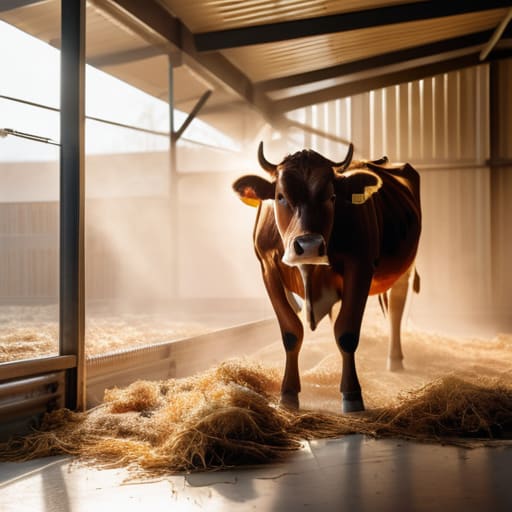
You can spend a fortune on the latest automated feeding systems, but if your shed is a damp sponge, you’re just subsidising the vet’s new car. I’ve seen it a hundred times: a farmer builds a tight, well-insulated shed to keep the warmth in, only to realize they’ve accidentally built a sauna. Without proper ventilation, you aren’t just managing animals; you’re managing a swamp. Preventing moisture buildup in winter isn’t about making the shed airtight; it’s about getting the wet air out before it settles on the backs of your cattle and drops their body temperature.
If you see condensation dripping from the rafters, you’ve already lost the battle. That moisture is going straight into the straw, turning your bedding into a cold, sodden mess that invites lameness faster than a bad market year. You have to balance air quality and ammonia levels in winter against the need to keep the wind off them. It’s a fine line. If you don’t get the airflow right, you’ll find yourself constantly replacing bedding, which is just throwing cash into a muddy puddle.
The Cost of Chills Temperature Regulation in Animal Housing
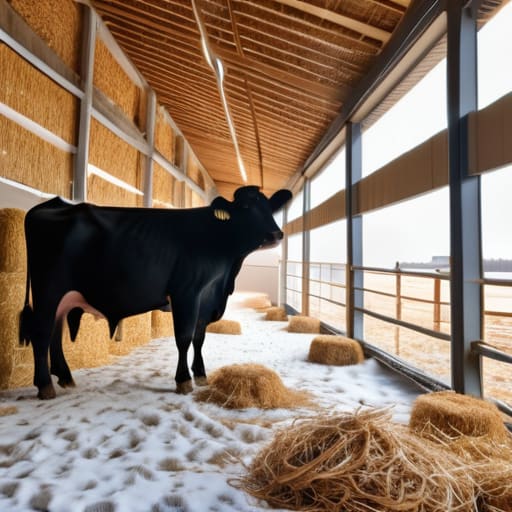
You can spend a fortune on the best genetics in the country, but if you’re letting your stock shiver through a drafty shed, you’re essentially throwing money into a black hole. It isn’t just about keeping them warm; it’s about the energy they aren’t spending just trying to stay alive. When a cow has to fight the cold, she isn’t putting that energy into growth or maintaining her condition. I’ve seen it time and again: you think you’re being “efficient” by packing them in, but you’ve actually ignored optimal stocking density for cold weather, creating a microclimate that’s either too stagnant or too draughty.
It’s a delicate balance, much like trying to tune an engine while it’s running. If you get the ventilation wrong, you’re dealing with high air quality and ammonia levels in winter that’ll rot their lungs. If you get it too right, you’ve stripped away their natural heat. I’ve learned the hard way that steady, indirect airflow is worth more than any expensive heater you’ll buy at the mart. You want to move the bad air out without turning the shed into a wind tunnel.
Breathing Easy Managing Air Quality and Ammonia Levels in Winter
You can have the best insulation techniques for livestock shelters in the world, but if you seal that shed up tight to keep the heat in, you’re just building a gas chamber. I’ve seen it happen more times than I’d like to admit: a farmer gets so worried about the wind chill that he shuts every vent, only to wake up to a barn full of stinging eyes and animals that can’t stop coughing. Ammonia isn’t just a nuisance; it’s a slow-acting thief that eats away at your lungs and your bottom line.
Managing air quality and ammonia levels in winter is a delicate balancing act between keeping the draughts out and letting the stale air out. If you see a white haze hanging in the light or if your eyes start watering when you walk through the gate, you’ve already lost the battle. You need enough ventilation to sweep that gas away without creating a wind tunnel that strips the warmth right off their backs. It’s about controlled movement of air, not just opening a door and hoping for the best.
Dont Overcrowd the Profit Optimal Stocking Density for Cold Weather
There’s a temptation when the weather turns foul to pack them in tight, thinking the extra bodies will provide a bit of communal warmth. It’s a trap. I’ve seen it happen more times than I care to admit—a farmer tries to save on heating or space, only to find he’s actually just built a high-speed engine for disease. When you ignore optimal stocking density for cold weather, you aren’t just saving space; you are actively inviting trouble.
The moment you crowd them, you lose control. You can have the best insulation techniques for livestock shelters in the world, but if the shed is wall-to-wall animal, that heat is going to turn into a thick, suffocating soup of steam. That’s when you lose the battle. You’ll find that preventing moisture buildup in winter becomes an impossible task because the sheer volume of respiration and heat from too many mouths creates a microclimate that no amount of ventilation can fix. You end up with damp feet, respiratory issues, and a bottom line that looks more like a casualty list than a profit margin. Give them the room, or pay for it later.
Five Ways to Stop Your Winter Housing from Bleeding You Dry
- Watch the bedding like a hawk. If you’re just throwing straw on top of a wet, trampled mess, you aren’t bedding them down—you’re just making a sponge that holds the cold against their skin. Dry, deep bedding is cheap; a calf with pneumonia because it’s lying in a damp puddle is a luxury you can’t afford.
- Check your gates and fences more than your books. In the winter, when the ground turns to soup and the wind picks up, things shift. I’ve seen more profit lost to a broken gate or a collapsed pen than to most market fluctuations. If the stock can move where they shouldn’t, you’re losing money every minute they’re out of place.
- Don’t trust a “new” feeder just because the brochure said it was efficient. If that feeder doesn’t work with the specific way your cattle move, or if it’s too high for the younger ones to get a decent mouthful, you’re just paying for a shiny piece of scrap metal that’ll sit in the corner while they waste feed on the floor.
- Manage the light, not just the heat. It sounds like something a man with too much time on his hands would say, but if you’ve got animals stuck in a dark, gloomy shed for four months, their condition will drop regardless of how much you’re feeding them. You need enough natural light to see what you’re doing without letting the frost settle on their backs.
- Keep a strict eye on the feet. You can have the best nutrition plan in the world, but if the floor is a slurry of mud and urine, you’re essentially breeding lameness. A lame cow isn’t just a welfare issue; she’s a walking hole in your cash flow that will haunt you come spring.
The Bottom Line: What You’re Actually Paying For
If you aren’t watching the moisture levels in your bedding, you aren’t managing a herd—you’re just subsidizing foot rot and vet bills.
Don’t let the fear of a cold wind trick you into overcrowding; a crowded shed is just a faster way to turn your profit into ammonia and disease.
Every piece of kit you buy for the winter needs to earn its keep by keeping the animals dry and the air moving, otherwise, it’s just expensive clutter sitting in the shed.
The Bottom Line
At the end of the day, managing winter housing isn’t about following some glossy manual or buying the most expensive automated ventilation system on the market. It’s about the basics: keeping the moisture out of the bedding, making sure the air isn’t thick enough to choke a calf, and ensuring you haven’t packed so many mouths into one shed that you’re just nursing disease instead of profit. If you get the moisture wrong, you lose the feet; if you get the density wrong, you lose the lungs; and if you get any of it wrong, you’re essentially handing your cash flow over to the vet. It’s a balancing act of grass, feet, and hard sense.
I’ve spent enough winters watching the weather turn and the margins tighten to know that you can’t control the rain, but you can certainly control how much of it ends up under your livestock. Don’t let the fancy new kit distract you from the simple reality of what a healthy animal needs to thrive when the ground is nothing but a sponge. If you focus on the environment first, the numbers in the ledger will usually follow. It’s not about being perfect; it’s about being diligent enough to see the mistakes before they become expensive lessons.
Frequently Asked Questions
When does the cost of extra bedding actually start to outweigh the profit from the extra weight we're trying to put on the cattle?
It’s a simple calculation, but most people trip over it. You start losing ground the moment the cost of that extra straw—plus the extra feed they need to stay warm in it—exceeds the market value of the daily weight gain you’re seeing. If you’re dumping tonnes of bedding on a floor just to keep them dry, but they aren’t converting that comfort into kilos, you’re just burying your cash flow in the muck.
How much of a difference does a bit of extra ventilation really make if I'm already seeing the breath of the animals in the morning?
If you’re seeing breath, you’ve already lost the battle with the humidity. That mist isn’t just “atmosphere”; it’s moisture that’s about to settle on the bedding and turn your floor into a soup. Seeing breath means the air is saturated. You don’t need more wind blowing directly on them—that’ll just chill the skin—you need a way to move that heavy, damp air out. If you don’t, you’re just paying to grow pneumonia.
At what point do I stop trying to fix a leaking roof and just accept that the ground is going to be a muck heap until April?
You stop when the cost of the patch exceeds the value of the calf it’s protecting. I’ve spent more on roofing contractors than I have on actual stock in some years, chasing a dry floor that never comes. If the leak is a steady drip, fix it. If the whole structure is a sieve, stop bleeding cash. Buy some more lime, get the bedding right, and accept the muck. You can’t out-engineer a bad building.
