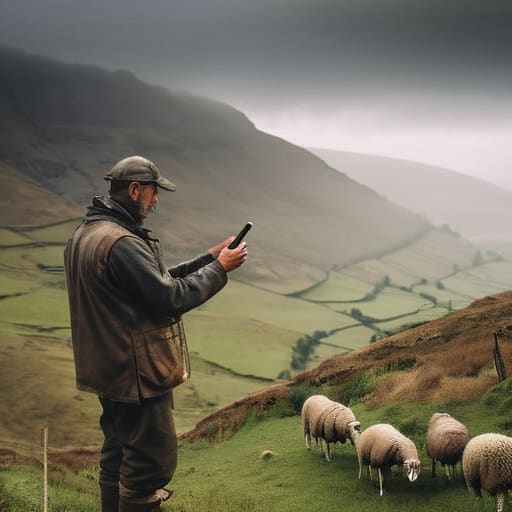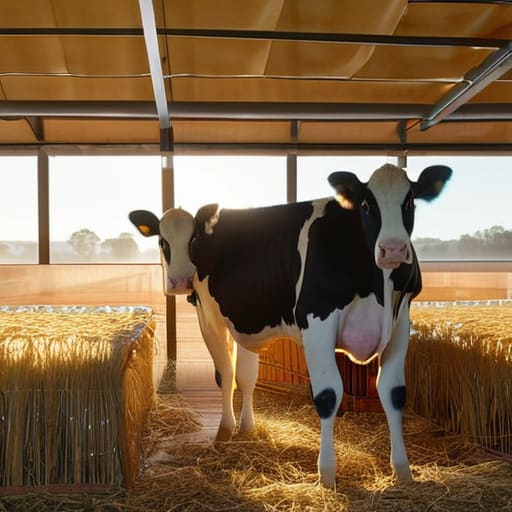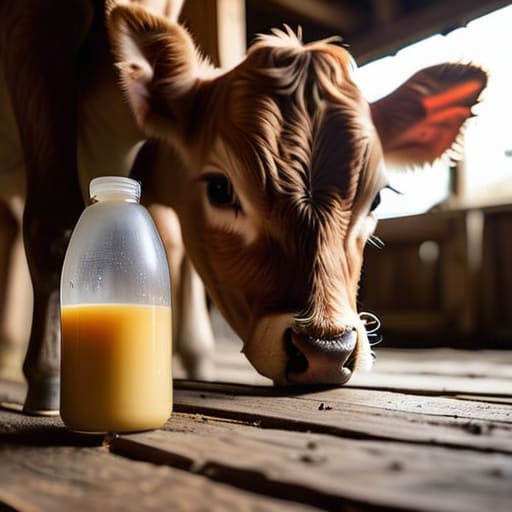
Complete guide to silage making book.

The Complete Guide to Making Silage

You can buy all the fancy inoculants and high-tech additives your heart desires, but if you haven’t mastered the basics of compaction and pit management, you’re essentially just throwing cash into a fermenting pile of wasted grass. I’ve seen too many young lads follow some glossy brochure’s “complete guide to silage” only to end up with a fermented mess that smells more like vinegar than good feed. They spend a fortune on the chemistry of it all, while completely ignoring the simple, brutal reality of how much moisture is actually in that sward and how much air is getting trapped in the clamp.

I’m not here to sell you a subscription to a management software or a bag of overpriced additives. What I’m going to give you is a proper, hard-won look at what actually keeps a suckler herd fed through a wet winter without breaking the bank. We’ll talk about the timing of the cut, the importance of the squeeze, and why your silage quality is directly tied to the quality of your ground and your ability to manage the weather. No marketing fluff—just the numbers and the reality of what it takes to turn grass into profit.

Table of Contents

Understanding Complete Guide to Silage
Understanding Complete Guide to Silage fermentation.

Now, if you’re looking for a textbook definition, you can find plenty of those online, but they won’t tell you why your heap smells like a brewery in July. At its simplest, silage is just about managing the anaerobic fermentation process—getting the air out so the good bacteria can do their job instead of the rot. If you leave pockets of oxygen in that pit, you aren’t preserving forage; you’re just growing expensive mould. It’s a biological battle, and if you lose it, you lose the crop.

I’ve spent too many winters looking at a pile of fermented waste to realize that silage quality assessment isn’t something you do once a year in a lab. It’s something you do with your nose and your eyes every time you pull a face of feed. You need to know if you’ve got a consistent, acidic product or if you’ve just made a very expensive, wet mess that’ll drop your cows’ condition before the frost even hits. It all comes down to how well you managed the compaction and the moisture when it was still in the field.

Key Things to Know
Key Things to Know: Silage fermentation.

First things first: don’t get blinded by the shiny brochures. You can buy all the fancy ensiling additives benefits promised on a salesman’s flyer, but if your grass is too wet when it hits the pit, you’re just paying for expensive-smelling waste. It all comes down to the anaerobic fermentation process working correctly. If you don’t get the air out and the compaction right, you aren’t making feed; you’re just growing mould. I’ve seen more money lost to poor pit management than to bad market prices, and that’s a hard pill to swallow when the winter frost hits.

You also need to stop treating every batch of forage like it’s the same. A proper silage quality assessment isn’t just for university researchers; it’s for anyone who wants to know if they’re actually feeding their cows nutrition or just filler. If the nutritional value of silage drops because you were too lazy to check the moisture levels or the pit seal, your margins will vanish before the first spring calf is even born. Focus on the basics: dry matter, compaction, and airtight seals. Everything else is just window dressing.

Practical Tips and Steps
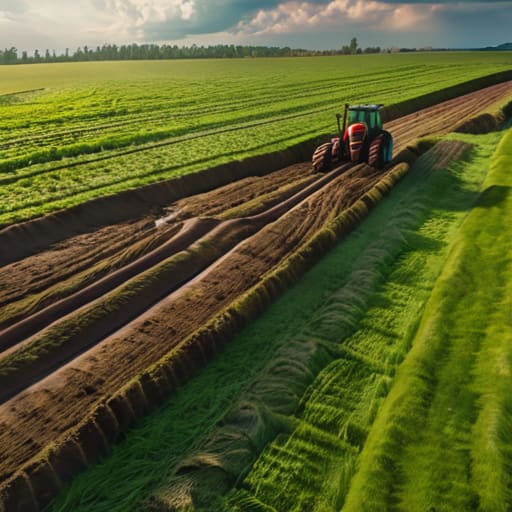
Practical Tips and Steps for successful ensiling.

First, stop looking at the calendar and start looking at the field. You can have the best plan in the world, but if you cut when the grass is too mature, you’re just making expensive hay that won’t ferment right. The goal is to get that anaerobic fermentation process started as quickly as possible. That means getting it chopped, dumped, and packed before the rain has a chance to turn your pit into a swamp. I’ve seen many a young lad spend a fortune on fancy ensiling additives benefits, thinking a bag of powder will fix a poorly managed pit. It won’t. If you haven’t got the weight behind your tractor to compact that grass properly, you’re just inviting mould to the party.

Once it’s in, your job is simple: keep the air out. Silage pit management isn’t about complex science; it’s about discipline. Check your covers every week and don’t leave the face exposed to the elements longer than you absolutely have to. If you want a real silage quality assessment, don’t just look at the colour—smell it. If it stinks like vinegar or rot, you’ve lost your margin.

Common Mistakes to Avoid

The biggest mistake I see—and I’ve certainly made my fair share of them—is thinking that you can fix bad grass with a fancy bag of chemicals. People get seduced by the sales pitch for ensiling additives benefits, convinced that a bit of extra powder will turn mediocre rye-grass into gold. It won’t. If your moisture content is off or your plant is already stressed from a dry spell, those additives are just expensive seasoning on a bad meal. You can’t cheat the biology of the anaerobic fermentation process if you haven’t given it a decent foundation of healthy, uniform forage to work with.

Then there’s the issue of laziness at the pit. I’ve seen too many lads rush the compaction because the weather is turning, thinking they’ll “sort it later.” That’s when you lose the battle. Poor compaction leads to oxygen pockets, and oxygen is the enemy of everything we’re trying to achieve. Once that air gets in, you aren’t preserving feed; you’re just growing mould. If you don’t get your silage pit management right from the first load, you’re essentially watching your profit rot in the dark.

Final Thoughts

At the end of the day, you can read every manual and attend every seminar on modern forage preservation techniques, but the truth is still found in the pit. If you haven’t mastered the basics of compaction and moisture, no amount of fancy science is going to save you. I’ve seen men spend thousands on expensive ensiling additives benefits, thinking they can buy their way out of poor management, only to find they’ve just made a very expensive pile of rot.

Don’t get distracted by the shiny new kit or the latest marketing jargon. Focus on the ground, the weather, and how much you’re actually putting into that pit. A proper silage quality assessment shouldn’t just happen when you’re hungry in February; it should be the standard you live by from the moment the mower starts. If you treat your storage like an afterthought, your bank balance will eventually reflect that. Keep your eyes on the nutritional value of silage and your hands on the controls, and you’ll likely find yourself in a much better position come spring.

Five ways to stop your silage from becoming a hole in your pocket

  • Stop obsessing over the additives and look at your compaction. You can buy the most expensive inoculant on the market, but if you haven’t got that grass packed down tight enough to squeeze the air out, you aren’t making silage—you’re just growing expensive mould.
  • Watch the moisture like a hawk. If your grass is too dry, it won’t ferment properly; if it’s too wet, you’ll end up with a pit full of effluent and wasted nutrients. I’ve seen enough men lose a season’s profit because they were too lazy to check the dry matter before they started cutting.
  • Get the pit covered before you even think about heading back to the yard. Every hour that face is exposed to the rain or the air is money leaking out of your herd’s winter budget. It’s not about being tidy; it’s about keeping the energy in the grass where it belongs.
  • Don’t trust a single piece of kit just because it’s new. I’ve seen lads buy top-of-the-line mowers and then spend three days of prime weather waiting for a spare part to arrive. If you’re going to do this, make sure your maintenance schedule is as disciplined as your breeding records.
  • Check your ground before you commit to a cut. I don’t care how much grass looks good from the gate; if the rainfall has turned your field into a bog, you’ll spend more on diesel and tractor wear-and-tear than the silage is worth. Know your soil, or the soil will know you.

The Bottom Line on Your Winter Feed

Stop chasing fancy additives and focus on the basics; if your pit isn’t compacted properly, you aren’t making silage, you’re just making expensive, fermented waste.

Watch your timing like a hawk, because the difference between a high-quality crop and a mediocre one is often just three days of weather and a bit of common sense.

Treat your silage storage as a bank account, not a dumping ground—every bit of spoilage or poor fermentation is cash leaking directly out of your pocket before the first cow even touches it.

The Bottom Line on Your Winter Feed

At the end of the day, a successful silage season isn’t about having the most expensive tractor or the flashiest additives the salesman tried to push on you last autumn. It comes down to the basics: getting the grass in at the right stage, ensuring your pit is compacted tight enough to squeeze the air out, and making sure your covers aren’t leaking like a sieve. If you ignore the compaction or mess up the timing of the cut, you aren’t just losing nutrients; you are effectively watching your profit margin rot in the pit. Keep your eyes on the ground, watch the weather, and remember that every ton of wasted silage is a direct hit to your cash flow come February.

Farming is a game of margins, and silage is one of the biggest levers you have to control them. There will always be a new piece of kit or a new chemical promised to make life easier, but don’t let the marketing distract you from the fundamental truth of the land. If you manage your grass well and respect the process, the numbers will eventually respect you back. It’s a hard way to make a living, but there is a particular kind of satisfaction in looking at a well-managed clamp in mid-winter and knowing you’ve secured your herd’s future through sound, practical management rather than luck.

Frequently Asked Questions

How do I know if my grass is actually ready for the pit, or am I just cutting it because the weather looks decent for once?

Look, if you’re cutting just because the sun is out, you’ve already lost. You can have a week of glorious weather, but if that grass is too lush and hasn’t hit the right dry matter, you’re just making expensive, fermented mush. I don’t care what the forecast says; I care about the stage of growth. If it’s too young, the moisture will ruin your compaction. Check the stem, check the density, and for heaven’s sake, check your moisture levels. Don’t let a bit of sunshine trick you into wasting a year’s worth of feed.

Is there any point in buying those expensive inoculants if I haven't got the tractor power to get the compaction right?

None whatsoever. You’re just pouring money into a hole. An inoculant is designed to work in a controlled, anaerobic environment, but if you haven’t got the weight or the passes to squeeze the air out, you’ve just got a fancy way of fermenting rot. I’ve seen lads spend a fortune on additives only to pull up a pit full of mouldy, aerated waste. Sort your compaction first; otherwise, you’re just throwing cash into a fermenting pile of wasted grass.

How do I figure out if the cost of making this silage is actually going to be offset by the weight gain in the cattle come February?

You stop looking at the diesel bill and start looking at the scale. You calculate the cost per tonne of your silage—including the tractor hours and the mowers—and then you compare that to the price of a finisher. If that silage doesn’t put an extra 40 or 50 kilos on a steer by February compared to cheap straw or poor grass, you’ve just paid for a very expensive way to keep them standing.


How mobile coverage affects safety in remote areas.

Working Where There Is No Signal

I remember standing in a bottom field three years back, watching a heifer go down in a way that made my stomach turn, clutching a phone that had nothing to show but one lonely, flickering bar. I was trying to call the vet, but the signal was as useless as a chocolate teapot, and in those ten minutes of silence, you realize exactly how mobile coverage affects safety when the weather is turning and you’re miles from the nearest gate. People love to talk about high-tech GPS collars and fancy farm management apps, but all that digital wizardry doesn’t mean a damn thing if you can’t actually get a voice through when a calf is stuck or a machine has gone sideways.

I’m not here to sell you a satellite subscription or some overpriced gadget that promises to fix the sky. What I want to do is talk about the uncomfortable reality of working in a dead zone and how to manage the risks when the technology inevitably fails you. I’ll be looking at the practical ways to bridge those gaps, because on a livestock farm, your safety net shouldn’t depend on a signal strength meter.

Table of Contents

The High Price of Silence How Mobile Coverage Affects Safety

The High Price of Silence How Mobile Coverage Affects Safety

I’ve spent enough years walking the perimeter of these 180 hectares to know exactly where the signal dies. It isn’t just a nuisance when you’re trying to check a market price; it’s a genuine liability. I remember a lad working the far north field last autumn—a decent enough worker, but he took a nasty tumble near the old stone wall. He had his phone, but he was sitting right in one of those signal dead zones that the mobile network coverage maps swear don’t exist. He spent twenty minutes waving a handset in the air like a man trying to catch a fly, and by the time he got enough bars to dial for help, he’d lost half his blood.

When you’re working solo, your lone worker safety protocols are only as good as the tool you use to trigger them. If you’re out checking a broken fence or a sick ewe in a hollow, you are effectively on your own. You can buy all the fancy gadgets you like, but if you haven’t looked into satellite communication alternatives for those blind spots, you’re just gambling with your own skin. It’s not about being dramatic; it’s about the fact that out here, silence is a physical risk.

Mapping the Danger Why Signal Dead Zones Impact Your Bottom Line

Mapping the Danger Why Signal Dead Zones Impact Your Bottom Line

You can look at a mobile network coverage map all day long, and it might show a lovely, solid green patch over your entire parish. But those maps don’t account for the hollow at the bottom of the north field or the way the stone walling in the valley eats the signal for breakfast. I’ve spent many a morning staring at a phone with nothing but a single, useless bar, knowing there’s a heifer in labor or a broken fence two miles away that needs a pair of hands. These signal dead zones impact more than just your ability to check the weather; they create a vacuum where emergency communication reliability simply ceases to exist.

When you’re working a remote block, you aren’t just managing livestock; you’re managing risk. If a lad is out on a quad or you’re solo in a corner of the farm where the signal dies, your standard lone worker safety protocols are little more than wishful thinking. You can buy all the fancy tech you want, but if the device can’t find a tower when the situation turns sour, it’s just a costly bit of plastic sitting in your pocket. In this business, silence isn’t golden—it’s a liability.

Lone Worker Safety Protocols When the Bars Disappear

Lone Worker Safety Protocols When the Bars Disappear

Most of the lads I know think a “safety protocol” is just making sure you don’t leave the gate unlatched. But when you’re out in the far field, checking a lame ewe or wrestling a heifer in a stone wall, your only real lifeline is that little bar of signal on your phone. If you’re working alone, those lone worker safety protocols you read about in a glossy manual mean nothing if they rely on a network that doesn’t reach the bottom of the glen. I’ve seen men walk back two miles in the rain just to find a bit of signal because they couldn’t call for help when a calf went sideways.

If you’re going to work the fringes, you can’t just rely on hope. I’ve learned the hard way that emergency communication reliability isn’t a luxury; it’s a necessity. If the mobile signal is a gamble, you need to look at satellite communication alternatives or at least a decent PLB. It’s another bit of kit to carry, and I know how much we all hate buying things that might sit in the shed, but I’d rather have a useless satellite messenger than a phone that’s nothing more than a heavy paperweight when things actually go wrong.

Remote Area Connectivity Risks That Every Farmer Ignores

We tend to think of risk in terms of the obvious stuff—a broken leg in the yard or a tractor losing a brake. But there is a quieter, more insidious danger in the way we map our land against what the telecoms companies claim they provide. I’ve seen plenty of lads stare at a mobile network coverage map on their phones, seeing a solid green patch, only to find that the moment they crest the north ridge or head into the bottom field, they’re effectively invisible. It’s a false sense of security that can turn a minor mishap into a catastrophe.

The real trouble is that these remote area connectivity risks aren’t uniform. You might have a decent signal in the farmyard, but if you’re out checking a sick ewe in a hollow or fixing a fence in a cutting, you are essentially on your own. When you’re working alone, you aren’t just relying on your own wits; you’re relying on the ability to call for help. If the signal drops just when things go sideways, all the fancy safety gear in the world won’t bridge that gap.

Beyond the Network Satellite Communication Alternatives for Real Reliabilit

Now, I’m not one to suggest you go out and spend a fortune on gadgets just because a salesman tells you they’re “revolutionary.” I’ve seen enough shiny new kit gather dust in the shed to know that if it doesn’t work when the weather turns foul, it’s just a paperweight. But when you’re three miles into a wet field and the phone shows nothing but a “No Service” icon, you start looking at satellite communication alternatives with a bit more respect. They aren’t a magic fix for everything, but they offer a layer of redundancy that a standard mobile signal simply cannot match when you’re dealing with the physical reality of a working farm.

If you’re serious about your lone worker safety protocols, you have to accept that the mobile network is a fickle thing. Relying solely on a tower that might be obscured by a ridge or a thicket of trees is a gamble I stopped taking years ago. Investing in a dedicated satellite messenger or a device with real-time location tracking safety features means that if a calf goes wrong or a machine fails, you aren’t just shouting into the wind. It’s about having a way to call for help that doesn’t depend on whether the local provider decided to upgrade their mast this year.

Five Ways to Stop Your Signal Problem from Becoming a Safety Crisis

  • Don’t trust the ‘one bar’ lie. I’ve seen men standing on a tractor step thinking they’ve got enough signal to call for help, only to find the connection drops the second they actually try to dial 999. If you’re in a dip or behind a stone wall, assume you’re invisible until you’ve tested a call from the exact spot where you’ll be working.
  • Map your dead zones like you map your grazing. You wouldn’t send a heifer into a field of gorse without knowing what’s in it; don’t send a lad out to fix a fence in a valley where the signal goes to die. Know exactly where the silence starts so you can set boundaries on where people work alone.
  • Stop relying on a single device. A smartphone is a fine thing for checking weather or markets, but it’s a fragile bit of kit for an emergency. If you’re heading into the far corners of the 180 hectares, have a secondary way to signal—a dedicated satellite messenger or even a high-vis whistle—because a dead battery is just another way of being cut off.
  • Make ‘Check-In’ a hard rule, not a suggestion. If you’ve got a worker or a family member out on the high ground, they need to ping you at set times. If that ping doesn’t come, you don’t wait for them to call you; you go looking. It’s better to spend an hour looking for a man who’s just had a bit of fun in a field than to spend a week wondering why he never came home.
  • Invest in the kit that actually works, not the shiny stuff. I’ve seen plenty of expensive ‘smart’ gadgets end up as paperweights in the shed because they couldn’t handle the damp or the lack of a network. If you’re buying communication gear, ask yourself if it works when the clouds are down and the towers are struggling, not just when you’re sitting in the kitchen with the Wi-Fi on.

The Bottom Line on Staying Connected

Don’t mistake a full battery for safety; if you’re working a far field or a steep hollow where the signal drops to zero, your phone is just a very expensive paperweight when you actually need to call for help.

Treat connectivity like you treat your fencing or your footrot protocol—it’s a piece of essential infrastructure that requires a plan, not something you just hope works when a crisis hits.

Stop waiting for the network providers to fix the gaps in your hills; invest in a backup like satellite or a dedicated radio system before you find yourself stuck in a dead zone with a broken leg or a downed calf.

The Bottom Line on Staying Connected

At the end of the day, we aren’t talking about whether you can scroll through a news feed while sitting in the kitchen; we are talking about whether you can call for help when a heifer pins you against a stone wall or a tractor loses its brakes on a wet slope. We’ve looked at the dead zones that swallow your signal, the sheer liability of sending a lad out to a remote corner of the farm without a way to talk back, and why relying on a single provider is a gamble you can’t afford to take. It isn’t about fancy gadgets or the latest tech; it’s about knowing that when things go sideways—and in this business, they always do—you aren’t just shouting into a void. You need to treat connectivity like any other essential farm input, right alongside your fencing and your feed.

I’ve spent forty years learning that the most expensive thing on a farm isn’t a new harvester or a top-tier breeding line; it’s a mistake that could have been prevented by a simple phone call. Don’t wait until you’re standing in a ditch with a broken ankle to realize your signal is non-existent. Take the time now to map your blind spots, invest in a bit of satellite backup if you have to, and make sure your people know the plan. Farming is hard enough without adding unnecessary risk to the mix. Look after your ground, look after your livestock, but for heaven’s sake, look after your ability to call for help.

Frequently Asked Questions

If I invest in a satellite messenger or a high-end radio, is it actually going to work when I'm tucked into the bottom of a wet valley, or am I just buying more expensive kit to sit in the shed?

If you’re tucked into a steep, wet valley with high ground on all sides, that satellite messenger is likely to be little more than a very expensive paperweight. Physics doesn’t care about your investment; if you can’t see the sky, you aren’t getting a signal. Don’t go buying the top-end kit until you’ve actually stood in that specific corner of the field during a downpour. Test the reach first, or prepare to let it gather dust.

How much of my safety is actually dependent on the network, versus how much is just poor planning and not having a reliable way to check in when a job goes sideways?

It’s a bit of both, isn’t it? You can’t blame the network for a valley that’s been a dead zone since my father’s time, but you also can’t plan your way out of a total signal blackout. If you’re heading into a corner of the farm where the bars vanish, “planning” means having a backup that doesn’t rely on a mast. Relying solely on your phone is just poor planning; assuming the signal will be there is just wishful thinking.

Is there any point in upgrading my phone or data plan if the local mast hasn't been touched in ten years, or am I just throwing good money after bad?

If the mast hasn’t moved in a decade, a new handset is just a more expensive paperweight. I’ve seen lads spend a fortune on the latest iPhone only to find it has the same single bar in the bottom field as the old Nokia. Don’t bother upgrading the plan or the phone until you’ve checked if the provider is actually upgrading the infrastructure. Until then, you’re just paying for a faster way to see “No Service.”

Tips on how to rear calves well.

Calf Rearing: Ventilation Before Feeding

I’ve spent half my life watching salesmen in clean wellies try to convince me that the secret to a profitable year lies in some high-tech, automated feeding system or a proprietary milk replacer that costs more than the calf is worth. They’ll give you a glossy brochure full of charts, but they never mention that if your bedding is damp or your ventilation is rubbish, you’re just burning money in a fancy way. Most of the advice out there on how to rear calves well is designed to empty your bank account, not to grow a sturdy heifer that can actually survive a wet winter on the hill.

I’m not here to sell you a subscription to a management app or a bag of magic pellets. What I want to do is talk about the actual mechanics of survival—the things that happen at 4:00 AM in a freezing shed when no one is watching. We’re going to look at the real margins: why consistent warmth and clean feet matter more than any expensive supplement, and how to spot a losing calf before she becomes a drain on your cash flow. This is about what works when the weather turns foul and the prices are low.

Table of Contents

Understanding How to Rear Calves Well

Understanding How to Rear Calves Well.

If you want to get this right, you have to stop looking at a calf as a future sale and start looking at it as a high-maintenance investment that’s currently leaking money. Most people start worrying about weaning dates or feed brands before they’ve even mastered the basics of colostrum management for newborn calves. I learned that the hard way back in ’94; I thought a bit of warmth and a decent looking teat was enough. It wasn’t. If they haven’t had the right quality of colostrum within those first few golden hours, you aren’t rearing a calf—you’re just babysitting a slow-motion disaster.

Once they’re past that first hurdle, the real battle is won or lost in the bedding and the water. You can buy the most expensive, scientifically formulated starter on the market, but if your calf housing hygiene standards are rubbish, that nutrition won’t mean a thing. I’ve seen plenty of lads spend a fortune on optimal calf starter nutrition only to watch their entire crop go down with scours because they were too stingy with the straw or too lazy with the muck scraper. It’s not about the fancy labels; it’s about keeping the environment dry and the feet clean.

Key Things to Know

Key Things to Know: Colostrum management.

First, let’s talk about the money you lose before they even stand up. Everyone wants to talk about the best breed or the fancy milk replacer, but if your colostrum management for newborn calves is off by even a few hours, you might as well be throwing your profit into the slurry pit. I’ve seen too many lads focus on the pedigree of the dam while ignoring the fact that the calf hasn’t had enough high-quality antibody intake to survive the first week. You can buy the most expensive starter in the county, but it won’t do a lick of good if the gut isn’t primed correctly.

Then there is the matter of the environment. You can have the best genetics in the district, but if your bedding is damp and your pens are a mess, you are just inviting trouble. I’ve learned the hard way that preventing calf scours isn’t about buying more medicine; it’s about keeping the floor dry and the air moving. Most people wait until they see a calf flagging before they look at the hygiene, but by then, you’re already fighting a losing battle with your margins.

Practical Tips and Steps

Practical Tips and Steps for calf hygiene.

First things first, stop looking at the price of the milk replacer and start looking at the floor. You can buy the most expensive feed on the market, but if your pens are a damp, slurry-filled mess, you’re just subsidising bacteria. I’ve seen too many lads chase growth figures while ignoring calf housing hygiene standards, only to find themselves fighting a losing battle against scours come week three. Keep the bedding dry, keep the ventilation moving so you aren’t breathing in ammonia, and for heaven’s sake, don’t let them stand in their own waste.

When it comes to the actual feeding, don’t get fancy with the timing. Colostrum management for newborn calves isn’t a suggestion; it’s the difference between a calf that thrives and one that’s a walking write-off by mid-winter. Get that liquid gold into them within the first few hours, and don’t bother checking the temperature if it’s lukewarm—it needs to be warm and it needs to be fast. Once they’re on the starter, watch the transition closely. If you rush your calf weaning strategies before they’ve actually got the gut capacity to handle it, you’ll spend more on vet bills than you ever saved on feed.

Common Mistakes to Avoid

The biggest mistake I see is people treating colostrum like it’s just some liquid supplement rather than the only thing standing between a calf and a very expensive funeral. I’ve seen lads wait until the third feeding to get a decent amount in, thinking they have all the time in the world. You don’t. If you miss that window, you aren’t just losing an animal; you are throwing away the margin you spent all year building on the mother.

Then there is the obsession with fancy feed while the bedding is a swamp. You can buy the most expensive bags of grain on the market, but if your calf housing hygiene standards are rubbish, you are just feeding the bacteria. I’ve watched plenty of “high-performance” calves go down the drain because the floor was damp and the air was thick. It’s not about the label on the bag; it’s about the ground they stand on. If you aren’t watching the feet and the bedding, you’re just flushing cash down the drain before the calf even hits its first weaning stage.

Final Thoughts

At the end of the day, you can buy the most expensive automated feeding system on the market, but it won’t do the work for you. If you aren’t out there in the cold at 5:00 AM checking that your colostrum management for newborn calves is actually happening—and happening fast—you’re just playing at farming. It’s easy to get caught up in the spreadsheets and the growth curves, but those numbers only mean something if the animal in front of you is standing on four good feet and looking bright.

Don’t let the fancy brochures distract you from the basics. Most of the headaches I’ve faced, from stunted growth to massive vet bills, could have been sorted by simply keeping a closer eye on calf housing hygiene standards and making sure the bedding wasn’t a sodden mess. It’s about the small, daily observations that keep the margins from disappearing. If you get the grass, the feet, and the hygiene right, the rest usually follows. If not, you’re just working hard to subsidize your mistakes.

Five things that actually matter when the calves are coming

  • Stop obsessing over the fancy milk replacer brand and look at the bedding. You can feed them the most expensive liquid gold in the country, but if they’re lying in a damp, cold slurry, they aren’t growing—they’re just fighting to stay alive. A dry calf is a profitable calf.
  • Watch the feet and the gait, not just the weight gain. I’ve seen lads so focused on the scale that they miss a slight limp or a change in how a calf carries itself. By the time it looks truly lame, you’ve already lost a week of growth and a fair bit of margin to vet bills.
  • Don’t trust a thermometer just because the manual says so; trust your own eyes and the way the calf moves. If they’re huddling or looking dull, don’t wait for a formal reading to tell you what you already know. In this business, being ten minutes late to a problem is often the difference between a calf and a carcass.
  • Manage your water like it’s gold, because on a good day, it is. I’ve seen too many people get so caught up in the feeding schedule that they forget the troughs are filthy or running low. If they aren’t drinking, they aren’t eating, and if they aren’t eating, you’re just subsidising a loss.
  • Keep your records on paper or something you can actually use in the middle of a calving storm. If you’re relying on some complex app that requires a signal and a steady hand to log a birth or a treatment, you’ll end up with a gap in your data. And a gap in your data is just a way to hide money leaking out of the farm.

The Bottom Line on Calf Rearing

Stop chasing the highest protein replacer in the catalogue if your pens are damp and your bedding is thin; you can’t out-supplement poor hygiene and a cold floor.

Watch the feet and the gait as closely as you watch the weight gain, because a calf that’s growing fast but walking poorly is just a future vet bill waiting to happen.

If you aren’t tracking exactly what every calf is costing you in feed versus what they’ll fetch at weaning, you aren’t farming, you’re just gambling with your daughter’s inheritance.

The Bottom Line

At the end of the day, rearing calves isn’t about chasing the highest growth figures on a spreadsheet or buying the most expensive supplements on the market. It comes down to the basics: clean bedding, consistent feeding, and having the sense to actually walk the pens every single morning. If you’re spending all your time looking at data but ignoring the way a calf is standing or the quality of the muck in the shed, you’re missing the point. You can have the best genetics in the county, but if you don’t get the grass and the hygiene right in those first few months, you aren’t raising livestock; you’re just subsidizing a loss.
I know it feels like you’re constantly fighting against the weather, the prices, and the sheer exhaustion of the season, but remember that every calf you get through to weaning well is a brick in the wall of your farm’s future. Farming is a game of margins, and the margins are won in the small, quiet details that nobody else sees. Don’t let the flashy new tech distract you from the fundamentals of good husbandry. Do the work, watch the feet, and keep an eye on the cash flow. If you do that, the rest of the year tends to take care of itself.

Frequently Asked Questions

How do I work out if my milk replacer is actually worth the premium, or if I'm just paying for a fancy label?

Stop looking at the price per bag and start looking at the cost per kilogram of growth against the cost of your time. If that premium replacer means you’re spending half your morning fixing scours or chasing lagging calves, it’s not worth a penny. I track my calf weights every fortnight; if the expensive stuff isn’t putting more meat on them or letting me spend less time in the shed, I’m just buying a fancy label.

At what point does a calf's growth rate stop being a metric and start being a distraction from the real cost of the feed?

The moment you start chasing a target weight on a spreadsheet instead of looking at the condition of the animal is when you’ve gone off the rails. If you’re buying expensive, high-protein concentrates just to shave two weeks off a weaning target, you’re likely losing money. A calf can look heavy because it’s bloated on grain, but if it hasn’t got the frame or the gut health to back it up, you’re just subsidising a future vet bill.

When the weather turns and the ground gets heavy, how much extra should I be budgeting for bedding and hygiene to stop a lameness issue before it starts?

If the ground turns to soup, you aren’t just buying straw; you’re buying insurance against a vet bill that’ll dwarf the cost of the bedding. I’d budget for at least 30% more than your dry weather baseline. It’s easy to skimp on the shavings when the rain starts, but once you’ve got a calf standing in its own filth, you’ve already lost the money. Buy the extra bedding now, or pay for the lameness later.

Complete guide to grass measurement infographic.

The Complete Guide to Measuring Grass

I’ve spent enough money on shiny new forage measuring tools to buy a decent second-hand tractor, and most of them are nothing more than expensive ways to lie to yourself. You’ll see plenty of glossy brochures claiming they have the “complete guide to grass measurement” through satellite imagery or complex software, but all that does is add a layer of digital nonsense between you and the actual field. I remember standing in a wet paddock back in ’98, staring at a patch of rye-grass that looked lush but felt hollow, realizing my “calculated” stocking rate was about to leave my ewes starving by October. If you aren’t getting your boots muddy and actually looking at the structure of the sward, you aren’t measuring anything—you’re just playing with numbers.

I’m not here to sell you a subscription or a piece of kit that’ll sit rusting in the shed come November. What I’ll give you is the truth about what actually works when the weather turns and the margins get tight. This is a practical, no-nonsense breakdown of how to track your forage so you can stop guessing and start managing your cash flow. We’ll talk about the real math behind the tonnage, because at the end of the day, if you can’t account for the grass, you can’t account for your profit.

Table of Contents

The Complete Guide to Grass Measurement Stop Feeding Your Margin to the Soi

The Complete Guide to Grass Measurement Stop Feeding Your Margin to the Soi

You can spend all day squinting at a field and telling yourself it looks “lush,” but looking isn’t the same as knowing. If you aren’t actually performing a proper dry matter estimation, you’re essentially playing a high-stakes game of poker with your bank balance. I’ve seen too many lads overstock a field in May because the sward looked deep, only to watch the ground turn into a dust bowl by July, leaving them scrambling for expensive supplementary feed that eats their entire profit margin before the calves are even weaned.

The reality is that effective forage yield estimation isn’t about fancy satellite imagery or some expensive app that promises to do your thinking for you. It’s about getting out there with a quadrat and a bit of common sense. You need to understand your grass biomass calculation based on what’s actually available to the animal, not what you wish was there. If you don’t know your numbers, you aren’t managing a farm; you’re just hosting a very expensive buffet for your livestock.

Why Dry Matter Estimation Matters More Than Your Stock Numbers

Why Dry Matter Estimation Matters More Than Your Stock Numbers

Most young lads I talk to come at the problem from the wrong end. They look at the field, they look at the number of head in the herd, and they think they’ve got a handle on things. They calculate how many mouths they have to feed and assume the grass will simply rise to meet the demand. That’s a dangerous way to run a business. You can have the most impressive stock numbers in the county, but if your dry matter estimation is off, you aren’t farming; you’re just gambling with your feed bill.

The reality is that a field of lush-looking rye grass can be a liar. It might look thick and green, but if the quality is poor or the actual forage yield estimation is wrong, you’re going to find yourself buying in expensive concentrate just to keep the cows from losing condition. I’ve seen many a profitable year evaporate because someone focused on the cattle count instead of the actual grass biomass calculation. It doesn’t matter how many head you have if you don’t know exactly how much energy is sitting in that sward.

Sward Height Monitoring the Difference Between Profit and Empty Fields

Sward Height Monitoring the Difference Between Profit and Empty Fields

You can walk your fields every day and still have no idea what’s actually happening under your boots. I’ve seen plenty of lads rely on “eye-balling” it, thinking they can just judge the lushness of a paddock to decide when to move the cattle. That’s a quick way to find yourself staring at nothing but bare dirt and weeds by mid-July. Real sward height monitoring isn’t about being precious; it’s about knowing exactly when the plant has enough leaf area to recover after a graze without losing its momentum.

If you let the stock graze it down to the roots, you’re not just losing grass; you’re killing your regrowth and inviting soil compaction. On the flip side, if you leave it too long, you’re letting that energy go into seed heads instead of high-quality feed. Using basic grazing management tools, like a simple rising plate or even just a well-used ruler, takes the guesswork out of the equation. It’s the difference between managing a resource and simply watching your potential profit get trampled into the mud.

Mastering Forage Yield Estimation Without Buying Expensive Gadgets

You don’t need a drone or a piece of kit that costs more than a decent heifer to get a handle on what’s actually growing in your fields. Most of the lads I know get lured in by the shiny new grazing management tools that promise a miracle, but half of them end up gathering dust in the shed because they’re too much of a faff to use when it’s raining sideways in November. Real forage yield estimation comes down to a clipboard, a few square meters of ground, and the discipline to actually do the math.

If you want to get serious about your grass biomass calculation, start with the quadrat method. It’s old-fashioned, yes, but it doesn’t require a software subscription. You clip the sward, weigh it, and dry it—or at least estimate the dry matter—to see what you’ve truly got. It’s about understanding the relationship between the height you see and the actual energy available to your livestock. If you aren’t willing to walk the field and get your boots dirty, you aren’t managing your pasture; you’re just hoping for the best.

Smart Grass Biomass Calculation Making Your Pasture Management Techniques W

Once you’ve got your sward height and a decent idea of your coverage, you have to actually do the math, or you’re just playing at farming. A proper grass biomass calculation isn’t about being a mathematician; it’s about knowing if you have enough feed to carry those ewes through the next three weeks without having to go out and buy expensive, low-quality concentrate to make up the difference. If you estimate 2,500kg of dry matter per hectare but you’re actually sitting on 1,800kg, you aren’t just “running short”—you are actively eating into your profit margin before the sun even goes down.

I’ve seen plenty of lads get caught up in high-tech grazing management tools that promise the world, but the most reliable way to stay on top is to keep your calculations grounded in the reality of your specific ground. You have to factor in the moisture. If the ground is sodden, your dry matter estimation is going to shift, and if you don’t adjust your numbers, you’ll end up overstocking a field that simply can’t support the weight. Don’t trust a spreadsheet more than you trust your own eyes and a bit of basic arithmetic.

Five Hard Lessons from the Field: Measuring What Actually Matters

  • Stop looking at the color of the grass and start looking at the density; a lush green field can be nothing but stem and air if you haven’t managed the grazing pressure, and that’s just wasted space where a cow should be eating.
  • Always take your measurements in a ‘W’ pattern across the field, not just where the ground looks easiest to walk on, because if you only sample the good bits, you’re lying to your own bank balance.
  • Check the rainfall before you even think about your estimates; you can have the best measurement in the world, but if the ground is bone dry or sodden, your dry matter math is going to be a work of fiction.
  • Don’t get precious about the timing of your checks—if you only measure when you feel like it, you’re not managing a system, you’re just reacting to a crisis.
  • Keep your notes in a way that actually makes sense when the winter comes; a scrap of paper with “lots of grass” written on it won’t help you figure out why your feed bill was double what you budgeted for in February.

The Bottom Line on Your Grass

Stop looking at your livestock numbers as the primary driver of your season; if you don’t know your dry matter, you’re just guessing how much money you’re losing to the soil.

Forget the fancy gadgets that promise a miracle; a simple sward height check and a bit of honest math will tell you more about your margin than any expensive piece of kit gathering dust in the shed.

Management isn’t about maximizing every blade of grass, it’s about timing the graze so you aren’t paying for expensive concentrates just because you let the field get too low.

The Bottom Line on the Field Edge

At the end of the day, you can have the best genetics in the county and the most expensive machinery in the shed, but if you aren’t measuring your grass, you’re just gambling with your margins. We’ve talked about sward heights, dry matter, and why those fancy gadgets often end up gathering dust; the point is that measurement isn’t about being a scientist, it’s about knowing your limits. If you don’t know what’s under the cows’ feet, you’ll never know if you’re truly feeding them or if you’re just watching your cash flow disappear into the soil one missed grazing rotation at a time.

I didn’t learn this from a textbook or a shiny brochure; I learned it by watching my bank balance drop when I overstocked a field that looked lush but was nothing but water and air. Grass measurement is the difference between a farm that survives the bad years and one that actually thrives through them. Don’t wait for a drought or a price crash to start paying attention to your forage. Get out there, get your boots muddy, and start counting the kilograms before the season decides for you. It’s the only way to ensure that what you grow today is actually what you bank tomorrow.

Frequently Asked Questions

If the rain's been coming down for three days straight, how much can I actually trust a sward height reading to tell me the truth about what's in the field?

If it’s been raining for three days, your sward height reading is lying to you. You aren’t measuring grass; you’re measuring water and heavy, slumped blades. The height will look decent, but that’s just wet weight and lack of structure. Don’t trust a single measurement until the ground has breathed a bit and the stalks have stood back up. If you base your stocking on a sodden reading, you’ll be overgrazing a field that’s actually empty.

At what point does the cost of the time spent measuring the grass actually outweigh the extra margin I'm trying to squeeze out of the herd?

It’s the classic trap: chasing a percentage of margin while losing your sanity. If you’re out there with a quadrat and a clipboard every single day on every single paddock, you’re wasting time that should be spent fixing fences or checking feet. You don’t need a census; you need a trend. Measure when the seasons shift or when the weather turns, not because the calendar says so. If the measurement takes longer than the decision it informs, stop doing it.

I can get a decent estimate on my best leys, but how do I account for the patchy ground and the rush in the corners without spending all day on my feet?

You don’t walk every square inch, and you’d be a fool if you tried. If you’re measuring the best ley, you’re only seeing the dream, not the reality. Take three or four representative samples: one from the good ground, one from the patchy bits, and one from the rushy corner. Average them out. It’s better to have a rough, honest number for the whole field than a perfect number for a patch that doesn’t represent the truth.

How rural broadband affects business operations.

Running a Business on Rural Internet

You can spend a fortune on the latest digital livestock management software, but if your connection drops every time a heavy mist rolls off the hills, you’ve just bought yourself a very expensive paperweight. I’ve sat in the kitchen at midnight, staring at a spinning loading icon while trying to submit subsidy claims, feeling the sheer frustration of knowing exactly how rural broadband affects business when the margin for error is already razor-thin. It isn’t about having the flashiest gadgets or the newest apps; it’s about whether the basic infrastructure actually holds up when you’re trying to move money, manage stock, or deal with a supplier halfway across the country.

I’m not here to sell you on some digital revolution or a subscription you don’t need. I’m going to tell you what it actually looks like when the signal fails and where the real costs lie for a working farm or a rural shop. We’ll look at the difference between what the salesmen promise and what actually keeps the lights on, focusing on the practicalities of connectivity and cash flow rather than the marketing fluff.

Table of Contents

Why a Dropped Connection Costs More Than a Broken Tractor

Why a Dropped Connection Costs More Than a Broken Tractor

When a tractor breaks, you know exactly what it costs. You look at the part, you look at the mechanic’s hourly rate, and you factor in the downtime. It’s a visible, hard number. But when the internet drops out while you’re trying to file a subsidy claim or check a live market price, the damage is quieter and far more insidious. You don’t see the leak, but the cash flow is bleeding out just the same.

I’ve seen young lads try to run a modern beef operation entirely through an app, only to find themselves staring at a spinning loading icon while a storm rolls in. That’s where the digital divide economic impact really hits home. It isn’t just about being unable to check your email; it’s about the missed window to sell a lot at the right price or the inability to coordinate a vet visit when a heifer goes down. Without reliable high-speed internet for small enterprises, you aren’t just “offline”—you’re effectively sidelined from the modern market, and that’s a much harder hole to dig yourself out of than a busted gearbox.

The Digital Divide Economic Impact Watching Your Margins Bleed Out

The Digital Divide Economic Impact Watching Your Margins Bleed Out.

The problem isn’t just a slow webpage when you’re trying to check market prices; it’s the slow, quiet way a farm loses its edge. We talk a lot about the digital divide economic impact in town halls, but out here, it’s much more visceral. It’s the difference between being able to bid on a quality heifer from your kitchen table at 10:00 PM or having to drive twenty minutes to the village hall just to get a signal strong enough to send an email. When you’re running on thin margins, those lost hours and missed opportunities aren’t just inconveniences; they are direct hits to your bottom line.

If you’re looking at high-speed internet for small enterprises, don’t think of it as a luxury like a new quad bike. It’s a utility, plain and simple. I’ve seen neighbors try to scale up, moving into specialized breeding or direct-to-consumer sales, only to hit a wall because their connection couldn’t handle the basic software needed to track stock or manage accounts. You can have the best genetics in the county, but if you can’t move your data, you’re essentially farming in the dark.

How Rural Broadband Affects Business and Kills Local Commerce

How Rural Broadband Affects Business and Kills Local Commerce

It isn’t just the farm gate that suffers when the signal fails; it’s the whole village. I see it every time I head into town for supplies. The local hardware shop or the small feed merchant used to be the lifeblood of these parishes, but they’re struggling to keep up. When you talk about broadband infrastructure and local commerce, people tend to think about Netflix buffering, but for a small business, it’s about whether they can actually process a card payment or order stock without the system hanging for twenty minutes. If a customer can’t pay easily, they won’t come back, and that’s a slow death for a local shop.

We also see the talent drifting away. You can’t talk about rural economic development connectivity without acknowledging that the bright young ones are leaving because they can’t run a modern consultancy or a design firm from a stone cottage. Without decent speeds, we lose the very people who would diversify our local economy. It creates a cycle where the only businesses left are the ones that don’t need the web, leaving the community economically hollowed out and stuck in the previous century.

High Speed Internet for Small Enterprises Not Just Another Expensive Gadget

I’ve seen plenty of lads come onto the land thinking they can run a modern operation on a mobile signal and a prayer. They treat a decent connection like a luxury, something you only bother with if you’re running a boutique farm shop or a fancy consultancy. But that’s a mistake that costs you before you’ve even turned a profit. High-speed internet for small enterprises isn’t about scrolling through social media; it’s about the ability to actually compete. If you’re trying to manage complex supply chains or run real-time livestock auctions from a kitchen table, a stuttering connection isn’t just an inconvenience—it’s a barrier to entry.

When we talk about closing the digital gap for entrepreneurs, we aren’t talking about some abstract government policy. We’re talking about whether a young person can actually afford to stay in the village and start a business, or if they have to pack up for the city because they can’t upload a single large file without the router screaming. Without it, you aren’t just lagging behind; you’re being priced out of the modern market entirely.

Closing the Digital Gap for Entrepreneurs Before the Farm Fails

If we’re going to talk about the future of these hills, we have to stop treating connectivity like a luxury and start seeing it as basic infrastructure, right up there with drainage or a decent fencing line. You can’t talk about rural economic development connectivity if the young people with the bright ideas are forced to move to the city just to find a signal that doesn’t drop when the wind picks up. It’s a slow leak in the local economy; we lose the talent, we lose the new blood, and eventually, we just lose the community.

Closing the digital gap for entrepreneurs isn’t about helping people watch videos on their phones; it’s about making sure the next generation can run a diversified business from a kitchen table without going bankrupt. If a lad wants to start a niche butchery or a specialized ag-tech firm right here, he needs to know his orders will actually go through. Without it, we aren’t just looking at a lack of convenience; we are looking at the managed decline of everything we’ve built.

Five ways a slow connection bleeds your business dry

  • Stop treating broadband like a luxury and start seeing it as a utility, just like water or diesel. If you can’t access your bank, your stock records, or your supplier’s order portal because the signal is playing up, you aren’t “unplugged”—you’re losing money every minute you’re stuck waiting for a page to load.
  • Watch your timing on digital transactions. I’ve seen lads lose a decent deal on a heifer because they couldn’t get a payment through or a contract signed in time because the signal dropped during a storm. In this business, if you aren’t online when the opportunity hits, that opportunity is gone to the man in the valley who actually has a decent connection.
  • Don’t get lured into buying “smart” kit that requires constant cloud syncing if your connection is rubbish. There is nothing more frustrating—or more expensive—than a high-tech feeder or a sensor-based gate that becomes a useless hunk of metal the moment the weather turns and the broadband fails.
  • Use your connectivity to protect your margins, not just to browse. If you’re spending three hours a week driving into town just to check an email or print an invoice because your home connection is a joke, you’ve already lost the labor cost of that trip. Efficient business requires being able to manage the paperwork from the kitchen table, not the petrol station.
  • Diversify your backup. If your livelihood depends on being able to move money and manage stock, don’t rely on a single line of copper that’s been rotting in a ditch since 1994. Have a mobile data plan or a satellite backup ready to go; the cost of a secondary connection is a pittance compared to the cost of being digitally paralyzed when a deadline looms.

The bottom line for when the signal fails

Stop looking at broadband as a luxury for the village shop; if you can’t access real-time market prices or manage your supply chain from the yard, you’re losing money to the gap between your overheads and your actual margins.

A broken tractor is a visible problem with a known repair cost, but a dead internet connection is a silent thief that bleeds your efficiency dry by stalling every digital process from livestock tracking to subsidy applications.

Don’t let the salesman convince you that connectivity is just about speed; it’s about reliability, because a fast connection that drops every time the wind picks up is nothing more than expensive shed-filler that won’t help you when the cash flow is on the line.

The Bottom Line

At the end of the day, we have to stop treating broadband like it’s a luxury for the city folk and start seeing it for what it actually is: essential farm infrastructure. I’ve spent forty years watching how things go wrong, and I can tell you that a lack of connectivity isn’t just an inconvenience; it is a slow leak in your cash flow. Whether it is a missed market price because your signal died, or a supplier who won’t deal with you because your digital paperwork is a mess, the cost is real and it is measurable in hectares. You can have the best breeding line in the county, but if you can’t access the data needed to manage them, you are just working harder to stay in the same place.

We aren’t asking for the world here, just the tools to compete in a world that has moved online while we were still checking the rainfall. If we want the next generation to take over these 180-hectare blocks and keep the local commerce breathing, we cannot leave them to fight with one hand tied behind their backs. Investing in decent connectivity is about more than just faster emails; it is about securing the future of the rural economy so that our children aren’t forced to move to the city just to find a decent signal. It is time we stopped settling for the scraps and demanded the connectivity that matches our grit.

Frequently Asked Questions

If the broadband is still patchy, is there any point in paying the premium for a business-grade package, or am I just throwing good money after bad?

If the line into your gate is rubbish, a “business-grade” package is just a more expensive way to watch a loading circle. You can’t polish a stone; if the infrastructure isn’t there, you’re just paying for a shiny label on a broken service. Don’t sign a contract until you’ve tested the actual speed on a Tuesday afternoon in a gale. Otherwise, you’re just buying expensive shed-filler that won’t fix your cash flow.

How much of a real-world difference does a stable connection actually make to my ability to track my margins and manage the books from the kitchen table?

It’s the difference between knowing your position and guessing it. If I’m sitting at the kitchen table trying to reconcile feed invoices against a fluctuating market price, a connection that hangs for ten minutes every time I open a spreadsheet isn’t just annoying—it’s dangerous. You can’t spot a margin squeeze if your software won’t sync. If you aren’t seeing the numbers in real-time, you aren’t managing a business; you’re just watching it happen.

Are there any practical ways to bridge the gap with what we've got, or are we just stuck waiting for the providers to actually do their jobs?

You can’t sit there waiting for the big providers to find your postcode on a map; they won’t. I’ve spent too much time staring at a spinning loading icon while a sale is happening. Look into Starlink if you can afford the upfront cost—it’s better than a copper wire that’s been chewed by a field mouse. Otherwise, get a decent signal booster or a decent 4G router. It’s not perfect, but it beats nothing.

Understanding how colostrum management works.

The First Six Hours Decide That Calf’s Year

I’ve lost count of how many times I’ve seen a catalogue for a high-tech, automated calf feeder that promises to revolutionize your life, only to see it rusting in a shed three seasons later. These companies love to make things complicated, selling you on sensors and digital readouts as if that’s the secret to survival. But if you want to understand how colostrum management works in a real suckler system, you don’t need a tablet; you need a bucket, a thermometer, and the sense to realize that time is more expensive than any piece of kit. I learned that the hard way back in ’94, standing in a freezing calf shed at four in the morning, watching a calf struggle because I’d waited two hours too long for a delivery that never came.

I’m not here to sell you a subscription or a shiny new gadget. I’m going to tell you what actually matters when the weather turns and the calves start arriving: the quality of the liquid, the speed of the delivery, and the brutal math of how a weak calf eats into your year-end margins. We’ll skip the textbook fluff and talk about the practicalities of keeping your head when the ground is heavy and the pressure is on.

Table of Contents

Understanding How Colostrum Management Works

Understanding How Colostrum Management Works for calves.

Now, you can look at it through a vet’s lens if you like, but I look at it as a race against the clock. A newborn calf is essentially a blank slate, born without any real defenses of its own. It relies entirely on the passive immunity transfer from the dam to bridge that gap. That’s where the colostrum comes in. It isn’t just “first milk”; it is a concentrated dose of antibodies that the calf’s gut is uniquely designed to pull in.

The trick is that the window for this doesn’t stay open long. The colostrum absorption mechanisms in a calf’s gut start to shut down almost as quickly as they open. If you wait until the afternoon to get that first feed in, you aren’t just being lazy; you are actively lowering the immunoglobulin levels that actually make it into the bloodstream. You might still be feeding them, but you’re feeding them nutrition without the protection. It’s the difference between a calf that thrives and one that spends its first month fighting off every scrap of bacteria in the shed, costing you more in vet bills and lost growth than the milk was ever worth.

Key Things to Know

Key Things to Know: Colostrum quality.

First, you have to understand that you aren’t just feeding a calf; you are delivering a biological shield. The passive immunity transfer that happens in those first few hours is the only thing standing between a healthy calf and a vet bill that wipes out your margin for the month. It isn’t about volume alone; it’s about the quality of the liquid. If your ewes or cows haven’t been hitting their nutritional marks, those immunoglobulin levels in colostrum will be rubbish, and no amount of extra milk will fix a weak foundation.

Secondly, timing is everything. I’ve seen many a young lad think he can wait until the afternoon to get the first feed in, but the optimal feeding window for newborns closes much faster than most people realize. The gut is essentially a wide-open door for a few hours, and then it slams shut as the absorption mechanisms change. If you miss that window, you’re just feeding a calf expensive calories while it remains completely vulnerable to every bug in the field. It’s a hard lesson to learn, and a painfully expensive one to repeat.

Practical Tips and Steps

Practical Tips and Steps for Colostrum Feeding

First thing you need to do is stop treating colostrum like it’s just “first milk” and start treating it like a ticking clock. You can have the best cows in the county, but if you miss that optimal feeding window for newborns, you might as well be feeding them lukewarm water. The gut closes up faster than a shop on a Sunday, and once those doors are shut, no amount of expensive milk replacer will fix the damage. I’ve seen too many lads wait until the midday milking to get the calves started; by then, you’re already fighting a losing battle with their immune systems.

Don’t just guess at the quality, either. I don’t care how much the salesman told you that specific breed is “superior”—you need to know what’s actually in the bucket. If you aren’t checking the concentration, you’re essentially gambling with your margins. High immunoglobulin levels in colostrum are the only thing standing between a calf that thrives and one that becomes a drain on your feed and vet bills by February. Get a refractometer, learn to use it, and stop relying on luck to carry your replacements through the winter.

Common Mistakes to Avoid

The biggest mistake I see—and I’ve certainly made it myself in the early days—is treating colostrum like it’s a buffet that stays open all day. It isn’t. You can have the best quality milk in the county, but if you miss that optimal feeding window for newborns, you might as well be pouring water into a bucket. The gut lining shuts down its ability to take up those vital antibodies incredibly fast. If you wait until the calf is hungry or until you’ve finished your morning rounds, you’re already fighting a losing battle with passive immunity transfer.

Another trap is the “more is better” fallacy, where people focus on volume but ignore the quality. I’ve seen lads try to stretch out the supply by diluting it or using old, thawed stock that’s been sitting in the shed too long. You aren’t just feeding them calories; you’re trying to get those immunoglobulin levels in colostrum high enough to actually matter. If the quality is rubbish, you’re just filling a belly and leaving the calf’s immune system completely exposed to the first bug that comes along in the field.

Final Thoughts

At the end of the day, you can have the best genetics in the county and the cleanest sheds in the parish, but if you miss that window, you’ve already lost. It isn’t about chasing some perfect, theoretical number on a spreadsheet; it’s about realizing that passive immunity transfer is a ticking clock. Once that window shuts, no amount of expensive milk replacer or fancy additives is going to make up for the gap. You aren’t just feeding a calf; you are building its entire defense system before it even takes its first real step in the field.

I’ve seen too many folks get distracted by the price of the calf at auction while ignoring the cost of a weak one that drags on all summer. If you don’t get the immunoglobulin levels in colostrum right in those first few hours, you aren’t just risking a sick animal—you’re risking your margin. It’s a simple matter of biology and math. Get the colostrum in, get it in early, and stop treating it like an afterthought. That is how you protect your cash flow.

Five ways to stop throwing your calf profits in the muck

  • Stop guessing with the thermometer. I’ve seen enough lads eyeball a bucket of colostrum and call it a day, only to have a field of weak calves a week later. If you aren’t checking the temperature, you aren’t managing anything; you’re just gambling with your margins.
  • Timing is everything, and the clock doesn’t care about your breakfast. Those first few hours are when the gut is actually open for business. If you wait until the midday rush to start feeding, you’ve already missed the window where the real value lies.
  • Quality over quantity, every single time. I’d rather see a calf get a smaller amount of thick, high-quality gold than a belly full of watered-down, low-immunoglobulin rubbish. You can’t make up for poor quality with more volume once the window has shut.
  • Cleanliness isn’t a suggestion, it’s a necessity. You can have the best colostrum in the county, but if you’re feeding it out of a bucket that hasn’t seen a scrub in a week, you’re just delivering a concentrated dose of bacteria straight into a vulnerable system.
  • Test the stuff. I don’t care how much the kit costs or how much the salesman tells you that you don’t need it. If you don’t know the IgG levels in what you’re pouring into that calf, you’re flying blind, and flying blind is a very expensive way to run a farm.

The bottom line on colostrum

Stop looking at colostrum as a health metric and start looking at it as your first cash flow decision of the season; a calf that doesn’t take off in the first six hours is just a drain on your feed and your time for the next six months.

Forget the fancy, automated kits that promise the world; if you aren’t testing the quality of what’s coming out of that cow and getting it into the calf while it’s still warm, you’re just wasting expensive milk.

Consistency beats cleverness every time—it’s better to have a simple, repeatable routine that works in a gale at 4:00 AM than a complicated system that falls apart the moment the weather turns.

The Bottom Line on Colostrum

At the end of the day, colostrum isn’t some abstract biological concept you read about in a textbook; it is the first and most critical financial transaction of the season. You can have the best genetics in the county and the most expensive bedding money can buy, but if you miss that window of opportunity in those first few hours, you are essentially subsidising a loss. It comes down to the basics we’ve discussed: quality over quantity, timing over convenience, and the discipline to test what you’re actually feeding. If you treat it like an afterthought, you’ll end up paying for it later in vet bills, stunted growth, and a weaning rate that makes your stomach turn. Don’t let a moment of laziness in the calving shed ruin your year’s margin.

I’ve seen plenty of lads get distracted by the latest shiny gadget or a new supplement that promises the world, but the real winners in this business are the ones who master the fundamentals. Farming is a game of small margins and hard lessons, and colostrum is one of the few areas where you can actually control the outcome before the sun is even up. It isn’t glamorous, and it certainly isn’t easy when you’re tired and the weather is turning, but that is exactly why it matters. Get the liquid gold into them right, keep your eyes on the numbers, and you’ll find that the most profitable calves are often the ones that started with the simplest, most disciplined care.

Frequently Asked Questions

If I’m using a colostrum replacer because the dam’s yield is poor, am I actually saving money or just delaying a calf that won't thrive?

If you’re reaching for the replacer because the dam’s yield is low, you’re playing a dangerous game with your margins. Most replacers are a poor substitute for the real thing—they lack the immunoglobulin density you actually need. You might save a few quid on the invoice today, but you’ll pay for it tenfold when that calf turns into a stunted, expensive mouth that never quite finds its feet. If the milk isn’t there, find a better cow.

How much of a difference does the actual temperature of the colostrum make when I'm trying to get it into a calf that's already struggling?

If that calf is already flagging, every degree matters. You aren’t just feeding it nutrients; you’re trying to jump-start a dying engine. Cold colostrum is a wasted opportunity. If it’s below body temperature, you’re essentially asking a struggling animal to spend what little energy it has left just to warm up the liquid in its gut. Warm it—carefully, mind you, don’t cook the antibodies—and you’re giving it the heat and the fuel it needs to actually fight.

At what point does the cost of testing colostrum quality outweigh the actual value of the calf I'm trying to protect?

It’s a question of margins, plain and simple. If you’re running a high-value replacement heifer line, you test every drop; the cost of a refractometer is nothing compared to losing a top-tier genetic prospect. But if you’re just pushing through a large number of store calves where the margin is already razor-thin, you can’t afford to spend your profit on a lab kit. Test the best, trust your eyes on the rest.

Tips on how to work with your vet.

Getting Value From a Vet Visit

I remember standing in a muddy yard back in ’98, watching a young vet try to explain a complex nutritional deficiency to me while I was staring at a heifer that had more money’s worth of antibiotics in her system than she was worth in carcass weight. He was talking about “optimal health outcomes,” but all I could think about was the bleeding hole in my cash flow. Most people think learning how to work with your vet is about memorizing drug names or reading the latest academic paper, but that’s nonsense. If you’re just calling them when the animals are already down and the crisis is hitting the fan, you aren’t managing a herd; you’re just paying for expensive band-aids.

I’m not here to give you a lecture on veterinary science, and I certainly won’t be selling you any miracle supplements. What I want to do is show you how to treat that relationship like a business partnership rather than an emergency service. I’ll tell you how to use their expertise to spot the trends in your feet and your fertility before they become a disaster, and how to ensure every visit actually adds to your bottom line instead of just draining it.

Table of Contents

Understanding How to Work With Your Vet

Understanding How to Work With Your Vet.

The first thing you have to accept is that a vet isn’t a miracle worker; they are a highly trained consultant with a very expensive set of tools. If you treat them like a mechanic you call only when the engine has seized, you’re doing it wrong. You need to move toward building trust with your vet by treating them as a partner in your herd’s long-term data, not just a crisis manager. I’ve learned the hard way that if they don’t know your history—the way your ewes handle a hard winter or how your heifers are tracking on the spring grass—they’re just guessing. And guessing is a luxury my margins can’t afford.

When they do show up, don’t just stand there leaning on the gate waiting for them to do the talking. You need to be preparing for vet appointments by having your numbers ready: recent mortality rates, any changes in feed, or a sudden dip in milk yield. If you aren’t asking the right questions about why a specific trend is happening, you’re essentially paying for a very expensive consultation that leaves you no better off than you were yesterday.

Key Things to Know

Key Things to Know: Building vet trust.

First, you need to stop treating a vet visit like a drive-thru window. If you’re calling them out only when a heifer is down or a ewe is bleeding, you aren’t managing a herd; you’re just managing a series of expensive crises. Real progress comes from building trust with your vet long before the emergency happens. You want them to know your ground, your history, and your typical performance so that when something actually goes wrong, they aren’t starting from zero.

Second, don’t be shy about the money, but be smart about it. I’ve seen too many lads get stung because they didn’t bother with understanding veterinary medical costs before the treatment plan was halfway through. When they arrive, have your records ready—not a crumpled scrap of paper from a waistcoat pocket, but actual numbers on mortality and calf vigor. Preparing for vet appointments with clear data means you spend less time guessing and more time deciding whether a treatment is actually worth the margin it’s going to eat.

Practical Tips and Steps

Practical Tips and Steps for vet appointments.

When the vet pulls up the track, don’t just stand there scratching your head and waiting for them to tell you what’s wrong. If you want to get value for your money, you need to start preparing for vet appointments by having your numbers ready. I don’t care if it’s a handwritten notebook or a spreadsheet on a tablet, but if you can’t tell me how many calves have gone off in the last month or what the recent mortality rate looks like, you’re wasting their time and yours. A vet can’t fix a systemic problem if you’re only showing them the one cow that happens to be lying down in the corner of the field.

Stop treating every visit like an emergency interrogation and start focusing on building trust with your vet through consistent data. When you show up with a clear history of the herd’s health and a basic understanding of your own stock, they stop being just a “fixer” and start being a consultant. This shift is what saves you from those massive, unexpected bills. If you aren’t talking about the trends before the crisis hits, you aren’t managing a farm; you’re just reacting to disasters.

Common Mistakes to Avoid

The biggest mistake I see is the “emergency-only” approach. Most folks only ring the vet when there’s blood on the floor or a cow won’t get up. If that’s your only interaction, you aren’t managing a herd; you’re just reacting to disasters. By the time they arrive, you’ve already lost the margin on that animal. You need to be building trust with your vet during the quiet months, talking about trends in your calving or your parasite loads, rather than waiting for a crisis to justify the call-out fee.

Another one is showing up empty-handed. I’ve seen enough young lads stand there staring blankly while a vet asks about recent weather or feed changes, only to say, “I don’t know, she just looks a bit off.” Don’t do that. You’re wasting their time and your money. Preparing for vet appointments means having your records ready—not just some scribbled note on a damp scrap of paper, but actual numbers on what they’ve been eating and how the ground has been holding. If you can’t give them the facts, you’re just paying for a very expensive guess.

Final Thoughts

At the end of the day, a vet isn’t a magic wand you wave when things go wrong; they are a consultant for your most valuable assets. If you treat them like a mechanic you only call when the engine smokes, you’ve already lost the battle. Real progress happens when you focus on building trust with your vet long before the calving season gets heavy or a disease hits the yard. It’s about moving from a reactive mindset to one where you’re actually looking at the herd’s trends together.

I’ve learned the hard way that being prepared makes the difference between a productive visit and a wasted afternoon. Spend ten minutes preparing for vet appointments by having your numbers ready—the recent mortality rates, the condition of the ground, and the specific changes you’ve noticed in the animals. Don’t just stare at the floor while they talk; ask the hard questions about the long-term economics of their suggestions. If you aren’t looking at the cost of the treatment against the lifetime value of the animal, you aren’t managing a farm, you’re just subsidizing a vet’s new car.

Five ways to stop wasting money on the vet call

  • Stop treating them like a mechanic. If you call the vet only when something is broken, you’re paying for a crisis manager, not a doctor. If you want to actually lower your mortality rates, you need to be talking about the trends in your herd—the slight dip in milk, the odd calf that’s a bit slow to rise—before they become a line item in your losses.
  • Keep your own damn books. A vet can tell you what’s wrong with a single cow, but they can’t see the pattern across your whole farm unless you show them. Have your breeding records, your recent treatments, and your vaccination dates ready to go. If you’re fumbling through a notebook while they’re standing there in the mud, you’re burning money by the minute.
  • Learn the difference between a “fix” and a “solution.” Some vets are brilliant at patching up a lame animal so it gets back on its feet, but if you don’t ask them why it happened—was it the bedding, the nutrition, or the ground?—you’re just paying for a temporary fix that’ll fail again in six weeks.
  • Don’t be a hero with the “wait and see” approach. I’ve spent many a night thinking I could nurse a heifer through with just some copper and a bit of luck, only to end up with a dead animal and a much larger bill. If you know the signs, act on them. Waiting until a cow is down is a gamble where the house always wins.
  • Be honest about your margins. If a vet suggests a treatment or a new protocol that’s going to cost more than the animal is worth, say so. They aren’t there to judge your bank balance, but they do need to know if a recommendation is commercially viable for your specific setup. A perfect health plan is useless if it puts you in the red.

The bottom line

Stop treating the vet like a mechanic you call only when the engine seizes; if you aren’t sharing your herd’s trends and data before the crisis hits, you’re just paying for a very expensive band-aid.

Keep your eye on the margin, not just the medicine; a vet visit is an investment in your cash flow, provided you use their advice to prevent losses rather than just reacting to them.

Be honest about what you can actually afford to change; there’s no sense in a vet prescribing a gold-plated protocol if it’s going to leave you short on the feed bill come autumn.

The Bottom Line

At the end of the day, your vet isn’t a magician who can conjure profit out of thin air, and they certainly aren’t there to hold your hand through a bad season. If you treat them like a luxury service you only call when things go sideways, you’re going to pay for it—both in the vet’s bill and in your lost margins. You need to be the one providing the data, the history, and the unvarnished truth about what’s happening in your pens. A vet who knows your herd’s trends and your ground conditions is an asset; a vet who only sees a crisis is just an expensive emergency responder.

Farming is a game of margins, and most of those margins are won or lost in the small, quiet moments between the big crises. Building a relationship with your vet shouldn’t be about reacting to a dead calf or a lame ewe; it should be about the long-term management of your most valuable assets. It takes work, and it takes a bit of humility to admit when your husbandry has slipped, but that’s how you build a resilient business. Stop looking for a quick fix and start looking for a partnership that actually makes sense for your bank balance and your livestock.

Frequently Asked Questions

How much of my time is actually being wasted by paying for a vet to tell me things I should have already noticed myself?

If you’re calling the vet to tell them a cow is off her feed or limping, you’re not paying for expertise; you’re paying for a witness. That’s wasted money. A vet’s time is for diagnosing the why, not the what. If you haven’t noticed the change in gait or the drop in milk before they walk through the gate, you aren’t managing a herd—you’re just paying someone else to do your observations for you.

At what point does a vet's advice stop being about my animals' health and start being about their own bottom line?

It’s a fine line, and I’ve stepped over it more than once. You know you’re in the “bottom line” zone when the advice stops being about the animal in front of you and starts being about a product they’ve got a quota to hit. If they’re pushing a specific brand of feed or a new drug without explaining how it actually changes your margins or your mortality rates, they aren’t treating your herd—they’re treating their ledger.

If I start keeping my own detailed records on things like lameness and calving, will a vet actually take me seriously or just see it as me trying to do their job?

They won’t just take you seriously; they’ll actually be able to help you. A vet isn’t a mind reader, and they can’t see what happened in a calving pen at three in the morning three weeks ago. If you show up with a notebook full of dates, symptoms, and numbers, you’re giving them data, not trying to play doctor. It turns a guessing game into a strategy. It’s the difference between paying for a hunch and paying for a solution.

Tips on how to keep machinery running.

The Breakdown Always Comes at Silage

I’ve spent half my life listening to salesmen in clean overalls tell me that the only way to ensure longevity is to buy the most expensive, sensor-heavy, computerized piece of kit on the market. They’ll swear by their proprietary diagnostic software and their monthly subscription services, but let me tell you something: most of that is just expensive noise designed to separate a man from his hard-earned cash. If you’re looking for a manual filled with technical jargon that won’t help you when a hydraulic hose bursts at 5:00 AM in a freezing rain, you’ve come to the wrong place. Real knowledge on how to keep machinery running isn’t found in a glossy brochure; it’s found in the grease under your fingernails and the ability to hear a bearing failing before it actually seizes.

I’m not here to sell you a miracle solution or a new brand of lubricant. What I am going to do is lay out the hard truth about what actually matters when it comes to your workshop and your bottom line. I’ll be sharing the specific, unvarnished lessons I’ve learned from forty years of seeing good equipment go to rot in a shed because of simple, avoidable neglect. We’re going to talk about the maintenance tasks that actually protect your cash flow and the ones that are just a waste of your time.

Table of Contents

Understanding How to Keep Machinery Running

Understanding How to Keep Machinery Running.

Now, I’m not one for those glossy brochures that promise you’ll never see a bolt loose again. If you believe a shiny new manual is the answer to everything, you’ve already lost half your margin. Real maintenance isn’t about reading a booklet; it’s about knowing the sound your tractor makes when the load gets heavy and knowing when that sound changes. Most of the lads I know wait until something smokes or snaps before they lift a wrench, but that’s just expensive guesswork.

To actually make a dent in your overheads, you need to move toward preventative maintenance schedules that actually suit your workload, rather than just following a calendar that doesn’t care if it’s lambing week or a drought. It’s about catching the grit in the oil before it shreds a bearing. Some of the newer lads are obsessed with predictive maintenance technology and sensors that ping their phones, and while that’s all well and good, I’ve found that a bit of grease and a keen eye usually tell you more than a screen ever will. It’s about seeing the failure before it sees your bank balance.

Key Things to Know

Key Things to Know: Preventative Maintenance.

Now, I’m not one for the fancy brochures that claim a bit of software will solve your problems, but you have to look at preventative maintenance schedules as more than just a chore. It’s about knowing when the grease is going to run dry before the bearing seizes up in the middle of a harvest. I’ve seen too many lads wait until a hydraulic hose bursts in a field to realize they haven’t checked a seal in six months. By then, you aren’t just fixing a hose; you’re paying for a mechanic, a lost afternoon, and the headache of a job half-finished.

If you want to actually see a difference in your margins, you need to focus on reducing equipment failure by watching the small things. It’s the grit in the oil or the slight wobble in a belt that tells the real story. Most of the lads I know spend a fortune on the newest, shinyest tractors, but they’ll let a simple oil change slide because they’re “too busy.” That’s a fool’s errand. If you don’t respect the machine, it’ll eventually stop respecting your bank balance.

Practical Tips and Steps

Practical Tips and Steps for maintenance.

Start with the basics: a grease gun and a calendar. I’ve seen too many lads wait until a bearing seizes in the middle of a harvest to realize they’ve been neglecting the simple things. You need to establish preventative maintenance schedules that actually stick, rather than just scribbling them on a scrap of paper in the cab. If you aren’t checking your oil levels and grease points every single morning before you head out to the field, you aren’t managing a farm; you’re just gambling with your bank balance.

Don’t get too carried away with the shiny new gadgets, either. Some of these salesmen will try to push predictive maintenance technology on you like it’s the second coming of the plough, claiming sensors will do the thinking for you. Most of the time, a bit of common sense and a keen eye for a strange rattle or a weeping hydraulic seal will serve you better. The goal isn’t to own the smartest machine in the county; it’s about reducing equipment failure when the weather turns and the pressure is on. If a machine is sitting idle because of a preventable fix, that’s just money leaking out of your pocket.

Common Mistakes to Avoid

The biggest mistake I see—and I’ve certainly made it myself—is treating maintenance like a luxury you get to when the weather permits. You’ll see lads waiting until a hydraulic hose bursts in the middle of a busy silage window before they even look at the seals. That isn’t just bad luck; it’s poor planning. Relying on preventative maintenance schedules isn’t about ticking boxes for a clipboard; it’s about ensuring you aren’t standing in a muddy field at 9:00 PM with a dead tractor and a mounting pile of unpaid bills.

Another one that bleeds a farm dry is the “fix it when it sounds funny” approach. By the time a bearing is screaming, the damage is already done, and you’re looking at a repair bill that could have been avoided with a bit of grease and a watchful eye. People get caught up in the hype of fancy predictive maintenance technology and expensive sensors, but most of the time, you just need to listen to the machine. If you ignore the small signs, you aren’t saving money; you’re just taking out a high-interest loan against your future cash flow.

Final Thoughts

At the end of the day, you can buy all the fancy predictive maintenance technology your heart desires, but it won’t fix a farmer who’s too busy to look at his own gear. Most of the lads I know get caught up in the “next big thing,” thinking a sensor in the engine bay is going to save them from a bad season. It won’t. All those gadgets are just noise if you haven’t mastered the basics of preventative maintenance schedules that actually suit your farm, rather than some manual written by a man in a suit who’s never seen a muddy field.

If you want to survive the next decade of price swings, stop looking for a magic fix and start looking at your ledger. Every hour a machine sits idle is an hour you’re paying for nothing. Focus on optimizing machine lifespan through sheer, stubborn consistency. It isn’t glamorous, and it certainly won’t make for a good social media post, but it’s the only way to ensure that when the weather turns and the work piles up, your kit actually shows up for you.

Five ways to stop your kit from becoming expensive garden ornaments

  • Stop treating your service manual like a suggestion. I know, you think you know your tractor better than a book written by engineers, but those manuals aren’t there to bore you; they’re there to tell you exactly when the oil loses its ability to do its job. If it says change it at a certain interval, change it. Don’t wait for the engine to start sounding like a bag of spanners before you bother.
  • Learn to listen to the machine. Every piece of kit has a rhythm. If the harvester starts singing a slightly different tune when you hit a patch of heavier crop, or if the pump develops a whine that wasn’t there during the morning check, don’t just turn up the radio. That noise is the sound of a bearing or a seal failing, and catching it now costs a few quid in parts rather than a few grand in a complete rebuild.
  • Keep the grit out of the lifeblood. Dust and grit are the enemies of everything with a moving part. I’ve seen more damage done by a poorly seated air filter or a bit of grit in the fuel line than by any actual heavy workload. If you’re working in a dry, dusty field, you need to be checking those filters more often than the manufacturer reckons. It’s cheap to clean a filter; it’s bloody expensive to replace a cylinder.
  • Don’t ignore the small leaks. A tiny weep of hydraulic fluid on the floor of the shed might seem like nothing when you’re busy, but it’s a sign of a seal that’s given up the ghost. If you leave it, the pressure drops, the system works harder, and eventually, you’re looking at a catastrophic failure right when you’re in the middle of a narrow window of weather. Fix the weep today so you don’t have a blowout tomorrow.
  • Clean the kit properly, and I mean properly. It’s not just about pride or making the farm look decent for the neighbors; it’s about seeing what’s actually happening. You can’t spot a hairline crack in a chassis or a loose bolt if it’s buried under six inches of dried muck and grease. A clean machine is a machine you can actually inspect.

The Bottom Line on Keeping Your Kit Moving

Stop looking at maintenance as an expense and start seeing it as insurance for your cash flow; a seized engine in the middle of harvest costs ten times more than a scheduled oil change.

If you haven’t checked the grease points or the filters after a heavy season, you aren’t saving time, you’re just deferring a much more expensive conversation with your bank manager.

Don’t buy the shiny new gadget just because the salesman says it’ll change your life; if it doesn’t serve a practical purpose on your specific ground, it’ll end up as a very expensive, rusting monument in the corner of your shed.

The Bottom Line on the Shed Floor

At the end of the day, keeping your kit running isn’t about having the fanciest digital diagnostic tool or the most expensive service contract you can sign. It’s about the basics: checking your oil when the light is low, listening for that slight change in the engine’s rhythm, and actually doing the greasy work before the machine decides to do it for you. If you ignore the small things—a loose bolt here, a clogged filter there—you aren’t saving time; you’re just taking out a high-interest loan that you’ll have to pay back when the tractor dies in the middle of a narrow field during the busiest week of the year. Maintenance is nothing more than protecting your cash flow.

I’ve seen plenty of lads go into debt buying the latest shiny implement, only to watch it rust because they didn’t have the discipline to keep it clean and greased. Farming is hard enough without your tools turning against you. Treat your machinery with the same respect you give your best breeding ewes, and it’ll see you through the lean years. It won’t make you a millionaire, but it will stop you from being the one losing sleep over a broken gearbox when the weather turns. Get the basics right, keep your eyes on the ground, and look after your kit, and it’ll look after you.

Frequently Asked Questions

At what point does it actually become cheaper to scrap a piece of kit and buy new rather than throwing more money at repairs?

You stop fixing it when the repair bill starts competing with your monthly diesel spend. If you’re spending three days waiting on a part and another two fighting a mechanic, you aren’t just paying for the metal; you’re paying for the lost time. I look at the math: if the cost of the fix plus the downtime eats more than a third of the machine’s value, it’s time to let it rust and move on.

How much of a margin should I be setting aside each year just for the inevitable breakdown, and how do I track that without it feeling like a black hole?

You can’t budget for a “maybe,” but you must budget for a “when.” I aim for 10% of my annual turnover, tucked into a separate pot that isn’t part of the daily cash flow. Don’t track it by the repair bill; track it by the machine’s age and the hours on the clock. If you wait for the breakdown to find the money, you’ve already lost the battle.

When you're looking at second-hand machinery, how do you tell if the previous owner actually maintained it or if they've just been masking a lifetime of neglect?

You don’t look at the shiny paint; you look at the grease. If a machine is clean but the service points are bone-dry or caked in ancient, black sludge, run. I always check the hydraulic cylinders for scoring and look for “fresh” paint around weeping seals—that’s just a mask for a leak. If they can’t produce a folder of receipts that matches the hours on the clock, they haven’t been maintaining it; they’ve just been hiding it.

Complete guide to grazing management book cover.

The Complete Guide to Grazing Management

I’ve spent half my life reading glossy brochures from seed companies and agronomists who seem to think a “complete guide to grazing management” involves more expensive software and fancy paddock fencing than it actually does. They’ll talk to you about “optimizing biomass” and “nutritional precision,” but they never mention what happens when the rain stops for six weeks or when your soil is too heavy to move a mob without turning the field into a boggy graveyard. Most of that advice is written by people who have never had to balance a ledger while watching their best grass disappear into the hooves of an overstocked herd.

I’m not here to sell you a subscription or a new piece of kit that’ll be rusting in the shed by next November. What I’m going to give you is the truth about what actually works when the margins are thin and the weather is turning. We’re going to talk about grass, feet, and cash flow—the only three things that actually keep a farm solvent. I’ll show you how to read your ground so you aren’t just chasing growth, but actually protecting your profit before the season gets away from you.

Table of Contents

The Hard Truth a Complete Guide to Grazing Management That Actually Works

The Hard Truth a Complete Guide to Grazing Management That Actually Works.

Most people approach grazing like they’re reading a manual, but the land doesn’t care about your spreadsheets. You can have the most expensive fencing in the county, but if you aren’t performing a proper forage availability assessment every single week, you’re just guessing. I’ve seen too many lads walk into a field, see a bit of green, and think they’re set for the month. They aren’t. You have to look at the leaf area and the root depth; if you graze them down to the dirt, you aren’t just losing grass, you’re killing your ability to grow it back when the weather turns.

The real trick isn’t some magic formula; it’s about respecting pasture rest periods. If you don’t give that sward enough time to recover, you’re essentially mining your soil for a quick profit that will bankrupt you by autumn. I’ve moved toward more regenerative agriculture techniques lately, not because I’m a convert to the latest trend, but because I’ve seen what happens when you overstock a wet field. You end up with nothing but poached ground and a massive vet bill. It all comes back to the same thing: if the grass isn’t growing, the money isn’t either.

Stop Guessing Your Forage Availability Assessment and Start Counting Cash

Stop Guessing Your Forage Availability Assessment and Start Counting Cash

Most people walk out to the field, look at a sea of green, and think, “That’ll hold them for a week.” That’s how you end up with a field of bare earth and a bank balance that looks just as hollow. A proper forage availability assessment isn’t about squinting at the horizon; it’s about knowing exactly how many kilograms of dry matter are under your boots before you move the herd. If you aren’t measuring, you aren’t farming; you’re just gambling with your margins.

I’ve seen too many lads chase the latest buzzwords regarding regenerative agriculture techniques without first understanding their own ground. You can talk about soil health all day, but if your livestock carrying capacity is based on a feeling rather than a measurement, you’re going to fail. You need to know the difference between a field that looks lush and a field that actually has the caloric density to sustain a suckler cow through a dry spell. Stop eyeballing the grass and start calculating the cost of every bite they take, or you’ll find yourself buying expensive supplementary feed just to make up for a mistake you could have seen coming three weeks ago.

Why Rotational Grazing Benefits Your Bank Account More Than Your Ego

Why Rotational Grazing Benefits Your Bank Account More Than Your Ego

There’s a certain type of farmer who takes a strange pride in seeing a field looking “clean”—which is usually just code for a field that’s been grazed down to the dirt. They think they’re being efficient, but they’re really just starving their soil. I’ve seen it a hundred times: a man spends his whole life trying to prove he can run more head on a piece of ground than his neighbour, only to realize he’s actually just running a deficit.

True stock density optimization isn’t about how many animals you can cram into a paddock to look busy; it’s about how much energy you can pull out of the grass before you damage the plant. When you get your pasture rest periods right, you aren’t just “doing ecology”—you’re ensuring that the next flush of growth actually has the strength to pay the bills. If you let the cattle linger too long in one spot, they’ll eat the best bits, trample the rest, and leave you with nothing but weeds and a massive hole in your cash flow. It’s not about the ego of the big herd; it’s about the math of the regrowth.

Mastering Stock Density Optimization Without Buying Expensive Unused Kit

You’ll see plenty of lads on the internet telling you that you need a fleet of electric fences, high-tech GPS trackers, and enough polywire to wrap around the county just to achieve decent stock density optimization. They’ll sell you a system that looks grand in a brochure but ends up as a tangled heap of plastic in the corner of the shed by November. The truth is, you don’t need more kit; you need more eyes on the ground. If you’re trying to manage your livestock carrying capacity based on a spreadsheet rather than how the sward actually looks under a cow’s nose, you’re already losing.

It’s about matching the animal to the grass, not the other way around. I’ve learned the hard way that if you push too many head into a paddock because you’re chasing a theoretical number, you’ll end up with nothing but poached ground and a massive vet bill. Proper pasture rest periods aren’t some fancy regenerative agriculture technique designed to make you feel good about yourself; they are the only way to ensure the plant actually has the energy to grow back before the next lot moves in. If the ground is soaked and the grass is struggling, you move them. It’s that simple, and it doesn’t cost a penny in equipment.

Respecting Pasture Rest Periods to Protect Your Livestock Carrying Capacity

The biggest mistake I see is a farmer looking at a lush field and thinking, “I’ve got space for ten more head.” You might have the room, but if those animals are eating the plant down to the crown, you aren’t farming; you’re mining. You’re strip-mining your soil’s future for a quick bit of weight today. Proper pasture rest periods aren’t some luxury for people with too much time on their hands; they are the only thing standing between you and a field full of nothing but bare dirt and weeds come next season.

If you don’t let the grass recover, your livestock carrying capacity will drop faster than the price of beef in a bad year. I’ve seen men try to skip a rotation because the weather turned, only to find they’ve ruined the root systems of their best perennial ryegrass. You can talk all you want about regenerative agriculture techniques, but none of that fancy theory matters if you don’t give the ground the time to actually rebuild its strength. If the plant hasn’t regained its leaf area, the animals stay out. It’s that simple.

Five Things You’ll Learn the Hard Way If You Don't Listen

  • Watch the ground, not just the grass. If you keep pushing stock on ground that’s turning to a poached mess because you’re chasing a few extra kilos of weight, you aren’t farming; you’re just destroying your most valuable asset for a margin that won’t even cover the repair bill.
  • Stop trusting your eyes and start trusting your boots. A field might look lush from the gate, but if you haven’t walked it to see the actual leaf height and the state of the soil underneath, you’re just guessing, and guessing is a very expensive way to run a suckler herd.
  • Don’t buy a fancy new electric fencing system until you’ve mastered the basics of your current setup. I’ve seen more money wasted on high-tech gadgets sitting idle in the shed than I have on actual feed, and most of it could have been avoided by just fixing the lines you already have.
  • Treat your rest periods like a bank deposit. Every day you cut a paddock too early is money you’re withdrawing from next season’s forage; you can’t expect to pull a profit in the autumn if you’ve been bankrupting your soil all spring.
  • Keep your eyes on the feet, not just the belly. If your grazing management is pushing animals into poor-quality forage or muddy corners, you’ll spend your entire profit margin on vet bills and lameness treatments, which is a far quicker way to lose money than any market dip.

The Bottom Line: What to Keep in Your Head When You’re Out in the Field

Stop looking at your grass as just green stuff and start seeing it as your primary cash flow; if you aren’t managing your rest periods to protect the root, you’re essentially burning money you haven’t even earned yet.

Forget the flashy new gadgets and expensive fencing kits that promise a revolution—success in grazing comes down to the unglamorous work of counting your forage, watching your stock density, and knowing exactly how much ground you have to work with.

If you can’t explain how your grazing rotation affects your bottom line, you aren’t managing a farm, you’re just watching your livestock eat your profit.

The Bottom Line

At the end of the day, grazing management isn’t some complex science you need a PhD to master; it’s just about paying attention to what’s actually happening under your boots. You can buy all the fancy fencing and automated waterers you want, but if you aren’t measuring your forage, respecting the rest periods the grass needs, and matching your stock density to the actual ground conditions, you’re just burning money in slow motion. It comes down to the basics: watch the grass, watch the feet, and keep a sharp eye on the cash flow. If you get the rotation right, the livestock will take care of themselves, and more importantly, the bank balance will reflect the work you’ve put into the soil.

I’ve spent forty years making mistakes that cost me more than I’d care to admit, and if there is one thing I’ve learned, it’s that the land doesn’t care about your spreadsheets—it only cares about how you treat it. Don’t try to outsmart the seasons or force a stocking rate that the rainfall won’t support this year. Instead, aim to be a steward of your acres rather than just a manager of them. If you build a system that works with the rhythm of your pastures rather than against them, you won’t just survive the next bad decade of prices; you’ll be in a position to actually enjoy the quiet moments at the gate.

Frequently Asked Questions

How do I figure out if my rest periods are actually long enough when the weather is turning wet and the grass just won't recover?

You stop looking at the calendar and start looking at the leaf. If the weather’s turned wet, your planned twenty-one days might as well be five. If you send them back in and they’re nibbling the regrowth down to the dirt, you’ve gone too soon. You’re not just losing grass; you’re killing the plant’s ability to feed itself. When the rain won’t stop, extend the rest. Better a few light cattle than a ruined pasture.

Is it worth the extra labor to move the stock every few days, or am I just chasing a margin that isn't there?

If you’re looking at the labor as a standalone cost, you’ve already lost the argument. Moving stock every few days isn’t about being a martyr to the gate; it’s about preventing the sheep from eating the regrowth and turning your best grass into a patch of bare earth. You aren’t just chasing a margin; you’re preventing a massive loss in forage value. If the grass isn’t growing, you’re paying for it in expensive concentrates later.

When the grass is thin and the prices are low, how do I decide between pushing the stock harder or bringing in expensive supplementary feed?

You have to look at the ground before you look at the feed bill. If that grass is thin because the soil is exhausted or the rain hasn’t come, pushing the stock harder just means you’re trading your future fertility for a few weeks of mediocre weight gain. I’ve seen men bankrupt themselves trying to “stretch” a bad pasture. If the forage isn’t there, you bring in the feed, but only if the math says the animal’s value outweighs the cost of the bag.

How to assist a difficult calving.

Knowing When to Help and When to Ring the Vet

I’ve lost count of how many glossy brochures I’ve seen claiming that a “state-of-the-art calving kit” and a PhD in bovine anatomy are the secrets to a smooth season. They’ll sell you a plastic gadget that promises to solve every problem, but they won’t tell you that when it’s three in the morning, the ground is a slurry of frozen mud, and a heifer is screaming in the dark, none of that gear matters if you don’t have the steady hands to match. Learning how to assist a difficult calving isn’t about following a colour-coded flowchart from a salesman; it’s about knowing when to push, when to stop, and when you’re simply fighting a losing battle against a cow that’s decided she’s done.

I’m not here to give you a textbook lecture or a list of expensive tools that will sit gathering dust in your shed come July. What I want to do is walk you through the actual mechanics of a bad situation—the stuff they don’t put in the manuals. I’ll tell you exactly where I’ve gone wrong, how to read the cow’s body language before you even reach for the lube, and how to make decisions that protect your calf and your bottom line.

Table of Contents

Understanding How to Assist a Difficult Calving

Understanding How to Assist a Difficult Calving

Before you even reach for the grease or the OB chains, you need to know if you’re actually dealing with a problem or just a cow that’s taking her sweet time. I’ve learned the hard way that the biggest mistake is intervening too early. If she’s got a decent rhythm to her contractions and the water bag is showing, she’s likely doing the work herself. You’re looking for specific signs of dystocia in cattle—not just a delay, but a change in her effort. If she’s straining like her life depends on it but nothing is moving, or if the contractions suddenly stop altogether, that’s when the clock starts ticking against your margin.

The real trick is identifying abnormal fetal presentation before you start pulling. I’ve seen men go in blind, thinking they’re helping, only to realize they’ve been tugging on a hind leg when the head is tucked up against the pelvis. Once you know it’s a malpresentation, you have to be methodical. It isn’t about brute strength; it’s about position and leverage. If you don’t have the right calving assistance tools and equipment cleaned and ready, you’re just wasting time while the calf’s lungs are being compressed.

Key Things to Know

Key Things to Know: Signs of dystocia.

Before you even think about reaching for the lube or the chains, you need to know what you’re actually looking at. I’ve seen plenty of lads rush in because they see a cow straining, only to make a mess of things because they didn’t recognize the real signs of dystocia in cattle. It isn’t always a simple matter of a calf being stuck; sometimes it’s a matter of identifying abnormal fetal presentation, like a leg tucked up or a head turned the wrong way. If you go in blind, you aren’t helping; you’re just bruising the calf and potentially tearing the cow, and that’s a debt you’ll be paying for the rest of the season.

You also need to have your kit sorted before the panic sets in. I’ve spent too many nights shivering in a shed realizing I’ve got the wrong size calving ropes or half-empty lubricant bottles. Having your calving assistance tools and equipment laid out and ready—and actually knowing how to use them without fumbling—is the difference between a clean job and a vet bill that makes your eyes water. If you’ve tried the basics and the progress has stopped, don’t let pride get in the way; know exactly when to call a large animal veterinarian before the situation becomes terminal for both.

Practical Tips and Steps

Practical Tips and Steps for cattle dystocia.

First thing you do is get your head right. If you’re shaking, the cow knows, and she’ll be twice as difficult. Before you even reach for the kit, you need to be certain you’re looking at actual signs of dystocia in cattle rather than just a slow mover. I’ve seen men rush in, grab a calf by the legs, and pull like they’re trying to start a tractor, only to end up with a dead calf and a cow that won’t breed again for two years. If you aren’t certain about the position, don’t just pull. You need to be identifying abnormal fetal presentation—is it a leg, a hip, or a head tucked back? If it’s not a clear, clean presentation, you’re just making a mess of the pelvis.

Once you’re in, less is more. If you’re using any calving assistance tools and equipment, make sure they are clean and, more importantly, well-lubricated. I’ve learned the hard way that a dry hand is a recipe for tearing tissue. If you’ve spent twenty minutes working and the situation hasn’t shifted, or if you feel something that shouldn’t be there, stop and call the vet. It’s cheaper to pay a professional fee than to lose a heifer and a calf because you were too proud to admit you were out of your depth.

Common Mistakes to Avoid

The biggest mistake I see—and I’ve certainly made it myself in a dark shed at three in the morning—is the urge to rush in with your hands before you’ve actually looked at what’s going on. If you start pulling blindly, you aren’t helping; you’re just tearing up the cervix or, worse, breaking a limb. You need to spend five minutes identifying abnormal fetal presentation before you even think about applying pressure. If the legs aren’t coming or the head is tucked, you need to know exactly why. Pulling against a malpresentation is a fast way to turn a manageable situation into a dead calf and a cow that won’t breed again for two years.

Another blunder is the “hero complex”—thinking you can muscle through everything with nothing but a pair of greasy gloves. I’ve seen lads try to fix a massive heifer with nothing but grit, only to end up with a massive vet bill and a heavy heart. You have to know your limits and recognize the signs of dystocia in cattle that signal you’re out of your depth. If the progress stops or the presentation is twisted, that is precisely when to call a large animal veterinarian. It’s cheaper to pay for a professional’s expertise early than to pay for a carcass and a ruined uterus later.

Final Thoughts

At the end of the day, you can own the best calving assistance tools and equipment in the county, but they won’t make up for a lack of patience or a heavy hand. I’ve seen men lose a perfectly good heifer because they were too eager to get back to the kitchen table, or too stubborn to admit they were out of their depth. You have to know your limits. There is a fine line between being a good farmer and being a fool; knowing when to call a large animal veterinarian is often the difference between a profitable season and a massive hole in your books.

Don’t go looking for a quick fix when things get messy. If you’re struggling with identifying abnormal fetal presentation, stop, take a breath, and think about the ground you’re standing on and the animal in front of you. If the situation isn’t improving, don’t gamble with your livelihood. A vet’s fee is a bitter pill, but it’s a lot cheaper than a dead calf and a damaged cow. Focus on the basics: keep your gear clean, keep your head clear, and remember that the most expensive mistake you can make is staying in the pen too long.

Five things I’ve learned when the clock is ticking and the heifer is stuck

  • Get your hands clean or don’t bother; I’ve seen enough uterine infections turn a heifer into a write-off to know that a bit of laziness with a bucket of disinfectant is the fastest way to kill a calf you’ve just spent an hour fighting to save.
  • Know when to call for help before you’ve exhausted the animal; there is no shame in calling the vet or a neighbour when you’re knee-deep in mud and the calf isn’t moving, but there is a massive amount of shame in losing a cow because you were too proud to admit you were out of your depth.
  • Check the presentation before you start pulling; if you’re tugging blindly without knowing if it’s a leg, a hip, or a tail tucked in the wrong way, you aren’t helping—you’re just tearing things apart that can’t be mended.
  • Watch the clock, not just the cow; a calving that drags on for six hours isn’t just a nuisance, it’s a drain on the cow’s energy reserves and your own sanity, and usually means you’ve missed the window where intervention actually works.
  • Keep your kit within arm’s reach and actually use it; I’ve seen men stumble around a dark shed looking for a torch or a specific lubricant while a cow is struggling, and by the time they find it, the damage is already done.

The Bottom Line on Calving

Don’t let pride or panic drive your decisions; if you’ve spent twenty minutes wrestling a heifer and the situation isn’t improving, call the vet before you turn a difficult birth into a dead calf and a lost cow.

Your kit is only as good as your ability to use it in the dark and the rain, so stop buying fancy gadgets and make sure you actually know how to handle your calving ropes and lubricant when the ground is turning to soup.

Every minute spent fumbling in a pen is money leaking out of your bank account, so focus on the basics—cleanliness, steady hands, and knowing when to step back—because a botched job costs far more than a professional fee.

The Bottom Line on Calving

At the end of the day, assisting a difficult calving isn’t about having the fanciest calving jack or the most expensive set of obstetric tools sitting in the shed. It’s about knowing when to step in and, more importantly, knowing when to call the vet before you’ve done more harm than good. You can have all the technique in the world, but if you haven’t respected the biology of the cow or the limits of your own patience, you’re just spinning your wheels. Remember that every minute you spend wrestling a calf that won’t come is a minute where margin and mortality are dancing a very dangerous dance. Keep your gear clean, keep your head clear, and keep an eye on the clock.

I’ve stood in the freezing rain at three in the morning, feeling like the world was ending because a heifer wouldn’t deliver, but the farm doesn’t stop for our drama. You’ll make mistakes, you’ll lose animals despite your best efforts, and you’ll learn more from a lost calf than a hundred successful ones. Don’t let the bad nights make you lose sight of the long game. This life is built on the steady accumulation of small, smart decisions made when things are difficult. Focus on the grass, watch your feet, and keep your cash flow steady; the rest of the madness will eventually settle into the rhythm of the seasons.

Frequently Asked Questions

At what point do I stop trying to fix it myself and actually call the vet before I've done more damage than the calf already has?

If you’ve been at it for thirty minutes, your hands are slick with more than just grease, and you haven’t seen any progress, stop. I’ve spent many a night thinking I could outsmart a heifer’s pelvis, only to end up with a dead calf and a cow that’ll never carry again. If the position hasn’t changed or you feel something isn’t right, call the vet. A call fee is cheaper than a replacement heifer.

How can I tell if the calf is actually stuck because of its position or if I'm just fighting against a cow that's run out of steam?

It’s the question that keeps you standing in the muck at three in the morning, isn’t it? You have to feel the rhythm. If she’s giving you genuine, hard contractions that move the calf even a fraction, she’s still in it. But if you’re pulling against a soft, unproductive heave, she’s spent. If the calf isn’t moving despite her effort, it’s position. If she’s stopped trying, it’s exhaustion. Don’t fight her; if she’s done, you’re just wasting energy and risking a tear.

What’s the real cost of using too much lube or pulling too hard when it comes to the long-term health of the heifer?

You’re asking about the damage that isn’t visible in the calving pen. If you’re using half a tub of lube because you’re panicked, or worse, hauling on a calf like you’re pulling a tractor out of a bog, you’re trading a quick fix for a long-term liability. You’ll end up with a heifer with a torn uterus or a permanent pelvic issue. She might survive, but she’ll never be a reliable producer. That’s money walking out the gate.