
You can buy every shiny, color-coded feeding chart and high-tech sensor on the market, but if you think a “complete guide to calf rearing” is going to be found in a glossy brochure from a feed company, you’re already losing money. I’ve seen too many young lads spend a fortune on premium milk replacers and automated drinkers, only to realize they’ve neglected the basic hygiene of the pens or failed to account for the sheer cost of a calf that won’t thrive. Most of the advice out there is written by people who have never had to balance a suckler herd’s books in a wet March; they sell you the kit, but they don’t sell you the reality of the margins.
I’m not here to sell you a subscription or a new piece of plastic that’ll end up rusting in the corner of the shed. What I’m going to give you is the truth about what actually matters: the hygiene that prevents disease, the nutrition that builds bone instead of just gut, and the hard numbers behind every liter you pour. This isn’t a textbook; it’s a map of the mistakes I’ve made so you don’t have to pay for them.
Table of Contents
- The Expensive Mistake a Complete Guide to Calf Rearing
- Liquid Gold or Lost Cash Mastering Colostrum Management Techniques
- Why Poor Calf Housing Ventilation Kills Your Profit Margins
- Stopping the Bleed Preventing Calf Scours Before They Bankrupt You
- The Weaning Trap Nutrition and Early Life Calf Development
- Five Things They Don't Put in the Sales Catalogues
- The Bottom Line on Calf Rearing
- The Bottom Line on the Calf Floor
- Frequently Asked Questions
The Expensive Mistake a Complete Guide to Calf Rearing
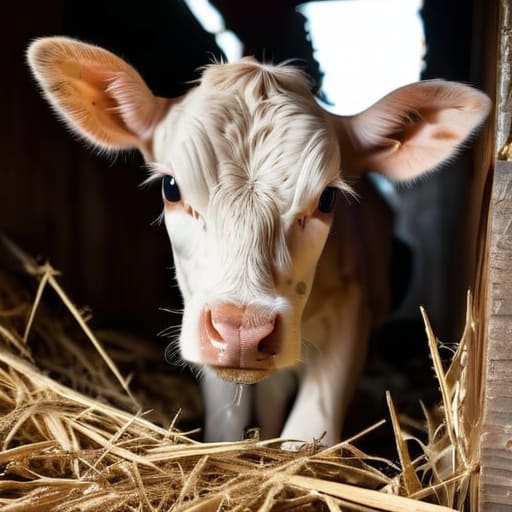
I’ve seen plenty of lads walk into the yard with a brand-new, top-of-the-line calf feeder and a folder full of glossy brochures, thinking they’ve solved the puzzle. They haven’t. You can buy the most expensive milk replacer on the market, but if your colostrum management techniques are a shambles in those first few hours, you’re essentially just subsidising a vet bill for next month. I learned that the hard way back in ’94; we were so focused on the quantity of feed that we ignored the quality of the immunity, and the subsequent losses felt like a punch to the gut.
It isn’t just about what goes into the bucket, either. People talk about nutrition as if it’s a magic wand, but they forget that environment dictates absorption. If your calf housing ventilation is poor and the air is thick with ammonia, it doesn’t matter how much protein you’re shoving down their throats; they’ll be too busy fighting respiratory issues to grow an ounce of muscle. You have to watch the ground, the air, and the animal. If you aren’t managing the dampness and the airflow, you aren’t rearing calves—you’re just managing a slow leak in your bank account.
Liquid Gold or Lost Cash Mastering Colostrum Management Techniques
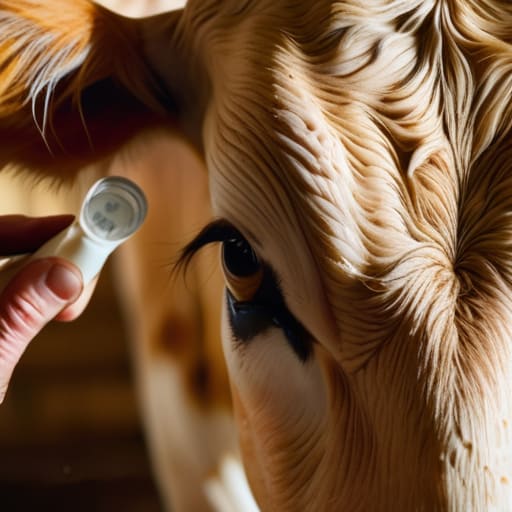
You can buy all the fancy tech in the world to monitor your herd, but if you miss the window on that first feeding, you might as well be throwing money straight into the slurry pit. I’ve seen too many lads treat colostrum like a suggestion rather than a deadline. It isn’t just about volume; it’s about the quality of those antibodies hitting the gut before the window slams shut. If you aren’t testing your ewe or cow’s milk for immunoglobulin levels, you aren’t managing; you’re just guessing, and guessing is an expensive way to run a farm.
Proper colostrum management techniques are the only thing standing between a profitable year and a massive vet bill for preventing calf scours. Once those gut linings close up, you’ve lost your best chance at building immunity. I’ve learned the hard way that a calf with a weak start will never catch up, no matter how much expensive starter you throw at it later. You have to be disciplined with the timing and the temperature, or you’re simply subsidizing the vet’s new car.
Why Poor Calf Housing Ventilation Kills Your Profit Margins
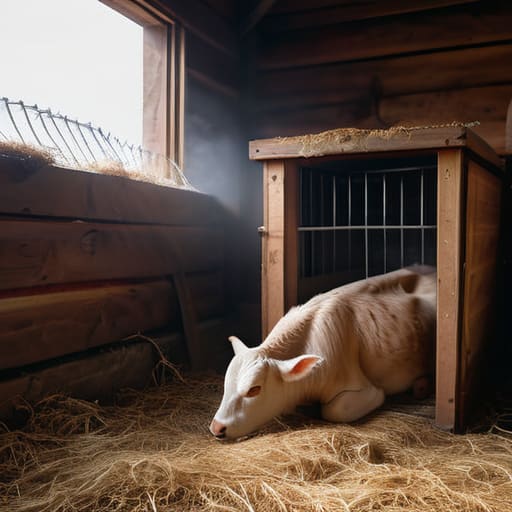
I’ve seen plenty of lads spend a fortune on the latest high-spec, insulated calf hutches, only to seal them up tight to keep the warmth in. It’s a classic mistake. You might think you’re being kind, but you’re actually just building a petri dish. When you trap that damp, ammonia-heavy air inside, you aren’t protecting them; you’re inviting the very pathogens that lead to preventing calf scours becoming a losing battle. If the air is stagnant, the moisture from their breath and bedding builds up, and suddenly you’ve got a damp, heavy atmosphere that does nothing for early life calf development.
Proper calf housing ventilation isn’t about making the shed feel like a drafty hallway; it’s about moving the bad air out without stripping the heat. If you can’t smell the bedding, you’re likely doing alright, but if that sharp tang of ammonia hits your nose, your margins are already leaking. You can have the best nutritional program in the county, but if they’re struggling to breathe in a soup of their own waste, they aren’t growing—they’re just surviving. And in this business, surviving is a very expensive way to stay in business.
Stopping the Bleed Preventing Calf Scours Before They Bankrupt You
You can spend a fortune on the best genetics and the most expensive starter pellets, but scours will strip your bank account bare before those calves even see a summer pasture. I’ve seen it happen more times than I care to admit: a clean, well-managed batch of calves suddenly turning into a graveyard of wasted potential because someone thought they could skim on the bedding or ignore a wet patch in the pens. Preventing calf scours isn’t about some miracle medicine you buy in a bottle; it’s about the relentless, boring work of keeping things dry and keeping the muck moving.
If you aren’t looking at the moisture levels in your pens every single morning, you’re already losing. It usually starts with a breakdown in hygiene or a failure in your early life calf development protocols. Once that rot sets in, you aren’t just losing a calf; you’re losing the months of feed, the labor, and the eventual value of that animal. It is a massive, invisible leak in your cash flow. You have to treat cleanliness like it’s part of your daily budget, because in this business, it is.
The Weaning Trap Nutrition and Early Life Calf Development
Most people treat weaning like a single, painful event—a sudden yank of the teat that leaves the calf confused and the farmer relieved. But if you treat it like a cliff edge rather than a slope, you’re asking for trouble. I’ve seen too many lads rush the process because they want that calf out of the pens and onto the grass to save on labor, only to watch the weight curve flatline two weeks later. You can have the best early life calf development plan in the county, but if you don’t transition them onto solid feed properly, you aren’t raising a calf; you’re just raising a very expensive, very hungry mouth that won’t hit its target weight.
The trick isn’t just about what they eat, but how much they’re actually getting into their guts. It’s easy to get caught up in the technicalities of dairy calf nutrition requirements, but at the end of the day, it comes down to whether that rumen is actually working. If they aren’t hitting the concentrate hard enough before you pull the milk, they won’t have the digestive capacity to cope with the change. Don’t let the desire for a clean pen trick you into a nutritional deficit that takes six months to correct.
Five Things They Don't Put in the Sales Catalogues
- Stop looking at the price per bag of starter and start looking at the conversion. If you’re buying the cheapest pellets on the market just to save a few quid, you’re likely paying for it twice: once at the feed merchant and again when that calf fails to hit its target weight by weaning.
- Watch the feet, not just the belly. You can have the cleanest pens in the county, but if your ground is constantly sodden because you’ve ignored the drainage in the calf shed, you’re inviting lameness before they’ve even seen a blade of grass. A limp calf is a calf that isn’t eating, and a calf that isn’t eating is a hole in your pocket.
- Record keeping isn’t just for the subsidy inspectors. If you aren’t tracking exactly which dam produced which calf and how much they’ve cost you in feed from day one, you’re just guessing. You can’t manage what you don’t measure, and in this business, guessing is a luxury we can’t afford.
- Don’t get seduced by the shiny new tech. I’ve seen plenty of lads buy automated feeding systems that end up as expensive clothes horses because they’re too fiddly to clean or they break the first time a calf decides to headbutt them. Stick to what works, what you can fix yourself, and what actually keeps the calf dry.
- The weather doesn’t care about your schedule. You can have the best weaning plan written on paper, but if a wet spring hits and your grass isn’t ready, your plan is worth nothing. Always have a contingency for the ground; if the pasture is a bog, you need to know exactly how much extra hard feed you’re prepared to buy to bridge the gap.
The Bottom Line on Calf Rearing
Stop looking at the price of the bag and start looking at the cost of the calf; if you aren’t tracking how much every pound of growth actually costs you in feed and vet bills, you aren’t farming, you’re just gambling.
Colostrum and hygiene aren’t “best practices” to be ticked off a list—they are the difference between a calf that grows into a productive heifer and one that becomes a drain on your cash flow before it’s even weaned.
A clean shed and good air aren’t luxuries; they are the cheapest insurance policy you’ll ever buy, because no amount of expensive medicine will fix a calf that’s been struggling to breathe in a damp corner for a week.
The Bottom Line on the Calf Floor
At the end of the day, calf rearing isn’t about chasing the latest high-tech gadget or a fancy nutritional supplement that promises the world. It’s about the basics we’ve talked about: getting that colostrum in early, keeping the air moving so they aren’t breathing their own filth, and watching the scours like a hawk before they turn into a vet bill that wipes out your margin. If you can manage the grass, the hygiene, and the hygiene, you’ve won half the battle. Most of the money lost in this business isn’t lost to bad luck; it’s lost to neglecting the small, daily details that keep a calf standing on its own four feet.
I’ve spent forty years watching seasons turn, and I can tell you that the most successful farmers aren’t the ones with the most expensive sheds, but the ones with the most disciplined eyes. It’s easy to get caught up in the paperwork and the subsidies, but don’t forget that every calf represents a future asset or a future liability. If you treat them with a bit of common sense and a heavy dose of practical observation, they’ll repay you when they hit the field. Farming is hard enough without making it harder on yourself by ignoring the fundamental economics of a healthy animal.
Frequently Asked Questions
At what point does the cost of supplemental feeding outweigh the actual weight gain you're seeing on the scale?
You’ll know you’ve hit the wall when the cost of that extra bag of concentrate is rising faster than the price per kilo on the weighbridge. I’ve seen lads chase an extra five kilos of frame by throwing expensive pellets at a calf that’s already hit its genetic ceiling. If the math doesn’t show a clear return on the feed conversion, stop. You aren’t growing a beast; you’re just subsidising a hobby.
How much of a difference does the actual ground condition in the calf pens make to the rate of lameness once they're out on pasture?
It makes all the difference. You can buy the best starter pellets in the country, but if those calves are standing in a soup of wet bedding and slurry for six months, you’ve already lost the battle. That constant moisture softens the hoof horn and invites bacteria in. By the time they hit the pasture, they aren’t walking; they’re limping. You’ll spend more on vet bills and lost growth than you ever would have on proper drainage.
When the weather turns and the grass stops growing, how do you decide which calves are worth the extra feed and which ones are just a drain on the cash flow?
You don’t decide with your heart; you decide with a pencil and a look at the ground. If the grass is gone and the silage is thin, you look at the frame and the vigor. I look for the calves that have the structural potential to become my replacement heifers. If a calf is lagging behind and looks like it’ll never catch up, you don’t feed it more to chase a ghost; you sell it and save the cash.
