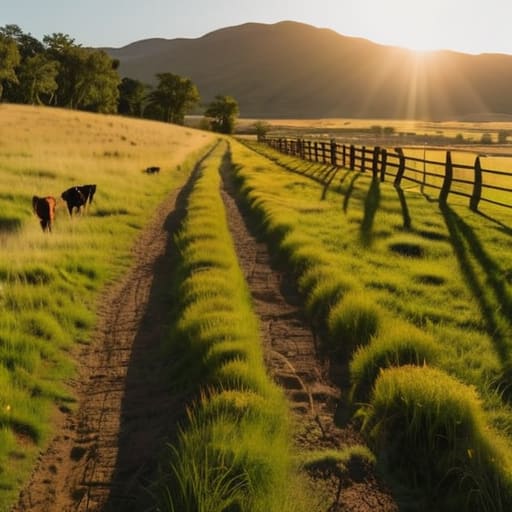
I’ve spent half my life listening to consultants in clean wellies tell me that how stocking rates are calculated is all about some complex formula involving soil nitrogen levels and high-tech satellite mapping. They’ll hand you a glossy spreadsheet that looks more like a bank statement than a farm plan, and they’ll charge you a premium for the privilege. But if you ask me, most of those people have never had to look at a field of poached, muddy nothingness in a wet March and wonder where the profit went. You can crunch all the numbers you want on a computer, but if you haven’t looked at the actual ground and how much rain it’s taken this month, those calculations are nothing more than expensive fiction.
I’m not here to sell you a new piece of software or a subscription to a data service. I’m going to tell you how I actually do it—the way that keeps the cattle fed and the cash flow moving when the weather turns sour. We’ll talk about the real math of grass, the mistakes I made when I was too eager to overstock, and why you should trust your eyes more than a spreadsheet.
Table of Contents
Understanding How Stocking Rates Are Calculated
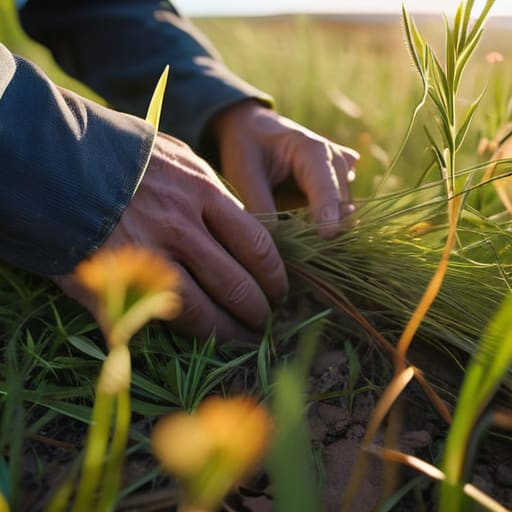
Now, most of the glossy brochures will tell you to sit down with a calculator and start plugging in numbers like you’re doing the tax returns. They’ll talk about animal unit equivalents as if a heifer and a yearling are the same thing just because they both stand on four legs. But if you want to know the truth of it, you don’t start with a spreadsheet; you start by looking at the soil. You cannot calculate a rate in a vacuum. If you haven’t done a proper forage availability assessment to see what’s actually coming out of the ground, your math is nothing more than a fairy tale.
I’ve seen men try to squeeze an extra ten head onto a paddock because the ledger looked thin, only to realize they’d ignored the dry matter intake per animal during a dry spell. They weren’t managing livestock; they were just managing a slow-motion bankruptcy. You have to account for the fact that grass isn’t a constant—it’s a moving target. If you don’t balance the hunger of the herd against the actual regrowth of the sward, you aren’t farming; you’re just gambling with your silage.
Key Things to Know
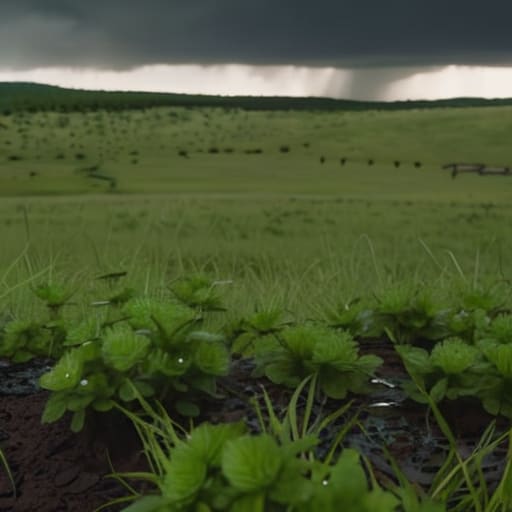
Before you start scribbling numbers on a spreadsheet, you need to look at the ground. Most people approach this by looking at a map and a headcount, but that’s a fool’s errand if you haven’t done a proper forage availability assessment first. You can’t calculate what you don’t have. I’ve seen plenty of lads try to squeeze an extra ten head onto a parcel of land because the “math” says they can, only to find they’ve ignored the fact that the soil is heavy and the rainfall has been relentless. If you don’t account for the actual dry matter intake per animal against what the sward can actually provide, you aren’t farming; you’re just gambling with your margins.
You also have to stop thinking in terms of “head of cattle” as a universal unit. A yearling and a heavy suckler cow are not the same thing when it comes to what they take out of the field. You need to use animal unit equivalents to get a realistic picture of the true load on your pasture. If you treat every animal as a flat number, you’ll find your grazing pressure climbs far faster than your bank balance can handle. Real management is about the gap between what is growing and what is being eaten.
Practical Tips and Steps
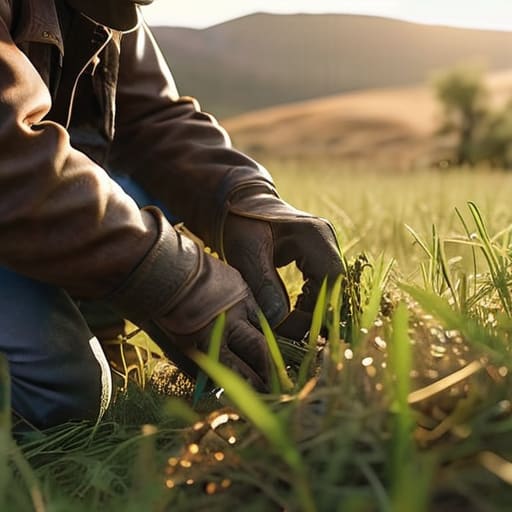
Don’t just pull a number out of a hat because a brochure told you that a certain hectare can hold twenty head. You need to start with a proper forage availability assessment before you even think about moving a gate. I spent too many years looking at the map instead of the ground; you have to walk the fields when they’re at their peak and see what’s actually there. If you haven’t accounted for the late summer slump or the way a wet spring turns your best grazing into a bog, your math is nothing more than wishful thinking.
When you’re sitting down with the ledger, stop thinking in head numbers and start thinking in dry matter intake per animal. A heavy suckler cow isn’t the same as a yearling, and treating them as equal on paper is a quick way to bleed cash. You need to factor in those animal unit equivalents to get a real sense of the load you’re putting on the soil. If you ignore the actual energy requirements of your stock, you aren’t farming; you’re just gambling with your grass.
Common Mistakes to Avoid
The biggest blunder I see is people treating a field like a static number on a spreadsheet. They look at the acreage, look at the head of cattle, and think they’re sorted. But a field in a wet May is not the same as a field in a dry August. If you don’t perform a proper forage availability assessment before you turn the herd out, you aren’t farming; you’re just gambling with your soil structure. I’ve seen too many lads try to squeeze an extra five head into a paddock because the “maths” said they could, only to watch the grass disappear and the animals start poaching the ground into a mud bath.
Another trap is ignoring the reality of different sizes and needs. You can’t just count heads; you have to account for animal unit equivalents if you want to keep your margins from bleeding out. A hungry heifer and a heavy-set cow are two different economic problems. If you ignore the actual dry matter intake per animal, you’ll find yourself chasing your tail with expensive supplementary feed just to keep them standing. Don’t let a tidy ledger hide a starving herd.
Final Thoughts
At the end of the day, a spreadsheet is just a collection of guesses until you actually walk the field. You can sit in the kitchen and run every animal unit equivalent through your calculator until the numbers look pretty, but if you haven’t accounted for the fact that the south field stays boggy until mid-May, those numbers are worthless. I’ve seen too many men try to force a mathematical ideal onto ground that simply won’t carry it. You aren’t just managing animals; you are managing the relationship between the soil and the stomach.
Don’t let the fancy jargon from the consultants get in your head. Whether you call it a forage availability assessment or just “looking at the grass,” the principle remains the same: know what you have before you decide what you can take. If you find yourself constantly chasing after more feed or watching your soil turn to dust, you haven’t failed at farming—you’ve just failed to respect your limits. Keep your eyes on the ground and your hands on the cash flow, and the rest usually settles itself.
Five things the spreadsheets won't tell you about your numbers
- Stop looking at the map and start looking at the soil; a hectare of heavy, wet clay in the bottom field won’t carry half of what your well-drained slope does, no matter what the textbook says.
- Factor in the rainfall before you count the heads, because a theoretical stocking rate is useless the moment you have a wet June that turns your best pasture into a bog.
- Build a buffer for the “bad years” instead of planning for the best ones; if your math only works when the weather is perfect and the grass is waist-high, you aren’t farming, you’re gambling.
- Calculate for the animal, not the acre; a heavy suckler cow needs significantly more than a light ewe, and trying to average them out into one neat number is a quick way to run out of grass by August.
- Watch your margins on the “hidden” costs of overstocking, because the money you think you’re making by squeezing in an extra few head usually disappears straight into vet bills for lameness and parasite loads.
The Bottom Line
Forget the textbook formulas for a moment and look at your soil; if you haven’t accounted for the actual rainfall and the quality of the ground, your stocking rate is nothing more than a guess that will cost you come autumn.
Stop chasing the high numbers that make the farm look busy, because overstocking is just a fast way to trade your long-term grass reserves for a short-term sense of productivity.
Always run the math through the lens of cash flow, because a field full of hungry animals on ground that can’t support them is just a massive, unpaid debt waiting to happen.
The Bottom Line on Numbers
At the end of the day, calculating your stocking rate isn’t some academic exercise to impress a consultant; it is about making sure you aren’t starving your future to feed your ego today. You’ve looked at the grass, you’ve accounted for the rainfall, and you’ve factored in the cost of the feed you’ll inevitably have to buy if the weather turns. Remember that a number on a spreadsheet is just a guess until it meets the actual ground in your specific parish. If you ignore the relationship between your forage availability and your herd size, you aren’t farming; you’re just gambling with your cash flow and hoping the clouds break in time.
I’ve seen plenty of men go bust trying to chase a theoretical maximum that the land simply couldn’t support in a dry July. Don’t be one of them. True success in this business isn’t about how many head you can cram into a hectare, but about how many of those animals actually reach the mart with a profit attached to them. Keep your eyes on the grass, your boots on the ground, and your math honest. If you respect the limits of your land, the land will eventually respect your bank balance.
Frequently Asked Questions
If the rainfall is as poor as we're expecting this season, how much should I actually scale back my numbers before the ground starts turning to dust?
You don’t scale back based on a weather forecast; you scale back when the grass stops growing and the soil stops holding moisture. If the ground is turning to dust, you’ve already gone too far. Watch your dry matter intake and your weight gains. If the cows aren’t maintaining condition on what’s left, you need to move them or sell them now. Don’t wait until you’re feeding expensive concentrate just to keep them standing.
When I'm looking at the math, how do I account for the difference between my best permanent pasture and that run of marginal ground that only yields anything in a wet year?
You don’t average them out. If you try to find a middle ground between your best field and that wet, boggy run on the hill, you’ll end up overstocking the bad ground and starving the good. You treat them as two different economies. Calculate your capacity for the permanent pasture based on a decent year, then treat that marginal ground as a seasonal bonus—or a place to put the hardiest ewes when the grass is actually growing.
How much of a buffer should I be building into my calculations to make sure I'm not one bad month of feed prices away from a cash flow crisis?
If you’re calculating based on a perfect summer and steady grain prices, you’ve already lost. I never run a margin without a 15% buffer, but that’s just the floor. You need to look at your worst year on record—the one where the rain wouldn’t stop and the hay crops failed—and build your cash flow around that. If your math only works when the weather’s behaving and the markets are up, you aren’t farming; you’re gambling.
