
I’ve seen enough glossy agricultural magazines to know they’ll tell you that preparing for winter requires a brand-new, high-spec tractor attachment or some fancy GPS-guided feeding system that costs more than a decent heifer. It’s nonsense. Most of those gadgets are just expensive ways to hide the fact that you haven’t checked your silage pit or your diesel levels. When you’re actually figuring out how to prepare for being snowed in, the last thing you need is a sales pitch; you need to know if your gates will actually swing free when they’re iced over and if your hay is dry enough to keep the cattle from getting the runs.
I’m not here to sell you a lifestyle or a piece of kit that’ll gather dust in the shed by March. I’m going to tell you exactly what I look at when the barometer starts dropping and the sky turns that particular shade of bruised grey. We’ll talk about the real margins—the difference between a manageable frost and a total write-off—focusing on the only three things that matter: your fodder reserves, your fuel, and your ability to reach the stock when the drifts start piling up.
Table of Contents
- Understanding How to Prepare for Being Snowed in
- Key Things to Know
- Practical Tips and Steps
- Common Mistakes to Avoid
- Final Thoughts
- Five things that actually matter when the drifts start piling up
- The Bottom Line Before the First Flake Falls
- The Bottom Line Before the Frost Sets In
- Frequently Asked Questions
Understanding How to Prepare for Being Snowed in
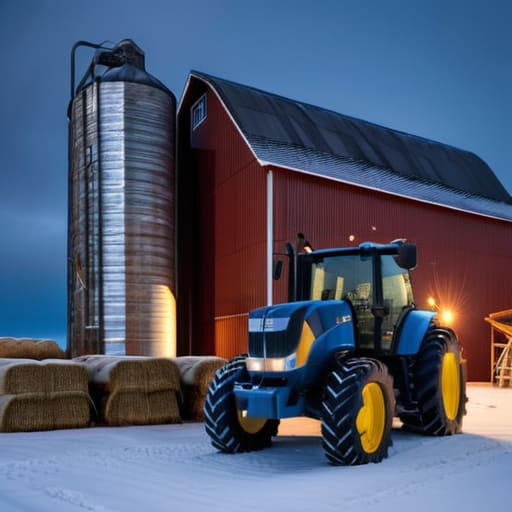
You don’t prepare for a snowstorm by looking at the weather app on your phone; you prepare by looking at your sheds and your silage pits. If you’re waiting for the first white flakes to hit the valley to start checking your feed levels, you’ve already lost. A proper winter weather emergency plan isn’t some glossy folder on a desk; it’s knowing exactly how many days of forage you have if the tracks become impassable and the tractor stays stuck in the yard. I’ve seen men lose a whole season’s profit because they underestimated how quickly a heavy drift can turn a simple feed run into a three-day standoff.
It’s about the basics: fuel, feed, and the ability to keep the lights on. You need to be thinking about winter survival kit essentials not just for the livestock, but for the farmhouse too. If the grid goes down, you aren’t just dealing with cold tea; you’re dealing with frozen pipes and a house that turns into an icebox in hours. Get your diesel tanks topped up and your hay moved to the dryest part of the barn before the temperature drops. If you’re scrambling when the frost sets in, you’re not farming; you’re just reacting.
Key Things to Know

First, let’s talk about the house, not just the yard. Most people think a winter emergency is about the livestock, but if you’re shivering in the dark because the grid has gone sideways, you won’t have the wits to manage the herd. You need a proper winter weather emergency plan that covers the family before you even think about the silage. That means having a stash of fuel for the generator and enough supplies for staying warm during power outages without relying on a phone charger that’ll be dead in four hours.
Don’t go thinking a few tins of soup will see you through a week of drifts. I’ve seen men lose their heads because they underestimated the sheer volume of calories needed when the temperature drops below zero. You need to be stockpiling non-perishable goods—things that don’t require a boiling kettle if the gas is out—and you need to do it while the ground is still firm. If you’re waiting until the first frost to check your pantry, you’ve already lost the battle. It’s about margin for error, and in this business, you don’t want to be running on zero.
Practical Tips and Steps
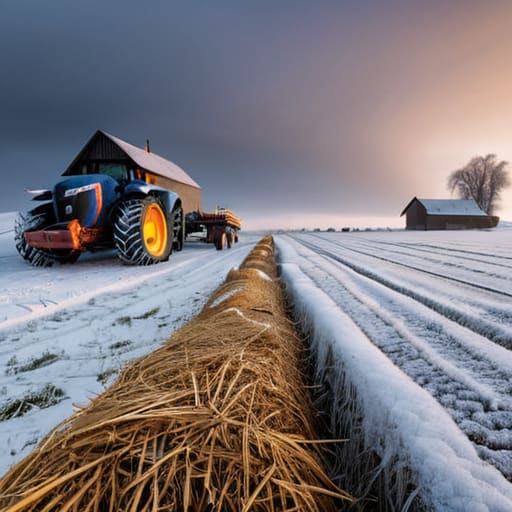
First, let’s talk about the animals, because they don’t care about your spreadsheets. If you’re waiting for the first blizzard to check your hay stores, you’ve already lost. I don’t just look at the tonnage; I look at the quality. There is no sense in having a mountain of silage if it’s too rank to keep a cow’s rumen moving when the temperature drops. Get your winter weather emergency plan sorted now—that means ensuring your feeders are accessible and your gates aren’t going to freeze shut under six inches of drift. If you can’t get a tractor to the field, you’re just watching your profit freeze.
Then there’s the house. When the wind starts howling and the lights flicker, you need to be thinking about more than just a warm blanket. I keep a specific set of winter survival kit essentials in the kitchen drawer—torch, extra batteries, and a proper radio—not because I like being prepared, but because I’ve spent too many nights in the dark listening to the wind and wondering if the pump is still working. Don’t rely on your phone; when the masts go down, you’re on your own.
Common Mistakes to Avoid
The biggest mistake I see is the “it won’t happen to me” mentality. I’ve seen men with brand-new tractors and enough diesel to run a small town get caught out because they forgot the basics. They focus on the heavy machinery but neglect their own winter survival kit essentials. You can have the best quad in the county, but if you haven’t got a reliable torch, extra batteries, and enough dry clothes in the shed, you’re just a man sitting in a very expensive, very cold metal box.
Another blunder is treating your house and your livestock as two entirely separate problems. People spend all their time worrying about the calves in the field and forget about their own home heating safety during storms. I’ve known folks who kept the herd fed but ended up shivering in a freezing kitchen because they hadn’t checked their fuel levels or cleared the vents. Don’t let your focus on the stock lead to a lapse in your own security; a well-sorted winter weather emergency plan has to cover the person holding the gate as much as the animal behind it.
Final Thoughts
At the end of the day, a well-constructed winter weather emergency plan isn’t about being paranoid; it’s about being prepared so you aren’t making decisions when you’re shivering or exhausted. I’ve seen too many lads wait until the white stuff is piling up against the barn doors before they even think about their diesel levels or their hay reserves. By then, you’re not managing a farm; you’re just reacting to a crisis, and reaction is expensive.
Don’t go thinking this only applies to the livestock. If you’ve forgotten about your own pantry, you’re asking for trouble. Get your emergency food storage tips sorted now—stock up on the heavy stuff while the roads are still clear—and make sure you have a proper kit for the house. If the grid goes down, you don’t want to be sitting in the dark wondering if you have enough fuel to keep the heat on. Get the kit checked, check the troughs, and get ahead of the weather while you still have the daylight to do it.
Five things that actually matter when the drifts start piling up
- Check your diesel levels and the tractor’s health before the frost sets in; there is nothing quite as soul-destroying as a blocked fuel filter or a dead battery when you’re staring at a blocked gate and a hungry herd.
- Top up the hay sheds early and make sure it’s dry; I’ve seen too many men try to stretch out damp, mouldy forage to save a few quid, only to watch their cattle lose condition and their profit margin vanish in a single week.
- Clear your access tracks and perimeter fences while the ground is still firm; once that heavy, wet snow settles, you’ll find out very quickly if your hedge management was as good as you thought it was when you’re trying to reach a stuck heifer.
- Stockpile your essential medicines and basic kit now; don’t assume the local vet or the co-op will have what you need when the roads are impassable, because by then, you’re on your own.
- Watch your cash flow as closely as your weather reports; a week of being snowed in can lead to a mountain of unexpected costs in feed and repairs, so make sure you aren’t running on empty before the first flake even hits the ground.
The Bottom Line Before the First Flake Falls
Don’t trust a weather forecast more than you trust your own hayloft; if the silage isn’t in and the troughs aren’t cleared, you’re already losing money before the snow even hits the ground.
Watch your cash flow as closely as your feed levels, because a week of being snowed in often leads to a month of expensive, reactive decisions that’ll bite you come calving season.
Focus on the basics—grass, feet, and fuel—and ignore the shiny new kit; if it doesn’t help you get to the livestock or keep them fed when the gates are frozen shut, it’s just more clutter for the shed.
The Bottom Line Before the Frost Sets In
At the end of the day, preparing for a snow event isn’t about having the flashiest new tractor or the most expensive telemetry system; it’s about having enough hay in the barn and enough diesel in the tank to move it. You need to check your fences, ensure your water troughs won’t freeze solid by Tuesday, and make sure your most vulnerable stock are in the best ground you’ve got. If you haven’t checked your stocking density against the actual forage available in the paddocks, you’re just gambling with your margins. Remember, a snowdrift is a nuisance, but a lack of feed is a financial catastrophe that lingers long after the spring thaw.
Farming is a game of managing variables you can’t control, and the weather is the most stubborn one of the lot. You can spend your whole life fighting the elements, but you’ll find more peace if you learn to work with them by respecting the seasons and keeping your eyes on the ledger. Don’t let the romanticism of rural life blind you to the hard reality that a well-prepared farm is a profitable one. Stay practical, keep your cash flow protected, and remember that the best piece of kit you own is a bit of foresight.
Frequently Asked Questions
If the snow is deep enough to block the tracks, how much extra silage should I actually be banking to cover a week of being stuck without a tractor?
If the tracks are blocked, you aren’t just short on feed; you’re short on movement. Don’t calculate based on what the cattle eat; calculate based on what they’ll eat if you can’t get the feeder to them. I always bank an extra ten days beyond what I think I’ll need. If you’re stuck for a week, that extra buffer is the difference between a controlled feeding plan and watching your margins vanish into a frozen trough.
At what point do I stop trying to get the cattle out to fresh ground and just commit to feeding them in the yard to avoid a lameness disaster?
You stop the moment the ground turns from “wet” to “poached.” If you’re watching your best grazing turn into a slurry pit just to save a few quid on silage, you’ve already lost. Once that soil structure is gone, you aren’t just risking lameness; you’re destroying next year’s grass too. Pull them into the yard, get them on clean bedding, and accept the feed bill. It’s cheaper to buy hay than to fix a cow’s foot or a ruined field.
How do I balance the cost of extra diesel and feed against the risk of a sudden freeze, without bleeding my cash flow dry before the spring?
You don’t balance it; you look at the ground and your bank balance. If your grass is decent and the weather outlook is fickle, don’t go buying bulk concentrates just to feel safe. You’ll end up with a shed full of expensive grain and no cash when the price of diesel spikes. Buy just enough lick or hay to bridge a week of bad weather. If you’re gambling on the feed bill, you’ve already lost.
