
If you pick up a glossy brochure or click on a link promising a “complete guide to environmental schemes” that will magically turn your farm into a lush, profitable paradise overnight, you’re being sold a load of rubbish. I’ve sat through enough seminars in drafty village halls to know that most of these guides are written by people who have never had to worry about a late spring or a sudden drop in beef prices. They talk about “biodiversity targets” and “carbon sequestration” like they’re reading from a script, but they rarely mention if the actual cash in your pocket at the end of the year will cover the cost of the extra fencing or the lost grazing.
I’m not here to sell you a dream or a new piece of expensive kit that’ll end up rusting in the shed. What I’m going to do is strip the jargon away and look at the hard numbers behind these new rules. I’ll tell you which schemes are worth the paperwork and which ones are just a slow way to bleed your margins dry. This isn’t about being a saint for the environment; it’s about making sure that whatever changes you make, you aren’t sacrificing the farm just to tick someone else’s box.
Table of Contents
Understanding Complete Guide to Environmental Schemes
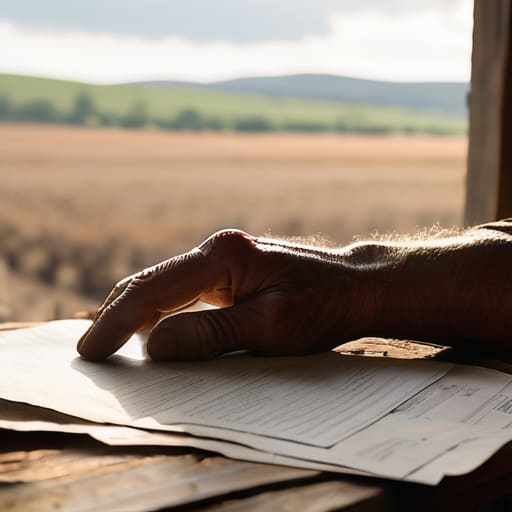
If you sit down with a consultant, they’ll hand you a folder thick enough to stop a bullet and tell you it’s a “complete guide to environmental schemes.” Don’t let the gloss fool you. Most of these agricultural stewardship programs are just a complicated way of asking you to manage the land differently while they figure out how to pay you for it. You need to look past the jargon and ask one simple question: does this change actually improve my soil, or am I just getting paid to let my best grazing land go to seed?
The reality is that most of these nature recovery funding pots are tied to specific, rigid outcomes. You’ll hear plenty about sustainable land management practices, but if those practices don’t align with the way your farm actually breathes, you’re setting yourself up for a headache. I’ve seen men lose their shirts trying to chase every new climate mitigation incentive that comes across the desk, only to find the paperwork costs more in man-hours than the cheque covers. Before you sign anything, you’d better know exactly how much of your productive acreage you’re trading away for those payments.
Key Things to Know
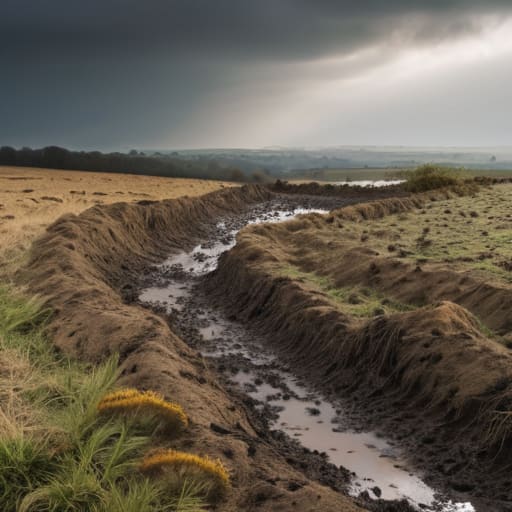
First, don’t mistake a fancy name for a new way of farming. Most of these agricultural stewardship programs are just old ideas dressed up in new terminology to suit the current mood in Westminster. Whether they call it “nature recovery” or something more clinical, the reality is that you’re being asked to trade productive land for a set of rules that often feels like it was written by someone who’s never seen a wet March. Before you sign anything, you need to look past the brochure and ask if the environmental subsidy eligibility actually accounts for the loss in grazing days when you’re forced to leave a field fallow.
Secondly, watch your margins like a hawk. These schemes often focus heavily on sustainable land management practices, which sounds fine on paper, but it’s the hidden costs that’ll catch you. If a new requirement means you’re buying a specialized piece of kit or spending twenty extra hours a week on a tablet instead of in the yard, you have to calculate that into the bottom line. If the nature recovery funding doesn’t cover the extra diesel, the extra labor, and the lost opportunity of that grass, then it isn’t a subsidy—it’s an expensive hobby.
Practical Tips and Steps
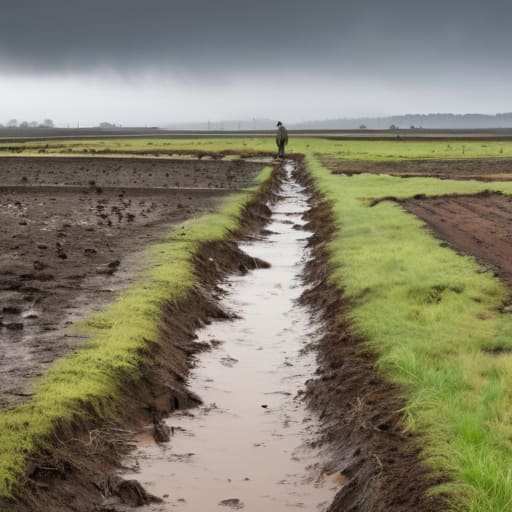
Before you sign your life away to any new agricultural stewardship programs, go out and walk your worst field. I don’t care what the brochure says about “restoring habitats”; if that ground is nothing but heavy clay and a bog in a wet February, you’ll spend more on drainage or lost grazing time than the scheme will ever pay you back. You need to map your ground against the actual requirements. Don’t just look at the potential for nature recovery funding; look at the opportunity cost of taking that field out of production. If the payment per hectare doesn’t account for the loss of your best grass, you aren’t participating in a scheme, you’re running a charity.
My rule of thumb is to keep the paperwork separate from the production. If a new requirement for sustainable land management practices means you’re spending four hours a week on a laptop instead of in the yard, you’ve already lost your margin. Check your environmental subsidy eligibility against your current rotation, not a theoretical one. If the math doesn’t work on a bad year, it won’t work on a good one.
Common Mistakes to Avoid
The biggest mistake I see is people treating these schemes like a math problem instead of a land management problem. You’ll see lads looking at the spreadsheet, seeing a nice figure for nature recovery funding, and signing up before they’ve even walked their own boundaries in the rain. If you commit to a specific set of actions without checking if your soil can actually support them, you aren’t farming anymore—you’re just a highly stressed volunteer for the government. Don’t sign your life away to a program that demands you change your grazing pattern if you haven’t first accounted for how that’s going to affect your weaning weights.
Another trap is getting blinded by the shiny promise of environmental subsidy eligibility while ignoring the sheer volume of paperwork that comes with it. I’ve seen good, productive acres fall into disrepair because a farmer spent more time staring at a laptop screen than checking his fences. If the time you spend proving you’re being “green” costs more in man-hours than the actual payment, you’ve made a bad trade. Always ask yourself: if the subsidy vanished tomorrow, would this practice actually leave my land in better shape, or am I just chasing a check?
Final Thoughts
At the end of the day, you have to decide if these new ways of working are actually going to keep the lights on. I’ve seen plenty of folks get swept up in the promise of nature recovery funding, chasing every new incentive that comes across the desk, only to find themselves working harder for a cheque that barely covers the diesel for the quad bike. If you’re going to pivot your business toward these new requirements, make sure you aren’t just trading a productive field for a glorified wildflower patch that doesn’t pay the bills.
Don’t let the paperwork blind you to the reality of your margins. Whether you’re looking at agricultural stewardship programs or something more complex, the math has to work. If the cost of changing your grazing rotation or fencing off a riparian strip outweighs the payment, then it isn’t a business decision—it’s a hobby. Keep your eyes on the grass and the cash flow, because no amount of biodiversity will save a farm that can’t balance its books by year-end.
Five things to check before you sign your life away to a new scheme
- Run the numbers on the actual labour, not just the payment. They’ll tell you what the subsidy is worth per hectare, but they won’t tell you how many extra hours you’ll spend in the tractor or on the laptop to prove you’ve done the work. If the payment doesn’t cover the cost of your time, you aren’t being paid; you’re just working for free under a different name.
- Look at the ground before you look at the brochure. A scheme might look grand on a glossy page, but if it requires you to take out your best grazing or mess with the drainage on a slope that’s already temperamental, the “environmental benefit” might just result in a nutritional deficit your livestock can’t afford.
- Don’t trade long-term productivity for short-term cash. I’ve seen men sign up for schemes that look good for a three-year window, only to find they’ve compromised the soil health or the grass quality so much that they’re spending more on supplementary feed come winter than they ever made in subsidies.
- Check the “exit strategy” as carefully as the entry requirements. These schemes are notorious for being easy to join and a nightmare to leave. You need to know exactly what happens to your land and your budget if you decide in two years that the whole thing was a mistake.
- Keep your eyes on the cash flow, not just the compliance. A scheme might be profitable on paper by the end of the year, but if it requires massive upfront costs for new fencing, seed, or kit, you might find yourself staring at an empty bank account long before that final payment hits the ledger.
The Bottom Line on These Schemes
Don’t let the paperwork blind you to the profit; if a scheme requires more man-hours than the payment provides, it’s not a subsidy, it’s a part-time job you’re paying for.
Always look at the ground before you sign the contract; a scheme that sounds good on a spreadsheet can be a disaster if it doesn’t account for your specific soil and the rainfall you actually get.
Avoid the trap of “shiny object” syndrome with new kit; if a scheme requires a piece of machinery you’ll only use twice a year, do the math on the depreciation before you take out the loan.
The Bottom Line
At the end of the day, these environmental schemes aren’t a magic wand for your bank balance, and they certainly aren’t a substitute for good husbandry. You can sign every piece of paper the government puts in front of you, but if you lose sight of your grass quality or let your margins slip because you were too busy counting hedgerows, you’re heading for trouble. Remember that every scheme has a hidden cost—be it in time, extra labor, or the loss of a productive field. Don’t let the pursuit of a subsidy payment blind you to the actual cost of production on your own land. If the math doesn’t work when you strip away the jargon, it isn’t worth your time.
Farming has always been a game of adapting to whatever the weather or the politicians throw at us. We’ve moved from simple production to this complex web of compliance, and it’s enough to make a man want to close the gate and walk away. But we stay because we know this ground better than anyone else. Use these schemes if they make sense for your specific acres, but never let them dictate your fundamental farming principles. Keep your eyes on the livestock, your feet on the ground, and your cash flow in the black. That is how a farm survives, regardless of what the latest policy says.
Frequently Asked Questions
If I take on these new environmental requirements, how much is the actual drop in my stocking density going to cost me in lost beef sales?
You’re asking the only question that matters, though nobody in a suit will give you a straight number. It isn’t just the lost headage; it’s the compounding math. You calculate the cost of the beef you won’t sell, then subtract the subsidy, and then you have to account for the fact that your fixed costs—the tractor, the sheds, the rates—don’t shrink just because you’ve got fewer mouths to feed. If the payment doesn’t cover that gap, you’re just paying to work harder.
Are these schemes going to demand more time in the office than I have left, or is there a way to do this without drowning in paperwork?
If you try to do it all yourself, you’ll be staring at a screen until midnight and missing the actual work. These schemes are designed by people who love spreadsheets, not soil. My advice? Don’t aim for perfection; aim for compliance that doesn’t break your back. Use a decent farm management app to track what you can, and if the paperwork starts swallowing your life, hire a consultant for the heavy lifting. Your time is worth more than the subsidy.
Which of these new rules are actually going to improve my soil and grass, and which ones are just there to tick a box for a government department?
If you’re looking at the rules for soil health, look for the ones that pay you to leave the ground alone during the wettest months or manage your grazing more precisely. Those actually build structure. Anything that just asks you to plant a hedge or spray a specific way without considering your specific drainage or rainfall is just paperwork. If the rule doesn’t help your grass grow or your soil hold, it’s just a box-ticking exercise.
