
I spent three hours yesterday staring at a spreadsheet that looked more like a work of abstract art than a business plan, all because some consultant in a clean shirt tried to explain how environmental schemes work. They talk about “biodiversity outcomes” and “carbon sequestration” as if those words will pay for a new tractor or fix a dry spell in July. I’ve sat through enough of these briefings to know that most of the time, they are just trying to sell you a way to turn your productive grazing into a glorified wildflower meadow that won’t sustain a single calf come winter.
I’m not here to give you the glossy brochure version or the political spin. My goal is to strip away the jargon and look at the actual math: how much of your time will this paperwork swallow, and more importantly, will it actually protect your cash flow? I’ll be looking at these schemes through the lens of a man who cares about the ground under his boots and the numbers in his ledger. We are going to figure out which of these programs are worth the headache and which ones are just expensive distractions from running a real farm.
Table of Contents
Understanding How Environmental Schemes Work
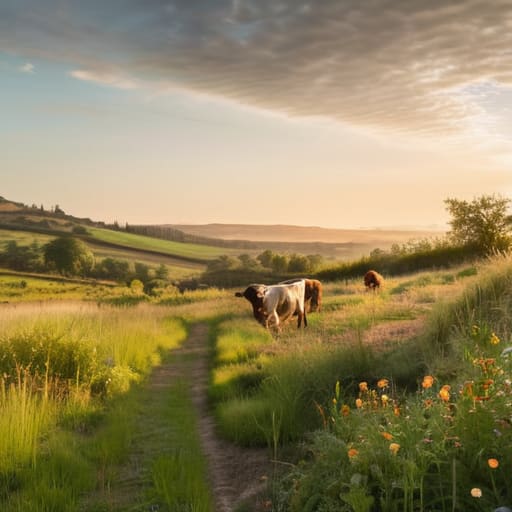
The way these government conservation programs are structured usually boils down to one thing: you aren’t being paid for your livestock anymore; you’re being paid for the scenery. In the old days, you got a payment for the head of cattle you had on the ground. Now, the money is tied to how much you can avoid doing. They want you to plant hedges, leave certain fields fallow, or change how you manage your grazing to meet their specific biodiversity protection initiatives. It’s a complete shift in the logic of the farm.
The trouble is that these ecological subsidy structures rarely account for the reality of a working suckler herd. You might be told you’re improving the land through sustainable land management practices, but if those practices mean you can’t get the ewes onto the best grass when the weather turns, you’re just trading one problem for another. It’s all well and good on a spreadsheet in an office, but out here, we have to figure out if the compliance and monitoring frameworks are going to leave us with enough margin to actually keep the farm running.
Key Things to Know
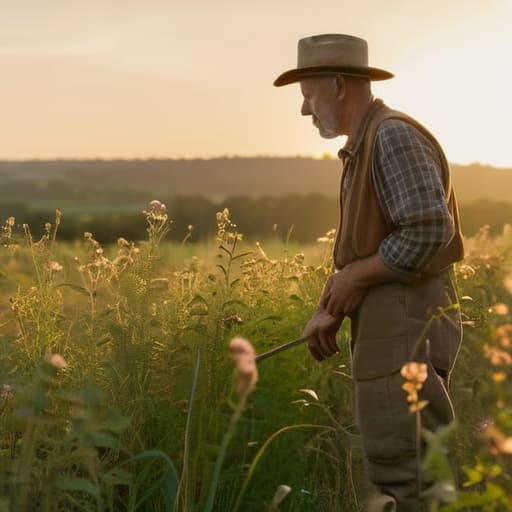
First, you have to look past the glossy brochures and realize that these government conservation programs aren’t charity; they are a change in how we are paid for what we do. For forty years, the check came for the weight of the beast or the number of sheep on the hill. Now, the money is increasingly tied to how you manage the margins of your land. You aren’t just a producer anymore; you’re being asked to be a land manager, which means more time spent looking at hedgerows and less time looking at the market price of beef.
The second thing is the reality of the paperwork. These compliance and monitoring frameworks are designed to be thorough, which is a polite way of saying they are exhausting. If you sign up for a scheme thinking it’s easy money, you’ll find yourself spending more on diesel and admin than you ever expected. You have to ensure that any new way of working actually fits your existing rotation. If a scheme asks you to take three good acres out of production, you’d better be certain the payment covers the lost calf crop and the cost of the extra feed required to keep the rest of the herd up.
Practical Tips and Steps

Before you sign your life away to any new contract, sit down with your books and look at the actual margin per hectare. These government conservation programs often look grand on a brochure, but they rarely account for the extra diesel or the man-hours spent fixing fences to meet a new boundary requirement. My rule is simple: if the payment doesn’t cover the cost of the extra labor and the potential dip in your stocking rate, you aren’t being compensated; you’re just subsidizing the state.
Don’t go chasing every shiny new biodiversity protection initiative that comes across your desk. I’ve seen men lose their shirts trying to manage hedgerows for a payment that wouldn’t cover a single set of replacement hoof trimmers. Instead, pick the one or two practices that actually align with how you already run your ground. If you’re already managing your leys well, look for the schemes that reward that specific way of working. It’s better to do two things right and profitable than to try and turn your farm into a museum for a handful of pennies.
Common Mistakes to Avoid
The biggest mistake I see is treating these schemes like a separate business venture rather than a part of the farm. People get so caught up in the paperwork of government conservation programs that they forget they still have a herd to feed and fences to mend. If you commit to a specific set of sustainable land management practices without checking your soil health or your drainage first, you’re just setting yourself up for a massive headache when the inspectors show up. You can’t manage a landscape on a spreadsheet alone; if the ground won’t support the change, the subsidy won’t save you.
Another trap is chasing the highest possible payment without looking at the long-term cost of compliance. I’ve seen plenty of lads jump into complex biodiversity protection initiatives because the headline figure looked good, only to find the compliance and monitoring frameworks require more man-hours than the check is actually worth. It’s easy to get distracted by the shiny new incentives, but if you don’t calculate the cost of the extra kit or the lost grazing time, you aren’t making a profit—you’re just paying for the privilege of being a glorified gardener.
Final Thoughts
At the end of the day, you have to look at these government conservation programs through the lens of your own ledger. I’ve spent forty years watching the goalposts move, and I’ve learned that a scheme is only as good as the margin it leaves behind. You can lean into all the biodiversity protection initiatives you like, but if the paperwork takes more time than the actual husbandry, or if the payment doesn’t cover the cost of the seed you’re forced to buy, you’re just working for the bureaucrats.
My advice is to stay skeptical. Don’t sign up for a long-term commitment just because the brochure looks professional; read the fine print on the compliance and monitoring frameworks first. If a scheme asks you to change your grazing pattern in a way that compromises your stock condition or your grass reserves, walk away. We aren’t running a museum; we’re running a business. Stick to the practices that keep your feet on the ground and your cash flow in the black.
Five Things to Check Before You Sign Your Life Away
- Check the math on the actual cash flow, not just the headline payment. A scheme might pay you a decent rate per hectare for a wildflower meadow, but if that meadow replaces high-quality grazing that keeps your weaning weights up, you’re losing money on the back end. You have to account for the loss of the animal, not just the gain of the subsidy.
- Look at the ground before you look at the brochure. I don’t care what the scheme says about “improving biodiversity” if the soil in that field is heavy clay and won’t drain once you stop managing it the way you have for forty years. If the ground changes, your management costs change, and if those costs aren’t in the contract, you’re paying for the privilege of working for the government.
- Don’t buy kit you’ll only use once a year to satisfy a regulation. I’ve seen lads spend thousands on specialized fencing or spraying equipment for a specific environmental tier, only for that gear to rust in the shed come November. If the equipment doesn’t serve your core livestock business, it’s a bad investment, regardless of the subsidy.
- Read the fine print on “flexibility.” These schemes are often written by people who have never had to move a herd in a downpour or deal with a sudden outbreak of something. If the rules are so rigid that you can’t adjust your grazing pattern to suit the weather or the grass growth, you’ll find yourself choosing between breaking a rule and losing your payment.
- Factor in the “paperwork tax.” You can get paid for the environmental work, but if it takes you twenty hours a month of sitting at a desk instead of being out in the fields, you have to value your own time. If the payment doesn’t cover the cost of the time lost to the admin, you’re effectively working for free.
The Bottom Line Before You Sign
Don’t let a shiny new scheme distract you from your margins; if the payment doesn’t cover the extra time in the office or the cost of the kit you’ll need to meet the new rules, you’re just paying for the privilege of doing more work.
Watch your grass and your ground—any scheme that asks you to take too much land out of production without accounting for how that affects your stocking rates is a recipe for a cash flow crisis come winter.
Treat every new regulation like a new piece of machinery: test it on a small scale first, check if it actually works in your soil, and never buy into the marketing until you’ve seen the actual numbers on your own ledger.
The Bottom Line
At the end of the day, these environmental schemes aren’t a magic wand for your bank balance, nor are they a way to turn your farm into a nature reserve overnight. If you’ve listened to a word I’ve said, you know it comes down to the same old math: you have to weigh the cost of the extra labor and the missed grazing against the actual cash flow the scheme puts in your pocket. Don’t get distracted by the fancy terminology or the glossy brochures from the consultants. Look at your ground, look at your rainfall, and make sure that if you’re changing how you manage your hedges or your leys, you aren’t sacrificing the long-term health of your soil just to tick a box for a short-term payment.
I’ve seen plenty of men try to chase every new subsidy like it’s a winning lottery ticket, only to find themselves with a farm that looks lovely on paper but can’t sustain a single suckler cow through a dry summer. My advice is to stay steady. Use these schemes to bolster what you already do well rather than trying to reinvent the wheel every time a new policy comes out of London. Farming is a game of margins and patience, and while the rules of the game might change, the fundamental truth remains: if you take care of the grass and the livestock, and keep a sharp eye on the ledger, you’ll weather whatever storm the bureaucrats decide to send our way next.
Frequently Asked Questions
If I commit to these schemes, how much of my actual grazing land am I going to lose to things like buffer strips or set-asides?
That’s the question that actually matters, isn’t it? Everyone talks about the “green” benefits, but nobody talks about the lost grazing days. It depends entirely on which scheme you’re looking at, but you have to do the math on your specific topography. If you’ve got steep ground or wet corners, a buffer strip might not cost you much. But if you’re carving out set-asides from your best ley, you’re trading productive grass for a subsidy check. You need to calculate if that extra cash covers the cost of the feed you’ll have to buy to make up the deficit.
How much of the payment is actually going to cover the extra diesel and man-hours for the paperwork, rather than just sitting in my profit margin?
If you’re being honest with your books, the answer is likely: not enough. By the time you’ve factored in the extra diesel for moving stock to meet new boundaries, the cost of the software to track it, and the hours you spend staring at a screen instead of being in the yard, the margin thins out fast. Most of these schemes pay for the “service” of being a steward, but they rarely account for the actual cost of doing the work.
What happens to my cash flow if a scheme requires me to change my stocking rate mid-season because the weather turns and the ground can't take it?
That’s where the paperwork meets the mud. If the ground turns to soup and the scheme says you can’t run those cattle on it, your cash flow takes a direct hit. You’re stuck with the cost of supplemental feed and the logistics of moving stock, often without an immediate way to claim it back. If the scheme doesn’t account for a wet spring, you aren’t just managing land; you’re subsidizing the government’s weather.
