
I’ve spent half my life watching men in expensive waterproofs stand in muddy fields, staring at iPad apps and talking about “predictive modeling” as if they’ve discovered fire. They’ll sell you a subscription to a fancy meteorological service and call it a complete guide to weather planning, but an app won’t tell you that the bottom ten acres of the north field are already turning into a peat bog that’ll swallow a tractor whole. You can have all the data in the world, but if you haven’t looked at the color of the grass and the way the wind is shifting off the hills, you’re just guessing with a digital interface.
I’m not here to sell you a software package or a way to outsmart the sky. What I am going to do is give you the hard truth about how to read the ground and the clouds so you aren’t caught flat-footed when the season turns. We’ll talk about managing your stock before the rain hits, protecting your margins when the drought bites, and why timing your moves to the weather is the difference between a profitable year and a massive debt.
Table of Contents
Understanding Complete Guide to Weather Planning
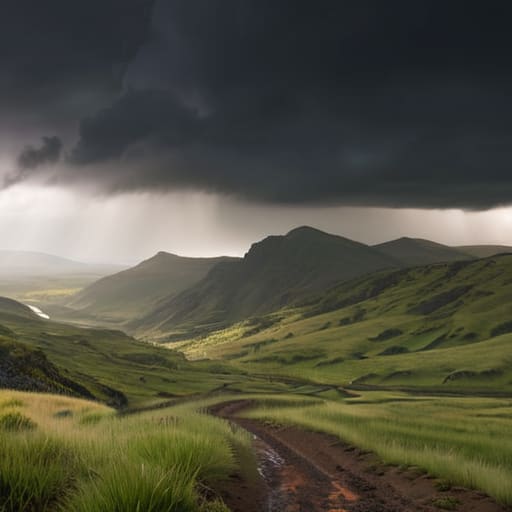
Now, when people hear “weather planning,” they tend to think of some fancy consultant waving a tablet around, talking about meteorological forecasting techniques that sound more like rocket science than sheep farming. Let’s clear that up right now. To me, planning isn’t about predicting exactly when the clouds will burst; it’s about knowing your land well enough to know what happens when they do. It’s the difference between seeing a dark sky and knowing that the north paddock will be a bog by Tuesday, making it useless for the ewes.
You have to look at the bigger picture—the seasonal climate patterns we’ve lived through for forty years—and marry that to the reality of your specific acreage. A proper approach to managing the elements isn’t a one-off task you tick off a list in January. It is a constant, rolling weather-based risk assessment that happens every time you check the wind direction or the soil moisture. If you aren’t looking at how the rain interacts with your specific slope and your specific stock, you aren’t planning; you’re just hoping for the best. And hope is a very expensive way to run a farm.
Key Things to Know
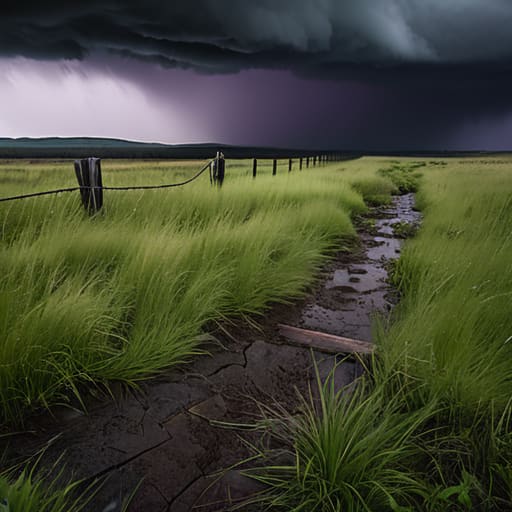
Now, I’m not saying you need to be staring at a radar screen every hour of the day, but you can’t afford to be blind to the seasonal climate patterns that dictate when your grass is actually worth something. Most of the lads I know wait until the clouds turn that bruised shade of purple before they start thinking about moving stock. By then, it’s too late. You aren’t just looking for rain; you’re looking for the kind of deluge that turns your best acre into a bog and ruins your margins before the calf is even weaned.
You also need to have a bit of climate contingency planning tucked away in your back pocket. It isn’t about fancy software or expensive meteorological forecasting techniques that promise the moon; it’s about knowing which field will turn to soup first and having the gates ready to move the cattle before the ground gives way. If you haven’t got your emergency preparedness protocols sorted—meaning, knowing exactly where the backup feed is and which fences can hold a heavy drift—then you’re just gambling with your cash flow.
Practical Tips and Steps
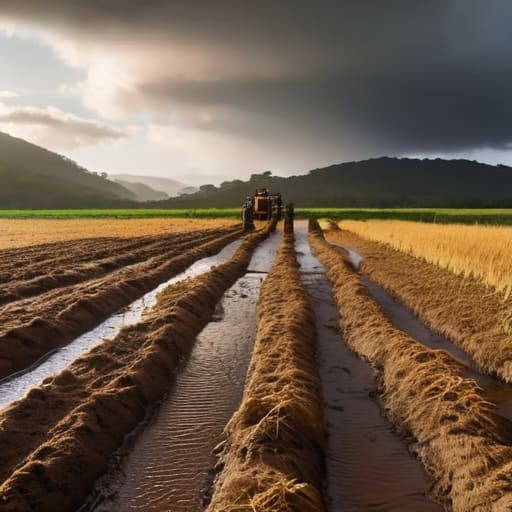
First, you need to stop looking at those fancy apps as if they’re gospel truth and start looking at your own fields. I’ve learned the hard way that a generic forecast doesn’t know if your bottom paddock is a bog or a sponge. You need to develop your own weather-based risk assessment by watching how the water sits in the hollows after a heavy spell. If the ground is already saturated, a “light drizzle” in the forecast is actually a signal to move the cattle to the higher ground or tighten the stocking rate before you turn your best pasture into a mud bath.
Second, don’t wait for the storm to hit before you start thinking about your climate contingency planning. I don’t care how much kit you’ve bought; if you haven’t checked the fences and the shelter belts before the wind picks up, you’re just reacting to a crisis. Keep a mental—or better yet, a physical—list of emergency preparedness protocols for when the weather turns foul. This means knowing exactly where the backup hay is stored and having a plan for the stock that doesn’t involve a frantic, expensive dash through a gale.
Common Mistakes to Avoid
The biggest mistake I see is people treating a weather app like it’s gospel written in stone. I’ve seen lads staring at their phones in the yard, convinced they’ve got a dry spell coming, only to be caught out by a sudden deluge that turns the bottom paddock into a bog. They skip the actual weather-based risk assessment of their own land. You can have the most sophisticated meteorological forecasting techniques in your pocket, but if you haven’t walked the ground to see where the water sits when the sky opens, you’re just guessing.
Another trap is waiting until the clouds turn black to start thinking about your climate contingency planning. I’ve lost more money to a poorly timed move than I ever have to a bad market. If you’re waiting for the gale to hit before you check the integrity of your fencing or the state of your shelter, you’ve already lost the battle. Most people think they’re being “efficient” by delaying, but in this business, procrastination is just a slow way of bleeding cash.
Final Thoughts
At the end of the day, you can spend all your time staring at fancy apps or reading about the latest meteorological forecasting techniques, but none of that matters if you haven’t looked at your own fields. A forecast is just a suggestion until you’ve walked the ground and felt how much water it’s holding. If you wait until the sky turns black to start thinking about your stock, you’ve already lost the battle.
Real success in this business isn’t about predicting the future perfectly; it’s about having a bit of climate contingency planning in place so a bad week doesn’t turn into a bad year. You need to know exactly where your shelter is, where your feed is stored, and which gates will hold when the wind picks up. It’s about making sure that when the weather inevitably turns sideways, you aren’t left scrambling.
Don’t get caught chasing the weather. Instead, build your margins around it. Keep your cash flow steady, your ground in good nick, and always leave yourself a little bit of breathing room. That’s the only way to stay in the game.
Five things the weather man won't tell you about your margins
- Stop looking at the temperature and start looking at the soil. A forecast might say it’s a mild spring, but if that ground is still holding water from March, your cattle aren’t grazing grass—they’re just making mud and destroying the sward. You can’t plan a rotation on a thermometer; you plan it on the moisture level of the dirt.
- Treat your hay and silage windows like a bank withdrawal. If the forecast shows a three-day gap of sun, you move. You don’t wait for the “perfect” window that the apps promise, because by the time that window arrives, the humidity has spiked and your quality has gone to nothing. You take what the weather gives you, not what you wish it would provide.
- Watch the clouds, not just the apps. I’ve spent forty years watching how the light changes over the hills before I ever trust a smartphone. If you see a certain heaviness in the air, you don’t wait for the notification to tell you to get the sheep in or move the stock to the higher ground; you act while you still have the daylight to do it.
- Plan for the “unlikely” extremes every single season. I don’t care how much the experts swear it’s a dry year; I always keep a mental tally of where my emergency fodder is kept. If you haven’t accounted for a sudden, freakish cold snap or a week of torrential rain that turns your paddocks into a bog, you aren’t planning—you’re gambling.
- Don’t let a wet spell turn into a lameness crisis. Most people think weather planning is about crops or hay, but for me, it’s about feet. If you see a week of wet weather coming, you need to have your bedding, your tracks, and your hoof-trimming schedule ready. A bit of rain is a nuisance; a month of wet ground is a massive, invisible drain on your cash flow through vet bills and lost weight.
The Bottom Line on Weather Planning
Stop looking at the thermometer and start looking at the ground; a forecast tells you if it’s raining, but the state of your soil tells you if you’re about to turn your best pasture into a permanent bog.
Weather planning isn’t about being right about the rain, it’s about having a plan for when you’re wrong—if you haven’t got a fallback for your stock when the grass stops growing or the ground turns to soup, you’re gambling, not farming.
Don’t let a single week of bad weather ruin your year’s margins; manage your feed and your movement early so you aren’t forced into expensive, last-minute decisions when the weather finally breaks.
The Bottom Line
At the end of the day, weather planning isn’t about staring at a screen and hoping for the best; it’s about knowing your ground and your margins. You can have the best pedigree stock in the county, but if you’ve let the soil get too poached because you ignored a week of heavy rain, you’re just burning through your cash flow to repair damage that shouldn’t have happened. Keep your eyes on the grass growth, watch your stocking rates like a hawk when the clouds turn grey, and remember that a well-timed move to a drier field is worth more than any fancy piece of machinery you’ll buy this year. It all comes down to protecting your assets before the weather decides to do it for you.
Farming will never be a predictable business, and no amount of planning can stop a storm from hitting or a drought from setting in. But there is a massive difference between being a victim of the elements and being a man who was ready for them. If you take the time to look at the horizon and the history of your own fields, you stop reacting and start managing the inevitable. Don’t aim for perfection—that’s for people who don’t actually work the land. Just aim to be one step ahead of the mud, and you’ll find you have a much better chance of keeping the farm in the family for another generation.
Frequently Asked Questions
How much weight should I actually give to those online apps versus just looking at the clouds over the ridge?
The apps are fine for a general idea, but they don’t know your hills. An app might say “light showers,” but it doesn’t know that the wind coming over that ridge turns a drizzle into a deluge that turns your bottom paddock into a bog. Use the app to plan your week, but use your eyes to plan your afternoon. If the clouds look heavy and the wind’s shifting, trust the ridge, not the screen.
At what point do I decide the ground is too soft to move the cattle without doing a month's worth of damage to the sward?
You don’t decide by looking at the sky; you decide by looking at your boots. If you step into a gate or a feed trough and your heel sinks more than an inch into the muck, you’ve already lost the argument. Once you start seeing “poaching”—those little craters around the waterers—it’s too late. If you move them then, you aren’t grazing grass; you’re just paying to destroy your best asset.
If I've already overstocked the home field, what's the best way to manage the feed costs when the rain won't let the grass recover?
You’ve already bitten off more than you can chew, and now the ground is turning to soup. If you can’t move them to better ground without poaching the soil into a graveyard, you’re looking at a choice between two evils. Stop trying to save the grass; it’s gone. You need to supplement with hay or silage now to keep them from eating the roots, or you’ll be paying for new seed come spring. It’s a bitter pill for the cash flow, but it beats losing the field entirely.
