
If you pick up one of those glossy brochures from the vet or the feed merchant, they’ll try to sell you a “complete guide to antibiotic stewardship” that looks more like a university thesis than a working farm plan. They talk about global health trends and complex regulatory frameworks, but they never mention the actual cost of a bottle of injectable when your margins are already thin as a summer leaf. Most of that advice is written by people who have never had to stand in a muddy pen at four in the morning, deciding whether a treatment is worth the price of the drug and the loss of weight in the animal.
I’m not here to lecture you on international policy; I’m here to talk about what keeps your farm solvent. This isn’t a textbook, it’s a look at how you manage your medicine cabinet without bleeding your cash flow dry. I’ll tell you which preventative measures actually save you money in the long run, why over-treating is just a fancy way of throwing money into the muck, and how to build a system that relies on good husbandry rather than a constant supply of expensive chemicals.
Table of Contents
Understanding Complete Guide to Antibiotic Stewardship

Now, when you hear a phrase like “complete guide to antibiotic stewardship,” it sounds like something cooked up in a boardroom by someone who’s never had mud on their boots. It sounds expensive and complicated. But for those of us actually looking at the books, it’s simpler than that: it’s about making sure the drugs we have actually work when we truly need them. If we go around spraying the whole yard with broad-spectrum stuff every time a calf looks a bit peaked, we aren’t being proactive; we’re just inviting antimicrobial resistance prevention to become a losing battle we can’t afford to fight.
It isn’t about being precious or following some academic whim. It’s about clinical prescribing guidelines that actually make sense for a working farm. You don’t reach for the bottle because it’s easy or because it’s what your neighbor did last Tuesday. You use it because you’ve identified a specific problem, you know the dosage, and you know you aren’t just throwing money into a hole. If you can’t justify the cost of the bottle against the recovery of the animal, you shouldn’t be opening it.
Key Things to Know
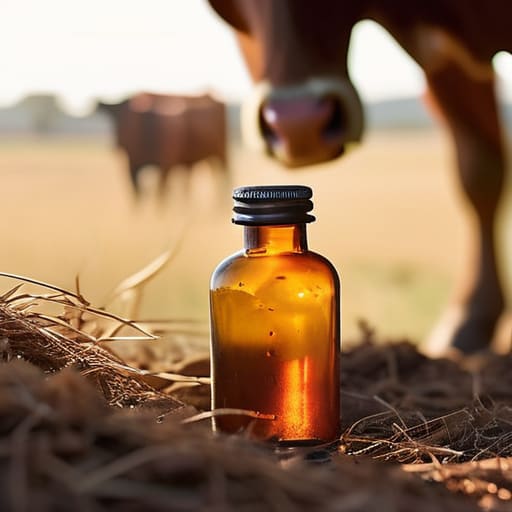
First, you have to stop looking at a bottle of antibiotics as a quick fix for a bad situation and start seeing it as a finite resource. If you’re treating every minor sniffle or a bit of a cough with the heavy stuff, you aren’t being proactive; you’re just accelerating antimicrobial resistance prevention failures on your own land. I’ve seen men treat their whole herd because one calf looked a bit dull, and all they’ve done is trained the bugs on their farm to laugh at the next dose. You need to follow clinical prescribing guidelines not because some bureaucrat in an office told you to, but because using the right tool for the right job is the only way to keep the expensive stuff working when a real crisis hits.
Secondly, keep a sharp eye on your records. It isn’t just about the vet’s bill; it’s about knowing your patterns. If you’re reaching for the syringe every time the weather turns damp, you don’t have a disease problem, you have a management problem. Tracking your usage isn’t just paperwork; it’s how you spot where your money is leaking out of the farm.
Practical Tips and Steps

First, stop treating the medicine chest like a first-aid kit for every minor sniffle. I’ve seen too many lads reach for the bottle the moment a calf looks a bit sluggish, rather than actually looking at the animal. You need to follow strict clinical prescribing guidelines—and I don’t mean the ones in a glossy brochure, I mean the ones that actually make sense for your specific herd. If you aren’t diagnosing the problem before you start dosing, you aren’t farming; you’re just gambling with your margins.
Second, get your house in order regarding hygiene. Most of the trouble I’ve seen comes from poor bedding or dirty water troughs, which just invites the infection in the first place. If you’re constantly chasing shadows with the needle, you’re failing at antimicrobial resistance prevention by default. It’s much cheaper to keep the muck out of the pens than it is to pay for a vet to come out and tell you your expensive drugs aren’t working anymore because the bacteria have already learned how to beat them. Focus on the environment, and the medicine bill will follow suit.
Common Mistakes to Avoid
The biggest blunder I see is treating the medicine cabinet like a magic wand. Most lads think that if a cow is flagging, you just reach for the strongest bottle on the shelf and call it a day. That’s not farming; that’s gambling with your margins. If you aren’t following basic clinical prescribing guidelines—using the right drug, at the right dose, for the right length of time—you aren’t actually curing anything. You’re just teaching the bacteria in your own sheds how to fight back, and that’s a debt you’ll be paying for years.
Another mistake is ignoring the environment in favour of the syringe. I’ve seen men spend a fortune on fancy treatments while their stocking rates are too high or their bedding is sodden. You can’t medicate your way out of poor husbandry. Real antibiotic overuse mitigation starts with the muck and the grass, not the vet’s bill. If you don’t fix the reason the animal got sick in the first place, you’re just throwing cash into a hole in the ground.
Final Thoughts
At the end of the day, you have to stop looking at a bottle of antibiotics as a quick fix for a bad afternoon in the yard. It’s not a magic wand; it’s a finite resource that gets more expensive and less effective every time you use it as a crutch for poor management. If you aren’t looking at your antimicrobial resistance prevention as part of your basic farm hygiene, you aren’t really farming—you’re just gambling with your margins.
I’ve seen enough men try to outrun a bad season by doubling down on the medicine cabinet, only to find themselves staring at a herd that doesn’t respond to anything. Real stewardship isn’t about following a manual; it’s about knowing that good husbandry is the best medicine you’ll ever buy. Stick to the clinical prescribing guidelines when you have to use the drugs, but spend more time on the grass and the feet. If you get the environment right, you won’t need to spend your profit on the vet’s bill.
Five ways to stop flushing your money down the drain
- Stop treating the symptom and start looking at the ground. If half your heifers are getting respiratory issues, you don’t need a better antibiotic; you need to figure out if your housing is damp or if your mineral lick is empty. A drug is a temporary fix for a permanent management failure.
- Get your feet under the table with your vet. Don’t just call them when a cow is down and demand a quick fix. Sit down when things are quiet, look at your records, and figure out a plan that focuses on prevention rather than just reacting to a crisis in the middle of a cold February night.
- Keep a paper trail that actually means something. I don’t care about fancy digital apps if they don’t tell me the truth. You need to know exactly what went into which animal and why, because if you’re just spraying the whole herd with something because “it’s what everyone else does,” you’re playing a losing game with your margins.
- Watch your withdrawal periods like a hawk. It’s easy to get caught up in the rush of a busy calving season and forget the fine print, but one mistake there and you aren’t just looking at a dead animal—you’re looking at a ruined reputation and a legal headache that’ll cost far more than the medicine ever did.
- Invest in the animal, not the pharmacy. Every pound you spend on better nutrition, cleaner bedding, and better parasite control is a pound you won’t have to spend on an expensive course of antibiotics later. You can’t medicate your way out of poor husbandry.
The Bottom Line on Stewardship
Stop looking at the cost of a bottle of antibiotics and start looking at the cost of the animal you’re treating; if you’re chasing symptoms instead of fixing the environment, you’re just subsidising a losing game.
Good stewardship isn’t about following a pamphlet from a drug company, it’s about knowing your stock well enough that you can spot a problem before it becomes an expensive, medicated crisis.
Every unnecessary dose is money you’ll never see again, so treat the animal, not the idea of being “safe,” and always remember that the best medicine is a dry pen and a decent bit of forage.
The Bottom Line
At the end of the day, antibiotic stewardship isn’t some lofty environmental crusade or a box-ticking exercise for a government inspector; it’s about protecting your margins. If you’re treating every minor sniffle with a heavy-duty injection, you aren’t just wasting money on the drugs themselves—you’re devaluing your stock and inviting the kind of resistance that makes a real crisis impossible to manage. You have to look at the whole picture: the quality of your bedding, the nutrition in the trough, and the way you handle your animals when they’re stressed. If you get the grass and the feet right, you won’t be reaching for the bottle nearly as often, and your bank balance will certainly show it.
I’ve spent forty years watching trends come and go, and I can tell you that the most successful farmers aren’t the ones with the biggest medicine cabinets, but the ones with the sharpest eyes. Don’t let yourself be sold a dream that a new chemical can replace good husbandry. Focus on building a system that is resilient enough to withstand a bad season without needing a constant chemical crutch. It takes more work upfront, and it requires more patience, but that is how you build a farm that actually lasts for the next generation.
Frequently Asked Questions
If I've already got a bit of a resistance problem in my herd, is it worth even bothering with a new protocol, or am I just fighting a losing battle?
It’s not a losing battle, but you have to stop looking for a quick fix. If you’ve got resistance, you aren’t just fighting bacteria; you’re fighting the habit of reaching for the bottle every time a cow sneezes. A new protocol isn’t a magic wand—it’s a way to stop the bleeding. You tighten up the hygiene, get the feet right, and stop the unnecessary dosing. It’ll be slow, and it’ll be frustrating, but it’s the only way to stop flushing your margins down the drain.
How do I balance the cost of these preventative measures against the immediate hit to my cash flow when a calf is actually struggling?
It’s the classic squeeze, isn’t it? You look at the bill for vaccines or better bedding and see money leaving the bank today, while the “benefit” feels like a ghost that might never show up. But look at it this way: a single calf that goes down with a respiratory infection doesn’t just cost you the vet’s bill and the drugs. It costs you the growth, the time, and potentially the animal itself. I’d rather pay for the fence today than lose the cow tomorrow.
At what point does "managing the animal" turn into "over-medicating," and how do I know when I've crossed that line?
You’ve crossed the line when you start treating the bottle instead of the beast. If you’re reaching for the syringe because the weather’s turned or because you’re worried about a “what if,” you’re over-medicating. Managing the animal means looking at the ground, the nutrition, and the shelter first. If you haven’t checked if the cow is just thirsty or cold before you reach for the drugs, you aren’t farming; you’re just subsidising the vet.
