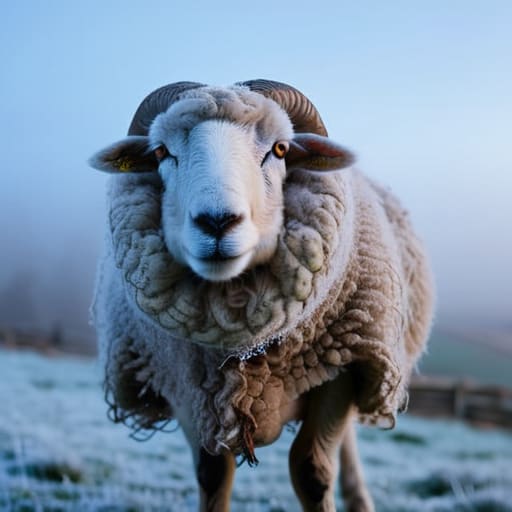
I’ve spent half my life watching salesmen in clean wellies try to convince me that the secret to longevity in a herd is a new line of expensive, proprietary mineral licks or some high-tech monitoring sensor that’ll likely break before the first frost. It’s nonsense. If you’re looking for a magic pill on how to care for older animals, you’re looking in the wrong place and about to bleed your cash flow dry. Most of what they teach in the glossy magazines ignores the reality of a hard winter or a field that’s been nothing but a bog since November. You don’t need a gadget; you need to know when a cow’s teeth are failing her or when her feet simply can’t handle the muck anymore.
I’m not here to sell you a subscription or a shiny new piece of kit that’ll end up gathering dust in the corner of the shed. What I’m going to give you is the truth about how to care for older animals based on what actually keeps a margin in the bank. We’ll talk about the real costs of keeping aging stock, the subtle signs of decline that most people miss until it’s too late, and how to manage them without making a fool of yourself or your finances.
Table of Contents
Understanding How to Care for Older Animals

You can’t look at an old animal and just see a slower version of its younger self; you have to look at the breakdown of the machinery. In my experience, the first thing that goes isn’t the spirit, it’s the efficiency. Whether it’s a ewe that’s seen too many winters or a dog that’s lived through three generations of the family, you start seeing the signs of aging in the way they interact with the environment. They don’t just move slower; they move differently. They start avoiding certain patches of ground or struggle to get up from a hard surface, and if you miss that, you’ve already lost the battle.
It’s easy to get caught up in the sentimental side of things, but you have to be clinical about it. Managing geriatric animal mobility isn’t about buying the most expensive orthopedic bed you see in a catalogue; it’s about ensuring they can actually reach the water and the feed without a struggle. If an animal is working twice as hard just to stand up, they aren’t putting energy into maintaining their condition, and that’s where your margins—or their health—start to bleed out. You have to watch the feet and the joints as closely as you watch the weather.
Key Things to Know
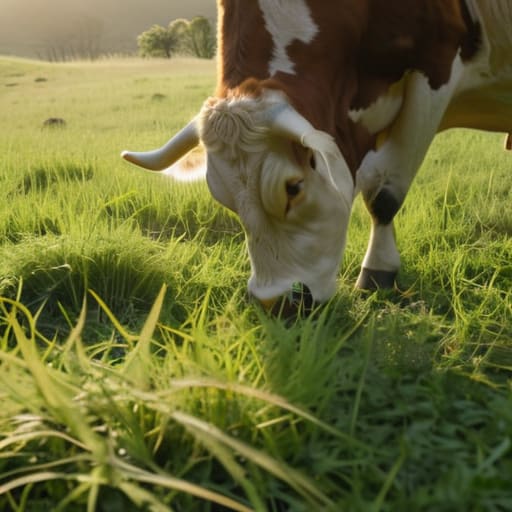
First thing you’ll notice is that the way an animal moves tells you more than any blood test ever will. I’ve spent enough years watching ewes navigate a wet slope to know that managing geriatric animal mobility isn’t about buying the most expensive mineral lick on the market; it’s about the ground they’re standing on. If they’re struggling to get up from a damp, uneven patch, they aren’t just being “old,” they’re losing condition because they can’t reach the best grass. You have to look at the feet and the joints, because a cow that can’t move comfortably is a cow that isn’t eating, and a cow that isn’t eating is a hole in your pocket.
You also need to watch for the quiet stuff—the subtle shifts in temperament or that vacant look in the eye that people often mistake for just “settling down.” What some might call cognitive dysfunction in senior pets or livestock is often just a sign that their system is slowing down and they need a different rhythm. It’s not about fancy interventions; it’s about adjusting your expectations to match their physical reality. If you try to push an old animal to perform like a three-year-old, you’ll only end up paying for the vet bill and the lost weight.
Practical Tips and Steps
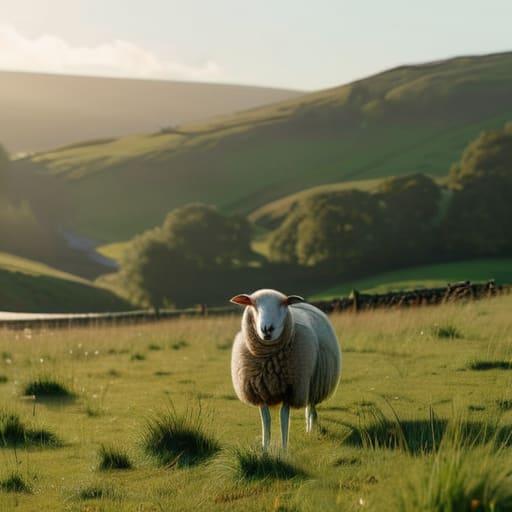
First, let’s talk about the ground. If you’ve got older ewes or cattle that have started to struggle with their gait, you can’t just keep them on the same steep, boggy hill they’ve grazed for a decade. Managing geriatric animal mobility isn’t about buying expensive supplements; it’s about moving them to the flatter, better-drained paddocks where they aren’t fighting gravity every time they want a drink. If the footing is poor, you’re just paying for vet bills you could have avoided by simply looking at your map.
Second, watch the feed. You’ll see plenty of salesmen pushing high-protein pellets that cost a fortune, but if an animal’s teeth are worn down, they aren’t getting that nutrition anyway—it’s just money down the drain. You need to check their mouth as often as you check the weather. If they can’t chew the good stuff, you have to adjust their diet to something they can actually process, or you’re just feeding the soil. It’s about matching the input to what the animal can actually use, rather than following a brochure.
Common Mistakes to Avoid
The biggest mistake I see is the “wait and see” approach. People notice a cow slowing down or a sheep struggling to get up from a damp corner and think they’re just getting old. They aren’t. Usually, they’re in pain. If you ignore the signs of aging in pets—or in my case, the livestock—you aren’t being “natural,” you’re just being negligent. By the time a beast is visibly hobbling, you’ve already lost the battle with their condition.
Another trap is throwing money at the wrong things. I’ve seen folk spend a fortune on high-end, bagged feed when the animal’s teeth are so worn they can’t even process it. You can’t fix a mechanical problem with expensive chemistry. Instead of chasing every new supplement on the market, focus on managing geriatric animal mobility by checking the ground they stand on and ensuring they aren’t fighting through mud or sharp stones every time they move. If the footing is bad, no amount of expensive grit in the trough is going to stop the decline in their condition.
Final Thoughts
At the end of the day, you have to look at your older stock through the lens of the ledger and the land. I’ve spent too many years trying to squeeze one more season out of a cow that should have been culled two years prior, thinking I was saving money when I was really just bleeding my cash flow dry. Whether you are dealing with a sheep that’s lost its teeth or a dog that’s slowing down, the principle remains the same: don’t mistake stubbornness for productivity.
If you see the signs of decline, don’t go looking for a magic pill or a high-tech gadget to fix it. Most of the time, it comes down to the basics—better footing, easier access to feed, and knowing when to call it a day. Managing geriatric animal mobility isn’t about expensive supplements; it’s about making sure they don’t have to fight the ground just to get a drink. If the cost of keeping them comfortable exceeds what they bring back to the farm, you aren’t being kind, you’re just being bad at business.
Five ways to stop your old stock from bleeding you dry
- Watch the teeth, not the feed bag. If a cow’s teeth are gone, she isn’t going to process that expensive concentrate any better; you’re just flushing cash into the muck heap. At that age, it’s about getting them enough roughage to keep the rumen moving without spending a fortune on supplements they can’t even chew.
- Keep an eye on the feet more than the fleece. An old ewe with a bit of lameness isn’t just a welfare issue; she’s a lost profit margin. If she can’t walk to the best part of the hill to get the best grass, she’s costing you more in weight loss than you’ll ever get back at the mart.
- Don’t get precious about the “best” ground. As they age, their ability to handle a wet winter drops off a cliff. If you keep your oldest, weakest stock on the heavy, poorly drained ground just because it’s out of the way, you’ll be paying for vet bills and losing body condition before the spring thaw even hits.
- Stop buying “solutions” in a bottle. I’ve seen enough farmers try to fix an old animal’s decline with fancy vitamin shots and expensive trace elements. Most of the time, the animal just needs better access to grass and a bit of shelter. If the foundation—the grass—isn’t right, no supplement in the world is going to save your margins.
- Know when the math stops working. There’s a fine line between being a good steward and being a sentimental fool. If a cow is costing you more in maintenance and vet calls than she’s bringing in through her calf crop, it’s time to let her go. Keeping her around out of habit is a luxury a working farm simply can’t afford.
The Bottom Line on Keeping Older Stock
Stop chasing the high-performance numbers; an older animal isn’t going to win you any prizes for growth, so focus on whether they can still convert grass into a profit without costing you a fortune in vet bills.
Watch the feet and the teeth more than the weight; once they can’t graze properly or they start limping, they become a drain on your cash flow rather than an asset on the field.
Don’t let sentimentality cloud your books; if a cow is costing you more in supplements and maintenance than she’s worth in calf crop, it’s time to make the hard call and move her on.
The Bottom Line
At the end of the day, managing older stock isn’t about chasing some new, high-tech nutritional miracle or buying the latest gadget to monitor their movement. It comes down to the basics we’ve been talking about: watching the teeth, checking the feet, and ensuring they aren’t working harder than the grass they’re eating can support. If you can keep their condition steady and their environment dry, you’ve already won half the battle. Don’t let the marginal costs of extra attention fool you; the real drain on your bank account is the sudden, expensive crisis caused by ignoring the slow decline. Keep your eyes on the grass, the feet, and the cash flow, and you’ll find that even your oldest animals can still pull their weight without breaking you.
I’ve seen many a young man try to run a farm like a spreadsheet, forgetting that we are dealing with living, breathing creatures that have their own rhythms. There is a certain dignity in a well-managed herd, and that includes the ones nearing the end of their tenure. Farming is a long game, and how you treat the animals that have seen you through the lean years says a lot about the kind of producer you are. It won’t make you a millionaire overnight, but it will build a farm that is resilient and sustainable for the next generation. Stick to the practicalities, trust your eyes more than a brochure, and keep moving forward.
Frequently Asked Questions
At what point does the cost of treating an old ewe or cow simply stop making sense against what she’ll actually bring at the mart?
You stop when the vet’s bill and the cost of the extra concentrate exceed the value of the calf or lamb she’s likely to drop. If she’s got teeth like a broken fence and can’t graze her way out of a paper bag, you’re just subsidising her retirement with money you don’t have. Don’t get sentimental. A cow is a producer, not a pet; if the math doesn’t work, she’s gone to the mart.
If the teeth are gone and they're losing condition despite good grass, is there any point in supplemental feeding, or am I just throwing money into a hole?
If the teeth are gone, you’re not feeding a cow; you’re subsidising a funeral. If she’s losing condition on good grass, it’s because she can’t process it. You can throw the most expensive concentrates in the yard, but if she can’t chew the fiber, it’ll just pass straight through her—and your bank account. At that stage, you stop looking at supplements and start looking at the sale list. Don’t let sentimentality bleed your cash flow dry.
How do I spot the subtle signs of lameness in an older animal before they actually go down and become a total loss?
You won’t see it in a clinical report; you’ll see it in the way they stand. Look for the ones lagging at the back of the mob or the ewe that’s suddenly decided the high ground is too much effort. If a cow is spending more time lying down than she is grazing, or if she’s shifting her weight more than usual when you’re moving them, she’s telling you. Don’t wait for the limp; by then, the profit’s already walked out the gate.
