I’ve lost count of how many times I’ve seen a young lad walk into the mart with a shiny new sprayer and a stack of glossy brochures, convinced that a bit of chemistry is a magic wand. They think they can just spray their way out of a problem, but they haven’t a clue about how weed control works in grassland when the soil is heavy and the rain hasn’t let up for a fortnight. I learned that the hard way back in ’94, wasting a small fortune on expensive herbicides that did nothing but sit on the surface of the leaves because I hadn’t bothered to check the actual condition of the ground first.
I’m not here to sell you a specific brand or a miracle cure that’ll leave your bank balance looking as thin as a winter lamb. What I’m going to do is tell you what actually happens when that spray hits the leaf and why most of the “expert” advice you read is just a way to move stock. We’ll look at the hard numbers, the timing of the seasons, and why understanding your pasture is more important than any bottle you can buy.
Table of Contents
Understanding How Weed Control Works in Grassland
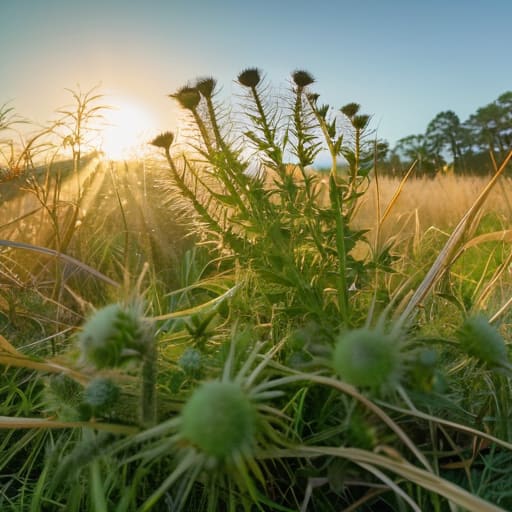
Now, before you go grabbing a sprayer and hoping for the best, you need to understand that weeds don’t just appear; they’re symptoms of a field that’s lost its balance. Most folks think of weed control as a simple matter of spraying something on a plant to kill it, but it’s more about competition. If your grass is vigorous and covers the ground well, there’s no room for the opportunists to move in. This is why grazing management for weed suppression is often more effective than any chemical you can buy in a plastic jug. If you let the stock overgraze the good stuff, you’re essentially rolling out the red carpet for the docks and thistles.
When you do decide to intervene, you have to be smart about your choice of tools. You’ll often hear talk about selective vs non-selective weed killers, and that’s where a lot of the expensive mistakes happen. A non-selective spray is a blunt instrument—it’ll kill the weed, but it’ll take your best rye-grass down with it, leaving you with nothing but bare soil and more room for the weeds to return next season. You want something that targets the specific nuisance without stripping the life out of your forage.
Key Things to Know

First, you need to understand the difference between selective vs non-selective weed killers. If you go out there and spray everything in sight with a broad-spectrum chemical, you aren’t managing a pasture; you’re just resetting the clock on a dead field. You’ll kill the weeds, sure, but you’ll also kill the very grass that pays the bills. I’ve seen enough men ruin a good sward because they wanted a quick fix, only to find themselves staring at a patch of bare earth that invites more trouble than it solves.
Then there is the matter of timing. You can have the most expensive chemical in the shed, but if you aren’t looking at the lifecycle of the plant, you’re just wasting money. For instance, if you aren’t serious about preventing thistle regrowth in fields, you’re better off not botherng at all. You have to hit them when they are actually growing, not when they’ve already gone to seed and are ready to colonise the next three hectares. It’s about working with the season, not trying to fight it with a spray tank and a prayer.
Practical Tips and Steps
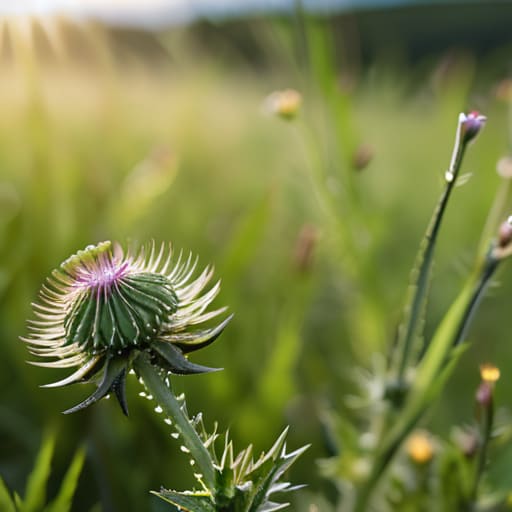
First, stop looking at the sprayer and start looking at the calendar. You can have the most expensive chemical in the shed, but if you spray when the weeds are already bolting or when the grass is too stressed by a dry spell, you’re just paying for expensive water. I’ve learned the hard way that timing is everything; you want to hit them when they’re actively growing but before they’ve dropped a thousand seeds into your soil. If you’re trying to tackle a field heavy with dock or thistle, focus on grazing management for weed suppression rather than just relying on a canister. Keeping the sward at the right height can often starve the smaller weeds of light before they even get a foothold.
When you do finally pull the trigger, be smart about your choice between selective vs non-selective weed killers. Using a non-selective spray on a good ley is like using a sledgehammer to crack a nut—you’ll kill the weed, but you’ll leave a bare patch that’ll be filled with nothing but rushes by next spring. I’d rather spend a bit more on a selective product that leaves my clover and ryegrass intact than spend the next three years trying to re-seed a graveyard.
Common Mistakes to Avoid
The biggest mistake I see—and I’ve certainly made it myself—is treating herbicide like a magic wand rather than a tool. People see a patch of thistle and think a quick spray will solve the problem forever. It won’t. If you aren’t looking at your grazing management for weed suppression, you’re just playing a losing game of whack-a-mole. If the ground is too poached or the stock isn’t hitting the right areas, those weeds will be back before the next lambing season. You can’t just spray your way out of poor husbandry.
Another trap is getting caught up in the “newest” thing without checking the basics. I’ve seen lads spend a fortune on fancy equipment only to realize they’ve chosen the wrong selective vs non-selective weed killers for the specific ground they’re standing on. If you use a non-selective killer on a field that needs a bit of diversity to hold its structure, you’ve just turned your pasture into a dirt patch. It’s about timing and the specific plant, not just hitting everything in sight with a chemical cocktail.
Final Thoughts
At the end of the day, you have to stop looking at weed control as a chore to tick off a list and start seeing it as a way of protecting your margins. I’ve spent enough years watching a patch of thistle or dock take over a good bit of acre to know that if you don’t stay on top of it, the ground will eventually own you, not the other way around. Whether you are leaning on grazing management for weed suppression or deciding when to bring the sprayer out, it always comes back to the same thing: timing and observation.
Don’t get caught up in the latest marketing hype about some miracle product that promises to fix everything overnight. Most of that is just expensive water in a fancy bottle. If you get your head around the difference between selective vs non-selective weed killers and you actually watch what’s happening on your own soil, you’ll save more than you spend. It isn’t about having the perfect field; it’s about making sure the grass is doing the work and the weeds aren’t doing the stealing.
Five ways to stop your pasture from becoming a botanical museum
- Don’t spray just because the calendar says so; look at the ground and the weather first. If you’re spraying into a dry spell or right before a heavy soak, you’re just paying a chemist to waste their product on a field that won’t take it.
- Stop treating the symptoms and start looking at the cause. If you’ve got docks everywhere, it’s usually because your soil is compacted or your stocking rate is wrong—you can drench that field with all the herbicide in the country, but if the ground is a hard pan, those weeds will be back before the next lambing.
- Timing is everything, and “eventually” is a word that costs you money. You want to hit those weeds when they’re actually growing and competing with the grass, not when they’ve already gone to seed and turned your best hectare into a patch of nothing.
- Beware the “magic bullet” sales pitch. I’ve seen enough lads buy a specialized spray for a specific weed only to find it doesn’t touch the stuff that’s actually choking the sward. Know exactly what you’re fighting before you open the drum.
- Watch your margins on the chemicals. It’s easy to get caught up in wanting a “perfect” field, but if the cost of the spray and the diesel to run the sprayer eats more than the extra grass will ever return, you’re just working hard to go broke.
The bottom line on weeds
Stop looking at weed control as a way to make your fields look pretty; look at it as protecting your forage quality so you aren’t paying for expensive concentrates just because your grass isn’t doing its job.
Timing is everything, and if you miss the window when a weed is actually vulnerable, you’re just spraying money into the wind and waiting another year to try again.
Don’t get blinded by the latest chemical on the market—if it doesn’t work on your specific ground and your specific weed problem, it’s just another piece of expensive kit sitting in the shed.
The Bottom Line
At the end of the day, weed control isn’t about following a fancy chemical schedule or buying the most expensive spray the salesman can pull out of his briefcase. It’s about knowing your ground, watching the weather, and understanding that a thistle or a dock is just a thief stealing the nutrients meant for your grass. If you get the timing wrong, or if you ignore the signs until the field looks like a jungle, you aren’t just losing forage quality—you are losing hard cash from your bank account. Keep your eyes on the soil, keep your timing sharp, and remember that consistency beats a sudden burst of effort every single time.
Farming is a long game, and it’s one played in seasons, not in single afternoons. You’ll have years where the rain makes everything difficult and years where the weeds seem to win despite your best efforts, but that’s just the nature of the beast. Don’t get discouraged by a bad patch; instead, use it as a lesson to refine how you read your fields. If you focus on the fundamentals—the grass, the feet, and the cash flow—you’ll find that a well-managed pasture is the most reliable asset you own. It’s not about being perfect; it’s about staying ahead of the curve so that when the market turns, you’re the one with the best stock and the strongest margins.
Frequently Asked Questions
If I spray for broadleaf weeds now, am I going to kill off the clover I've spent years trying to establish?
If you’re using a standard broadleaf herbicide, then yes, you’re likely tossing your clover straight into the muck. Clover isn’t a weed; it’s free nitrogen and high-quality protein, but most sprays don’t know the difference between a thistle and a white clover leaf. Before you touch the trigger, you’d better check the label for “selectivity.” If it doesn’t explicitly say it’s safe for legumes, you’re essentially paying to kill your own forage.
At what point does a few thistles actually become a financial problem, or am I just chasing ghosts in the field?
If you’re counting individual thistles, you’re chasing ghosts. I don’t care about a few strays; I care about the patch. If you see them moving from isolated plants into clusters that actually crowd out your clover or rye, you’ve got a problem. Once they start competing for the nutrients and the light, you aren’t just looking at a nuisance—you’re looking at a measurable drop in your dry matter per hectare. That’s when the math stops working.
Is it worth the diesel and the chemical cost to treat a patchy field, or am I better off just reseeding the whole lot?
It depends entirely on what’s under those patches. If it’s a bit of thistle or dock that’s just taken hold, a targeted spray is cheaper than a whole new seed lot. But if the ground is tired and the grass is thinning out because the structure is gone, you’re just throwing money at a sinking ship. Don’t spray a field that’s already lost the battle; you’re just paying to fertilize weeds.