
I’ve lost count of how many salesmen have stood in my yard, leaning against my gate, trying to pitch some high-tech infrared camera system that costs more than a decent heifer. They’ll talk about “smart integration” and “cloud-based monitoring” like they’ve solved the problem, but they haven’t spent a night listening to the wind or watching a thief scout a perimeter. Most of that expensive kit is just a way to drain your bank account while the real vulnerabilities remain wide open. If you’re looking for a manual on how to secure a farm using gadgets that’ll be obsolete by next season, you’ve come to the wrong place.
I’m not here to sell you a subscription service or a shiny piece of plastic that’ll sit in the shed gathering dust. I’m going to tell you about the actual ways to protect what’s yours, from the integrity of your stone walls to the way you manage your gate keys. We’ll talk about the practicalities of physical barriers and the habits that keep your livestock and your diesel safe. My aim is to help you focus on securing your livelihood without wasting a single penny on the nonsense.
Table of Contents
Understanding How to Secure a Farm
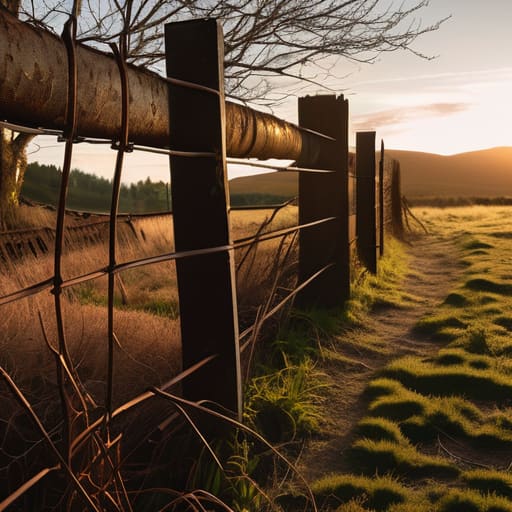
Before you start looking at brochures for fancy rural property surveillance systems, you need to look at your boundaries. I’ve seen lads spend a small fortune on high-definition cameras only to realize their sheep were being nicked through a gap in a hedge that hasn’t been trimmed since the nineties. If your perimeter fencing solutions are nothing more than a bit of rusted wire and some prayer, a camera is just going to give you a very clear, very expensive view of your stock disappearing into the night.
Real security isn’t about having the latest gadget; it’s about knowing where your vulnerabilities actually lie. You have to walk your lines like you’re looking for a leak in a water trough. Is the gate latch actually working, or is it just hanging there by a bit of twine? Is the shed door heavy enough to stop a man with a crowbar? Most people focus on the high-tech stuff, but livestock theft prevention usually starts with the basics: solid gates, stout posts, and making sure no one can wander onto your land without you knowing about it.
Key Things to Know
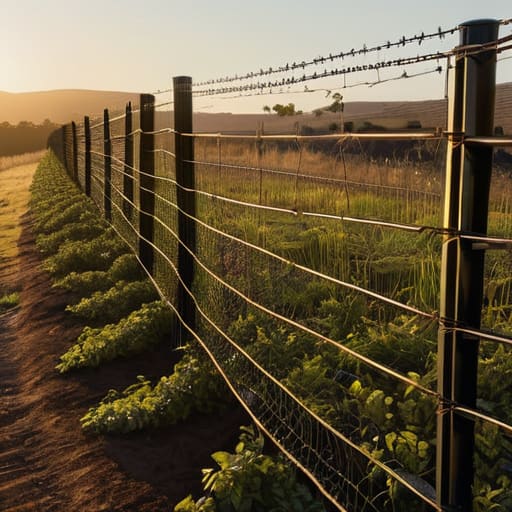
First, let’s talk about what actually stops a thief versus what just makes you feel better while you’re sleeping. Most people think they need a fleet of cameras, but if your perimeter fencing solutions are nothing more than a few rusted wires and a prayer, a camera is just going to give you a high-definition view of your calves being loaded into a van. You have to secure the boundary before you bother with the gadgets. A thief looks for the path of least resistance, and if your gates don’t latch properly or your hedges have gaps wide enough for a Land Rover, you’ve already lost the battle.
Secondly, don’t go throwing money at every shiny piece of motion sensor technology for farms you see in a glossy catalogue. I’ve seen plenty of lads spend thousands on high-tech setups that go off every time a fox trots past or a heavy gust of wind shakes a branch. It’s just noise. If you’re going to invest in remote monitoring for agricultural land, make sure it’s robust enough to handle the mud and the rain, and more importantly, make sure it actually alerts you in time to do something about it. Otherwise, you’re just paying for an expensive way to watch your own misfortune.
Practical Tips and Steps
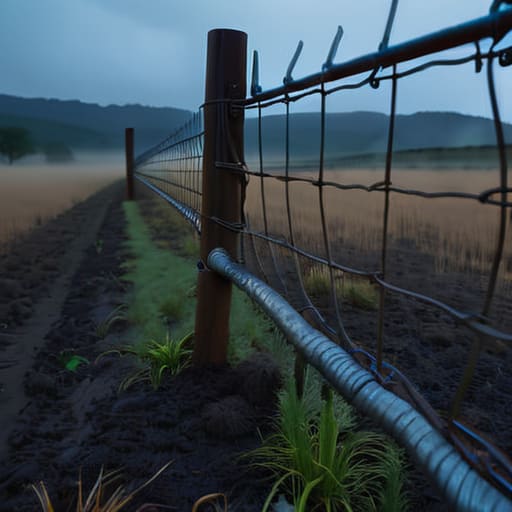
Start with the ground you stand on. I’ve seen men spend a fortune on high-end cameras only to find a thief walked right through a gap in the hedge because they forgot the basics. If your perimeter fencing solutions are nothing more than rusted wire and hope, all the fancy tech in the world won’t save your stock. You need to walk your boundaries when it’s dark and wet, not just when the sun is out. Check the gates, check the post tension, and for heaven’s sake, make sure your locks aren’t the kind a kid can snap with a pair of pliers.
When it comes to the tech, don’t get swept up in the sales pitch for every shiny new gadget. If you’re looking at remote monitoring for agricultural land, make sure it actually works when the signal is poor and the rain is lashing down. I’ve seen motion sensor technology for farms trigger every time a fox trots past, leaving you with a phone full of useless alerts and a mounting subscription bill. It’s about finding the middle ground—tools that actually alert you when something is wrong, rather than just adding more noise to an already busy day.
Common Mistakes to Avoid
The biggest mistake I see is people throwing money at gadgets before they’ve even looked at their boundaries. I’ve seen lads spend a fortune on fancy rural property surveillance systems with high-definition cameras, only to realize their perimeter fencing is so porous a determined fox—or a thief in a stolen quad—could walk right through the gaps without a sound. If your wire is rusted through or your gates don’t latch properly, a camera is just a very expensive way to watch your own stock get walked off.
Another trap is the “set and forget” mentality. People buy some clever motion sensor technology for farms and think they’ve bought peace of mind. They haven’t. If you aren’t checking the batteries or ensuring the sensors aren’t being triggered every ten minutes by a stray heifer or a shifting branch, you’ll eventually start ignoring the alerts. When the real trouble comes, you’ll be too desensitized to the noise to notice anything is wrong. Security isn’t a product you buy; it’s a habit you keep.
Final Thoughts
At the end of the day, you can spend a small fortune on the latest remote monitoring for agricultural land, but if your gate latch is rusted through and your hedges are overgrown, you’re just buying expensive scenery. Security isn’t a single gadget you bolt to a wall; it’s a mindset that starts with the basics. I’ve seen men go broke trying to install high-end rural property surveillance systems while their actual perimeter was being breached by a stray heifer or a hungry fox every single week.
Keep your eyes on the margins and don’t let the fear of what might happen drive you into debt. If you invest in better perimeter fencing solutions, make sure you can actually afford to maintain them when the winter weather hits. Most of what I’ve learned over forty years is that consistency beats complexity every time. Don’t go looking for a silver bullet to protect your livelihood; just make sure the basics are solid, the cash flow is steady, and you’ve actually walked your boundaries lately.
Five Ways to Stop Leaking Cash and Livestock
- Stop looking at the CCTV monitor and start looking at your gates. I’ve seen men spend three grand on a camera system that only shows them a thief walking through a gate that hasn’t been properly latched since the nineties. If a hungry bull or a man in a dark van can walk onto your land without having to fight a decent gate, your security is a joke.
- Secure your fuel tanks before you bother with anything else. Diesel is liquid gold right now, and it’s much easier to siphon from a poorly locked tank than it is to steal a heifer. If your fuel storage isn’t under lock and key with a heavy-duty chain, you aren’t running a farm; you’re running a petrol station for thieves.
- Don’t trust a fence just because it looks straight from the road. A perimeter fence is only as good as the post that’s rotting in the ground or the wire that’s gone slack. Spend a morning walking your boundaries—not from the tractor, but on your own two feet—to find the gaps where a person or a stray animal can slip through.
- Keep your high-value kit in the shed, not the field. I know it’s a pain to move the quad or the feeder every evening, but leaving expensive gear out in the open is just an invitation. If it’s worth more than a few weeks’ worth of silage, it shouldn’t be sitting where anyone passing by can get a look at it.
- Watch your neighbors, not just your fences. The best security system I ever had wasn’t a sensor; it was the bloke three miles down the road who noticed a strange truck idling near my yard at dusk. If you don’t know who is supposed to be on your land and who isn’t, no amount of technology is going to save you.
The Bottom Line on Keeping Your Farm Secure
Stop chasing high-tech gadgets and start with the basics; a smart camera won’t do a lick of good if a thief can walk right through a rusted hinge or a gap in your perimeter wire.
Security isn’t just about keeping people out, it’s about keeping your assets in—if your gates aren’t sturdy enough to hold a rogue bull or a drifting heifer, you’re losing money before the sun even goes down.
Treat security like your feed budget; it’s an upfront cost that protects your cash flow, because the price of a stolen quad bike or a raided storeyard is a hit your margins can rarely afford to take.
The Bottom Line
At the end of the day, securing this farm isn’t about buying the most expensive CCTV camera or a gadget that promises to monitor your gates from your smartphone while you’re sitting in the pub. It’s about the basics that actually keep the cash in your pocket. It’s knowing that a well-maintained perimeter fence is worth more than a dozen digital sensors, and that a bit of common sense regarding who you let onto your land can save you a headache that no insurance policy will fully cover. If you haven’t sorted your physical boundaries and your basic access control, you’re just decorating a house that’s already been left unlocked. Don’t let the marketing fluff distract you from the practical realities of what keeps your stock and your equipment where they belong.
Farming is a hard enough business without having to look over your shoulder every time you hear a truck on the lane. You’ve spent years building up your stock, your soil, and your reputation; don’t let a moment of laziness or a misplaced bit of trust undo all that work. Security isn’t a one-off expense to be ticked off a list; it’s a continuous habit of looking at your farm with a critical eye. Keep your eyes on the ground, keep your gates shut, and protect your margins by protecting what you own. It’s not glamorous, but it’s the only way to ensure there’s still something left to pass down when the next generation takes the keys.
Frequently Asked Questions
Is it worth paying for a high-end CCTV system if my perimeter fencing is still a patchwork of old wire and rotten posts?
Not a chance. You’re trying to watch a thief walk through a hole in your fence in high definition. A camera won’t stop a man from driving a truck through a rotten gate or a hungry bull from pushing through a wire patch, and it certainly won’t stop them from walking away with your kit once they’re inside. Fix the perimeter first. If you can’t keep them out, a screen in the kitchen is just a front-row seat to your own losses.
How much of a dent will a single theft of high-value breeding stock actually make in my year-end cash flow?
It’s not just the market value of the animal that hits you; it’s the hole it leaves in your entire cycle. If you lose a high-value heifer, you aren’t just down the price of the beast. You’re down the cost of the feed she ate, the months of pregnancy you paid for, and the calf she would’ve dropped next season. One theft can wipe out your entire margin on the rest of the herd.
If I invest in better gate locks and lighting, am I just making it easier for thieves to see exactly what they're stealing?
It’s a fair question, and one I’ve sat over with a lukewarm tea more than once. But look, a thief isn’t wandering your back pasture looking for a needle in a haystack; they’re looking for the easiest target. If your gates are hanging by a thread and your yard is pitch black, you’re practically inviting them in. Good lighting and solid locks don’t guide them—they just make your farm a harder job. Make them move on to the neighbor’s place instead.
