I’ve seen enough glossy brochures from security firms to know that most of what they tell you about how rural crime is prevented is little more than expensive window dressing. They’ll try to sell you a suite of high-definition cameras and motion-sensor floodlights that’ll blink like a disco every time a fox trots past the yard, leaving you with a hard drive full of useless footage and a lighter wallet. The truth is, most of these gadgets won’t stop a determined thief once they’ve spotted a target; they just record you getting robbed in high definition.
I’m not here to sell you a subscription to a security firm or a piece of kit that’ll sit in the shed gathering dust come February. I want to talk about the uncomfortable realities of keeping a farm secure—the things that actually work when the sun goes down and the lanes are empty. I’ll be looking at the practicalities of gate security, the importance of knowing your neighbours, and why your daily habits matter more than any fancy sensor. We’re going to stick to what actually protects your livelihood and your peace of mind.
Table of Contents
Understanding How Rural Crime Is Prevented
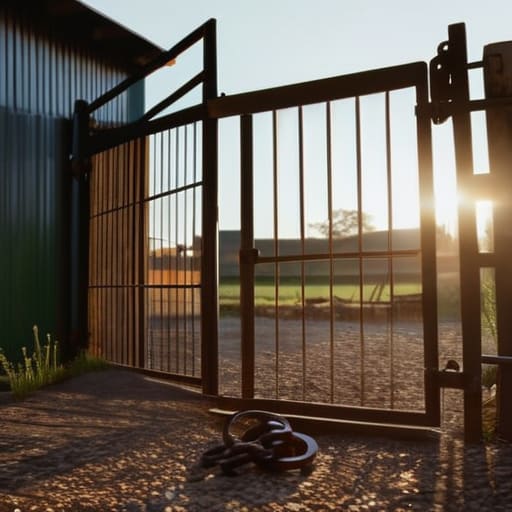
Most people think preventing theft starts with a high-end siren or a fancy camera mounted on the barn, but that’s just looking at the symptoms. If you want to actually get ahead of it, you have to look at the patterns. I’ve learned that most of these lads aren’t looking for a fight; they’re looking for opportunity. They watch for the gate left unlatched or the tractor sitting in the yard with the keys still in the ignition after a long day. Real securing farm machinery isn’t about building a fortress; it’s about making your yard look like a headache they aren’t worth having.
It’s also about the stuff you can’t see from the road. I’ve spent more money on asset marking for farmers—those little DNA sprays and microchips—than I care to admit, mostly because I realized that once a diesel pump or a trailer is gone, it’s usually gone for good. You can’t just rely on a padlock when the thieves are using a grinder. You have to build a layer of friction that makes your farm the most difficult target in the parish.
Key Things to Know
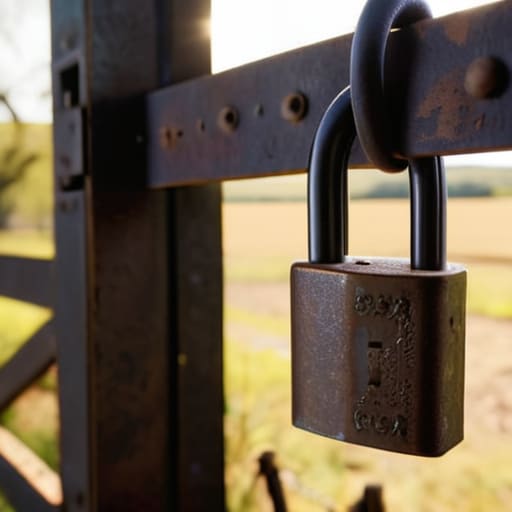
First off, forget the idea that a fancy new CCTV setup is a silver bullet. I’ve seen lads spend a fortune on high-definition cameras only to find the hard drive was wiped or the power cut before the thieves even reached the yard. Real farm security measures start with the basics: heavy-duty locks that don’t look like they were bought at a garden centre and gates that actually latch. If your perimeter is a sieve, all the digital surveillance in the world is just giving you a high-resolution view of your own misfortune.
You also need to look at what you’re actually protecting. I’ve spent too many nights worrying about the diesel levels in the tractor as much as the machine itself. Securing farm machinery isn’t just about the big expensive bits; it’s about the small, high-value items that vanish in a heartbeat. I’ve found that asset marking—the kind that actually sticks and stays visible—is worth more than a dozen motion sensors. If a thief can’t move it easily or sell it without being caught, they’ll usually move on to the next farm that’s left the lights on and the gates swinging.
Practical Tips and Steps
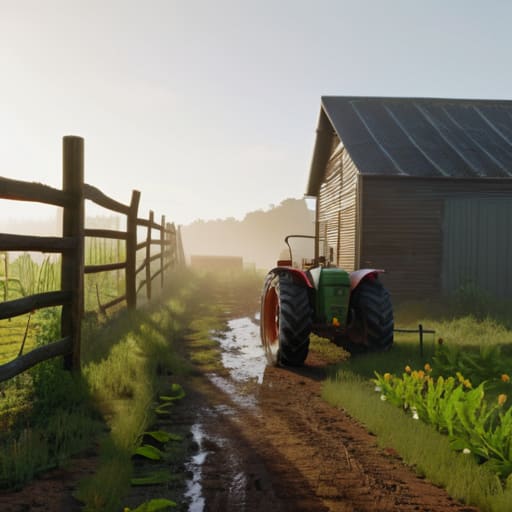
You can spend a fortune on the latest digital locks, but if your yard is a playground for anyone with a van and a loose screw, you’re just decorating the crime scene. Real securing farm machinery starts with common sense and a bit of discipline. I’ve seen lads leave a tractor idling while they nip into the shed for a brew; that’s not just laziness, it’s an invitation. Get into the habit of checking that everything is locked, keyed, and ideally, tucked away in a spot that isn’t visible from the main track. If a thief can see it from the road, they’ve already decided they want it.
Beyond the physical gates, you need to think about the long game. I’m a big believer in asset marking for farmers—not just the expensive stuff, but the bits that are easy to move and hard to track. It’s a pain in the neck when you’re doing it, but it’s a hell of a lot less painful than sitting in a police station trying to describe a generic diesel engine to a sergeant who’s never seen a farm. Don’t rely solely on high-tech gadgets; rely on knowing your ground and knowing who belongs on it.
Common Mistakes to Avoid
The biggest mistake I see is people thinking they can buy their way out of a problem with a bit of plastic and a battery. I’ve seen lads spend thousands on high-end rural property surveillance—cameras that look like they belong on a space station—only to have them stripped off the wall or shot out by a thief who knows exactly where the blind spots are. A camera tells you how you were robbed; it doesn’t stop the theft from happening. If you aren’t locking the heavy gates and checking your perimeter every evening, you’re just paying for a high-definition recording of your own misfortune.
Then there’s the habit of treating expensive kit like it’s part of the scenery. I know a few neighbors who leave their most valuable implements sitting in the field or half-unlatched in the yard because they’re “just popping in the house for a minute.” That’s how you end up with a missing tractor or a stripped engine. Securing farm machinery isn’t just about the big stuff; it’s about the discipline of the yard. If it’s worth more than a bag of feed, it shouldn’t be left vulnerable to a quick getaway.
Final Thoughts
At the end of the day, you can spend a fortune on the latest rural property surveillance gadgets, but a camera doesn’t stop a thief from cutting a fence or driving off a quad bike if you’ve left the keys in the ignition. I’ve seen enough “state-of-the-art” systems sit in boxes because they were too fiddly to actually use when things got dark and wet. Real security isn’t about having the most expensive kit; it’s about the discipline of the routine—locking the yard, checking the gates, and actually knowing the rhythm of your own land so you notice when something is just a bit off.
Don’t go looking for a silver bullet. Preventing agricultural theft is a slow, grinding process of making your farm a harder target than the one down the road. It’s about the small, unglamorous things: securing farm machinery when you head into town, keeping a sharp eye on the neighbors, and not being so proud that you won’t admit when you’ve left a side gate swinging. If you focus on the basics, you might just keep your margins where they belong instead of handing them over to some opportunist.
Five things that actually keep the yard secure when you aren't looking
- Stop relying on the fancy CCTV and start looking at your gates. If a man in a transit van can pull up to your main field entrance and sit there for ten minutes without anyone noticing, your security is a joke. Invest in heavy-duty, locking steel gates and make sure the hinges aren’t so old they can be lifted right off the post.
- Get your eyes up and out of the office. Most theft happens because we’ve become too comfortable behind a screen. If you see a vehicle idling on the lane or a car that doesn’t belong near the farm tracks, don’t just assume it’s a lost delivery driver. A quick, blunt phone call or a drive past can be the difference between a quiet night and a missing diesel tank.
- Light is cheap, but visibility is everything. Don’t bother with those motion-sensor lights that trigger every time a fox runs past the shed; you’ll go deaf from the clicking and eventually turn them off. Get decent, high-mounted floodlights over the fuel stores and the machinery yard. If a thief can’t work in the dark, they’ll move on to the next farm.
- Manage your scrap. It sounds foolish, but a pile of old parts, broken machinery, or even copper piping sitting in the corner of a yard is nothing more than an invitation. If it’s worth something to a thief, it shouldn’t be sitting out in the open where they can assess it from the road. Keep the yard tidy, or you’re just providing a catalogue for them.
- Watch the chatter. I’ve seen more information given away in the local pub or over a casual chat at the mart than through any sophisticated hacking. If you’re talking about exactly when you’re moving stock, which field is empty, or when you’ll be away for a week on holiday, you’re essentially handing over a map to your assets. Keep the business details to yourself.
The bottom line on keeping what's yours
Don’t go chasing the latest high-tech gadgetry if you haven’t mastered the basics; a heavy-duty padlock and a habit of checking your perimeter at dusk will do more for your peace of mind than a camera you’re too busy to check.
Security isn’t just about stopping thieves; it’s about protecting your margins, because a stolen heifer or a sabotaged fuel tank isn’t just a headache, it’s a direct hit to the cash flow you need to get through the winter.
If your farm layout makes it easy for someone to idle in a corner of the yard without being seen, no amount of expensive signage is going to save you—fix the sightlines before you buy the alarms.
The Bottom Line on Security
At the end of the day, preventing crime on a farm isn’t about having the flashiest gadget in the catalogue or a security system that costs more than a good heifer. It comes down to the basics: knowing your ground, keeping your gates locked, and actually paying attention to the unusual movements around your yard. You can spend a fortune on cameras that only show you a thief walking away with your diesel, or you can invest in the habit of being observant. Most of what we’ve discussed boils down to one thing: closing the easy gaps before someone else finds them for you. If you aren’t watching the perimeter, you’re essentially leaving the till open and hoping for the best.
I’ve seen enough seasons to know that we can’t control everything, and we certainly can’t stop every bad actor from trying their luck. But we can make our farms a much harder target than the one next door. Farming is already a game of thin margins and unpredictable weather; don’t make it harder by letting preventable theft eat into your cash flow. Look after your assets, look after your neighbours, and keep your wits about you. It won’t make the job any easier, but it might just keep you in the black when the season turns.
Frequently Asked Questions
If I spend a fortune on high-end CCTV, am I actually stopping a thief or just getting a front-row seat to my own diesel being siphoned?
If you’re just mounting a camera to watch a thief walk off with your tank, you haven’t bought security; you’ve bought a very expensive, high-definition recording of your own misfortune. A camera won’t stop a man with a siphon or a crowbar. Unless that kit is tied into a system that actually alerts you while the crime is happening—and isn’t just sitting in a cloud folder for you to find on Monday morning—it’s just window dressing.
How much of this "prevention" is actually worth the time it takes to do it, versus just accepting that some loss is part of the business?
It’s a balance of margins, isn’t it? If you’re spending four hours a night watching a monitor to protect a diesel tank that costs less than your monthly feed bill, you’ve already lost the day. You can’t police every corner of 180 hectares. I focus on the high-value stuff—the machinery, the breeding stock, and the fuel. If it’s not worth more than the time it takes to secure it, let the thief have it and move on.
When the police tell you to "report everything," but they won't show up for a stolen quad bike unless it's a felony, what's the point of the paperwork?
It feels like shouting into a gale, doesn’t it? But you do it for the paper trail, not the patrol car. If that quad goes, you need the crime reference number to claim the insurance, or you’re just handing the bank a polite way to say “no.” More importantly, those reports build the stats. If the local station sees fifty reports of stolen kit and zero visits, they’ll keep treating us like a hobby, not a business.
