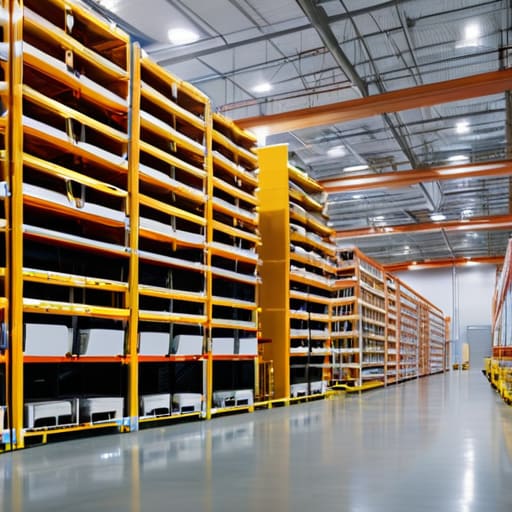
You’ll see plenty of glossy brochures claiming to offer a “complete guide to handling facilities,” usually featuring some shiny, stainless-steel system that looks more like a laboratory than a working farm. They’ll talk about “optimized flow” and “technological integration,” but they never mention what happens when a 600kg heifer decides she’s not moving, or how a single poorly placed gate can turn a ten-minute task into a two-hour nightmare. I’ve spent forty years watching men sink their life savings into fancy setups that look grand in a catalogue but fall apart the moment the ground gets soft or the cattle get nervous.
I’m not here to sell you a dream or a piece of kit that’ll sit gathering dust in the shed come next winter. What I’m going to give you is the truth about what actually works when you’re standing in the muck, dealing with a stubborn animal and a clock that’s ticking against your profit margins. We’ll look at the geometry of a good crush, the vital importance of drainage, and why the cheapest option often ends up being the most expensive mistake you’ll ever make.
Table of Contents
- Understanding Complete Guide to Handling Facilities
- Key Things to Know
- Practical Tips and Steps
- Common Mistakes to Avoid
- Final Thoughts
- Five Ways to Stop Your Handling Facilities From Becoming a Money Pit
- The Bottom Line on Your Facilities
- The Bottom Line on Your Handling Setup
- Frequently Asked Questions
Understanding Complete Guide to Handling Facilities
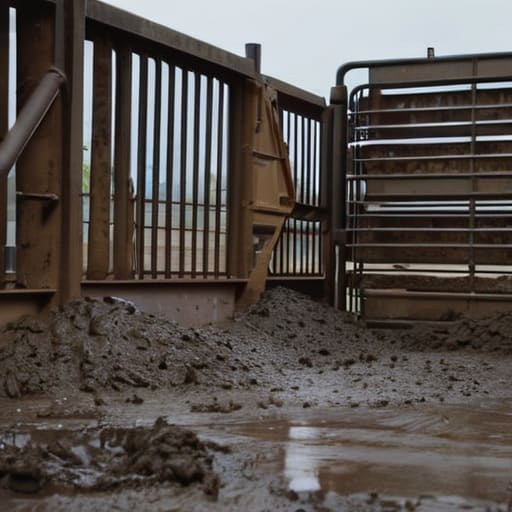
When people talk about a “complete guide to handling facilities,” they usually mean a shiny brochure filled with diagrams of perfectly straight fences and automated gates. They aren’t talking about the reality of a muddy corner in February when a heifer decides to wedge herself into a crush that was designed by someone who has never actually held a livestock stick. To me, understanding your setup isn’t about following a textbook; it’s about knowing exactly where the flow breaks down when the weather turns and the animals get flighty.
Real operational efficiency in facilities comes down to the path of least resistance—for both the man and the beast. If you have to cross a busy yard twice just to get a sheep from the race to the dip, you’ve already lost. You need to look at your infrastructure management strategies through the lens of a bad day. I don’t care how modern the kit looks; if the layout forces you to work against the animal’s natural movement, you’re just asking for a broken limb or a bruised carcass. It’s about making sure the ground is firm, the gates swing the right way, and the distance between point A and point B is as short as the terrain allows.
Key Things to Know
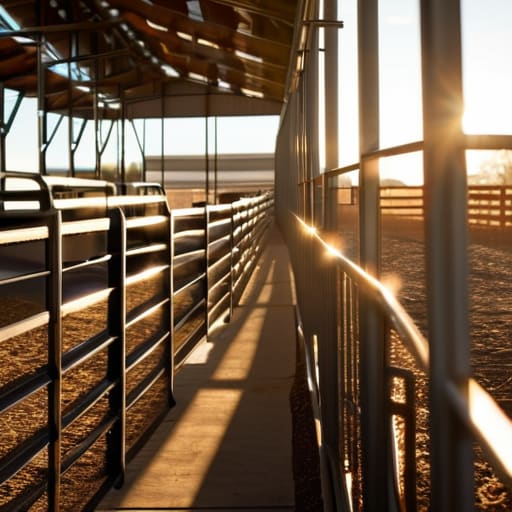
First, you have to stop looking at your pens and sheds as just places to put animals; they are your primary tools for profit or loss. I’ve seen too many lads invest in a fancy new feeder system before they’ve even checked if their crush is level or if the gates swing true. If your facility design and layout optimization is poor, you’re going to spend half your day fighting the steel instead of working the stock. It’s not about how much the kit cost; it’s about whether it allows you to move a heifer through a race without bruising her or breaking your own back in the process.
Second, don’t go thinking that “maintenance” is something you do when something snaps. If you wait for a gate hinge to shear or a floor to become a slip-hazard, you’ve already lost the argument. Real facility maintenance protocols are about the boring stuff—greasing the slides, checking the timber for rot, and ensuring the drainage actually works when the heavens open. If you don’t manage the small cracks now, you’ll be paying for them in lost weight gains and vet bills later.
Practical Tips and Steps
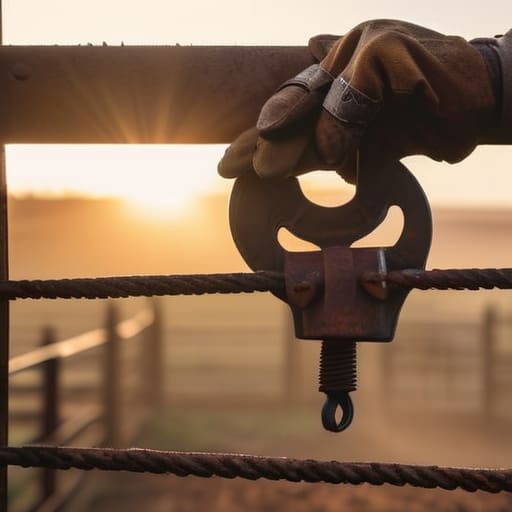
First, stop looking at your pens and gates as mere boundaries and start seeing them as part of your cash flow. If a gate latch is sticking or a crush is narrow enough to cause a panic, you aren’t just dealing with an inconvenience; you’re losing money through stress-induced weight loss and potential injury. I’ve spent too many evenings fixing a broken rail that should have been replaced three seasons ago. Implementing basic facility maintenance protocols doesn’t mean buying a fancy digital logbook; it means walking your yard every Tuesday morning with a heavy wrench and a sharp eye, catching the rust before it snaps.
Secondly, focus on facility design and layout optimization that works for the animal, not just for your convenience. If you have to move a heifer three times because your handling system is a maze, you’re wasting diesel and time. A good setup should move livestock with as little human interference as possible. If the layout forces you to chase an animal through a narrow gap, you’ve failed. True operational efficiency in facilities is found in the simplicity of a straight line and a solid, non-slip floor.
Common Mistakes to Avoid
The biggest mistake I see—and I’ve certainly made it myself—is treating your handling facilities like a “set and forget” project. You buy a decent crush or a new race, feel a sense of accomplishment, and then don’t look at it again until a sheep gets stuck or a cow decides to test the welds. That’s not management; that’s just waiting for something to break. Real facility maintenance protocols aren’t about fixing what’s smashed; they’re about checking the bolts and the gate latches before you’ve got forty head of cattle pressing against them in a thunderstorm. If you wait until the steel is bent to take action, you’ve already lost the argument.
Another one that bleeds a farm dry is poor layout. I’ve seen lads spend a fortune on fancy new equipment but place it in a way that forces the stock to turn tight corners or walk through boggy ground. You can have the best gear in the country, but if your facility design and layout optimization is non-existent, you’re just fighting the animals and your own clock. It’s about the flow—if the movement isn’t natural, you’ll spend twice the time and triple the effort just to get a job done.
Final Thoughts
At the end of the day, you can read all the glossy brochures you like, but your infrastructure won’t care about your intentions. It only cares about what you actually do when the weather turns or the cattle get restless. If you treat your handling systems as an afterthought, you aren’t just risking a bruised animal or a broken gate; you are actively chipping away at your margins. Real operational efficiency in facilities isn’t about having the newest, most expensive crush on the market; it’s about having the right one that is actually maintained well enough to work when you’re in a hurry.
I’ve seen too many lads go into debt for fancy kit only to realize they haven’t mastered the basics of facility design and layout optimization for their specific ground. Don’t get ahead of yourself. Get your gates swinging true, your crush level, and your crush floors solid first. If you get those three things right, you’ve already done more for your bottom line than most of the “experts” will ever tell you. Keep it simple, keep it sturdy, and for heaven’s sake, keep it working.
Five Ways to Stop Your Handling Facilities From Becoming a Money Pit
- Check the gates before the animals do. There’s no sense in having a fancy new crush if the latch is loose or the hinge is rusted through; you’ll find out the hard way when a heifer decides she’s had enough and makes a break for the open field.
- Watch the floor, not just the walls. If your concrete is slick or your wooden slats are rotting, you aren’t just risking a broken leg for the livestock—you’re risking a broken back for yourself and a massive loss in weight gain because the animals are too stressed to eat.
- Lighting isn’t a luxury. If you’re working in the dark or in a dim corner of a shed, you’re going to miss a limp or a swelling, and by the time you notice it in the morning, you’ve already lost the profit on that animal to a vet bill.
- Don’t buy “innovative” kit just because a salesman says it’ll save you ten minutes. If the design looks like it was made for a laboratory rather than a muddy field in November, it’ll be sitting in the corner of the shed gathering dust by February.
- Keep the flow moving. A handling system should work with the animal’s natural instinct to move forward; if you have to chase them or use electric prods to get them through a narrow race, your setup is fundamentally broken and it’s costing you time and temperament.
The Bottom Line on Your Facilities
If a gate doesn’t latch or a crush is a struggle to work, you aren’t just losing time; you’re losing money through stress-induced weight loss and the risk of a broken limb that’ll cost you a week of labour.
Stop buying “solutions” from a brochure; if the kit doesn’t work with your specific ground and your specific way of moving stock, it’s nothing more than an expensive bit of scrap metal waiting to rust in the corner of the shed.
Maintenance isn’t an optional extra for when the bank balance looks healthy—it’s the only way to stop small, cheap fixes from turning into the kind of catastrophic repairs that swallow your entire year’s margin.
The Bottom Line on Your Handling Setup
At the end of the day, your handling facilities aren’t just a collection of steel and timber; they are the difference between a productive afternoon and a week of lost time and bruised livestock. You can buy the most expensive, high-tech crush on the market, but if the gates don’t swing true and the floor is a death trap for a cow’s feet, you’ve just bought a very expensive piece of scrap metal. Remember that everything we’ve discussed—from the geometry of the race to the way you maintain your gates—comes back to the same three things: safety, efficiency, and the health of your animals. If you get the basics right, the cattle stay calm, your back stays intact, and more importantly, your margins stay protected from the hidden costs of injury and stress.
I’ve spent forty years watching men try to outsmart their livestock with fancy gadgets, only to find themselves fighting a losing battle against poorly designed pens. Don’t fall into that trap. Build for the animal you actually have, not the one you wish you had on paper, and always prioritize function over flash. Farming is hard enough without your own infrastructure working against you. If you invest the time now to get your handling right, you aren’t just fixing a shed; you are protecting your future cash flow and ensuring that when the next difficult season hits, you’re spending your energy on the business, not on fighting your own equipment.
Frequently Asked Questions
How much of my annual margin should I actually be setting aside for repairs versus just fixing things when they break?
If you’re waiting for a gate to snap or a pump to seize before you reach for the checkbook, you’ve already lost the margin. I aim to set aside about 5% to 8% of my gross margin specifically for a sinking fund. It sounds like a lot until you’re staring at a collapsed stone wall or a dead tractor in February. Don’t treat repairs as an emergency; treat them as a predictable cost of doing business.
When is it time to stop patching up an old handling system and just bite the bullet on a new setup?
You bite the bullet when the time you spend wrestling a stubborn heifer or fixing a broken latch costs more than the monthly finance payment on a new system. If you’re seeing more lameness because the floor is uneven, or if your staff are walking away because the crush is a death trap, the old setup is already costing you. Stop counting the pennies you’re “saving” on repairs and start counting the hours lost to inefficiency.
How do I know if my current layout is actually causing lameness or if it's just the ground quality in the race?
You have to look at where the damage is happening. If the cows are limping only when they’re in the race, but they’re walking sound in the field, it’s your layout—likely a sharp corner or a sudden change in floor texture. But if they’re coming into the race already hobbling, you’ve got a ground problem or poor drainage in the paddock. Check the hoof: if it’s bruised, it’s the ground; if it’s worn unevenly, it’s the race.
