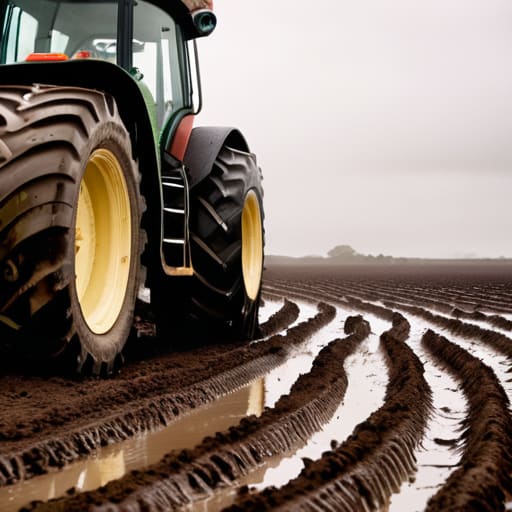
I remember standing in the lower field back in ’94, watching a brand-new, top-of-the-line slurry tanker sink up to its axles in what looked like solid ground just a week prior. I’d spent a small fortune on a “soil health” consultant who promised a miracle cure involving expensive organic additives, but all I had to show for it was a lost afternoon and a staggering repair bill. People love to talk about nutrient management and high-spec genetics, but they consistently miss the point of how drainage affects productivity on a real, working farm. If your soil can’t breathe because it’s holding onto a month’s worth of rain, all the expensive fertilizer in the world is just going to wash into the ditch while your margins disappear.
I’m not here to sell you a subscription to a glossy magazine or a piece of kit that’ll be gathering dust in the shed by November. I want to talk about the hard reality of what happens when your ground stays heavy and your livestock start losing condition. I’ll be laying out exactly how to spot a failing system before it costs you a season, focusing on the real numbers that matter to your bank balance.
Table of Contents
- Wet Paddock Empty Pockets How Drainage Affects Productivity
- Drowning Your Profits Managing Field Water Saturation and Root Rot
- The Invisible Thief Soil Aeration and Crop Yield Losses
- Subsurface Drainage Systems Efficiency Avoiding the Expensive Mistake
- Measuring Drainage Infrastructure Roi Before the Kit Sits Idle
- Five Ways to Stop Your Profits From Sinking Into the Mud
- The Bottom Line on Water and Wealth
- The Bottom Line
- Frequently Asked Questions
Wet Paddock Empty Pockets How Drainage Affects Productivity
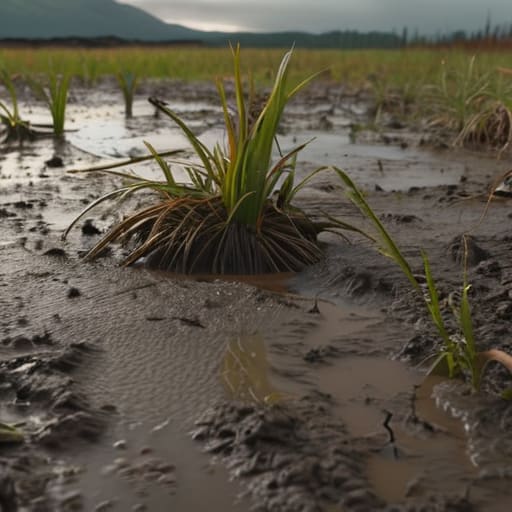
I’ve spent forty years watching men chase the latest breed of heifer while their best grazing land turns into a soup of silt and diesel. You can have the finest genetics in the county, but if your ground stays sodden through May, those animals are just expensive heaters for the mud. When you’re managing field water saturation poorly, you aren’t just dealing with a bit of damp; you’re watching the grass die from the bottom up. Without proper air in the soil, the roots can’t breathe, and once that happens, you’re essentially growing nothing but a very expensive bog.
The real sting, though, is in the drainage infrastructure ROI. I remember investing in a new set of tiles on the lower ten hectares back in ’94. At the time, the salesman made it sound like a luxury, but seeing the difference in how the sward held up during a wet spring made the cost look like pocket change. If you ignore the water, you lose the grass; if you lose the grass, you lose the margin. It’s a simple, brutal calculation that most people try to overcomplicate with spreadsheets instead of just looking at the ground.
Drowning Your Profits Managing Field Water Saturation and Root Rot
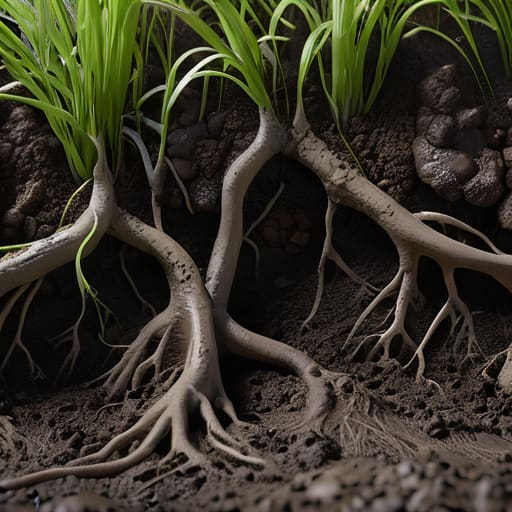
You can have the best genetics in the county, but if those roots are sitting in a soup of stagnant water, you’re just subsidising the weeds. When the ground stays sodden for weeks on end, you aren’t just dealing with a bit of a damp field; you are actively preventing root rot in agriculture by failing to let the soil breathe. Once that oxygen is gone, the root systems start to die back, and a cow won’t graze a patch of grass that’s turned to grey mush. You end up with a field that looks green from a distance but offers nothing but empty calories to the herd.
I’ve seen too many lads invest in fancy new breeding stock while ignoring the fact that their managing field water saturation is a complete shambles. If you can’t get the water out, you can’t get the grass up. It’s a simple equation: no air in the soil means no growth, and no growth means you’re buying in expensive feed to make up the difference. That is where the real money disappears—not in the price of the heifer, but in the drainage infrastructure ROI you neglected five years ago.
The Invisible Thief Soil Aeration and Crop Yield Losses

You can have the best seed in the country and the most expensive fertilizer money can buy, but if your soil is packed tight like a wet brick, you’re just throwing cash into a hole. Most folk look at a waterlogged field and see a mess; I see a lack of oxygen. Plants need to breathe just as much as we do, and when you’re managing field water saturation poorly, those tiny air pockets in the soil disappear. Without that air, the roots essentially suffocate in the dark. It’s a slow, quiet death that you won’t notice until the grass looks thin or the clover fails to take.
This is where the real sting of soil aeration and crop yield losses hits your bottom line. You might not see a sudden die-off, but you’ll see a stunted, sickly pasture that never quite reaches its potential. It’s a thief that works in the shadows, stealing the vigor out of your sward before it even hits the surface. If you haven’t invested in the right drainage infrastructure, you aren’t just growing grass; you’re growing a deficit that will show up in your bank balance come calving season.
Subsurface Drainage Systems Efficiency Avoiding the Expensive Mistake
Now, here is where most men lose their shirts. I’ve seen plenty of lads go out and spend a fortune on the fanciest plastic piping and heavy machinery, thinking they can simply outrun a heavy winter. They install a system based on a map and a salesman’s promise, only to find the water is still sitting where it shouldn’t be come March. The truth is, subsurface drainage systems efficiency isn’t about how much pipe you bury; it’s about whether that pipe actually connects to a way out. If your outlets are blocked or your gradients are off by a fraction, you haven’t bought a solution—you’ve just bought an expensive way to line the bottom of your fields with plastic.
You have to look at the drainage infrastructure ROI through a long lens. If you don’t get the layout right the first time, you aren’t just losing the cost of the materials; you’re losing the years of growth you’ll miss while trying to fix it. I’d rather spend three extra days surveying the ground and checking the natural fall of the land than spend three years wondering why my margins are thinner than a newborn lamb.
Measuring Drainage Infrastructure Roi Before the Kit Sits Idle
I’ve seen too many men walk into a dealership with a chequebook and a dream, thinking a new set of tiles or a fancy pump will solve a decade of bad management. Before you commit to a massive outlay, you need to stop looking at the brochure and start looking at your ledger. Calculating your drainage infrastructure ROI isn’t about how much the kit costs; it’s about how many more days your cattle can stay on the hill in November without turning the field into a slurry pit. If the investment doesn’t translate into more grazing days or a measurable improvement in the weight of your weaners, you haven’t bought an asset—you’ve just bought a very expensive piece of iron to sit in the shed.
You have to be clinical about it. I want to know if the investment is actually improving soil aeration and crop yield in your permanent pasture, or if you’re just moving water from one problem area to another. If you can’t point to a specific field where the grass is actually staying green and firm through a wet spell, then you’re guessing. And in this business, guessing is a luxury we can’t afford.
Five Ways to Stop Your Profits From Sinking Into the Mud
- Watch the grass, not the gadget. Before you go ordering a new drainage system based on a brochure, walk your worst field after a heavy rain. If the water is sitting on top, you’ve got a compaction problem; if it’s soaking in and never leaving, you’ve got a subsoil problem. You can’t fix what you haven’t actually looked at.
- Don’t let lameness become your biggest overhead. A wet paddock isn’t just a loss of grass; it’s a breeding ground for foot rot and scald. I’ve seen more money lost to vet bills and culled ewes because of soft ground than I ever have to actual disease. Keep the feet dry, or the bank account will go dry shortly after.
- Check your outlets before the season hits. There is no sense in spending thousands on subsoil pipes if the final ditch is choked with silt or weeds. I’ve seen men buy the most expensive kit in the county only to find it useless because they neglected a ten-foot stretch of ditch at the bottom of the hill.
- Mind the timing of your heavy gear. If you’re driving a tractor over ground that’s even slightly too soft, you aren’t just making ruts; you’re crushing the very soil structure you’re trying to save. You’ll spend the next three years trying to grow grass through a layer of compacted concrete you made yourself.
- Run the numbers on the long game. Drainage isn’t a one-off purchase like a new feeder; it’s a long-term play on your land’s value and your annual margins. If a drainage project doesn’t translate into more days on grass or better weaning percentages, it’s just an expensive way to move water from one part of your farm to another.
The Bottom Line on Water and Wealth
Stop looking at drainage as a luxury for “good years”; it’s the difference between a field that pays for its own upkeep and one that just eats your diesel and breaks your back.
If you can’t walk a paddock in November without feeling like you’re treading through a soup, you’ve already lost the battle for your grass—and your margins.
Don’t let a salesman convince you a fancy new system is a magic wand; if you haven’t checked your soil type and your rainfall patterns first, you’re just buying an expensive way to bury pipes in the wrong place.
The Bottom Line
At the end of the day, you can buy all the fancy supplements and high-spec feed you like, but if your ground is a sponge, you’re just throwing money into a hole. We’ve looked at how saturation kills your roots, how poor aeration chokes your yield, and why a poorly installed sub-surface system is just an expensive way to move mud around. It all circles back to the same truth: your profit is tied directly to how well that water moves through your soil. If you aren’t managing your drainage, you aren’t managing your farm; you’re just waiting for the weather to decide if you can afford to stay in business this year.
I’ve spent forty years watching men go bust because they focused on the price of the calf instead of the quality of the paddock that raised it. Don’t get distracted by the shiny new kit or the latest marketing brochures promising a miracle cure. Focus on the fundamentals—the grass, the feet, and the flow of water. If you get the ground right, the rest of the business has a fighting chance to stand on its own two feet. It isn’t glamorous work, and it certainly won’t make for a good photo in a magazine, but getting your drainage right is the most honest investment you will ever make in this life.
Frequently Asked Questions
How do I know if I’m actually dealing with a drainage problem or if it’s just a particularly wet season that’ll pass?
Look, if you’re waiting for the sun to bake the problem away, you’re already losing money. A wet season is a calendar event; a drainage problem is a structural failure. If you see the same patches of poached ground every spring, or if your grass stays dormant while the neighbor’s is pushing, that’s not weather—that’s your soil’s inability to breathe. If the water lingers long after the rain stops, your pockets are already leaking.
Is it worth spending the money on deep subsoil drainage now, or am I better off just managing the surface water with better grazing rotations?
If you’re asking that, you’re likely trying to avoid a massive bill. Look, grazing rotations are fine for managing the surface, but they won’t fix a heavy clay that stays sodden until July. If your ground is holding water like a sponge, no amount of moving sheep around will bring the grass back or save your soil structure. If the subsoil is dead, your rotations are just moving the problem from one bog to another.
At what point does the cost of fixing the ground actually outweigh the value of the extra grass I'll get out of it?
You look at the cost of the pipe and the diesel, then you look at the margin on a lamb or a calf. If you’re spending five grand to squeeze an extra ten percent of grass out of a bit of marginal hill ground that’ll never carry a heavy cow anyway, you’re just rearranging the deck chairs on the Titanic. If the ground won’t hold a decent stocking rate without turning into a slurry, fix it. If it’s just a bit soft in March, leave it be.
