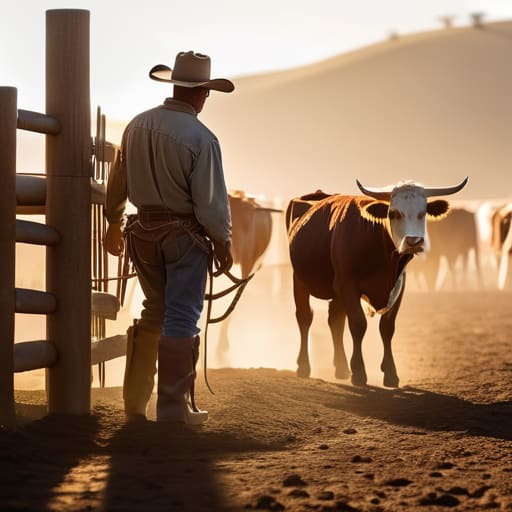
If you pick up a glossy brochure or search online, you’ll find a thousand different versions of a “complete guide to livestock handling” that promise to transform your farm with some high-tech, automated miracle. They’ll talk about expensive electronic gates and complex software that costs more than a good heifer, but they never mention the sheer exhaustion of trying to move a stubborn ewe through a narrow race when the ground is nothing but a slurry of mud and frustration. Most of that advice is written by men in suits who have never had a bull kick a hole through a timber fence or felt the weight of a panicked animal pressing against their ribs.
I’m not here to sell you a shiny new gadget that’ll end up gathering dust in the shed by next November. What I’m going to give you is the truth about what actually works when the rain is coming down sideways and your margins are already paper-thin. We’re going to talk about the physical realities of moving stock, the way a poorly designed crush can bleed your bank account dry through injury, and why the simplest movements are often the most profitable. No fluff, no marketing nonsense—just the hard lessons I’ve learned from forty years of making mistakes so you don’t have to.
Table of Contents
Understanding Complete Guide to Livestock Handling
Now, don’t let the title fool you into thinking I’m about to hand you a manual of polished procedures that only work in a textbook. When I talk about understanding how to move stock, I’m not talking about following a checklist from a salesman; I’m talking about reading the animal. If you don’t grasp the basics of animal behavior and movement, you aren’t handling livestock—you’re just fighting them. You can have the most expensive crush in the county, but if you don’t understand how a cow decides to stand or bolt, that kit is just an expensive way to get bruised.
Real stockmanship isn’t about dominance or shouting; it’s about knowing where you stand in relation to that animal. I spent years thinking I could bully a heifer into submission, only to find I was just making her more unpredictable. You have to learn cattle flight zone management by watching, not by doing. It’s about finding that sweet spot where a slight shift in your position does the work for you. If you’re working harder than the animal is, you’ve already lost the battle, and you’re likely burning daylight and money in the process.
Key Things to Know

If you’re looking for a list of fancy gadgets to buy, you’ve come to the wrong place. Most of the kit they sell in the trade stores is just a way to mask poor stockmanship principles. I’ve seen men spend thousands on automated systems only to find they’ve created a bottleneck that stresses the animals and ruins the temperament of the whole herd. The truth is, you need to understand animal behavior and movement before you even think about upgrading your pens. If you don’t know how a heifer reacts when you step into her personal space, a more expensive gate isn’t going to save you a bruised animal or a broken limb.
You also need to stop treating your handling facilities like an afterthought. I’ve seen too many yards where the livestock chute design is an absolute nightmare—sharp corners, uneven floors, and gates that don’t latch properly. It doesn’t matter how much you know about nutrition if your cattle are fighting the equipment every time you try to work them. A poorly designed yard is a slow leak in your bank account; it wastes time, increases injury risk, and drives your margins straight into the dirt.
Practical Tips and Steps
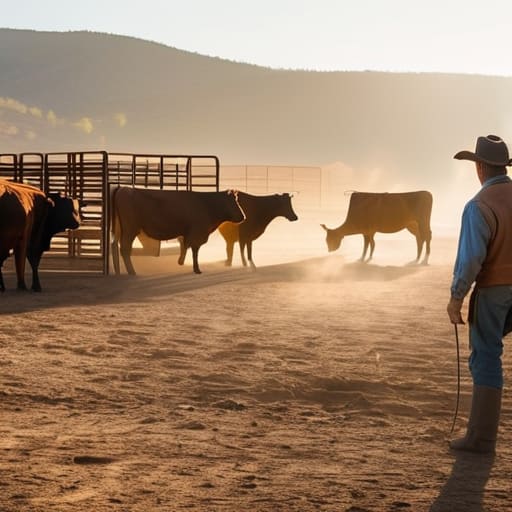
First, stop thinking about your cattle as a mass of meat and start looking at them as individuals with a sense of direction. If you want to move a group without a shouting match, you need to understand cattle flight zone management. Every animal has a bubble; you step in, they move; you step out, they stop. If you’re constantly lunging or using a stick to force a heifer that’s clearly dug her heels in, you aren’t “managing” her—you’re just teaching her to fight you. Learn where that pressure point is, and you’ll find you can move a whole yard with half the effort and none of the bruises.
Second, look at your infrastructure. I’ve seen men spend a fortune on fancy new trailers only to realize their livestock chute design is a death trap that turns every routine check into a wrestling match. If your pens have sharp corners or narrow bottlenecks that cause a crush, no amount of “technique” will save you. Good stockmanship is 80% about the layout of the yard and 20% about how you move your feet. Fix the flow of the yard first, and the animals will practically do the work for you.
Common Mistakes to Avoid
The biggest mistake I see is people treating a crush or a race like a wrestling match. If you’re coming at the animals with a heavy hand and a loud voice, you’ve already lost. Most fellas think they can bully a heifer into submission, but all they’re doing is spiking the animal’s cortisol and making the next ten minutes twice as dangerous for themselves. You need to understand cattle flight zone management; if you don’t respect that invisible bubble around the animal, you’ll spend half your day fighting physics instead of just moving stock.
Then there’s the hardware. I’ve seen lads spend a fortune on fancy new gadgets only to realize their livestock chute design is fundamentally flawed, creating a bottleneck that turns a simple vet check into a chaotic mess. It’s not about having the most expensive kit in the county; it’s about having gear that works with the animal’s natural rhythm. If your setup forces a cow to fight her own instincts, you aren’t just wasting time—you’re inviting injury and bleeding money through broken fences and bruised stock.
Final Thoughts
At the end of the day, you can buy the most expensive automated crush on the market or spend a fortune on fancy new gates, but none of it matters if you don’t understand the animal in front of you. I’ve seen lads come onto a farm with brand-new gear and plenty of confidence, only to lose half a day’s work because they didn’t respect a cow’s personal space. It’s not about being “gentle” in some soft, sentimental way; it’s about stockmanship principles that work. If you understand how to work with their natural movement rather than fighting against it, the job gets easier and the animals stay calmer.
Don’t go looking for a magic bullet in a brochure. Real success in this business comes from watching the way your stock reacts to a shadow or a sudden noise. Master your cattle flight zone management and you’ll find you aren’t shouting half as much as you used to. Keep your eyes on the feet, keep your head on the cash flow, and remember that a calm yard is a profitable yard.
Five ways to stop fighting your stock and start saving your margins
- Work with the animal, not against it. If you’re shouting, banging gates, or running like a madman, you’ve already lost. A calm beast is a predictable beast, and unpredictability is what breaks bones and ruins a day’s work.
- Watch the flight zone, not just the gate. You don’t need to be in the middle of the mob to move them; you just need to know where their personal space begins. If you’re constantly chasing them, you’re wasting energy and stressing the stock unnecessarily.
- Never underestimate the power of a quiet corner. A well-designed crush or race that uses natural pressure is worth more than any expensive piece of automated kit that’ll end up rusting in the shed. If the layout is wrong, no amount of “modern techniques” will fix it.
- Check your footing before you check your cattle. I don’t care how good your handling technique is—if the yard is a boggy mess or the concrete is slick with moss, someone’s going down. Slippery feet lead to broken limbs, and broken limbs lead to empty pockets.
- Consistency is your best friend. If the lads on the farm all handle the sheep differently, the sheep will never learn. Pick a method that works, stick to it, and make sure everyone from the hired hand to your daughter knows exactly how we move stock through that yard.
The Bottom Line
Stop chasing the fancy new gadgets and look at your gates and your ground first; if your handling facilities are a mess and your yard is a bog, no amount of expensive kit will stop you from losing stock or bruising your margins.
Watch the feet, not just the face; a cow that’s struggling with lameness because of poor handling or bad footing is a cow that’s eating your profit every single day she stays in the shed.
Respect the animal’s temperament or you’ll pay for it in broken fences and wasted hours; if you can’t move them calmly, you aren’t managing a farm, you’re just fighting a losing battle with your own cash flow.
The Bottom Line
At the end of the day, a guide can tell you which way a cow wants to turn, but it won’t do the work for you. If you take nothing else from this, remember that handling isn’t about being the loudest person in the yard or having the most expensive gates; it’s about consistency and observation. You’ve got to watch the feet, watch the temperament, and most importantly, watch your margins. Every time you stress an animal or fumble a movement, you aren’t just risking a bruise or a broken fence; you are leaking cash through wasted time and diminished stock quality. If the handling is messy, the books will eventually follow suit.
I’ve spent forty years watching men and women come and go, some with fancy new machinery and others with nothing but a sturdy pair of boots. The ones who actually make a living are the ones who respect the animal and the rhythm of the farm. Don’t get distracted by the latest marketing fluff or the shiny new gadgets that promise to do the thinking for you. Focus on the fundamentals: keep your stock calm, keep your movements steady, and keep your eyes on the ground. If you master the basics of how you move your animals, you’ll find you have a much easier time moving your business forward.
Frequently Asked Questions
How much of a difference does it actually make to the bottom line if I invest in better crush design versus just training the lads better?
It’s a bit of both, but let’s look at the numbers. You can have the most patient lads in the county, but if that crush is a death trap that makes a heifer dance, you’re still losing time and bruising stock. A good crush works with the animal; a bad one fights it. I’d rather spend the money on steel that holds them steady than spend my life trying to train men to fix bad equipment.
When you’re moving stock through a tight yard, how do you balance getting the job done quickly with not stressing the animals to the point of losing weight?
You can’t rush it. If you try to bully them through a narrow crush just to save twenty minutes, you’ll pay for it in the weight shed come sale day. It’s about rhythm, not speed. Watch the flight zone; if they’re bunching or huffing, you’ve gone too fast. I’d rather spend an extra half-hour moving them steady than watch a dozen sucklers burn off their condition because you were in a damn hurry.
At what point does the cost of fixing a broken handling system outweigh the money I'm losing through animal injury and slow work?
You’re looking for a math equation, but you should be looking at your gate. If you’re spending more time bracing a wobbly crush or nursing a heifer that’s been bruised by a sharp edge than you are actually moving stock, the system is already dead. It’s not just the vet bill or the weight loss; it’s the hour you lose every time you have to do it twice. If it’s costing you time and temper, it’s costing you cash.
