
I’ve spent half my life watching people try to solve livestock problems with expensive gadgets or fancy management software, but none of that helps when you’re standing in a muddy pen with a panicked heifer and a broken gate. Most of the advice you’ll find online about how to manage stress at handling is written by someone who has never had to pull a calf in a downpour or deal with a temperamental bull. They’ll tell you to “breathe deeply” or “reframe your mindset,” but that doesn’t do much when your adrenaline is spiking and the animals are sensing your every mistake. Real stress in this job isn’t a mental concept; it’s a physical weight that settles in your shoulders when things go sideways.
I’m not here to sell you a course or a new piece of kit that’ll end up gathering dust in the shed. I’m going to tell you what actually works when the pressure is on, based on forty years of making—and fixing—expensive mistakes. We’ll look at why your preparation is the only thing that keeps your head straight, and how to ensure that the way you move dictates the way the stock behaves. This is about keeping your feet steady and your cash flow intact by staying calm when the season gets heavy.
Table of Contents
Understanding How to Manage Stress at Handling
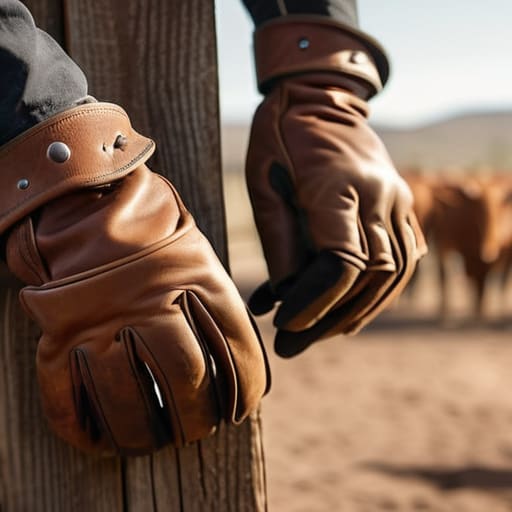
When you’re standing in a drafty race with twenty head of cattle deciding whether to move forward or put a shoulder through the timber, you aren’t thinking about psychology textbooks. You’re thinking about your knuckles and the clock. But the truth is, that tightness in your chest isn’t just the adrenaline; it’s a lack of sensory overload management. Between the shouting, the clatter of gates, and the sheer unpredictability of a frightened heifer, your brain starts to redline. If you don’t recognize that spike, you stop being the master of the yard and start reacting like the animals do.
I’ve learned that the best coping mechanisms for high pressure aren’t found in a seminar, but in the rhythm of the work itself. It’s about slowing your breath before you reach for the prod or the gate latch. If you’re frantic, they’ll be frantic, and that’s when someone gets hurt or a gate gets left open. You have to find a way to regulate your own temperament before you attempt to regulate the herd. If you can’t steady your own hands, you’ve already lost the battle.
Key Things to Know
The first thing you’ll learn is that the cattle don’t care about your spreadsheets, but they certainly feel your pulse. If you go into a pen with your jaw clenched and your mind racing about the bank balance, they’ll pick up on it before you’ve even unlatched the gate. I’ve seen many a young lad lose a heifer—or a finger—simply because he couldn’t find any emotional regulation strategies when the yard got loud and the animals got flighty. It isn’t about being a “tough” farmer; it’s about being a steady one.
You also have to account for the sheer, unadulterated noise of a working farm. Between the lowing, the machinery, and the constant wind, sensory overload management becomes a necessity rather than a luxury. If you don’t learn to tune out the chaos, you’ll make a split-second decision that costs you a calf or a piece of kit. You need to find your own way to ground yourself mid-shift, because once the panic sets in, the animals are already halfway over the fence.
Practical Tips and Steps
First thing you’ll learn is that you can’t manage a beast if you’re vibrating with nerves yourself. When the yard gets loud, the cattle pick up on it instantly, and suddenly you’re fighting the animal instead of just moving it. I’ve found that sensory overload management is less about fancy breathing exercises and more about knowing when to step back. If the shouting starts and the gates are banging, stop. Take thirty seconds. If you’re wound up, the sheep will be too, and that’s when someone gets a hoof to the ribs or a broken fence.
You also need to stop treating every minor setback like a catastrophe. I’ve seen lads lose their heads over a broken gate or a stubborn heifer, and that’s when the real mistakes happen. Developing some basic coping mechanisms for high pressure means recognizing that the day will go sideways eventually. Don’t try to outrun the chaos; just focus on the next single task. If you can’t control the weather or the market, you can at least control how you stand in a pen. Keep your head, keep your footing, and watch your movements.
Common Mistakes to Avoid
The biggest mistake I see—and I’ve made it myself more than once—is thinking you can “power through” a bad temperament by simply working harder. When the cattle are fractious and the weather is turning, your instinct is to tighten your grip and move faster. That’s a trap. Trying to force a situation when your own nerves are frayed is the fastest way to end up with a broken gate or a bruised animal. People talk about coping mechanisms for high pressure like they’re something you find in a textbook, but on a farm, it’s really just about knowing when to step back for five minutes before you do something you can’t undo.
Another error is ignoring the physical toll of the environment. You can’t ignore the constant low-level roar of machinery or the unpredictable movement of a herd; it builds up. I used to think I was just “toughing it out,” but I was actually suffering from a lack of sensory overload management. If you don’t account for the sheer noise and chaos of the yard, you’ll find your decision-making goes to rot by midday. Don’t wait until you’re staring at the wall in silence to realize you’ve pushed too far.
Final Thoughts
At the end of the day, you can have the best genetics in the county and the most efficient feeding system money can buy, but none of it matters if you’re too frayed to make a sound decision. I’ve stood in the middle of a yard during a difficult move, feeling that tightness in my chest, and realized that my own head was the biggest liability on the farm. Learning a few coping mechanisms for high pressure isn’t about being soft; it’s about ensuring you don’t make a mistake that costs you a heifer or a week’s worth of work.
Don’t go looking for a magic fix in a shiny new piece of kit or a complicated management app. Real stability comes from knowing your limits and recognizing when the noise and the chaos are starting to get to you. Whether it’s stepping away for five minutes to find some sensory overload management or just acknowledging that the season is getting heavy, you have to manage yourself with the same discipline you use to manage your grass. If you don’t look after the person running the farm, the farm won’t run for long.
Five ways to keep your head when the yard gets loud
- Know your stock before you open the gate. There is nothing that spikes the blood pressure faster than a group of cattle that don’t know your rhythm. If you’re rushing because you’re behind schedule, they’ll feel it, and then you’re fighting the animals instead of just moving them.
- Check the ground before you check the clock. I don’t care if you’re meant to be finished by noon; if the yard is a quagmire of wet clay and deep mud, you’re going to struggle, the animals will struggle, and you’ll end up swearing at a heifer that isn’t even doing anything wrong.
- Keep the kit simple and the kit working. Half the stress in a handling session comes from a broken latch, a faulty gate, or a crush that doesn’t quite line up. If you’re fighting your equipment while you’re trying to manage a nervous bull, you’ve already lost the battle.
- Watch the feet, not just the movement. A lame animal is a high-stress animal, and a high-stress animal makes for a long, miserable afternoon for everyone involved. If you see a limp, don’t try to power through the session; stop, deal with it, or you’ll be paying for that mistake in both time and temperament.
- Don’t try to be a hero in a crowd. If the handling is going south and the animals are turning flighty or aggressive, stop. Step back, take a breath, and reset. Trying to muscle through a bad situation when your own nerves are frayed is the quickest way to end up with a broken bone or a broken bank account.
The Bottom Line on Handling Stress
If your head isn’t right, your hands won’t be either; a panicked man makes mistakes with livestock that cost far more than a bit of extra time in the yard.
Don’t mistake being busy for being productive; if you’re rushing through the pens just to tick a box, you’re likely missing the small signs of lameness or illness that actually matter.
Stop trying to solve every problem with new kit or more input; most of the stress comes from trying to outrun the weather or the market, and you can’t fix those with a new tractor.
The Long View from the Gate
At the end of the day, managing the stress of handling livestock isn’t about some fancy new management theory or a piece of software that promises to track your every movement. It comes down to the basics: knowing your animals, respecting the weather, and making sure your gear isn’t working against you. If you’ve sorted your ground, checked your fences, and stopped trying to rush a job that requires patience, you’ve already won half the battle. Don’t let the pressure of a tight margin or a bad season trick you into thinking that speed is a substitute for competence. If you lose your head when you’re in the crush or the race, you aren’t just risking an injury to yourself or the beast; you’re bleeding money through inefficiency and mistakes that take weeks to rectify.
Farming is a long game, and it’s one that’s played in seasons, not just days. There will be years when the grass is thin and the prices are lower than the cost of the diesel in the tractor, and you’ll feel the weight of it in your bones. But remember, a calm hand is a profitable hand. You can’t control the markets or the rainfall, but you can control how you show up to the yard every morning. Take a breath, look at the numbers, and then get on with the work without letting the noise get under your skin. We’ve all been through the hard years, and we’re still standing; you’ll be too, provided you don’t let the stress break you before the season does.
Frequently Asked Questions
When the weather turns and the cattle are restless, how do you keep your head when the handling facilities aren't cooperating?
When the weather turns, the cattle get flighty and your patience wears thin. If the crush is sticking or a gate won’t latch, don’t try to muscle through it. That’s when you trip, or worse, an animal gets pinned. Stop. Step back. Check the ground first—if it’s a bog, you’re fighting physics. Fix the kit or wait for the light to change. A bit of stillness saves more money than any frantic rush.
Is there a point where trying to push through the stress becomes a genuine safety risk for both the livestock and the person in the race?
There is a point, and it usually comes much sooner than you’d like to admit. When your hands start shaking or your head starts spinning, you aren’t just “tired”—you’re a liability. A stressed man in a race is a man who misses a movement, misses a cue, or loses his footing. Once that happens, you’ve lost control of the animal and put yourself in the path of a few hundred kilos of unpredictable muscle. Walk away. The grass isn’t going anywhere, but a broken hip or a crushed calf is a mistake you can’t unmake.
How do you stop the mental load of a bad handling session from bleeding into the rest of your paperwork and daily management?
You can’t let a bad afternoon in the race dictate how you look at the books. If you’re staring at a spreadsheet with the adrenaline still pumping from a stubborn heifer, you’ll misread the numbers every time. I’ve learned to walk the boundary for twenty minutes after a rough session—get the blood moving and the head clear. If you don’t reset, you’ll carry that frustration into your decisions, and that’s when the cash flow starts bleeding.
