Guide on how to take a temperature.

Normal Temperature Ranges Worth Memorising

I remember standing in a freezing calving shed back in ’94, staring at a heifer that looked “off” but wasn’t quite down, while some vet’s trainee tried to explain the nuances of digital infrared sensors. He was talking about technology, but I was looking at a cow that was losing value by the minute because we weren’t sure if she was actually sick or just shivering. Most of the glossy brochures you’ll find online make it sound like a science experiment, but when you’re standing in the muck at four in the morning, you don’t need a lecture on thermal imaging; you need to know exactly how to take a temperature that actually tells you something useful before the fever turns into a massive loss.

I’m not here to sell you a fancy new gadget that’ll end up gathering dust in the corner of the shed next to the broken hedge trimmers. I’m going to show you the practical, grit-under-the-fingernails way to get an accurate reading using the kit you already have. We’ll talk about the right way to handle the animal, the common mistakes that lead to false readings, and how to use that number to decide whether you’re calling the vet or just giving them a bit of extra hay.

Table of Contents

Understanding How to Take a Temperature
Understanding How to Take a Temperature.

Now, before you go poking around, you need to understand what you’re actually looking for. You aren’t checking a child for a sniffle; you’re looking for the difference between a cow that’s slightly off and one that’s going to drop dead in the middle of a wet Tuesday. You’ll see some fellas trying to use those new-fangled infrared guns, but in my experience, a digital thermometer is the only thing worth the price of the batteries when you’re dealing with a thick-skinned heifer. Infrared might give you a quick reading on the surface, but it won’t tell you what’s happening deep in the gut where the real trouble starts.

You have to be precise about how to read a thermometer once you’ve actually done the work. If you’re looking at a reading and wondering if it’s just a bit of natural variation, remember that livestock aren’t like people; their internal heat is a much more rigid indicator of a brewing infection. Don’t get distracted by the weather or the time of day. If that number is climbing, it’s not just a bit of a heat spike—it’s a signal that you’ve got a problem that’s going to cost you money if you don’t move fast.

Key Things to Know
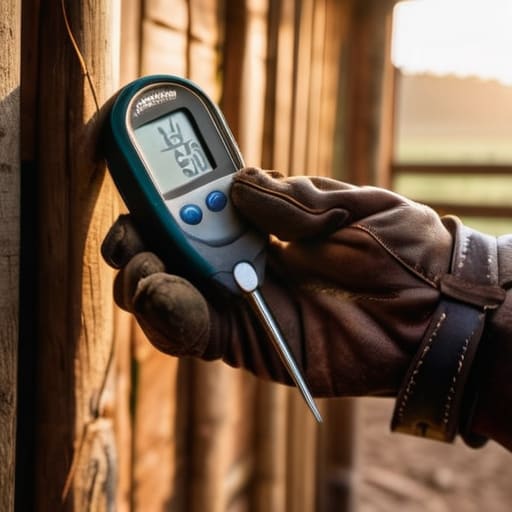
Key Things to Know: Reading thermometers.

First thing you need to understand is that a thermometer is only as good as the man holding it. I’ve seen lads walk into a pen with a fancy new piece of kit, thinking it’ll do the thinking for them, but if you don’t know what a normal reading looks like for a heifer versus a ewe, you’re just playing with numbers. You’ll find yourself staring at a screen, wondering how to read a thermometer when the animal is already halfway out the gate. Don’t let that be you.

You also need to decide on your gear before the weather turns or the animals get restless. Some of the newer crowd swear by a digital thermometer vs infrared setups, thinking the laser point is the magic fix. In a barn, an infrared gun might give you a quick idea of surface heat, but if you want the truth of what’s happening inside the animal, you’re going to have to get your hands dirty with a standard probe. It’s not as glamorous, but it’s the only way to be sure you aren’t chasing a ghost or missing a genuine infection that’ll cost you a calf by morning.

Practical Tips and Steps
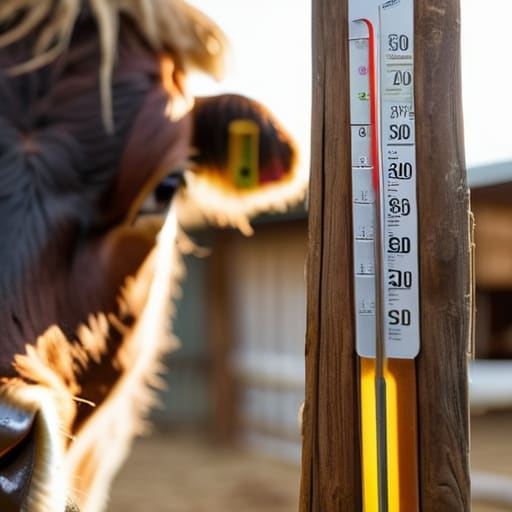
Practical Tips and Steps for livestock thermometers.

First thing’s first: get your kit sorted before you even head into the shed. I’ve seen too many lads wander into a pen with nothing but a prayer, only to find they’ve forgotten the thermometer or it’s gone missing in a pile of straw. If you’re choosing between a digital thermometer vs infrared, don’t let the fancy marketing fool you. An infrared gun is fine for a quick glance if you’re chasing a herd, but if you want to know if that heifer is actually heading for a serious infection, you need a proper digital probe. You need the hard number, not a guess.

When you’re actually doing the work, don’t be shy about the method. For livestock, we aren’t doing oral temperature measurement steps like you’d see in a nursery; you need to go rectal, and you need to do it properly. Clean the probe, get it in, and hold it steady. If you’re rushing it, you’ll get a reading that’s all over the shop, and misreading the numbers is just as bad as not taking them at all. Wait for the beep, write it down immediately, and don’t trust your memory when the rest of the herd is trying to kick your shins.

Common Mistakes to Avoid

The biggest mistake I see—and I’ve done it myself when the light was failing and the wind was up—is relying on a quick glance or a “feeling” rather than a proper reading. People tend to grab an infrared gun and think they’ve done the job, but there is a massive difference between a surface reading and what is actually happening inside the animal. If you’re using a digital thermometer vs infrared, remember that the laser only tells you about the skin. If a cow is shivering or standing in a draft, that reading is about as useful as a chocolate teapot. You need to know the core temperature to know if you’re dealing with a genuine infection or just a beast that’s been standing in a wet trough.

Another blunder is ignoring the timing. If you take a reading right after a heavy bout of exercise or during a sudden shift in weather, you’ll see body temperature fluctuations that don’t actually mean the animal is sick. You’ll end up chasing your tail with antibiotics you don’t need, wasting money that should have stayed in the bank. Don’t be in such a rush to get back to the quad; wait for the animal to settle, or you’re just guessing.

Final Thoughts

At the end of the day, a thermometer is just a bit of plastic and metal, but if you use it wrong, it’s a waste of your time and your money. I’ve seen enough people try to eyeball a sick animal, waiting for it to look “off” before they bother reaching for the kit. By then, you aren’t just looking at a fever; you’re looking at a drain on your cash flow that’s already started. Whether you’re debating digital thermometer vs infrared for your daily rounds, just remember that the most expensive reading is the one you didn’t take when you should have.

Don’t get caught out by body temperature fluctuations caused by a heavy rain or a long walk from the far field, either. If you don’t account for the environment, you’ll be chasing ghosts and treating animals that aren’t actually sick. Get the measurement right, trust the numbers over your gut feeling, and keep your eyes on the margin. It’s better to spend five minutes doing it properly now than five hours trying to fix a problem that should have been caught at the gate.

Five Things I’ve Learned the Hard Way About the Thermometer

  • Don’t trust a reading taken in the middle of a freezing gale; if you’re checking a calf in the field, get them into a bit of shelter first or the ambient chill will give you a reading that’s nothing but a lie.
  • Stop using the cheap, plastic ones that feel like a toy; if you’re going to be shoving a thermometer up a cow’s backside three times a day, buy the heavy-duty kit that won’t snap and leave you cleaning up a mess you didn’t plan for.
  • Keep a clean notebook in the shed, not just a scrap of paper in your pocket; if you don’t write down the temperature alongside the date and the animal’s ID, you’re just guessing, and guessing is how you lose a heifer.
  • Always check the thermometer against a known baseline before you start; I’ve seen men swear a beast was dying only to realise they’d been reading a faulty piece of kit that hadn’t been calibrated since the nineties.
  • Don’t be a hero and try to do it while the animal is agitated; if they’re kicking and you’re struggling, you’ll get a wrong reading and probably a bruised rib, and neither of those helps your bottom line.

The Bottom Line on Fever

Don’t treat a thermometer like a suggestion; if you’re guessing whether a cow is running hot or just had a long walk, you’ve already lost the battle against the vet’s bill.

Get the reading early and get it right—waiting until the animal is visibly flagging usually means you’re looking at a massive loss rather than a simple fix.

Keep your kit clean and your numbers recorded, because a temperature reading is useless if you can’t compare it to how that same animal was behaving last Tuesday.

The Bottom Line on Fever

At the end of the day, taking a temperature isn’t some fancy veterinary science project; it’s a basic bit of husbandry that keeps you from being blindsided. If you’ve learned anything from this, let it be that a digital thermometer is the cheapest insurance policy you’ll ever buy, provided you actually use it. Don’t just glance at a cow and decide she “looks a bit off”—get the reading, record it, and compare it to what you know is normal for your specific herd. Whether it’s a sudden spike in a calf or a slow creep in a ewe, catching it early means you’re dealing with a simple course of treatment rather than watching your margins vanish into a vet’s bill for a terminal animal.

I’ve seen plenty of lads come through these gates with the latest gadgets and the most expensive supplements, but they still lose animals because they couldn’t be bothered to check the basics. Farming isn’t about the high-tech bells and whistles; it’s about the quiet, disciplined work you do when nobody is watching. If you get the fundamentals of health monitoring right, the rest of the business tends to follow suit. Keep your eyes on the animals, keep your thermometer clean, and remember that a few minutes of effort in the pen today can save you a massive headache in the ledger tomorrow.

Frequently Asked Questions

Is there a difference in what I should be looking for if I'm checking a calf versus a mature cow?

Aye, there’s a world of difference. With a calf, you’re looking for a sudden spike; they can go from fine to crashing before you’ve finished your tea. A small rise in a calf is a red flag. With a mature cow, you’re looking for a slow creep or a drop, often linked to something like metritis or a problem after calving. Don’t treat them the same—a calf’s fever is an emergency; a cow’s is a management problem.

How often should I actually be running these checks, or am I just wasting time if they look alright to the eye?

If they look alright to the eye, you’re halfway there, but don’t let a shiny coat fool you. I’ve seen a heifer look perfectly fine one morning and be a total loss by tea time because a fever was brewing under the surface. You shouldn’t be sticking thermometers in every animal every day—that’s a waste of time and your sanity. Check the ones that look “off,” but keep a scheduled eye on the whole lot during high-stress periods like weaning or calving.

If I get a reading that looks a bit high but the animal is still eating, do I call the vet immediately or just wait and see?

If she’s still eating and the eye is bright, don’t go ringing the vet just to hear the cost of the call-out fee. But don’t just sit on your hands, either. Check the ground—is she standing in a wet patch or is the weather turning? I’ll keep a close eye on her for six hours, re-check the temp, and watch her movement. If that appetite drops even a fraction, call them. A hungry cow is a profitable cow; a cow that stops eating is a leaking tap on your cash flow.
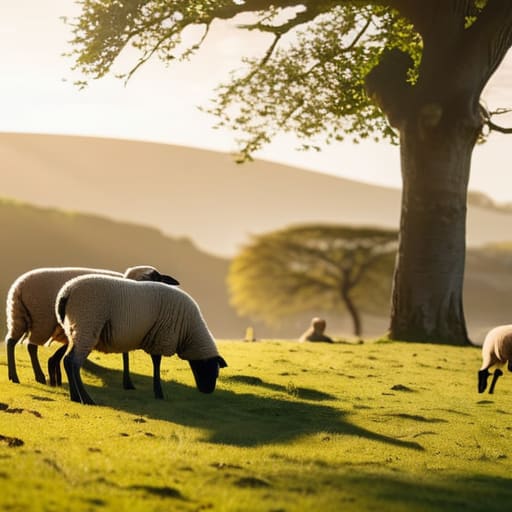
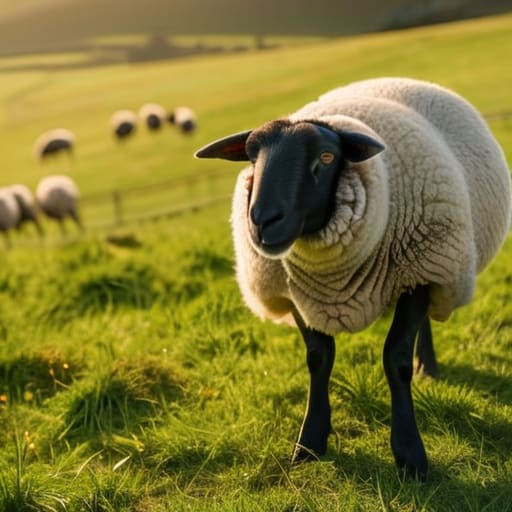
How to spot a sick animal early.

The Animal Standing Apart Is Telling You Something

I’ve spent more money than I care to admit on fancy diagnostic kits and digital monitoring systems that promised to revolutionize the way we work. Most of that expensive kit is currently gathering dust in the shed, and frankly, it’s a waste of good cash flow. The truth is, you don’t need a sensor to tell you something is wrong; you need to actually look at what’s in front of you. Learning how to spot a sick animal early isn’t about reading a manual or waiting for a flashing red light on a smartphone; it’s about knowing the difference between a cow that’s just having a quiet afternoon and one that’s quietly bleeding you dry.

I’m not here to sell you a subscription or a new piece of hardware. I want to talk about the subtle shifts in a heifer’s gait, the way a ewe stands away from the rest, and that specific, heavy silence in a pen that tells you trouble is brewing. I’ll tell you what I’ve learned from forty years of watching the weather, the grass, and the livestock, focusing on the practical signs that actually matter when you’re out in the field. We’re going to talk about what keeps your margins intact and what keeps you from losing a calf before you even realize it’s in trouble.

Table of Contents

Understanding How to Spot a Sick Animal Early

Understanding How to Spot a Sick Animal Early

You don’t need a degree in pathology to see when something is off; you just need to actually look at the animals instead of looking at your phone. Most of the time, the trouble shows up in the animal body language changes long before the temperature spikes. A cow that isn’t head-up, or a ewe that’s lagging behind the rest of the flock when they move to water, is telling you she’s struggling. If they aren’t standing with that usual presence, they’re already costing you.

I’ve learned the hard way that you have to watch the rhythm of the field. Look for the subtle changes in appetite and thirst—if a good eater suddenly leaves a patch of clover untouched, or if they’re drinking twice what they usually do, something is brewing internally. It’s rarely a sudden collapse; it’s usually a slow slide. By the time you see a beast truly down in the mud, you’ve already lost the battle with your margins. You want to catch the decline while it’s still just a nuisance, not a catastrophe.

Key Things to Know

Key Things to Know: Sheep health changes.

You don’t need a degree in pathology to know when something is wrong; you just need to pay attention to the rhythm of the yard. Most of the time, the first clue isn’t a fever or a cough, but a shift in the usual routine. I always tell my daughter to watch for changes in appetite and thirst first. If a ewe that usually clears a trough in five minutes is suddenly picking at the grass or, worse, standing there staring at it, you’ve already lost the morning. It’s rarely a sudden collapse; it’s a slow drift away from what’s normal.

Then there are the subtle animal body language changes that people tend to overlook because they’re too busy with the tractor. An animal that’s slightly more isolated, or perhaps a cow that isn’t carrying her head quite as high as she was yesterday, is telling you a story. You might think it’s just the weather, but if you see an abnormal stool or urine pattern alongside that slight drop in spirit, you aren’t looking at a moody animal—you’re looking at a mounting bill.

Practical Tips and Steps

Practical Tips and Steps for livestock monitoring.

You can’t manage what you don’t measure, and you certainly can’t manage what you don’t see. I don’t care how much you’ve spent on fancy sensors or automated feeding systems; if you aren’t walking the pens, you’re flying blind. Start with a simple physical examination checklist every single morning. It shouldn’t take more than a few minutes per head, but you need to be looking for more than just “is it standing up.” Look at the eyes, the way the ears are set, and the depth of the breath. If a cow is standing apart from the rest of the herd, she’s already telling you something is wrong.

Keep a sharp eye on the water trough and the feed bunk. One of the first veterinary warning signs I ever learned to trust wasn’t a fever, but a sudden shift in how they interact with their resources. If you see changes in appetite and thirst—even a slight dip—don’t write it off as “just a dry spell.” A cow that stops scavenging for grass or ignores a fresh bale is a cow that is costing you money. By the time they actually go down, the profit margin on that animal has already evaporated.

Common Mistakes to Avoid

The biggest mistake I see is waiting for the “event”—that moment when a cow is flat on her side or a lamb is clearly dying. By then, you aren’t managing a farm; you’re managing a funeral, and funerals are expensive. People tend to look for the spectacular, like a fever or a limp, but they miss the quiet stuff. If you aren’t watching for subtle animal body language changes, like a ewe standing slightly apart from the flock or a cow that’s stopped grooming herself, you’re missing the window where a cheap fix becomes a total loss.

Another trap is trusting your gut over the actual data. I’ve seen many a lad walk through a field, decide everything “looks fine,” and head back to the yard, only to find three dead calves the next morning. You have to look for the specifics: changes in appetite and thirst or even just a slightly different way they’re chewing the cud. Don’t just glance; you need a mental physical examination checklist that you run through every single time you walk the perimeter. If you’re just looking for what’s broken, you’ll always be too late.

Final Thoughts

At the end of the day, you aren’t looking for a medical degree; you’re looking for a deviation from the norm. If you spend enough time in the yard, you’ll start to notice the small things—the way a heifer stands slightly apart from the rest, or those subtle animal body language changes that tell you something is off before the thermometer even moves. Don’t go looking for a crisis; just look for the absence of the usual. If the rhythm of the field feels broken, it usually is.

I’ve learned the hard way that by the time an animal is truly “sick” in the way most people think, your margins have already taken a hit. Whether it’s a sudden shift in changes in appetite and thirst or a cow that’s just looking a bit too quiet in the corner, those are your real indicators. Stop worrying about the fancy diagnostic tools for a moment and just watch the stock. If you can catch the problem while it’s still just a nuisance, you might actually keep your cash flow intact.

Five things I look for before I even reach for the gate latch

  • Watch the way they move through the gate. It’s rarely a sudden limp; it’s usually a subtle shift in weight or a slight hesitation when they turn a corner. If a cow isn’t moving with the same rhythm as the rest of the herd, she’s already costing you money.
  • Don’t just look at the animal; look at the trough. If the water is still full or the feed hasn’t been touched by the usual suspects, you don’t need a vet to tell you something is wrong. A lack of appetite is the first crack in your margins.
  • Pay attention to the “odd one out” in the group. Animals are creatures of habit, and they like to stick together. If you see one standing off by itself, away from the shade or the social group, she’s likely trying to hide the fact that she’s struggling.
  • Check the ears and the eyes. I’ve seen too many people look for a fever when they should have been looking for drooping ears or a dull, glazed look in the eye. By the time the eyes look truly vacant, you’re usually looking at a lost cause or a very expensive vet bill.
  • Listen to the silence. A healthy herd has a certain level of ambient noise—the sound of chewing, the occasional grunt. If a section of the field goes unnaturally quiet, or if you start hearing a new kind of cough or a heavy breath, get your boots on and get out there.

The Bottom Line on Early Detection

If you’re waiting for a cow to lie down and refuse to get up, you’ve already lost the battle and a chunk of your margin; the real work is in noticing the subtle shift in how she carries herself or how she lingers at the feeder.

Trust your eyes and your routine over any fancy sensor or gadget; a piece of kit that pings your phone is useless if you haven’t spent enough time in the field to know what “normal” actually looks like for your specific stock.

Treat every missed sign of sickness as a direct hit to your cash flow, because by the time a disease becomes obvious to the naked eye, the cost of the vet, the lost weight, and the potential cull has already been tallied.

The Bottom Line

At the end of the day, catching a sick animal early isn’t about having the fanciest thermometer or the most expensive vet on speed dial; it’s about actually knowing your stock. If you aren’t out there seeing how they move through the gate or noticing that one ewe lagging behind the rest of the flock, you’re essentially flying blind. You have to watch the subtle shifts—the way they hold their head, the way they interact with the grass, and the way they stand when they think no one is looking. If you ignore those small, quiet signals, you aren’t just risking the animal’s welfare; you are inviting a hole in your cash flow that no amount of clever bookkeeping can plug.

Farming isn’t a job where you can hide behind a spreadsheet and expect the livestock to take care of themselves. It’s a hard, seasonal grind that demands you be present, even when the weather is foul and the margins are thin. But there is a quiet sort of satisfaction in knowing your herd so well that you spot a problem before it becomes a crisis. Don’t get distracted by the shiny new gadgets or the latest marketing promises; stick to the basics of observation and intuition. If you keep your eyes on the ground and your hands on the animals, you’ll find that the most valuable tool on this farm has always been your own damn eyes.

Frequently Asked Questions

When do I draw the line between a cow just having a quiet day and one that’s actually going to cost me a calf?

You draw the line when the “quietness” stops being about the weather and starts being about the feed. A cow can sit in the shade all afternoon if it’s been a dry spell, and I won’t tell you otherwise. But if she’s sitting out of the wind, head low, and hasn’t touched her ration, she’s not resting—she’s retreating. If you see her lagging behind the rest of the herd during a move, that’s your signal. Don’t wait for the fever; by then, you’re already looking at a vet bill and a wasted calf.

Is it worth the time to pull a sheep out of the flock for a closer look if it’s only slightly off, or am I just wasting diesel and daylight?

If you’re asking if it’s a waste of diesel, you’ve already lost the argument. A sheep that’s “slightly off” is a sheep that’s currently eating your profit. I’ve seen too many lads walk past a dull ewe because the weather was turning, only to find a carcass in the bottom field two days later. Pull her out. If it’s nothing, you’ve lost twenty minutes; if it’s something, you’ve saved the rest of the flock and your margin.

How do I tell the difference between an animal that's genuinely sick and one that’s just reacting to a sudden change in the ground or a wet spell?

You look at the eyes and the gait. If it’s just a wet spell, they’ll be a bit lethargic or perhaps a bit more “tucked up” when they stand, but they’ll still find the feed when you show up. A truly sick animal has a look in its eye that doesn’t clear up when the sun hits the field. If they aren’t lifting their head to watch you approach, you aren’t looking at a weather problem; you’re looking at a loss.