
I remember standing in a damp corner of the old stone shed back in ’94, staring at a row of expensive, half-empty vials that had turned into nothing more than colored water because I’d left them next to a drafty door. I’d spent a month’s profit on those treatments, only to realize that knowing how to buy the right stuff is useless if you don’t understand how to store and handle medicines properly. Most of the lads I know will spend a fortune on the latest injectable, only to leave it sitting on a muddy dashboard or tucked in a bucket of freezing water, effectively throwing their hard-earned cash straight into the muck.
I’m not here to sell you on some fancy, high-tech cooling system that’ll break down by Christmas and cost you more than it saves. I’m going to tell you what actually works when you’re working in the rain, in the dark, and on a tight margin. We’ll talk about the practical realities of keeping your stock potent, the mistakes that turn a quick treatment into a wasted expense, and how to manage your supplies so they actually do the job you paid for.
Table of Contents
- Understanding How to Store and Handle Medicines
- Key Things to Know
- Practical Tips and Steps
- Common Mistakes to Avoid
- Final Thoughts
- Five ways you're likely flushing your medicine budget down the drain
- The bottom line on your medicine cabinet
- The Bottom Line on the Medicine Chest
- Frequently Asked Questions
Understanding How to Store and Handle Medicines
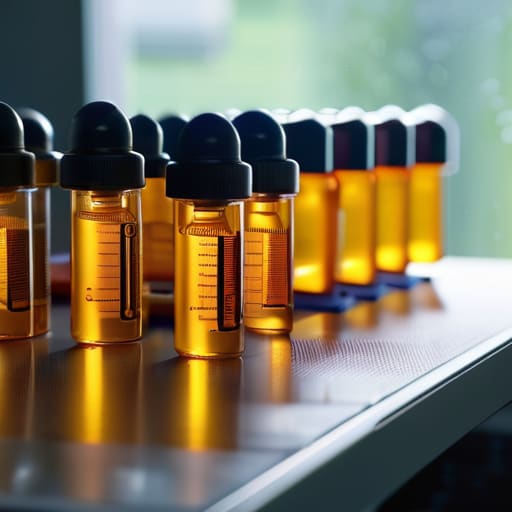
Now, before you go buying up every bottle of wormer and antibiotic the salesman swears by, you need to look at where you’re actually putting them. I’ve seen too many lads leave a crate of expensive vaccines in the back of a Land Rover or tucked in a corner of a damp, drafty shed. That’s a fast way to turn a high-quality product into expensive, useless water. Most of what you’re using requires proper temperature sensitive drug storage; if that cold chain breaks, you aren’t just wasting money, you’re potentially putting ineffective chemicals into your stock.
It isn’t just about the heat, either. You need a system that doesn’t rely on memory or a scrap of paper stuck to a door. I keep my kit in a dedicated, dry cupboard, clearly labelled and away from anything that might leak. You also have to be disciplined about checking medication expiration dates every single season. There is no point in reaching for a bottle during a crisis only to find it’s been dead since the previous autumn. If it’s past its date, bin it—properly—and don’t treat it like a gamble.
Key Things to Know
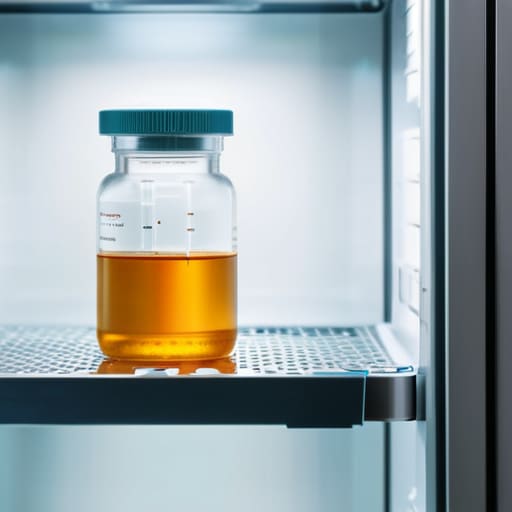
First, you need to stop treating your medicine chest like a junk drawer in the back of the shed. If you’ve got vaccines or anything that requires temperature sensitive drug storage, don’t just shove them in a corner and hope for the best. I’ve seen enough ruined batches to know that a summer heatwave in a poorly ventilated tack room will turn a three-figure investment into expensive colored water before you’ve even finished your tea. If it says keep it cold, keep it cold—and keep a log of it.
Second, keep a sharp eye on the dates. I’m not talking about some theoretical shelf life; I’m talking about checking medication expiration dates before you’re standing in a muddy field at 5:00 AM with a sick calf and a bottle of something that’s gone dead. It’s a waste of time and a waste of money. Finally, keep the stuff locked away. Between curious dogs and young hands helping out around the farm, you need to be serious about preventing accidental ingestion. If it isn’t secured, it isn’t managed.
Practical Tips and Steps
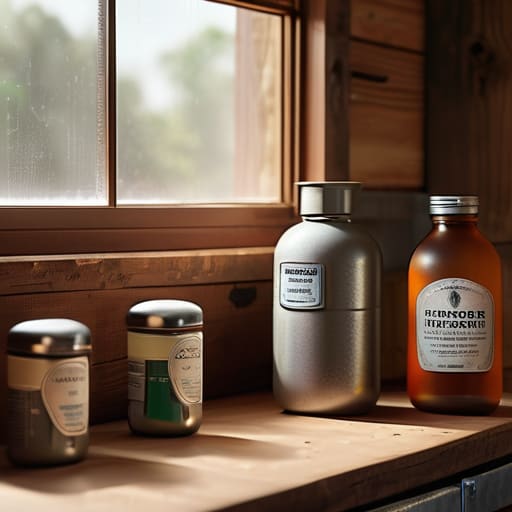
Start by getting a dedicated, lockable cabinet in the farm office or a dry, cool corner of the shed—somewhere far from the reach of the dogs and the kids. I’ve seen too many lads leave a bottle of wormer on a workbench only for a curious terrier to knock it over, and you’re looking at a vet bill that’ll make your eyes water. If you’re dealing with vaccines, you need a proper fridge that isn’t shared with the family’s milk; temperature sensitive drug storage isn’t a suggestion, it’s the difference between a working dose and a bottle of expensive, useless water.
Keep a simple logbook next to the cabinet. Every time you pull a bottle out, note the date. It sounds like extra work when you’re busy, but checking medication expiration dates before you head out to a field can save you from a wasted afternoon and a failed treatment. When a bottle finally runs dry or the stuff goes cloudy, don’t just chuck it in the general rubbish. Follow the proper medication disposal guidelines to keep the chemicals out of the soil and the groundwater; we’ve got to live on this land, after all.
Common Mistakes to Avoid
The biggest mistake I see is treating a medicine cabinet like a junk drawer. I’ve seen lads leave half a bottle of expensive antibiotics sitting on a workbench in a shed that hits forty degrees in July. If you aren’t mindful of temperature sensitive drug storage, you aren’t really storing anything; you’re just watching your profit evaporate. A drug that’s been baked in a hot tractor cab or left in a damp corner won’t hit the mark when a cow is actually flagging, and you’ll have wasted the money twice over.
Then there’s the habit of “saving it for next time.” I’ve lost count of the times I’ve gone to reach for a bottle only to find it’s been sitting there since the last three winters. You have to be disciplined about checking medication expiration dates every single season. Using dead stock is a fool’s errand that leads to under-dosing and resistance. And for heaven’s sake, keep the needles and the vials away from the kids or anyone else who shouldn’t be poking around the farm office. It’s not just about the cost; it’s about not making a mess you can’t clean up.
Final Thoughts
At the end of the day, keeping a tidy medicine cabinet isn’t about being a perfectionist; it’s about making sure that when a cow is flagging or a lamb is struggling, the stuff you reach for actually does what it’s supposed to do. I’ve seen too many men lose a good animal because they were using a bottle of something that had sat in a damp corner for three years, half-dead from the heat. It’s a waste of money and a waste of time. Take five minutes once a month to go through your stock and start checking medication expiration dates properly. If it’s past its prime, bin it.
Don’t let the paperwork pile up, either. If you’re serious about safe medication management at home, you need to treat your veterinary cupboard with the same respect you give your fuel tank or your seed stores. It’s easy to get caught up in the rush of lambing or calving, but if you don’t stay on top of your temperature sensitive drug storage, you’re essentially throwing cash into the muck. Keep it simple, keep it dry, and for heaven’s sake, keep it organized.
Five ways you're likely flushing your medicine budget down the drain
- Stop treating your medicine cabinet like a tool shed; if you’re leaving vials on a damp stone floor or next to the diesel cans, you aren’t just risking the potency, you’re inviting contamination that’ll make the whole batch useless.
- Get a proper fridge for your vaccines and don’t just rely on the temperature in the farm office; if you haven’t checked the thermometer lately, you might be injecting expensive, dead liquid into your stock without even knowing it.
- Keep your records as tight as your breeding books, because if you can’t tell me exactly when a bottle expires or which batch a cow got, you’re playing a dangerous game with both your margins and your compliance.
- Watch your hands and your equipment; using the same dirty syringe for three different animals because you’re in a hurry is a shortcut to spreading something far more expensive than a new needle.
- Stop buying in bulk just because the salesman offered a “deal” on a pallet of something you only need once a year; if it sits in the corner gathering dust and losing its shelf life, you didn’t save money, you just wasted it.
The bottom line on your medicine cabinet
If you’re leaving your expensive vaccines in the back of a warm tractor or a damp corner of the shed, you aren’t just being careless—you’re literally throwing money into the muck.
Don’t buy into the hype of every new bottle on the shelf; stick to what works for your specific ground and weather, and keep a tight eye on the expiry dates so you aren’t using dead chemicals on live stock.
Proper storage isn’t about being tidy; it’s about making sure that when a cow goes down at 2:00 AM, the medicine you reach for actually does the job instead of just adding to your vet bill.
The Bottom Line on the Medicine Chest
At the end of the day, managing your medicines isn’t about following a fancy manual or ticking boxes for an auditor; it’s about ensuring that when a cow is down or a lamb is struggling, the stuff you reach for actually works. If you’ve been leaving your vials in a damp corner of the shed or letting them bake in the cab of the quad, you aren’t just risking the animal’s health, you are throwing hard-earned cash directly into the muck. Keep them cool, keep them dry, and for heaven’s sake, keep a proper eye on those expiry dates. It sounds basic, but it’s the difference between a quick fix and a wasted afternoon of chasing a calf that won’t respond to dead medicine.
I’ve spent forty years learning that the smallest details usually carry the heaviest price tags. You can spend all your time worrying about the price of feed or the latest subsidy shift, but if you can’t get the fundamentals of stock health and hygiene right, the margins will never behave. Don’t let the small, preventable leaks in your budget sink the whole ship. Treat your medicine cabinet with the same respect you treat your breeding records, and you’ll find that protecting your margins starts long before you ever head out to the field.
Frequently Asked Questions
If the power goes out during a week of heavy rain, how am I supposed to keep the fridge temps steady without spending a fortune on a backup generator?
If the power’s gone and the rain’s coming down, don’t go rushing out to buy a generator you’ll only use twice a year. First, keep that fridge shut; every time you peek, you’re bleeding cold. If you’ve got a decent stock of frozen goods, they’ll act as your ice blocks for a day or two. Otherwise, a simple, small petrol generator is cheaper than losing a month’s worth of expensive vaccines to a warm shed.
Is there a point where a half-used bottle of something is more trouble than it's worth, or am I just being tight if I throw it out?
It’s not being tight; it’s being sensible. If you’ve got a half-used bottle of something that’s been sitting in a damp corner or near a heater for six months, it’s probably just expensive water at this stage. I’ve seen plenty of lads try to save a few quid only to find the medicine has lost its teeth when the animal actually needs it. If the efficacy is gone, you’re just wasting time and making the animal suffer. Toss it.
When I'm out in the middle of a field with a sick calf, how do I keep the stuff I'm using from getting ruined by the weather before I get back to the yard?
You don’t go running out there with a loose bottle and a prayer. Get yourself a proper, sturdy, insulated medic bag—not one of those flimsy ones that falls apart after a month. Keep your needles and vials tucked in there, away from the direct sun and the mud. If you’re out in a downpour, keep the bag zipped tight. It’s not just about the medicine working; it’s about not wasting fifty quid on a ruined dose because you were too rushed to be sensible.
