
I’ve seen enough glossy brochures and “expert” webinars to last me three lifetimes, most of them filled with nonsense about high-tech sensors and automated monitoring systems that cost more than a decent heifer. They want you to believe that knowing how to assess hydration requires a digital readout or a fancy probe, but they’re usually the same people who wouldn’t know a dry trough from a hole in the ground. If you’re waiting for a computer to tell you your stock is flagging, you’ve already lost the battle. In my experience, by the time a sensor starts beeping, you’re already looking at a drain on your margins that no amount of tech can fix.
I’m not here to sell you a subscription or a piece of kit that’ll end up gathering dust in the shed next spring. What I want to do is show you how to use your own eyes and a bit of common sense to spot the signs before the vet—or the butcher—becomes your only option. We’ll talk about the real indicators, from the way a cow carries herself to the state of the ground around the water, because at the end of the day, it’s about protecting your cash flow.
Table of Contents
Understanding How to Assess Hydration
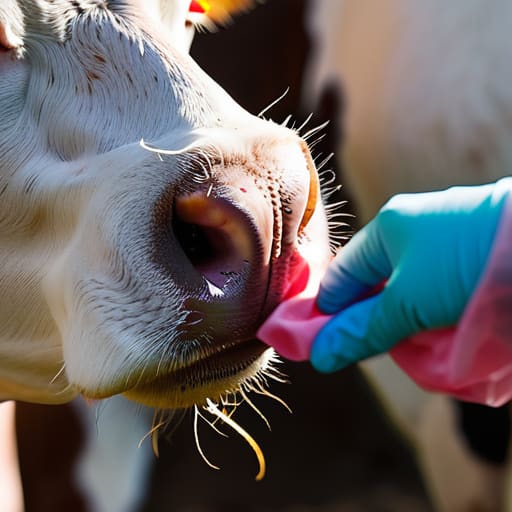
You can stand in the middle of a field and watch a cow drink all day, but that won’t tell you if she’s actually recovering. If you want to know what’s happening inside the animal, you have to get your hands dirty. I always start with a simple capillary refill test—press your thumb against the gum and see how long it takes for the pink to return. If it lingers, she’s struggling. It’s a quick bit of business that tells you more than any fancy sensor ever could.
Next, I look at the skin. You aren’t looking for a lecture on biology here; you’re looking for checking skin elasticity to see if the animal is holding onto what she needs. If you pinch the skin on the neck and it stays tented like a piece of old leather, you’ve moved past a simple thirst issue. At that stage, you aren’t just looking at a dry mouth; you’re looking at signs of severe dehydration that will likely end with a vet bill you didn’t budget for. Don’t wait for the animal to stop moving before you start paying attention.
Key Things to Know
You can spend half a day staring at a trough, but if you aren’t looking at the animal itself, you’re missing the point. I’ve seen plenty of lads walk past a cow that looked “fine” only to find her down in the dirt two days later because she’d been slipping for a week. The first thing you need to master is the capillary refill test. It’s a simple thing—press your thumb against the gum and see how long it takes for the pink to return. If it’s taking more than a couple of seconds, that animal is struggling, and you’re already losing the battle.
Don’t ignore the small things, either. I always tell my daughter to keep an eye on the dung and the output; a urine color chart isn’t just for fancy labs, it’s a practical way to see if they’re actually processing what they’re drinking. If the urine is dark and the skin doesn’t snap back when you’re checking skin elasticity on the neck, you aren’t just looking at a thirsty animal—you’re looking at a massive drain on your margins.
Practical Tips and Steps
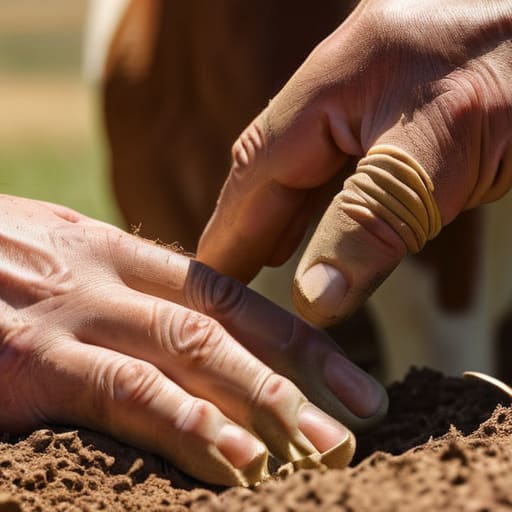
Now, you can sit in the yard with a clipboard and a textbook, but if you want to know what’s actually happening in the field, you have to get your hands dirty. Start with the simplest thing: the skin. I don’t care what the vet says about fancy sensors; get up to a cow, pinch the skin on the side of her neck, and see how fast it snaps back. Checking skin elasticity is the quickest way to tell if she’s running on empty or if she’s got enough reserves to weather a dry spell. If it stays in a tent shape for a few seconds, she’s in trouble.
If you’re looking at a calf that’s acting lethargic, don’t just guess. Use a capillary refill test by pressing on the gums; if the color doesn’t return instantly, you’re looking at a serious problem. While you’re at it, keep an eye on the dung heaps. I know it’s not the most pleasant job, but a quick look at the consistency and color tells you more about their internal state than any expensive supplement ever will. If the urine looks dark and concentrated, you aren’t just dealing with thirst; you’re watching your profit margins dry up.
Common Mistakes to Avoid
The biggest mistake I see is people waiting until a cow looks “off” before they start looking for dehydration symptoms and signs. By the time a heifer is drooping her ears or looking lethargic, you aren’t “assessing” anymore; you’re just performing an autopsy on your profit margins. If you’re only looking at the animal and not the trough, you’re missing the point. I’ve seen men spend a fortune on fancy supplements while the actual water source was fouled with muck or sitting in a stagnant puddle that no animal would touch.
Another blunder is relying on a single metric. You can’t just glance at a cow and decide she’s fine. I’ve known lads who thought they were experts because they could spot a dry nose, but they completely ignored checking skin elasticity or the way the animal was moving. If you aren’t performing a quick capillary refill test or paying attention to the consistency of the dung, you’re guessing. And for heaven’s sake, stop assuming that if they’re drinking, they’re fine. If the ground is baked hard and the mineral levels in your soil are shot, they might be drinking plenty but still failing to maintain a proper electrolyte balance.
Final Thoughts
At the end of the day, you can run all the tests in the world, but none of them matter if you aren’t looking at the state of your infrastructure. I’ve seen men spend a fortune on fancy supplements only to lose a heifer because a single trough was blocked by slurry or sitting in a boggy patch of ground that no one bothered to drain. If you aren’t checking your water quality and the access to it, you’re just managing a decline rather than running a business.
Don’t get caught out by the subtle stuff. By the time you’re seeing obvious signs of severe dehydration, you’re already fighting an uphill battle against a dropping margin. Learn to trust your eyes—use a quick capillary refill test on a calf if you have to, but more importantly, learn the rhythm of your herd. If the cows aren’t moving toward the water when they should be, something is wrong. Keep your eyes on the grass, your feet in the mud, and your money in the bank.
Five things to look for before the vet bill arrives
- Stop looking at the animal and start looking at the trough. If the ground around the water point is a baked-hard crust or a soup of filth, you aren’t dealing with a thirst problem, you’re dealing with a management problem that’s going to cost you in weight gain.
- Get your hands on the skin. If you pinch the hide behind the shoulder and it stays in a little tent for more than a second, that cow is already well past the point of being ‘a bit thirsty’ and is heading straight for a serious loss.
- Watch the eyes, not just the ears. A dehydrated animal has a sunken, dull look to the eyes that no amount of good pasture can fix once it’s set in. If they look hollow, they’re losing the battle.
- Check the consistency of the dung. It sounds a bit crude, but a dry, hard cake in the dung pat tells you more about your herd’s water intake than any expensive sensor ever will.
- Listen to the movement. A thirsty animal isn’t just slow; they’re heavy-footed. If the herd is lagging behind the usual pace when moving to a fresh break, they’re likely struggling with the internal plumbing.
The bottom line on hydration
Stop looking at the cow in isolation; if your troughs are fouled or your ground is so poached that they can’t reach the water, no amount of “monitoring” will save your margins.
Dehydration isn’t just a health issue, it’s a leak in your cash flow—a thirsty cow is a cow that isn’t converting grass into weight, and that’s money you’ll never see again.
Don’t trust the fancy tech or the salesman’s promise; the best way to spot a problem is to walk the fields, check the water quality yourself, and watch how the animals actually move when they’re thirsty.
The Bottom Line
At the end of the day, assessing hydration isn’t about reading a fancy sensor or waiting for a cow to look half-dead in the eye. It’s about the basics: checking the skin tension, watching how they move, and—most importantly—making sure the water itself isn’t a mess of silt and algae. If you aren’t looking at the state of the trough and the ground around it, you aren’t really managing hydration; you’re just hoping for the best. You can spend all the money in the world on supplements, but if your stock is struggling to pull enough clean water through a dirty system, you are simply throwing money down the drain one thirsty head at a time.
Farming has always been a game of margins, and hydration is one of those quiet ones that can bleed you dry before you even notice the leak. I’ve spent forty years learning that the most expensive mistakes aren’t the big ones everyone talks about; they are the small, daily oversights that eat away at your profit. Don’t get distracted by the shiny new kit or the latest marketing fluff. Stick to the ground, watch your animals, and keep your eyes on the actual numbers. If you get the water right, the rest of the system usually finds its feet.
Frequently Asked Questions
If the trough is full and clean, but the cattle are still looking dull and not drinking, is it a hydration issue or something more serious like a mineral deficiency or a gut bug?
If the water is clean and the trough is full, stop looking at the bucket and start looking at the animal. If they aren’t drinking, they aren’t just thirsty; they’re likely unwell. A gut bug or a heavy mineral deficiency will kill the appetite before it kills the thirst. You’ll see it in the eyes and the way they carry themselves. Check the dung and the temperature. If they won’t drink, the problem isn’t the water—it’s the engine.
How much of a difference does it actually make to the bottom line if I'm catching dehydration a day late versus catching it the moment it starts?
A day late isn’t just a delay; it’s a leak in your bank account. If you catch it early, you’re looking at a bit of extra mineral lick or a quick check on the trough. If you wait twenty-four hours, you’re paying for vet call-outs, lost weight in a heifer, or a calf that won’t thrive. In this business, you don’t lose money in big chunks; you lose it in those twenty-four-hour windows of neglect.
When the ground is baked hard and the water is running low, is it better to try and force more frequent small drinks or just wait for a heavy rain to reset the system?
You can’t wait for the heavens to open; by the time that rain hits, your weaning calves will be too far gone to salvage. If the ground is baked and troughs are low, you don’t “force” drinks, but you do manage the supply. Keep the water you have clean and accessible. Small, frequent refills are better than letting a trough go stagnant or bone-dry. If the water’s failing, your margins are too.
