
I spent a good portion of my thirties listening to salesmen in clean wellies tell me that a specific pedigree line would “revolutionize” my margins, provided I just ignored the fact that my hills are nothing but wet peat and gorse. They’ll show you glossy brochures of animals that look like they belong in a show ring, but they never mention what happens when those same animals are standing knee-deep in a sodden field in mid-November. If you’re looking at a breed catalogue and thinking about carcass weight before you’ve even checked your annual rainfall figures, you’re heading for a very expensive mistake. Learning how to choose a breed for your ground isn’t about chasing the latest genetic trend; it’s about knowing whether that animal can actually survive the reality of your postcode without costing you your shirt.
I’m not here to sell you a dream or a fancy new bloodline. What I can do is tell you what I’ve learned from forty years of watching animals thrive and watching others fail miserably because they were a mismatch for the soil. I’ll be looking at this through the only lens that matters: the intersection of your grass quality, your drainage, and your bank balance.
Table of Contents
- Stop Buying Pretty Cows How to Choose a Breed for Your Ground
- The Hidden Cost of Ignoring Soil Type Compatibility
- Why Regional Climate Adaptation Matters More Than Pedigree Papers
- Matching Resilient Breed Characteristics to Your Local Ecosystem
- Hardiness Zone Selection Avoiding the Most Expensive Mistakes
- Five Ways to Avoid Buying a Very Expensive Mistake
- The Bottom Line: Three Things to Remember Before You Buy
- The Bottom Line
- Frequently Asked Questions
Stop Buying Pretty Cows How to Choose a Breed for Your Ground
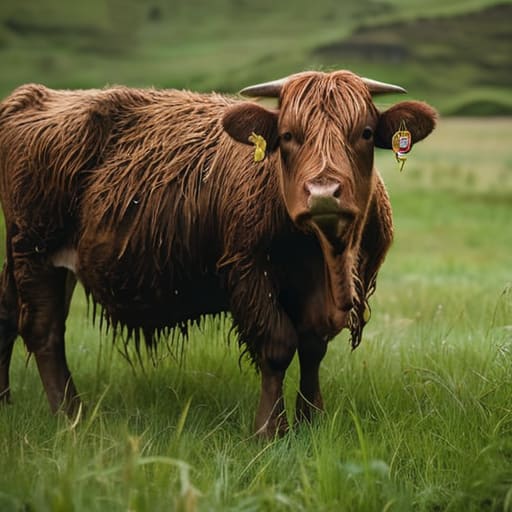
I’ve seen too many young lads walk into a livestock sale with a glossy brochure in one hand and a bank loan in the other, convinced that a certain pedigree is going to transform their business. They see a sleek, high-growth animal and think they’ve found the holy grail. But if you’re putting a high-input, “showy” breed onto heavy, wet clay without a massive budget for supplementary feeding, you aren’t farming; you’re just subsidising a walking money pit. You have to look past the coat and the conformation and start thinking about soil type compatibility. If that animal can’t forage efficiently on the specific grass your soil produces, it’s a liability from day one.
It comes down to what I call the “survival math.” You need to prioritize resilient breed characteristics over anything that looks good in a ring. I don’t care how much a heifer might weigh at weaning if she spends her entire life lying down because her feet can’t handle your specific terrain. A cow that thrives on your local forage and handles your seasonal weather shifts without needing a vet every Tuesday is worth twice what a “fancy” breed is worth when the prices drop.
The Hidden Cost of Ignoring Soil Type Compatibility
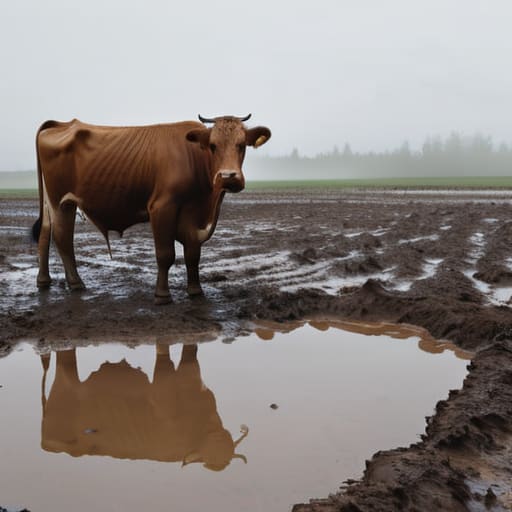
You can buy the most expensive, high-performance genetics on the market, but if they’re standing on heavy, waterlogged clay, you aren’t running a farm—you’re running a money pit. I’ve seen it time and again: a lad buys a flashy, high-output line because the catalogue says they’ll produce more kilos of beef, only to find they lack the basic resilient breed characteristics needed to cope with a wet winter. When the ground turns to soup, those fancy animals don’t just stand there; they sink, they get scald, and they start looking for a way to lose weight faster than you can replace it.
It’s a mistake of soil type compatibility that most people don’t realize they’ve made until the vet bill arrives. A breed that thrives on light, well-drained limestone won’t cut it if your hills are nothing but peat and heavy silt. You have to look at the drainage, not the pedigree. If the animal can’t manage the specific conditions of your acres without constant intervention, you aren’t investing in genetics; you’re just subsidizing a mistake.
Why Regional Climate Adaptation Matters More Than Pedigree Papers
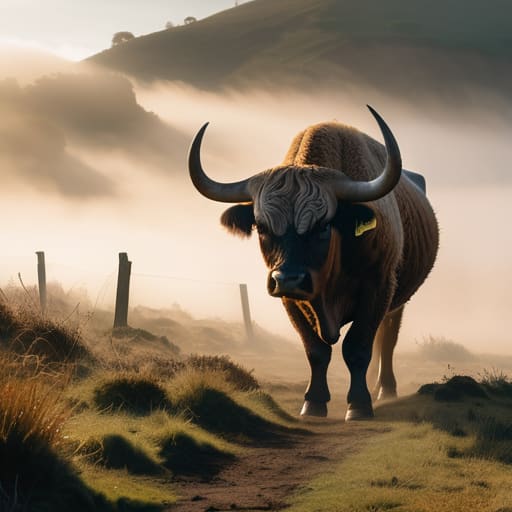
I’ve seen enough men walk into a livestock auction with a folder full of pedigree certificates and a head full of dreams to know where they’re headed. They see a bull with a lineage that goes back to the turn of the century and think they’ve found gold. But a piece of paper doesn’t tell you how that animal will behave when the mist sits in the valley for three weeks straight or when the summer heat turns your best pasture into dust. You can buy the finest genetics in the country, but if you haven’t accounted for regional climate adaptation, you aren’t investing in livestock; you’re just subsidizing a slow leak in your bank account.
A cow that thrives in a dry, lowland valley is going to struggle—and lose weight—on a wind-swept hill in a wet year. It’s about resilient breed characteristics that actually match the reality of your weather, not the prestige of the registry. If the animal spends more energy trying to stay warm or dry than it does converting grass into muscle, you’ve already lost the game. Don’t let a fancy name blind you to the fact that the weather doesn’t care about a pedigree.
Matching Resilient Breed Characteristics to Your Local Ecosystem
You can read all the fancy breeding manuals you like, but they won’t tell you how a heifer will behave when the March rains turn your bottom field into a peat bog. When I’m looking at resilient breed characteristics, I’m not looking at the shape of the head or the curve of the horn; I’m looking at the feet and the temperament. If you’re running a breed that’s been pampered on high-protein silage and flat, well-drained acreage, you’re going to have a very expensive time when the weather turns. You need animals that can find their own way through a bit of scrub and won’t lose a toe the moment the ground gets soft.
True local ecosystem matching is about more than just survival; it’s about whether the animal can actually turn your specific grass into profit without needing a constant vet bill. I’ve seen lads bring in high-input breeds thinking they’ll squeeze every ounce of meat out of the land, only to find they spend more on supplements and foot baths than they ever make at the mart. If the animal doesn’t fit the rhythm of your seasons, it isn’t an asset—it’s a liability.
Hardiness Zone Selection Avoiding the Most Expensive Mistakes
I’ve seen it happen more times than I care to count: a young man gets a bit too much credit for a fancy new bull, brings in a line of cattle that looks grand on a glossy catalogue, and spends the next three years fighting a losing battle against the weather. He’s focused on the weaning weight, but he hasn’t looked at the thermometer or the wind chill in a decade. Proper hardiness zone selection isn’t about reading a chart in a textbook; it’s about knowing whether your stock can stand a week of sleet in a north-facing field without losing half their condition.
If you ignore regional climate adaptation, you aren’t just farming livestock; you’re subsidizing the vet and the feed merchant. I don’t care how much profit a certain breed promises on paper if they need a heated shed just to survive January. You have to look at the reality of your hills and your valleys. If the breed can’t thrive in the damp or stand the wind, you’re essentially buying a very expensive way to lose money every single season.
Five Ways to Avoid Buying a Very Expensive Mistake
- Forget the show ring and look at the grass. If you’re running heavy-set continental beef cattle on thin, upland soil that barely holds a bit of rye, you aren’t farming; you’re just subsidising their weight gain with your own bank balance.
- Check the feet before you check the fleece. I don’t care how high the wool price is if that breed can’t stand in a wet, heavy clay paddock for three weeks without looking like it’s walking on eggshells. A lame animal is a hole in your pocket that never quite plugs.
- Don’t trust a brochure’s “ideal conditions.” Every salesman says his breed thrives in “temperate climates,” but they never mention what happens when the wind comes sideways off the hills in February or when the summer turns your grazing into dust.
- Watch your margins, not just your carcass weight. A breed that puts on meat like a machine sounds grand until you realize it requires expensive concentrates just to keep its head up. If it can’t finish itself on what you actually grow, it’s a luxury you can’t afford.
- Buy for your worst year, not your best. It’s easy to make a breed look profitable when the rain is even and the grass is lush, but you need to know if those genetics will hold their condition when the weather turns sour and the forage runs low.
The Bottom Line: Three Things to Remember Before You Buy
Forget the prize ribbons; if a breed can’t handle your specific soil and your local rainfall without needing a vet or a bag of expensive feed every second week, you aren’t farming, you’re just subsidising a hobby.
Your grass is your only real bank account, so pick a breed that actually knows how to turn it into meat rather than one that just looks good standing in a clean, well-managed show ring.
Always check the feet and the temperament before you check the pedigree; a fancy animal that won’t walk on your ground or stays in the corner of the field is nothing more than a very expensive way to lose money.
The Bottom Line
At the end of the day, you aren’t just buying animals; you are buying a long-term commitment to your specific patch of earth. If you ignore the soil type, the rainfall, and the way your grass actually grows in February, you are essentially inviting a slow leak into your bank account. You can chase the highest-selling pedigree or the trendiest breed in the next agricultural magazine, but if that animal can’t find its own way through a wet autumn or thrive on your local forage, you’ll be paying for them through vet bills and wasted feed every single month. Stick to the basics: match the genetics to the ground, and ensure the feet and the temperament are up to the task of your specific landscape.
I’ve spent forty years watching people try to outsmart nature with expensive imports and fancy breeding programs, only to see them fold when the weather turns sour. Farming isn’t about winning a show ring; it’s about building a system that survives the bad years so you can actually enjoy the good ones. Don’t be afraid to choose the “boring” breed that works, because reliability is the most profitable asset you will ever own. Look at your fields, listen to what the ground is telling you, and trust your own eyes more than a salesman’s brochure.
Frequently Asked Questions
If I’ve already invested in a specific breed that isn't performing well on my soil, is it better to try and fix the ground or just cull the herd and start over?
You’re asking if you should fix the ground or the herd. You can’t fix the ground by tomorrow, and you can’t fix a cow’s genetics by next season. If the soil is fundamentally wrong for the animal, you’re just subsidising their survival. Don’t pour money into lime and drainage hoping to force a misfit to thrive. Cull the underperformers slowly, reinvest that cash into a breed that actually likes your rain, and fix the ground in the meantime.
How much weight should I actually give to a breed's nutritional requirements versus the actual nutrient density of my grass?
You’re asking the right question, though you’ve got the order slightly wrong. The breed’s requirements are just a theoretical number on a page; your grass is the reality. I’ve seen men go bust trying to feed “high-performance” genetics on marginal hill ground because they thought they could out-supplement a poor diet. Don’t chase a nutritional requirement you can’t meet. Match the animal to the nutrient density you actually have, not the one you wish you had.
When looking at a breed's profile, how can I tell if their "hardiness" is genuine or just marketing fluff designed to sell more semen?
Look past the glossy brochures and the “extraordinary constitution” claims. If they won’t tell you exactly what kind of forage they’re bred to thrive on, or how they handle a wet, heavy clay, they’re selling you a dream, not a beast. Ask for the data on weaning weights in marginal conditions, not just show ring stats. If the “hardiness” doesn’t translate to survival on your specific grass during a bad year, it’s just expensive marketing.
