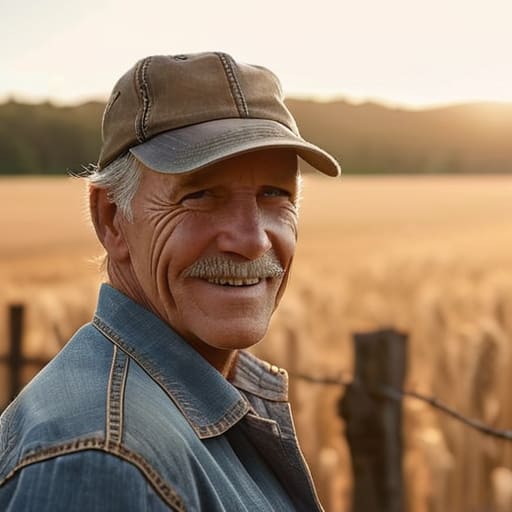
I spent forty minutes last Tuesday trying to explain to a well-meaning lad from the city why I couldn’t just “scale up” my beef production to meet a sudden spike in demand, only to be met with a blank stare and a lecture on organic certification. It’s the same old dance. People want the romance of the rolling hills and the sunset over the cattle, but they have no clue how to handle the reality of a wet spring or a sudden drop in market prices. If you’re looking for a polished PR strategy or a way to make us look like we live in a pastoral poem, you’re talking to the wrong man. Most people get it wrong when they try to figure out how to explain farming to the public; they focus on the scenery when they should be talking about the margins.
I’m not here to give you a marketing masterclass or teach you how to take pretty photos for Instagram. What I’ll do is show you how to strip away the fluff and talk about the actual mechanics of the job—the grass, the feet, and the cash flow. I want to help you explain the brutal math that keeps a farm running, so people finally understand that a bad patch of ground or a single lame ewe isn’t just a bad day; it’s a direct hit to the bottom line.
Table of Contents
Understanding How to Explain Farming to the Public
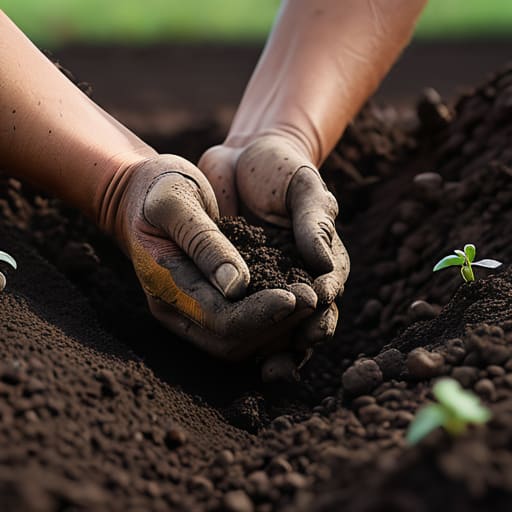
The trouble is, most people think they’re talking about food when they’re actually talking about a lifestyle. They see a sunset over a field and think “pastoral peace,” while I’m looking at the same field and seeing a nitrogen deficit that’s going to cost me a fortune in fertilizer come spring. If we want any hope of bridging the urban-rural divide, we have to stop trying to sell them the postcard. People don’t need a filtered photo of a lamb; they need to understand that a lamb is a biological machine that requires specific grass, specific weather, and a specific margin to survive.
We spend too much time on the “romance” and not enough time demystifying modern farming practices in a way that actually makes sense to a person who buys their groceries in a plastic tray. You can’t just show them a clean tractor and expect them to understand the economics. Real transparency isn’t about showing them a pretty farm; it’s about explaining why a wet summer means the price of beef is going up. If we don’t start talking about the brutal math of the seasons, they’ll keep judging us by the standards of a supermarket aisle rather than the reality of the land.
Key Things to Know
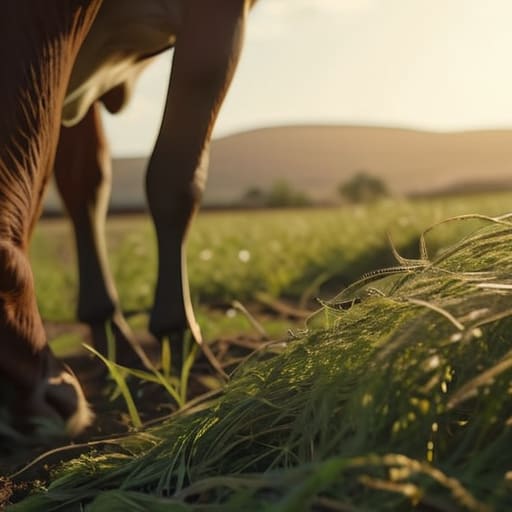
If you’re going to try and talk to someone who thinks milk comes from a carton and beef comes from a supermarket shelf, you have to stop lead-heavy lecturing. They don’t want a lecture on nitrogen cycles or subsidy reform; they want to know if the person raising their food actually cares about the animal. Demystifying modern farming practices isn’t about showing off a shiny new tractor; it’s about showing the grit. It’s explaining that a cow isn’t just a unit of production, but a living creature that requires a specific type of ground and a predictable amount of rain to thrive.
Don’t get bogged down in the politics of it all right away. If you want to succeed at bridging the urban-rural divide, you have to speak to the things they actually worry about at the dinner table. They care about safety, they care about where the meat comes from, and they care about the environment. If you can connect the health of your soil to the quality of their steak, you’ve won half the battle. Keep it simple: if the grass is good, the cow is good, and the food is good. That’s the only math they need to understand.
Practical Tips and Steps
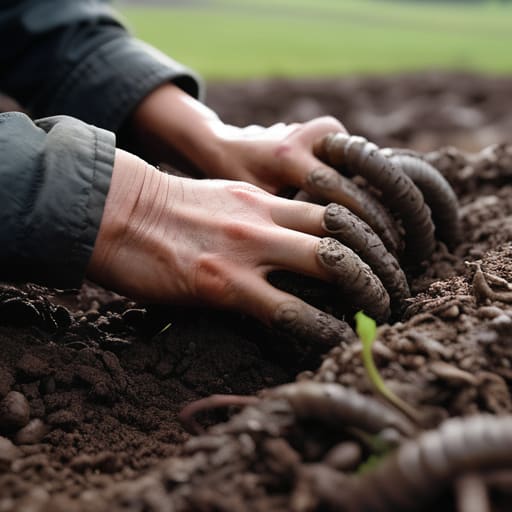
If you’re going to try and talk to people who think beef comes from a plastic tray in a supermarket, don’t start with your spreadsheets or your subsidy applications. They don’t care about the paperwork, and frankly, neither do I. Instead, start with the things they can see and touch. If you have an open gate policy, show them the animal, but don’t just show them the “cute” side of it. Show them the mud, the effort it takes to keep a lame ewe on her feet, and the reality of a wet spring. Demystifying modern farming practices isn’t about showing off a new tractor; it’s about showing the connection between the quality of the soil and the quality of the steak.
Don’t get bogged down in the politics of it all, either. When you’re using social media for farmers, avoid the urge to argue about global trade or carbon credits—you’ll lose that fight every time. Focus on transparency in food supply chains by showing the daily grind. If a calf is struggling or a field is looking thin because the rainfall hasn’t cooperated, say so. People respect the truth of a difficult season far more than they respect a polished marketing brochure.
Common Mistakes to Avoid
The biggest mistake I see is trying to win an argument with a polished PowerPoint presentation. If you go out there trying to sell the “romance” of the countryside, you’ve already lost. People don’t want a postcard; they want to know why their steak costs what it does. When we try to hide the grit, we aren’t being professional—we’re being dishonest. If you spend all your time demystifying modern farming practices by showing them shiny new tractors but skip over the reality of a wet spring or a sudden dip in beef prices, they’ll smell the lack of sincerity a mile off.
Another trap is getting bogged down in the jargon. You can talk about nitrogen cycles and weaning weights until you’re blue in the face, but you won’t achieve any real bridging of the urban-rural divide if they don’t understand a word you’re saying. Don’t treat them like students in a lecture hall; treat them like the person standing at the farm gate. If you can’t explain the cost of a heifer in terms of grass and weather, you aren’t actually communicating—you’re just talking to yourself.
Final Thoughts
At the end of the day, you aren’t going to win anyone over with a polished brochure or a scripted video about “the joy of the countryside.” People don’t want a fairy tale; they want to know that the food on their table isn’t a mystery. If we want any hope of bridging the urban-rural divide, we have to stop being defensive and start being honest about the grit it takes to keep a farm running. It’s about showing them that a well-managed field isn’t just scenery—it’s a complex biological engine that requires constant, expensive attention.
Don’t get bogged down trying to win every argument on the internet. Instead, focus on demystifying modern farming practices by showing the actual work, the actual animals, and the actual risks we take every season. If you can show a person why a specific decision was made—whether it’s about animal welfare or soil health—you’ve done more for their understanding than any government pamphlet ever could. Keep it simple, keep it truthful, and for heaven’s sake, don’t pretend it’s easy.
Five ways to stop them talking over you and start listening
- Stop using the jargon that makes them feel small. If you start talking about ‘silage fermentation profiles’ or ‘nutritional supplementation regimes,’ they’ll tune out before you’ve finished your sentence. Talk about the grass, talk about the weather, and talk about the cost of a bag of feed. If they can’t picture it in their own garden, they won’t understand it on your hill.
- Show them the math, not just the scenery. People love a photo of a lamb in a field, but they don’t understand that a lamb is a massive financial risk from the moment it’s born. Tell them that for every day a calf stays on the ground without growing, you’re losing money. Once they realize farming is a high-stakes gamble against the weather and the markets, they stop seeing it as a hobby.
- Address the “animal welfare” elephant in the room before they do. Don’t wait for them to ask why a cow looks a certain way or why you’re doing something that looks “unnatural.” Explain that your priority is the feet and the health of the animal, because a sick animal is a loss, and a dead animal is a tragedy. If you lead with the reality of animal care, they won’t feel the need to lecture you on it.
- Explain the link between the weather and their dinner plate. Most people think food just appears in a supermarket aisle. You need to tell them that if we have a wet spring and the grass doesn’t grow, the price of beef goes up. Make it personal. Connect the rainfall on your 180 hectares directly to the cost of the steak in their kitchen.
- Be honest about the mistakes. Don’t try to present a polished, perfect version of farming. If you tell them about the time a bad batch of hay ruined your weaning or how a broken fence cost you a week’s profit, you become a real person to them, not just a character in a landscape. They trust a man who admits he’s lost money more than a man who claims he never does.
The Bottom Line
Stop trying to sell them a postcard; if you want them to respect the work, show them the math of how a single bad season or a patch of poor ground dictates whether the farm survives the year.
Forget the high-tech gadgets and the polished marketing; real farming is about the grit of managing grass, the constant battle against lameness, and the brutal reality of cash flow.
Don’t get defensive when they ask questions—use it as a chance to move the conversation away from the romanticised nonsense and toward the actual, hard-won lessons of the land.
The Long View from the Gate
At the end of the day, trying to make the public understand this life isn’t about winning a debate or showing off a shiny new tractor. It’s about shifting the conversation away from the polished, sanitized version of farming they see on television and toward the uncomfortable reality of the margins. If you spend your time talking about subsidies or high-tech gadgetry, you’ve already lost them. You have to bring it back to the basics: the quality of the soil, the health of the animal’s feet, and the brutal mathematics of a wet spring. When you explain that a single week of bad weather or a sudden spike in feed costs can dictate whether a family stays on the land, you stop being a character in a story and start being a real person managing a business.
I’ve spent forty years watching the world change, and I’ve learned that people generally respect honesty more than they respect expertise. You don’t need to be a public relations expert to bridge the gap; you just need to be willing to show the scars and the spreadsheets alongside the scenery. Farming is a hard, seasonal, and often thankless grind, but it is the backbone of something much larger than ourselves. If we can teach them to value the grass underfoot as much as the steak on their plate, we might just give the next generation a fighting chance to keep these gates open.
Frequently Asked Questions
How do I handle people who think they know more about animal welfare than I do just because they watch a documentary?
You don’t argue with them; you just let them talk until they run out of breath. I’ve had plenty of folks try to lecture me on welfare because they saw a film about a farm in Wales. They see a muddy field and think neglect; I see a cow with good feet and a belly full of grass. If they want to debate, ask them to calculate the cost of a single lame heifer. They usually go quiet then.
Is it worth trying to explain the actual costs of production to someone who only cares about the price of a steak in the supermarket?
Don’t bother. You’ll exhaust yourself trying to explain the cost of diesel, vet bills, and the price of a heifer to someone who only sees a supermarket sticker. They aren’t looking for the math; they’re looking for a bargain. If you try to justify your margins to them, you’re just arguing with a brick wall. Save your breath for the people who actually matter—your bank manager and the person buying your stock.
How much of the "real" side of farming—the bits that aren't pretty—should I actually be sharing, or is it better to just keep the gate closed?
Keep the gate closed on the blood and the muck, but open it wide on the math. People don’t need to see a calf struggle, but they ought to know that a single bad bout of lameness can wipe out your margin for the month. If you only show the sunsets, they’ll think you’re a hobbyist. Show them the cost of the diesel, the price of the feed, and the reality of the risk. That’s how you earn respect.
