
I spent a good chunk of the nineties thinking that if a heifer wasn’t moving, I wasn’t working hard enough, so I’d grab the prod or raise my voice to get things moving. I thought I was being efficient, but all I was doing was teaching my stock to live in a state of constant, expensive panic. People love to sell you fancy new crush designs or high-tech gates, but they rarely tell you the truth about how quiet handling improves performance on a practical level. You can have the most expensive steel in the yard, but if you’re still treating your cattle like they’re your enemy, you’re just burning money through stress and weight loss.
I’m not here to give you a lecture on animal welfare from a textbook; I’m here to talk about the bottom line. I want to show you how slowing down your movements and lowering your voice actually keeps more weight on the animal and more cash in your pocket at weaning. I’ll tell you exactly what I learned the hard way about the link between a calm yard and a profitable season, without any of the marketing fluff.
Table of Contents
Understanding How Quiet Handling Improves Performance

You can look at the fancy charts all you want, but it comes down to biology. When you’re charging through a gate or swinging a stick, you’re triggering an animal stress response that no amount of good forage can undo. That spike in cortisol levels doesn’t just make the cattle skittish; it literally diverts energy away from growth and into survival mode. You’re essentially paying for the privilege of watching your margin disappear into thin air because the animal is too busy panicking to put on weight.
It’s also about the final product. I’ve seen enough bruised, dark, and leaking carcasses at the mart to know that calm handling and meat quality aren’t just buzzwords for the welfare inspectors—they’re the difference between a premium price and a heavy discount. If you spend the whole season treating your stock like they’re your enemies, don’t be surprised when the butcher treats your beef like it’s second-rate. It’s a simple equation: less agitation equals better finish, and a better finish is the only thing that keeps the bank manager from calling.
Key Things to Know

If you want to get this right, you have to stop looking at it as a way to be “kind” to the animals and start seeing it as a way to protect your margin. When a beast gets spooked, its body reacts in ways you can’t see just by looking at it. You’re looking at a spike in animal stress response cortisol levels that pulls energy away from growth and puts it straight into survival mode. That’s energy you’ve paid for in grass and silage that you’ll never see again in the weight at the mart.
It’s also about the end product. I’ve seen enough bruised, dark-fleshed beef to know that calm handling and meat quality are linked more tightly than most people care to admit. If you’re treating the yard like a wrestling ring, you’re essentially pre-sorting your best stock into the lower price bracket before they even leave the farm. You don’t need a degree to see it; you just need to look at the carcass. It’s about reducing animal agitation from the moment they hit the crush until they’re on the truck, because a steady animal is a profitable animal.
Practical Tips and Steps
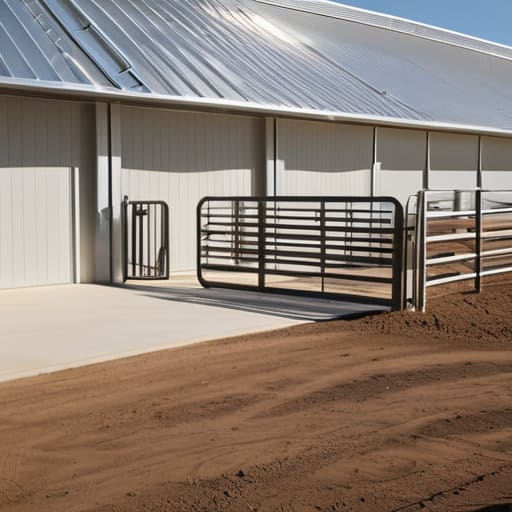
First, stop looking at the cattle and start looking at the gates and the crush. If you’ve got a corner that’s sharp or a gate that bangs like a gunshot every time you move it, you’re fighting a losing battle. I’ve learned the hard way that you can’t talk a cow into being calm if your setup is a deathtrap of shadows and sudden noises. Spend a morning just watching how they move through your yard. If they’re bunching up or trying to turn back, your layout is the problem, not the animal. Fix the flow before you try to fix the beast.
Second, it’s about your own temperament. I know it sounds soft, but if you’re walking into the yard with a heavy tread and a loud voice, you’re spiking their animal stress response before you’ve even touched a halter. You don’t need to be whispering sweet nothings, but you do need to move with purpose rather than panic. When you’re reducing animal agitation during transport or just moving them to a fresh break of grass, remember that a steady hand and a quiet step keep the cortisol down and the weight on. If you’re sweating and swearing, they’re already losing value.
Common Mistakes to Avoid
The first mistake I see is treating a handling system like a wrestling match. I’ve seen lads think that if they aren’t sweating and shouting, they aren’t working hard enough, but that’s just a fast way to bleed money. When you’re chasing stock with a stick or a loud voice, you aren’t just being a nuisance; you are actively spiking their animal stress response, and that cortisol doesn’t just vanish once they’re back in the field. It stays in the system, affecting everything from their ability to graze to how they’ll finish on the scale.
Another one that gets overlooked is the “one-off” mentality. People think they can afford to be rough during the busy periods—like weaning or transport—because they’re in a rush. But the impact of noise on livestock productivity isn’t a one-time hit; it’s a cumulative drain. If you’re constantly rattling them, you’re essentially training them to be flighty, which makes every subsequent job twice as hard. Don’t mistake a bit of controlled chaos for efficiency; if your yard is a theatre of noise, you’ve already lost the battle.
Final Thoughts
At the end of the day, you can buy the most expensive genetics in the country, but if you treat them like cattle in a boxing ring, you’re just throwing money down the drain. It’s easy to get caught up in looking at the pedigree on a piece of paper, but I’d rather look at the temperament of the beast in the pen. When you focus on low-stress livestock management techniques, you aren’t just being “kind”—you’re protecting your bottom line. A cow that isn’t constantly spiking her cortisol levels is a cow that’s actually using her feed to put on weight rather than just burning it off through sheer panic.
Don’t expect these changes to happen overnight, and don’t expect them to be easy if you’ve spent thirty years shouting at the yard. It takes patience, and more importantly, it takes watching the ground and the weather to ensure you aren’t rushing jobs when the conditions are against you. If you can master the art of moving stock without the chaos, you’ll find that calm handling and meat quality go hand in hand. It’s about working smarter, keeping the margins tight, and making sure the only thing you’re losing on this farm is the dust behind the tractor.
Five ways to stop fighting your stock and start making money
- Stop the shouting and the poking. Every time you raise your voice or swing a stick to move a heifer, you’re triggering a cortisol spike that’s essentially stealing meat off the carcass before it’s even finished growing. A calm animal holds its weight; a panicked one burns it off.
- Fix your gates and your crush before you buy a new supplement. If a gate is sticking or a race is uneven, you’ll end up rushing the job to get out of the rain or the cold, and that’s exactly when you start making mistakes that lead to broken bones or bruised backs.
- Watch the ground as much as the animal. You can have the quietest handling system in the world, but if your handling area is a boggy mess of poached ground, you’re inviting lameness. And as I’ve said before, a lame animal is a hole in your pocket that no amount of “good management” can plug.
- One person, one job. I’ve seen lads try to run a crush with three people all barking orders and waving arms. It’s chaos. One person directing the flow, one person operating the gate—keep it simple, keep it predictable, and the cattle will follow the rhythm rather than fighting the noise.
- Use the flight zone, don’t hunt it. You don’t need to chase a cow halfway across the field to get her into the race. Learn where her “bubble” is, step into it, and step back. It takes more patience than most people have, but it saves you three hours of wrestling and a lot of unnecessary wear and tear on your equipment.
The bottom line on quiet handling
Stop treating stockmanship like a wrestling match; a calm animal holds its weight, while a stressed one burns through its profit margin before it even hits the weighbridge.
If your yard setup requires you to shout or use a prod to move a beast, you’ve already lost the battle—fix the gates and the flow, or you’ll keep paying for it in lost condition and broken equipment.
Quiet handling isn’t some soft-hearted luxury; it’s a practical way to protect your most valuable asset—the animal’s ability to turn grass into cash without wasting energy on fear.
The Bottom Line
At the end of the day, quiet handling isn’t some fancy welfare concept dreamed up in an office in London; it is a fundamental part of managing your margins. If you’ve listened to a word I’ve said, you’ll know that every time you spend ten minutes wrestling a stubborn heifer or chasing a stray through a gate, you are effectively paying for it out of your own pocket through lost time and unnecessary weight loss. It comes down to the basics: better temperament leads to better growth, and better growth leads to a better cheque at the mart. If you keep your yards clean, your movements steady, and your temper in check, you aren’t just being “kind” to the stock—you are protecting your cash flow from the slow leak of stress and inefficiency.
I’ve seen plenty of lads come onto the land with the newest, flashiest kit, thinking a bigger tractor or a fancier crush will solve their problems. But the truth is, the most important piece of equipment on this farm is the person standing in the yard. You can buy all the tech in the world, but you cannot buy the discipline it takes to do things properly and calmly every single time. It’s a long game, and it’s often the quiet, unglamorous work that actually builds a legacy worth passing down. So, stop looking for the quick fix and start looking at how you move through your livestock; that’s where the real profit is hidden.
Frequently Asked Questions
If I’m working a tight schedule during calving or lambing, how much time am I actually going to lose trying to be "quiet" versus just getting the job done?
You’ll lose ten minutes in the yard, but you’ll save three hours in the pen. If you rush a heifer through a narrow race by shouting and prodding, you’re gambling on her not tripping or bruising. A bruised animal is a carcass or a vet bill, not a calf producer. I’d rather take the extra time to move them steady than spend the next six months chasing the cost of a mistake made in a hurry.
How much of a difference does this actually make to the bottom line—are we talking about a few extra kilos on the scale, or is it more about preventing the vet bills?
It’s both, but it’s rarely about the kilos alone. If you’re bruising cattle or stressing them through a rough crush, you’re losing weight in the feed conversion and the meat quality. But the real killer is the hidden leakage: the vet bills for stress-related issues and the time you waste wrestling stock that should have walked themselves in. It’s not just a few extra kilos; it’s stopping the slow bleed of your margins.
I’ve got a mix of old, stubborn stock and new additions; does this approach work on a cow that’s spent ten years being moved around by a shouting man?
It’ll work, but don’t expect a miracle by Tuesday. That cow has a memory longer than a wet winter, and she’s learned that noise means trouble. You aren’t just training her; you’re unlearning ten years of bad habits. It’ll take patience and a lot of nothing happening. If you rush it or get frustrated, you’ll just prove her right. Slow down, use the pressure, and let her find her feet.
