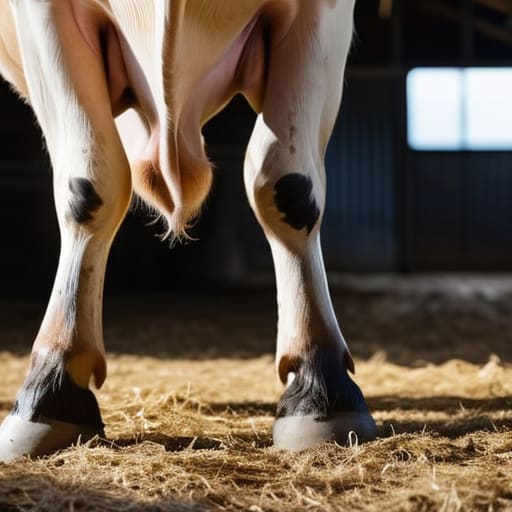
I’ve sat through enough seminars to know that most of the “experts” will try to sell you a high-tech scanning system or a fancy new mineral lick to solve your foot problems. They’ll talk about “proactive welfare protocols” while ignoring the fact that your cows are standing in three inches of poached muck. The truth is, if you’re looking for a magic pill, you’re looking in the wrong place; learning how to manage lameness in cattle isn’t about buying more kit, it’s about understanding the ground beneath them and the cost of inaction. I’ve seen a single bad season of wet, heavy soil turn a profitable year into a massive deficit, all because we were too busy looking at breeding stats to look at the feet.
I’m not here to give you a lecture from a textbook or a sales pitch for a new supplement. I’m going to tell you what I’ve learned from forty years of watching cows walk—and more importantly, watching them limp. We’ll talk about the real drivers of foot rot, why your yard layout might be bleeding you dry, and how to spot a problem before it becomes a vet bill you can’t afford.
Table of Contents
- The Silent Thief Why Lameness Bleeds Your Bank Account Dry
- Beyond the Limp Mastering Cattle Gait Analysis Techniques
- How to Manage Lameness in Cattle Without Wasting Money
- Spotting the Red Flags in Identifying Bovine Foot Lesions
- Bedding Boots and Bottom Lines Mastering Cow Comfort
- Five Hard Lessons from a Sore Foot and a Thin Margin
- The Bottom Line on Keeping Them on Their Feet
- The Long View on the Long Walk
- Frequently Asked Questions
The Silent Thief Why Lameness Bleeds Your Bank Account Dry
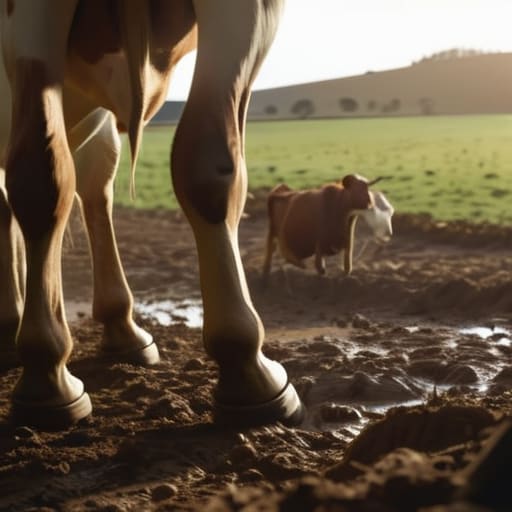
Most people look at a sick cow and see a tragedy; I look at a lame cow and see a spreadsheet bleeding red. You can have the best genetics in the county and the most expensive feed on the market, but if that animal is favoring a limb, you’re essentially throwing money into a hedge. It isn’t just the immediate cost of the vet or the time spent chasing a rogue heifer into a crush; it’s the compounded loss of everything else. A cow that isn’t walking properly isn’t eating properly, and a cow that isn’t eating isn’t growing or producing.
I’ve seen lads spend a fortune on high-spec supplements only to go bust because they ignored the basics of cow comfort and bedding management. If your yard is a slurry-filled bog and your stalls are concrete enough to chip a tooth, you aren’t farming; you’re just subsidizing bacteria. Whether it’s a simple case of digital dermatitis or something deeper, the principle remains: lameness is a tax on your inefficiency. By the time you’ve noticed a limp, the profit from that animal has already started to evaporate.
Beyond the Limp Mastering Cattle Gait Analysis Techniques
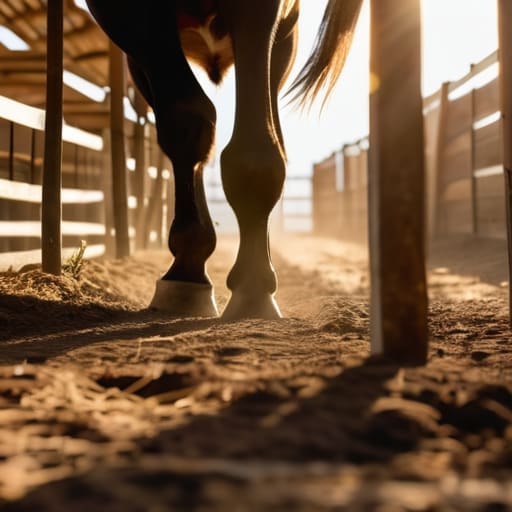
You can’t wait until a cow is standing with one leg cocked like a tripod before you start worrying; by then, you’ve already lost the battle. Real cattle gait analysis techniques aren’t about fancy sensors or expensive software; they’re about your eyes and your patience. I spend twenty minutes every Tuesday morning just walking the pens, watching them move from a distance. You’re looking for that subtle hitch in the stride, the way a heifer might favor a side when she turns, or a slight hesitation when she steps onto harder ground. If she isn’t moving with a certain rhythmic ease, something is brewing under the surface.
Once you spot the movement, you have to get down in the dirt. It’s not glamorous, but you won’t find the truth from the top of the gate. You need to be looking for the small things—the slightest swelling or a change in how the hoof hits the floor. Identifying bovine foot lesions early is the difference between a quick trim in the shed and a month of lost milk or weight gain. If you’re waiting for the animal to show obvious distress, you’re already paying for the mistake.
How to Manage Lameness in Cattle Without Wasting Money
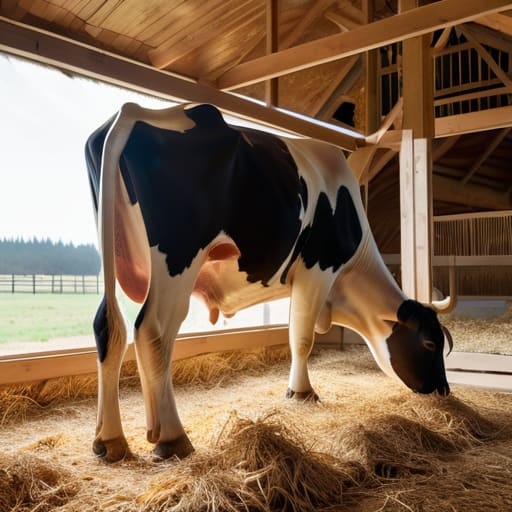
Now, you can spend a fortune on the latest automated footbath systems or fancy nutritional supplements that promise the moon, but if you haven’t sorted your ground, you’re just throwing money into a bog. Most of the lads I know wait until they see a cow actually stumbling before they act, but by then, the damage is done. Real management starts with the basics: cow comfort and bedding management. If your cattle are standing in a slurry pit or on sharp, poached ground for twelve hours a day, no amount of expensive copper sulphate is going to save your margins. It’s about keeping the environment dry and the footing stable; if the ground is rubbish, the feet will be too.
Don’t go buying a fleet of new tractors or high-spec machinery to solve a problem that’s actually happening under the animal. Instead, invest your time in identifying bovine foot lesions before they become a crisis. I’d rather spend an hour walking the pens with a torch and a steady eye than a thousand pounds on a vet bill for a cow that’s already lost her ability to graze properly. Stick to what works: good drainage, clean bedding, and regular, methodical inspections. Everything else is usually just marketing fluff.
Spotting the Red Flags in Identifying Bovine Foot Lesions
You can’t just walk through a pen with a clipboard and expect to see the trouble. If you’re looking for a dramatic limp, you’ve already missed the window. By the time a cow is holding a leg up like she’s trying to avoid a puddle, the damage to her tissue is already deep, and your profit margin is halfway out the gate. Real identifying bovine foot lesions starts with the subtle things—the way a heifer shifts her weight when she thinks no one is watching, or that slight, uneven rhythm in her stride when she’s moving toward the feeder.
I’ve spent enough years in the yards to know that the real trouble often hides in the cracks. You need to be getting down on your knees, looking at the interdigital space, and checking for that raw, weeping redness that signals something is brewing. It isn’t just about a single sore spot; it’s about seeing the pattern. If you see consistent irritation across a group, it’s rarely an isolated accident; it’s a sign that your environmental management or footing is failing you. Don’t wait for the limp; look for the heat and the swelling before they turn into a vet bill you can’t afford.
Bedding Boots and Bottom Lines Mastering Cow Comfort
You can spend a fortune on the best digital dermatitis treatment or the fanciest foot baths in the county, but if you’re letting them stand in a slurry pit or on concrete that’s harder than a banker’s heart, you’re just throwing money at a bucket with a hole in the bottom. I’ve seen lads buy the most expensive boots for their cattle, only to realize they haven’t looked at the drainage in their yard for five years. It’s a fool’s errand. Real cow comfort and bedding management isn’t about luxury; it’s about making sure the ground under their feet isn’t actively working against them.
If the bedding is damp, the problem is already halfway won. I’ve learned that a dry, deep bed is often cheaper than a vet bill for a cow that’s gone lame because she couldn’t get a decent night’s sleep on a soaked mat. You have to look at the interface between the hoof and the floor. If that ground is constantly saturated, your foot rot prevention strategies are nothing more than a polite suggestion. Keep them dry, keep the footing stable, and you’ll find your margins start to look a lot healthier.
Five Hard Lessons from a Sore Foot and a Thin Margin
- Stop looking at the cow and start looking at the ground; if your tracks are turning the yard into a slurry pit, you aren’t managing lameness, you’re just inviting it to dinner.
- Don’t wait for the limp to become a gallop; by the time a cow is visibly favoring a leg, she’s already lost weight, her milk yield has tanked, and you’re already paying for the mistake.
- Invest in a decent set of trimming tools and the skill to use them, because a cheap blade or a rushed trim is a fast way to turn a minor irritation into a permanent, expensive limp.
- Watch your mineral levels like a hawk, because if the diet is off, the feet follow, and no amount of expensive bedding will fix a cow that’s crumbling from the inside out.
- Keep your records on the individual, not just the herd; I’ve seen many a farmer try to “fix” a problem with a whole batch of supplements when they really just needed to cull one stubborn, foot-rotting heifer.
The Bottom Line on Keeping Them on Their Feet
Stop looking for a magic cure or a fancy new footbath; if your ground is a bog and your bedding is thin, you’re just pouring money into a hole that won’t stay filled.
A cow that’s even slightly off her stride is already costing you more in milk and weight than you’ll ever make back by waiting until she’s outright limping to act.
Invest your cash in good husbandry and watching the animals daily rather than buying the latest piece of kit that’ll end up gathering dust in the corner of the shed.
The Long View on the Long Walk
At the end of the day, managing lameness isn’t about buying the most expensive automated footbath or some fancy new sensor that promises to do the thinking for you. It comes down to the basics we’ve talked about: watching the gait when you’re out checking the fences, keeping the bedding dry when the weather turns, and making sure the ground isn’t turning into a soup that swallows a cow whole. If you get the environment and the nutrition right, half your battles are won before they even start. You can’t fix a bad foot with a clever spreadsheet, but you can certainly fix a bad bank balance by paying attention to the physical reality of your herd every single morning.
I’ve spent forty years watching animals, and if there is one thing I know, it’s that the most successful farmers aren’t the ones with the most debt or the newest tractors; they are the ones who notice the small things before they become big, expensive problems. Don’t let the marketing people convince you that there’s a magic pill for a healthy herd. The real work is in the daily observation and the willingness to get your boots muddy to see what’s actually happening underfoot. Keep your eyes on the grass, your eyes on the feet, and your eyes on the margins, and you’ll do better than most.
Frequently Asked Questions
When is the right time to pull a cow out of the breeding cycle for a foot issue, and at what point is she just a lost cause for the season?
If she’s walking with a hitch during the heat of service, pull her. You’re wasting semen and risking a calf that’ll be born weak or won’t be born at all. If the lesion is deep and the hoof is soft, she’s a write-off for the season; trying to nurse a bad foot through a breeding cycle is just throwing good money after bad. If she isn’t gaining condition, she’s a liability, not an asset.
How much of this is actually down to the silage quality and mineral balance versus just the physical ground we're putting them on?
It’s both, but you can’t fix one without the other. If your ground is a soup of mud and poached clay, you can feed them the finest mineral lick in the country and they’ll still be limping by Tuesday. But if you’ve got good, firm footing and they’re still showing signs, then you’re looking at a deficiency—likely copper or zinc. Check the soil first, then check the forage. Don’t chase minerals until you’ve checked the drainage.
Which of these expensive hoof trimming tools are actually worth the investment, and which ones are just clever marketing for something a good knife and a bit of sense could do?
Look, I’ve seen enough “revolutionary” trimmers sit rusting in the shed to know the truth. If you’re looking at a fancy electric grinder, it’s fine if you’re doing fifty heads a week, but for most of us, it’s just a loud way to spend money you don’t have. Give me a sharp, decent knife and a steady hand any day. A good blade and knowing exactly where the sole meets the wall beats any gadget.
