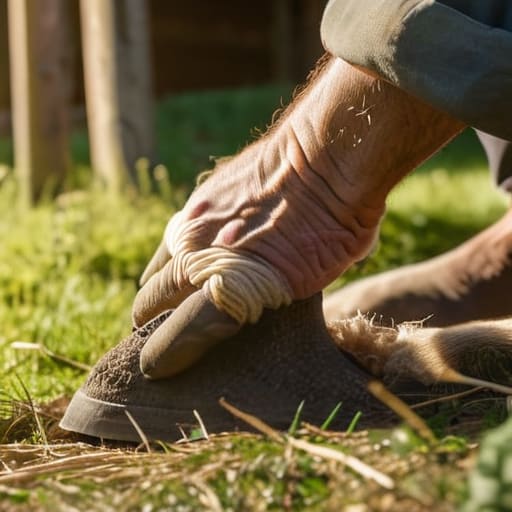
I’ve spent half my life listening to salesmen in clean boots tell me that the secret to a profitable flock is some new, high-tech copper spray or a fancy chemical footbath that costs more per litre than my diesel. They make it sound like a science experiment, but if you ask me how to manage foot health in sheep, the answer isn’t found in a glossy brochure; it’s found in the mud and the drainage. I remember back in ’98, after a particularly sodden spring, I watched a neighbor go bust trying to medicate his way out of a problem that was actually just bad ground and too much standing water. You can buy every bottle on the shelf, but if the environment is wrong, you’re just pouring money into a bog.
I’m not here to sell you a miracle cure or a complicated regime that requires a degree in chemistry. What I want to do is talk about the actual cost of neglect and the practical, blunt-force methods that keep a sheep moving and a bank account from draining. We’re going to look at what really works when the weather turns sour, focusing on the things that actually impact your bottom line.
Table of Contents
Understanding How to Manage Foot Health in Sheep
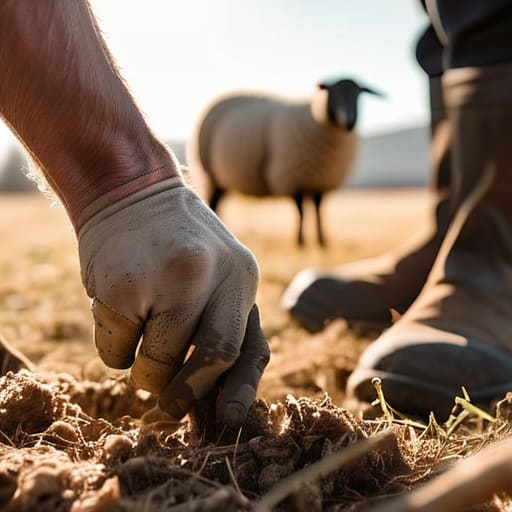
You don’t need a degree in veterinary science to see a problem, but you do need to be willing to get your hands dirty. Most lads I know wait until they see a sheep lagging behind the rest of the flock before they even consider a look. By then, you’re not managing; you’re just chasing a crisis. A proper livestock hoof care routine isn’t about reacting to a limp; it’s about walking the boundaries when the ground is drying out and looking for the subtle signs before the animal starts bearing weight differently.
If you’re serious about it, you have to look at the environment as much as the animal. You can buy the best copper sulphate in the world, but if your pasture management for sheep feet is non-existent—meaning you’re running them on sodden, poached ground for three weeks straight—you’re just throwing money into a bog. It’s a cycle: wet ground leads to soft tissue, soft tissue invites the bacteria, and the bacteria ruins your margins. It’s that simple. You either control the damp or the damp controls your bank balance.
Key Things to Know
First off, don’t go thinking a bit of copper sulphate in a footbath is a magic bullet. I’ve seen plenty of men spend a fortune on fancy footbaths only to realize they haven’t looked at their drainage in five years. If your ground stays sodden, you aren’t managing anything; you’re just giving the bacteria a warm, wet place to thrive. Real pasture management for sheep feet starts with the soil and the slope, not the pharmacy shelf. If the feet are constantly sitting in muck, you’ve already lost the battle before you’ve even picked up the shears.
You also need to be honest about your own skills. I’ve spent years refining my sheep hoof trimming techniques, and I’ll tell you straight: if you’re hacking away at a hoof because you’re in a rush to get to lunch, you’re doing more harm than good. You aren’t just looking for a limp; you need to be identifying sheep lameness symptoms before the animal actually starts favoring a leg. By the time a ewe is truly lame, she’s already lost weight, she’s stressed, and your profit margin is already bleeding out.
Practical Tips and Steps
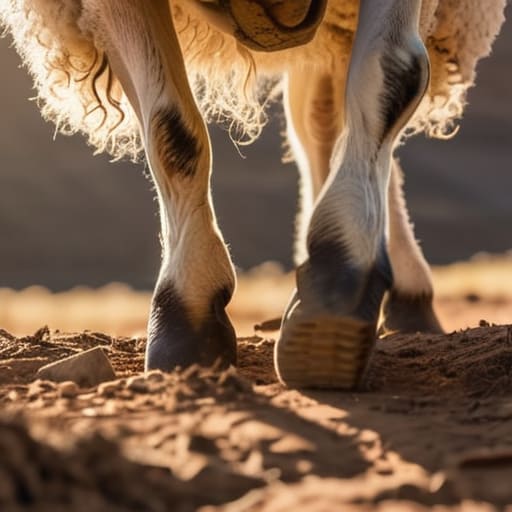
First, you need to stop looking at the sheep and start looking at the ground. You can have the best genetics in the county, but if you’re running them on wet, poached ground without a plan for pasture management for sheep feet, you’re just inviting trouble. I’ve learned the hard way that a dry field is your first line of defense. If the ground stays sodden, the bacteria will find a way in, and once they do, you’re playing a very expensive game of catch-up.
When it comes to the actual work, don’t wait for a limp to start your livestock hoof care routine. By the time a sheep is actually favoring a leg, the damage to your margins is already done. I set aside time every season to check the flock, looking for the subtle signs before they become a crisis. It’s about being proactive with your sheep hoof trimming techniques rather than reactive when the whole pen is hobbling. It’s tedious, and it’s not glamorous, but it’s the only way to keep the vet bills from swallowing your profit.
Common Mistakes to Avoid
The biggest mistake I see is treating foot health like a fire drill—you only bother when someone is actually limping. If you’re waiting until you see a sheep head-tilted and favoring a leg, you’ve already lost the battle. By then, you aren’t just dealing with a sore foot; you’re dealing with a spread of infection that’s likely already moved through the rest of the flock. A proper livestock hoof care routine isn’t something you do when things look bad; it’s something you do when everything looks fine, specifically to ensure it stays that way.
Another trap is the “quick fix” mentality. I’ve seen plenty of lads think a bit of antibiotic treatment for sheep hooves is a magic wand that replaces good husbandry. It isn’t. You can spray all the chemicals you want, but if you haven’t looked at your drainage or how much muck is sitting in the bottom of those troughs, you’re just pouring money into a sieve. You can’t medicate your way out of poor ground or bad weather.
Final Thoughts
At the end of the day, you can buy the most expensive supplements on the market and still go bust if you aren’t looking down. I’ve seen men spend a fortune on high-protein pellets while their best ewes are limping through a muddy corner because they couldn’t be bothered with a proper livestock hoof care routine. It’s a mistake that costs more than any bad market year ever could. If you aren’t watching the ground and the weather, you aren’t really farming; you’re just hoping for the best, and hope is a poor substitute for a sharp blade and a keen eye.
Don’t wait for a crisis to start paying attention. By the time you’re scrambling for an antibiotic treatment for sheep hooves, the damage to your margins is already done. It’s about the small, boring things—keeping the drainage right, keeping the feet clean, and being consistent. If you get the basics of pasture management for sheep feet sorted alongside your breeding records, the rest of the business tends to follow suit. It isn’t glamorous, but it’s how you stay in the black.
Five things that actually matter when you’re looking at a hoof
- Stop looking at the sheep and start looking at the ground. If your pasture is a boggy mess of poached soil and standing water, no amount of copper sulphate or fancy foot baths will save you. You can’t out-medicate a wet field; you can only manage the drainage and the stocking density until the ground dries out.
- Get your eyes off the wool and onto the feet. I’ve seen men spend a fortune on high-protein concentrates to boost lamb growth, only to watch that extra weight go to waste because the lambs are too lame to move and graze properly. A sheep that won’t walk is a sheep that isn’t eating, and a sheep that isn’t eating is a liability.
- Don’t wait for the limp. If you’re only checking feet when a sheep is already holding its leg up, you’ve already lost the money. You need to be catching the scald and the early-stage digital dermatitis before they turn into a full-blown outbreak that requires half the flock to be treated.
- Buy the right kit once, instead of the cheap kit thrice. I’ve seen plenty of lads buy the flimsy, plastic trimming tools that snap the moment they hit a hard hoof. It’s a waste of time and a waste of money. Get a decent set of blades and learn how to use them properly; your hands and your bank balance will thank you.
- Keep your records as tight as your fences. If you notice a particular ewe is always coming back with a bad foot, don’t just treat her and move on. Mark her down. Some animals are just genetically prone to trouble, and eventually, you have to decide if the cost of treating her every season is worth more than the price she brings at market.
The Bottom Line on Foot Health
Stop looking for a magic spray or a new supplement; if your ground is a bog and your drainage is non-existent, you’re just pouring money into a hole that’ll never fill.
Treat lameness as a financial leak rather than a medical problem, because by the time a sheep is visibly limping, you’ve already lost the profit from that animal’s season.
Don’t buy into the fancy kit advertised in the glossy magazines until you’ve mastered the basics of regular, unsentimental inspection and keeping your pens dry.
The Bottom Line on the Hoof
At the end of the day, managing foot health isn’t about some fancy new chemical spray or a piece of kit you saw in a glossy brochure. It’s about the basics: keeping an eye on the ground, watching the weather, and actually walking the pens instead of just looking from the quad bike. You can spend a fortune on top-tier genetics and the best nutritional supplements on the market, but if your sheep are walking on rot, you are simply pouring money into a sieve. Keep your parasite control tight, watch your drainage, and don’t ignore a limp just because the sheep still looks like it’s eating. If the feet aren’t right, the rest of the operation is just a slow way to lose money.
I’ve seen enough seasons pass to know that the most successful farmers aren’t the ones with the most expensive gadgets, but the ones with the most discipline. It’s easy to get distracted by the politics of subsidies or the latest breed craze, but the real work happens in the muck and the rain, noticing the small things before they become big, expensive problems. Farming is a game of margins, and those margins are often found in the details most people find too tedious to bother with. Stick to the fundamentals, watch your cash flow, and remember that a healthy flock starts from the ground up.
Frequently Asked Questions
How do I work out if a single lame ewe is actually costing me more in lost weight gain than it's worth just to treat?
You have to stop looking at the cost of the bottle and start looking at the cost of the carcass. Take the price of a good ewe and subtract what you’ll get for a cull animal. If the cost of the vet, the drugs, and the time it takes you to chase her down is more than that margin, you’re just subsidising a loss. If she’s not gaining weight because she won’t graze, she’s a liability, not an asset.
When the ground is as wet as it's been this season, is there any point in trying to stick to a foot-trimming schedule, or am I just making it worse?
If you’re out there chasing a calendar while the fields are turning into a bog, you’re likely just stirring up the very bacteria that cause the trouble. I’ve seen it myself—trying to force a schedule in a wet season just ends up trampling the grass and driving those feet deeper into the muck. If the ground is saturated, stop the routine trimming. Focus on getting them off the wettest ground and onto better footing instead.
Which of these new foot-care products are actually worth the money, and which ones are just clever marketing for something I could do with a sharp knife and a bit of common sense?
Look, I’ve been sold enough fancy sprays and “revolutionary” foot baths to last three lifetimes. Most of those expensive aerosols are just scented water designed to make you feel like you’re doing something when you aren’t. If it doesn’t address the moisture in the ground or the cleanliness of your handling pens, it’s a waste of cash. Give me a sharp knife, a clean floor, and a keen eye every single time.
