
If you listen to the lads in the shiny suits at the livestock auctions or the glossy brochures from the big ag-tech firms, they’ll tell you that preventing infection is all about high-tech testing kits and expensive, preventative chemical regimes. They make it sound like a science experiment you can solve with a credit card. But let me tell you, after forty years of watching what actually happens when a bad animal hits a clean field, I can tell you that’s nonsense. Real biosecurity isn’t found in a lab report; it’s found in your eyes and your gut. If you want to learn how to buy stock without buying disease, you need to stop looking at the pedigree papers and start looking at the way a beast carries itself and the history of the ground it stood on.
I’m not here to sell you a new brand of disinfectant or a subscription to some fancy diagnostic service. I’m going to tell you what I’ve learned from the mistakes that cost me a year’s profit and the close calls that kept me awake at night. We’re going to talk about the red flags that no test can catch, the questions you need to ask a seller before you even step out of the truck, and why the cheapest animal in the ring is often the most expensive one you’ll ever own.
Table of Contents
Understanding How to Buy Stock Without Buying Disease
You can’t just walk into a sale and trust a sticker on a nose tag. I’ve spent forty years watching men get blinded by a shiny pedigree, only to realize they’ve bought a walking vet bill and a mountain of debt. If you want to avoid bringing a wreck into your system, you have to look past the animal and look at the history of the place it came from. If a seller is being tight-lipped about their recent testing or the movement of their stock, they aren’t being private; they’re being careful.
It’s a bit like those city types talking about socially responsible investing or screening stocks for ethical concerns; they’re looking for the rot underneath the surface before they commit their capital. In my world, that “rot” is a subclinical case of BVD or a trace of Johne’s that hasn’t quite shown its face yet. You aren’t just buying a beast; you are buying the biological risks that come with it. If you aren’t checking the ground they stood on and the paperwork they carry, you aren’t buying stock—you’re gambling with your margins.
Key Things to Know
First, you have to stop looking at the animal in isolation and start looking at the system it came from. If a seller is pushing a deal that seems too good to be true, they aren’t just selling you a beast; they’re selling you their problems. I’ve seen plenty of lads try to apply something akin to screening stocks for ethical concerns when they’re looking at a supplier’s history, but in this business, you don’t look at a spreadsheet—you look at the muck and the movement. If the farm looks like a graveyard of broken fences and neglected drainage, you can bet your last pound that the health records are just as neglected.
Secondly, don’t get distracted by the pedigree papers or the fancy sales catalogue. A certificate won’t stop a respiratory outbreak or a parasite load that’ll gut your margins by mid-summer. You need to be as disciplined as someone practicing socially responsible investing, but instead of looking at carbon footprints, you’re looking at the biosecurity protocols and the history of the bloodline. If they can’t tell you exactly where that animal has been for the last six months, walk away. A cheap animal with a hidden history is the most expensive mistake you’ll ever make.
Practical Tips and Steps
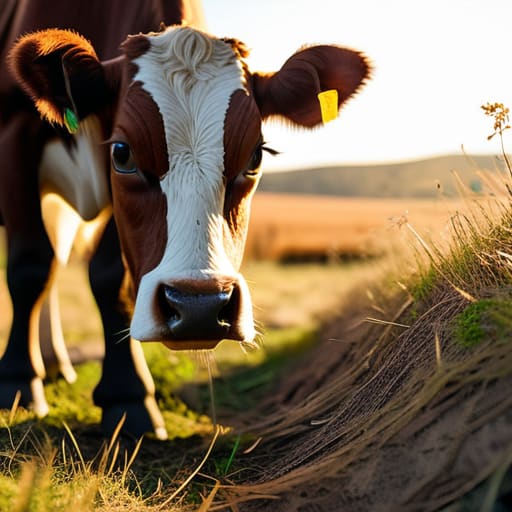
First, stop relying on a seller’s word and start looking at the animal’s history where it actually lives. If you’re buying a replacement heifer, don’t just look at her frame; look at the ground she’s been standing on. I’ve learned the hard way that a beast can look like a prize winner in a clean yard, but if she’s come from a system that ignores basic biosecurity, you’ve just invited a Trojan horse into your sheds. You need to treat your selection process like screening stocks for ethical concerns in a financial portfolio—you aren’t just looking at the immediate payout, you’re looking at the hidden liabilities that will bleed you dry in six months.
Secondly, never skip the physical inspection of the feet and the coat. A shiny coat can hide a multitude of internal parasites, and a slight limp is often the first sign of something much more expensive. I’ve seen men try to justify a “bargain” price by ignoring a dull eye or a patchy hide, thinking they can fix it with a quick course of meds. That’s a fool’s errand. Real value is found in the animals that don’t require constant intervention. If you can’t see the history of the animal’s health in her condition, walk away.
Common Mistakes to Avoid
The biggest mistake I see is the man who thinks a clean mouth and a bright eye are enough to clear a beast for purchase. He’s looking at the animal, but he isn’t looking at the history. I’ve seen plenty of lads get caught out because they didn’t ask to see the movement records or the recent testing history. They treat a livestock purchase like a quick transaction rather than a long-term commitment. If you aren’t looking at the paperwork behind the animal, you aren’t buying stock; you’re gambling with your livelihood.
Then there’s the temptation to chase the “fancy” looking animal that’s been polished up for the sale ring. It’s a lot like how people talk about ethical investing strategies in the city—they want the shiny, high-performing asset without looking at the underlying rot. In this yard, that rot shows up as a subclinical infection that’ll sit in your herd for three years before you even notice it. Don’t get blinded by a pedigree or a bit of show-ring conditioning; if the seller is dodging questions about the previous farm’s biosecurity, walk away immediately.
Final Thoughts
At the end of the day, you aren’t just buying an animal; you’re buying the history of every field it’s stood in and every hand that’s touched it. I’ve learned the hard way that a clean looking beast can still carry a hidden legacy of trouble. If you try to shortcut the process to save a few quid on the purchase price, you’ll find yourself paying ten times that back in vet bills and lost weaning weights. It’s a bit like those folks talking about screening stocks for ethical concerns in the city; they’re looking for the rot beneath the surface, and in this business, the rot is usually biological.
Don’t let the excitement of a new addition cloud your judgment. Keep your eyes on the ground, your nose in the records, and your hands off your wallet until you’re certain. Success in this trade isn’t about the flashiest sale at the mart; it’s about protecting your margins by being the most cynical man in the yard. If it feels off, it usually is. Trust your gut, check the feet, and remember that cash flow is king, but a sick herd will bleed you dry faster than any drought.
Five ways to keep the rot out of your gates
- Stop looking at the animal and start looking at the yard. A man can show you a beast that looks like a champion, but if you look at the footing in his shed and see standing water and filth, you’re looking at a walking infection. If the environment is poor, the animal is a carrier, no matter how much he shines in the sunlight.
- Don’t trust a ‘clean’ blood test just because the seller handed you a piece of paper. I’ve seen enough lads take a clipboard at face value only to find out the testing was done on a different group or, worse, half a year out of date. If you aren’t seeing the results with your own eyes, assume the paperwork is just a way to move the liability from his books to yours.
- Watch the way they move, not just how they stand. A salesman will have them standing on a slope or a fresh bit of bedding to hide a limp, but you need to see them walk on level ground. If there’s a hitch in the gait or a heaviness in the step, walk away. Lameness is often the first sign of something much more expensive lurking under the skin.
- Never buy a beast that’s been “treated” right before the sale. I’ve seen it time and again—a farmer knows he’s got a problem, so he pumps the stock full of antibiotics to mask the symptoms just long enough to get them off his land. If the animal looks suspiciously “bright” after a bout of nothing, or if the seller is being overly defensive about recent med use, keep your money in your pocket.
- Check the neighbors, not just the seller. If you’re buying from a man three miles down the road, ask the folks on either side of him how his stock is doing. People in this business talk, and they’ll tell you if a man’s been struggling with BVD or scab long before the official inspectors ever show up. A bit of local gossip is worth more than any glossy brochure.
The Bottom Line Before You Sign the Check
Don’t let a fancy pedigree or a salesman’s grin blind you; if you can’t see the animal’s history in its feet and its coat, you’re just buying a walking vet bill.
Disease isn’t just about what you see in the yard, it’s about the quiet costs—the missed weaning weights and the wasted grass that eat your margin long after the animal arrives.
If you haven’t checked the ground they came from and the weather they’ve endured, you don’t actually know the stock you’re bidding on.
The Bottom Line
At the end of the day, buying stock isn’t about finding the prettiest animal in the yard or the one with the most impressive pedigree on a piece of paper. It’s about the discipline of looking at the actual condition of the beast, questioning the history of the farm you’re buying from, and having the sense to walk away when something doesn’t sit right in your gut. You can check the papers and the test results all you like, but if the animal looks hollow or the seller is too eager to move them on, you aren’t buying an asset; you’re buying a ticking time bomb for your biosecurity and your bank balance.
I’ve spent forty years watching men lose sleep and hard-earned capital because they let their guard down for one afternoon at a sale. Farming is hard enough without inviting trouble through your own front gate. If you take nothing else from this, let it be this: treat every new animal as a potential threat until they’ve proven otherwise through quarantine and observation. It might feel slow, and it might feel frustrating when the neighbors are moving faster than you, but patience is the cheapest insurance you will ever buy. Stick to your systems, watch your grass, and don’t let a bit of excitement blind you to the reality of the risk.
Frequently Asked Questions
If the paperwork looks straight and the vet's cert is signed, how do I spot the animal that’s actually carrying something the tests missed?
Paperwork is just ink on a page, and a vet’s signature won’t stop a parasite or a slow-burning virus. You have to use your own eyes. Look at the condition—not the “gloss” a salesman sprays on, but the actual depth of the flank and the brightness in the eye. Watch how they move through the gate; a slight hesitation or a lack of drive tells you more than a certificate ever will.
Is it worth paying the premium for a strictly closed herd, or am I just paying for a bit of peace of mind that won't hold up when the neighbors' stock comes in?
You’re paying for a bit of peace of mind, certainly, but don’t mistake a certificate for a fortress. A closed herd is a fine hedge against what you bring in yourself, but it won’t stop a neighbor’s rogue bull or a rogue movement from the auction mart. If you can afford the premium, do it—but don’t let the paperwork make you lazy. You still need to watch the gates and the feet.
How do I balance the need to bring in fresh blood to fix my breeding lines without turning my whole farm into a petri dish for the next outbreak?
You don’t fix a line by inviting the whole world into your yard. It’s a balance of isolation and patience. Bring the new stock in, but they stay in the holding pen or a far paddock for three weeks, minimum. I don’t care how much the pedigree costs; if they haven’t been watched for a cough or a limp in twenty-one days, they aren’t joining the herd. Quarantine isn’t a suggestion; it’s your insurance.
