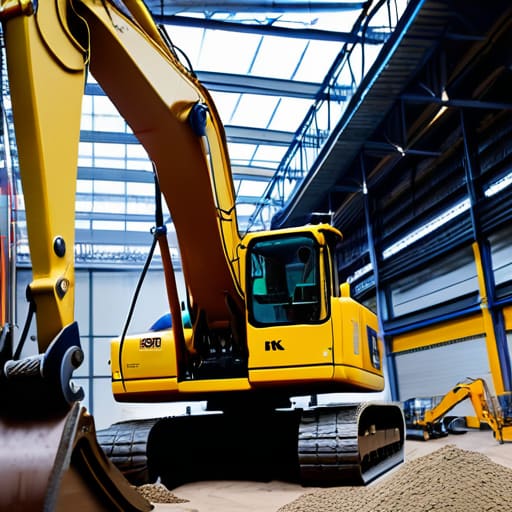
I remember standing in the yard back in ’98, watching a salesman in a clean fleece try to explain why a specific piece of tech was the “future of efficiency” while my bank balance was looking more like a temperature in mid-winter. He had a brochure for everything, but he didn’t have a clue about the reality of working a wet hillside in February. Most of the advice you get nowadays on how to decide on machinery is just a thinly veiled attempt to move stock, filled with jargon that sounds grand until you actually try to use it when the ground is heavy and the clock is ticking.
I’m not here to sell you a dream or a shiny new badge; I’m here to talk about what actually works when the weather turns foul. I’ve spent forty years making the kind of expensive mistakes that keep you awake at night, and I’ve learned that the best kit isn’t the one with the most buttons, but the one that doesn’t break your cash flow. In this, I’ll give you the straight truth on how to separate the essential tools from the expensive clutter that’ll just sit in the shed gathering dust.
Table of Contents
- Stop Chasing Shiny Objects How to Decide on Machinery
- The Silent Profit Killer Calculating Your Equipment Utilization Rates
- Ownership vs Renting the Real Machinery Leasing vs Buying Math
- Dont Ignore the Hidden Costs of Total Cost of Ownership Analysis
- Capital Expenditure vs Operating Expense Avoiding the Money Pit
- Five Ways to Keep Your Bank Manager Happy and Your Shed Useful
- The Bottom Line Before You Sign the Check
- The Bottom Line
- Frequently Asked Questions
Stop Chasing Shiny Objects How to Decide on Machinery
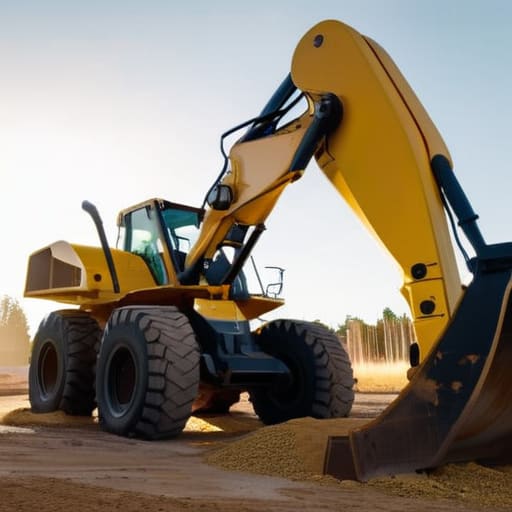
The salesman will tell you that this new telehandler is the key to your future, but he’s not the one who has to balance the books come January. Before you sign anything, you need to look past the spec sheet and focus on your actual equipment utilization rates. I’ve seen too many lads buy a high-spec machine because it looks good in the yard, only to find it spends twenty-two months of the year gathering dust and rust. If that machine isn’t working for you at least three days a week, you aren’t investing; you’re just subsidising a manufacturer’s profit margin.
You also need to get honest about the total cost of ownership analysis before the money leaves your account. It’s never just the sticker price; it’s the diesel, the specialized technician who charges a premium to travel out to your gate, and the inevitable parts that break when the warranty expires. Sometimes, looking at machinery leasing vs buying is the smarter play for specialized kit. It keeps your capital liquid and prevents you from being stuck with a depreciating heap of iron when the market turns sour.
The Silent Profit Killer Calculating Your Equipment Utilization Rates
Most folk look at a new piece of kit and see the sticker price, but they never look at the calendar. I’ve seen too many lads pull a massive loan for a telehandler only to realize it spends three hundred days a year gathering dust and rust. You need to look at your equipment utilization rates with a cold eye. If that machine isn’t working for you at least twenty days a month, you aren’t buying a tool; you’re buying a very expensive, very large paperweight that’s slowly eating your profit.
Before you sign anything, you have to sit down with a pencil and do a proper total cost of ownership analysis. It isn’t just the monthly repayment; it’s the diesel, the insurance, the specialized service intervals, and the inevitable way the value drops the moment you drive it off the forecourt. I’ve learned the hard way that sometimes machinery leasing vs buying isn’t just a financial preference—it’s the difference between having a working farm and having a graveyard of depreciating assets. If the math doesn’t work on paper, it won’t work in the field.
Ownership vs Renting the Real Machinery Leasing vs Buying Math
Now, you’ll hear plenty of talk about the tax benefits of machinery leasing vs buying, usually from someone in a suit who’s never had to fix a hydraulic leak in a freezing rainstorm. Don’t let them confuse you with fancy spreadsheets. The real question isn’t about what looks good on a year-end balance sheet; it’s about whether that machine is going to be a tool or a tether. If you’re looking at a piece of kit that you only need for three weeks of the year, you’re better off renting it and keeping your cash where it belongs—in the bank or in the ground.
When you own, you aren’t just paying for the iron; you’re taking on the total cost of ownership analysis whether you like it or not. That means the maintenance, the specialized tools, and those nasty machinery depreciation rates that start eating your equity the moment you drive it off the yard. I’ve seen too many lads tie up all their liquidity in a high-spec telehandler just to have it sit idle through the winter. If the math doesn’t show a clear path to paying for itself through increased efficiency, renting is often the smarter play to protect your cash flow.
Dont Ignore the Hidden Costs of Total Cost of Ownership Analysis
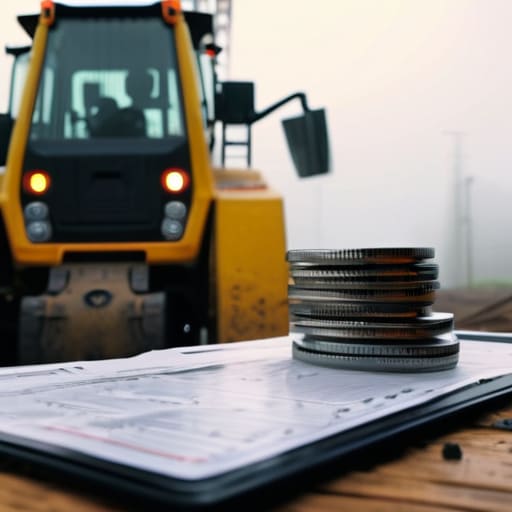
Most people look at a price tag on a new telehandler and think they’ve seen the whole picture. They haven’t. You’re not just paying the dealer; you’re paying for the interest, the specialized mechanic who charges a week’s wages just to show up, and the inevitable parts that break when the weather turns foul. When you run a total cost of ownership analysis, you have to look past the sticker price and account for the “invisible” drain on your bank account. If you don’t factor in the cost of your own time spent fixing it or the specialized fuel it gulps, you aren’t calculating a cost—you’re just guessing.
Then there is the matter of machinery depreciation rates, which most youngsters treat like a theoretical concept rather than a cold, hard reality. That machine starts losing value the moment the tires hit your yard, and it doesn’t stop until you’ve squeezed every ounce of utility out of it. I’ve seen too many men mistake capital expenditure vs operating expense; they treat a massive upfront purchase like a one-time event, forgetting that the ongoing maintenance and the loss in resale value are what actually dictate whether that kit is a tool or a liability.
Capital Expenditure vs Operating Expense Avoiding the Money Pit
Now, here is where most people trip over their own feet. They look at a piece of kit and see one big number on a bank loan application, but they forget that the money doesn’t stop moving once the cheque clears. You have to weigh up your capital expenditure vs operating expense with a cold eye. If you sink all your liquidity into a new telehandler, you might find yourself staring at a dry well when the silage season hits and the diesel prices jump. It’s easy to get caught up in the pride of ownership, but pride doesn’t pay the vet bill or the feed merchant.
You need to look at how that machine actually eats your cash day-to-day. A massive upfront investment might look tidy on a balance sheet, but the ongoing maintenance, insurance, and fuel are the things that actually bleed you dry over a long winter. I’ve seen too many lads go bust because they focused on the monthly loan repayment and ignored the reality of the running costs. If you can’t forecast the daily cost of turning that engine over, you aren’t buying a tool; you’re buying a liability.
Five Ways to Keep Your Bank Manager Happy and Your Shed Useful
- Look at your calendar, not your neighbor’s yard. If that piece of kit only serves you for three weeks a year, you aren’t “investing in efficiency,” you’re just buying a very large, very expensive paperweight that’ll collect dust and rust while your cash flow dries up.
- Calculate the “failure cost” before you sign the check. It’s easy to price the machine, but have you priced the cost of it breaking down mid-harvest when you’re already behind? If you can’t afford the repair bill or the downtime, you can’t afford the machine.
- Demand the truth about maintenance, not the brochure version. Ask the dealer how many times that specific model has been back in the workshop for the same fault in the last twelve months. If they start stuttering, walk away; I’ve spent too many nights in a cold shed waiting on parts that never arrived.
- Check the ground before you check the horsepower. A massive, high-spec machine is useless if it’s too heavy for your wettest fields in April. There is no point in having the most powerful tractor in the county if you’re spending all your profit compacting your soil into concrete.
- Buy for the farm you have, not the farm you wish you had. It’s tempting to scale up based on a “growth plan” that looks great on paper, but until that extra acreage is actually under contract and producing, keep your capital in the bank and your machinery sized to the work you’re actually doing today.
The Bottom Line Before You Sign the Check
If that piece of kit doesn’t have a clear, documented job that pays for itself in more than just pride, leave it on the dealer’s lot.
Stop looking at the sticker price and start looking at the maintenance, the diesel, and the interest; it’s the running costs that actually bleed a farm dry.
Before you commit to owning, ask yourself if you’re buying a tool or just buying a permanent new resident for your shed that’ll be gathering dust by November.
The Bottom Line
At the end of the day, deciding on a piece of kit isn’t about what your neighbour is running or what looks good in a showroom catalogue. It’s about whether that machine earns its keep through actual hours in the field or if it’s just going to be a heavy, rusting anchor on your balance sheet. You have to look past the shiny paint and weigh the true cost of ownership against your actual utilization. If you haven’t crunched the numbers on the maintenance, the depreciation, and the way it affects your cash flow during the lean months, then you aren’t making a business decision; you’re just making a gamble.
I’ve spent forty years watching men go bust because they bought a solution for a problem they didn’t actually have. Farming is hard enough without intentionally sabotaging your margins with unnecessary debt. My advice is simple: keep your eye on the grass, your boots on the ground, and your bank balance in the black. The best piece of machinery isn’t the most advanced one on the market; it’s the one that does exactly what you need it to do without leaving you staring at an empty wallet when the lambing season hits.
Frequently Asked Questions
Is it better to buy a second-hand machine with a known history, or go for the new one with the warranty even if the monthly payment is eye-watering?
It depends entirely on whether you’re buying a tool or a job. If you can get a second-hand machine with a service history that actually makes sense, take it. A warranty is fine, but it won’t fix a broken spirit when that eye-watering monthly payment comes due during a dry spell. Only go new if the machine is the literal heartbeat of your operation; otherwise, you’re just working for the dealership.
At what point does it actually become cheaper to hire a contractor than to try and justify the cost of owning the kit myself?
You look at the math when the machine’s hours per year drop below the point where it pays for its own depreciation and the interest on the loan. If you’re only using a telehandler for three weeks of haymaking and a bit of muck spreading, you’re just subsidizing a manufacturer’s holiday. If the cost of the contractor plus the fuel and your own time is less than the monthly finance note and the inevitable repair bill, hire the man.
How much of a buffer should I be keeping in the cash flow to cover the repairs on old machinery when the parts are inevitably stuck in transit?
If you’re counting on a tight margin to get through the season, you’re already in trouble. I don’t look at a fixed number; I look at the calendar. If you’ve got a critical window—like calving or silage—you need enough liquid cash to cover a replacement rental plus the cost of a mechanic coming out at emergency rates. Aim for a buffer that covers three months of your highest-risk operating costs. If you can’t afford the downtime, you can’t afford the machine.
