
I spent half my life listening to salesmen in clean wellies explain that the only way to get decent grass growth was to keep the fertilizer spreader running until the bank called. They make it sound like a complex chemistry experiment, but most of that talk is just a way to justify a higher invoice. The truth about how clover fixes nitrogen isn’t found in a glossy brochure; it’s found in the soil under your boots. If you aren’t letting those little white flowers do the heavy lifting for your sward, you are essentially throwing money at fertilizer bags that should have stayed in your bank account.
I’m not here to give you a lecture on biology or a sales pitch for a new seed mix. I want to talk about what actually happens when you get the clover-to-grass ratio right in your field. I’ll show you the real-world impact on your margins, the mistakes I made when I tried to over-manage it, and why understanding the ground matters more than any chemical formula. We’re going to look at the hard numbers so you can stop feeding the fertilizer company and start feeding your livestock.
Table of Contents
Understanding How Clover Fixes Nitrogen

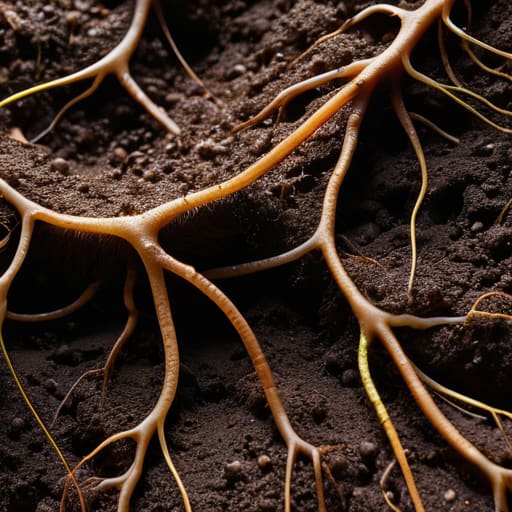
Now, I’m not a biology professor, but you don’t last forty years in a suckler herd without understanding the mechanics of what’s happening under your boots. It isn’t magic; it’s a partnership. Down in the soil, you’ve got a bit of a deal going on between the clover and certain Rhizobium bacteria. These tiny things live inside the little lumps you’ll see on the roots—what the textbooks call root nodules—and they do the one job we can’t do ourselves: they grab nitrogen from the air and turn it into something a plant can actually use.
It’s a tidy little system, really. While the rest of your grass is hungry and looking for a feed, the clover is busy with this atmospheric nitrogen conversion, essentially pulling free nutrients out of thin air. When that clover dies back or gets grazed, it leaves that nitrogen behind in the soil for the next crop. If you aren’t letting that legume nitrogen cycle do the heavy lifting in your sward, you’re essentially throwing money at fertilizer bags that should have stayed in your bank account.
Key Things to Know

Now, if you’re going to rely on this rather than a spreader, you need to understand that it isn’t magic; it’s a partnership. It all boils down to the Rhizobium bacteria symbiosis happening underground. Those little bumps you see on the roots—the nodules—are where the real work is done. The clover provides the sugar, and in exchange, the bacteria handle the heavy lifting of atmospheric nitrogen conversion. If your soil is too acidic or too compacted, those nodules won’t develop, and you’ll be left with a field of clover that looks fine but isn’t doing a lick of work for your grass.
You also have to keep an eye on the timing. It’s not enough to just throw seed down and hope for the best. To see a real soil fertility improvement, you need to manage how that nitrogen actually gets into the sward. If you let the clover get too woody or if it gets outcompeted by aggressive rye-grass, the cycle breaks. I’ve seen plenty of lads lose out because they treated clover like a decorative plant rather than a living nitrogen factory that needs the right conditions to actually pay its way.
Practical Tips and Steps
Now, don’t go thinking you can just scatter a bag of seed on a bare field and expect a miracle. If you want the legume nitrogen cycle to actually work for you, you have to treat it like an investment, not a gamble. Start by checking your soil pH; if it’s too acidic, that clover won’t do a lick of work, and you’ll be left with nothing but expensive weeds. You need to ensure the Rhizobium bacteria symbiosis takes hold, which means getting your inoculant right at sowing time. If those little microbes aren’t in the ground to shake hands with the roots, you’re just growing a fancy salad, not a fertilizer factory.
Once it’s established, the real trick is managing your grazing or your cut. If you graze it too hard or scalp it too early, you’ll kill the very plant that’s supposed to be doing the heavy lifting. You want to encourage those root nodules function to stay active by keeping a bit of leaf area on the plant. It’s about finding that balance where the clover feeds the grass without disappearing into the background. It’s not magic, it’s just biology—and if you manage it right, it’s money staying in your pocket.
Common Mistakes to Avoid
The biggest mistake I see is treating clover like it’s some kind of magic wand you just sprinkle on a dead field and forget about. People think they can just throw a handful of seed into a heavy ryegrass sward and wait for the bank to balance itself. It doesn’t work that way. If your grass is too thick, that clover seed won’t even touch the soil, let alone establish the Rhizobium bacteria symbiosis it needs to actually do its job. You can’t bypass the groundwork; if you don’t give it a window to get established, you’re just throwing expensive seed into the wind.
Another blunder is neglecting the soil chemistry before you even bother with the drill. If your pH is off, that clover will sit there looking pathetic, and you won’t get any meaningful atmospheric nitrogen conversion to show for it. I’ve seen plenty of lads try to save a few quid on lime, only to find their clover isn’t fixing a damn thing. You have to manage the environment if you want the biology to work for you, otherwise, you’re just paying for fancy weeds.
Final Thoughts
At the end of the day, don’t go looking for a magic wand in a bag of NPK. If you’ve done the work to get the clover established and you’ve managed the grazing so it doesn’t just disappear into the soil as thatch, you’re playing a different game entirely. You aren’t just growing grass; you are managing a legume nitrogen cycle that works while you’re sleeping. It’s about moving away from being a slave to the fertilizer salesman and moving toward a system that actually builds something in the ground rather than just stripping it bare.
I’ve seen too many lads try to skip the hard part—the establishment and the management—and then wonder why their soil looks like dust by July. You have to respect the Rhizobium bacteria symbiosis happening under the surface. It isn’t instant, and it isn’t easy, but once that cycle is humming, your margins will start to look a lot healthier. Stop chasing the quick fix and start focusing on building real soil fertility that lasts longer than a single season. It’s better for the cows, better for the ground, and most importantly, it’s better for your bank balance.
Five ways to stop wasting money on nitrogen bags
- Watch your phosphorus levels first. If your soil is starved of P, that clover isn’t going to bother fixing a single scrap of nitrogen, and you’ll be left staring at a patch of nothing while the fertilizer bill mounts.
- Don’t go overboard with the N-fertilizer. If you keep feeding the grass nitrogen, it’ll grow tall and thick and shade out the clover entirely, effectively strangling your free nitrogen source right out of the ground.
- Mind the grazing pressure. You can’t just let the sheep turn it into a dust bowl; if they’re eating the clover heads off before they can set seed, you’re losing the ability to replenish that nitrogen naturally next season.
- Check your lime levels. Clover likes a bit of a buffer, and if your soil is too acidic, the nitrogen fixation process slows to a crawl, meaning you’re paying for the seed but getting none of the biological benefits.
- Get the right mix for your ground. I’ve seen lads try to throw white clover into heavy, wet clay where it just sits and rots; you have to match the species to the actual drainage of your field, or you’re just throwing money into a bog.
The Bottom Line on Clover
Stop looking at clover as a “green improvement” and start seeing it as a nitrogen factory that pays you in avoided fertilizer bills.
You can’t just throw seed at a problem; if your ground is compacted or your drainage is rubbish, that clover won’t establish, and you’ll be out a few hundred quid for nothing.
The real profit isn’t in the nitrogen alone, it’s in the extra weight you put on a calf because the grass is actually worth eating.
The Bottom Line on Clover
At the end of the day, clover isn’t some magic trick or a way to get out of doing the hard work; it’s just a smarter way to manage your inputs. We’ve talked about the biology of how it pulls nitrogen from the air, but don’t let the science distract you from the math. If you get your sward right, manage your grazing so you aren’t scalping the clover, and keep an eye on those seed rates, you are effectively growing your own fertilizer. It comes down to a simple equation: less money spent on urea bags means more money left in the account when the mart prices inevitably dip. It is about protecting your margins by letting the biology do the heavy lifting that you’ve been paying a chemical company to do for decades.
I’ve spent forty years watching trends come and go, and I can tell you that the most successful farmers aren’t the ones with the biggest machinery or the newest gadgets; they are the ones who understand their ground. Transitioning to a clover-heavy system takes patience, and you might lose a bit of sleep while the soil adjusts, but it is a long-term play for your land’s health and your own solvency. Don’t try to chase a perfect field overnight. Just start small, watch your grass, and remember that a farm is a living thing, not a factory. Get the nitrogen right through the soil, and the rest of the pieces usually fall into place.
Frequently Asked Questions
If I mix clover into my existing ley, am I going to lose the grass I’ve already paid for?
If you’re just throwing seed onto a thick, established sward, then yes, you’re essentially flushing money down the drain. The clover won’t get the light it needs, and it’ll sit there dormant while your grass chokes it out. You can’t just “mix” it; you have to make room. Whether that’s a light harrowing or a proper renovation, you need seed-to-soil contact. Don’t expect a free lunch—you have to invest in the ground first.
How much can I actually cut back on my urea bags if the clover is doing its job properly?
If you’ve got a decent stand of white clover and you aren’t trampling it into the mud, you should be looking at a 30% to 50% reduction in your urea spend. But don’t go cutting the bags by half just because the field looks green. You need to watch the grass growth and the soil testing. If you cut the nitrogen too early before the clover is established, you’ll just end up with a patch of bare ground and a very empty wallet.
What happens to that nitrogen credit when the clover dies off or gets outcompeted by coarser grasses?
That’s the million-pound question, isn’t it? When the clover dies or gets smothered by rye, you don’t just lose the nitrogen—you lose the momentum. The nitrogen it “fixed” is still there in the soil, but once the clover’s gone, the tap is turned off. You’re left staring at a patch of coarse grass that’s hungry and a bank balance that’s lighter because you’re back to buying bags of urea to keep the head up.
