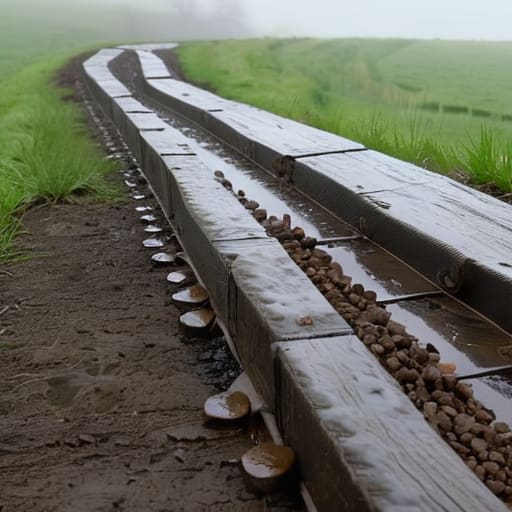
I spent three thousand pounds last autumn on a specialized drainage kit because a salesman in a clean fleece told me it was the only way to stop the north field from turning into a soup bowl. Six months later, the track is still a graveyard for tractor tyres, and that money is sitting at the bottom of a muddy hole where it’ll never do a lick of good. Most of the advice you get on how to maintain farm tracks is designed to separate a man from his cash, focusing on fancy surfacing or expensive machinery that’ll just sit in the shed once the novelty wears off. The truth is, if you don’t understand your ground and your rainfall first, you’re just throwing good money after bad.
I’m not here to sell you a dream of concrete-smooth lanes; I’m here to talk about what actually keeps a vehicle moving when the weather turns sour. I’m going to show you how to look at your topography, how to use a bit of cheap hardcore effectively, and most importantly, how to stop your tracks from bleeding your cash flow through broken axles and wasted diesel. This is about practical, seasonal maintenance that works for a real farm, not a brochure.
Table of Contents
Understanding How to Maintain Farm Tracks
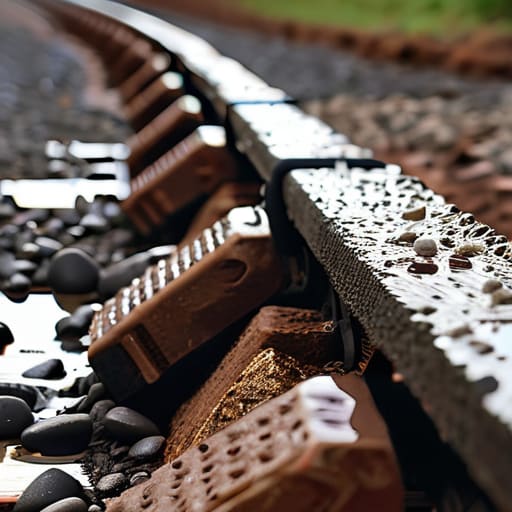
You can’t talk about tracks without talking about the water. I’ve seen men spend thousands on fancy stone only to watch it vanish into a slurry of mud the first time we had a wet April. The secret isn’t just throwing more grit at the problem; it’s about water runoff management. If you don’t give the rain a way to get off your track, it’ll find a way to get under it, turning your investment into a bog that’ll swallow a tractor axle whole.
It’s also about what you’re putting down. I’ve wasted a fair bit of money on soft, cheap stone that just disappeared into the subsoil. You need to understand your farm road gravel types; you want something with angular edges that lock together, not rounded river stones that slide around like marbles under a load. If you don’t get the foundation right, you’re just decorating a puddle. Most importantly, don’t skimp on the drainage. A well-placed culvert costs a few quid now, but it’s a hell of a lot cheaper than replacing a drive shaft or rebuilding a track that’s been washed out from underneath.
Key Things to Know
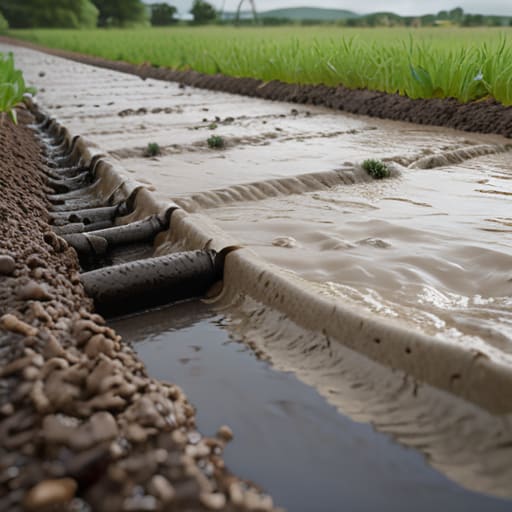
If you’re looking for a list of expensive gadgets to fix a bad track, you’ve come to the wrong place. The first thing you need to grasp is that a track isn’t just a path; it’s a drainage problem masquerading as a road. If you don’t get your water runoff management sorted, you aren’t building a track, you’re just building a very expensive canal that will eventually wash your topsoil straight into the bottom field. You can pour all the stone you want into a hollow, but if the water has nowhere to go, it’ll find its way under the surface and turn your investment into a slurry pit by next November.
Secondly, stop thinking about “fixing” the surface and start thinking about the foundation. Most of the lads I know go straight for the flashy, expensive crushed granite, but if you haven’t addressed soil compaction prevention by getting a proper sub-base down first, that fancy gravel will be gone in a single season. You need to understand your farm road gravel types—not because a salesman told you to, but because you need to know which ones actually lock together under the weight of a loaded slurry tanker rather than just rolling around like marbles under your tyres.
Practical Tips and Steps
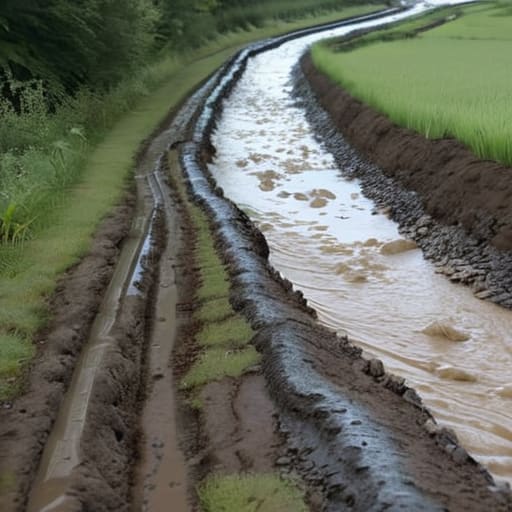
First thing you need to do is stop treating your tracks like they’re permanent fixtures of the landscape. They aren’t. If you see water pooling in the middle of a lane, you aren’t just looking at a puddle; you’re looking at the start of a washout. You need to get serious about water runoff management before the autumn rains turn your main access into a canal. I’ve spent more money than I care to admit digging out ruts that could have been avoided if I’d just spent a weekend clearing a ditch or checking a pipe. If the water has nowhere to go, it’s going to go through your track, and it’ll take your stone with it.
When it comes to the actual surfacing, don’t go buying the cheapest bag of grit the local merchant offers just to tick a box. You need to pick your farm road gravel types based on the weight you’re actually moving. If you’re running a tractor with a heavy slurry tanker or a forage trailer, you need angular stone that locks together, not rounded river pebbles that just slide around under pressure. If you don’t get the foundation right, you’re just throwing good money after bad every time the ground gets soft.
Common Mistakes to Avoid
The biggest mistake I see—and I’ve made it myself more than once—is treating a track like a permanent fixture rather than a living thing. People think if they throw a bit of cheap, dusty hardcore down during a dry spell, the job is done. But if you aren’t looking at water runoff management, you’re just building a future riverbed. I’ve watched men spend thousands on fancy machinery only to have it sink to the axles because they ignored the drainage. If the water doesn’t have a clear path to leave the track, it’ll find its way into your subsoil, and once you’ve got that level of soil compaction, you might as well be driving on concrete for all the grip you’ll get.
Another one is skimping on the right materials. I’ve seen lads try to save a few quid by using whatever rubbish was lying about the yard, but different farm road gravel types do very different things. If you use stone that’s too fine, it’ll just wash away with the first heavy rain, leaving you with nothing but a muddy trench and a broken suspension. Don’t be cheap when it comes to the foundation; it’s better to spend the money on decent aggregate now than to pay for it twice when the track disappears into the muck next winter.
Final Thoughts
At the end of the day, you aren’t just fixing a path; you’re protecting your ability to move stock and gear when the weather turns foul. I’ve seen too many men treat a track like an afterthought, only to realize they’ve spent a fortune on diesel and broken suspension because they ignored a bit of water runoff management. If the water isn’t moving where you want it to, it’s going to move your road instead.
Don’t go out and buy the most expensive farm road gravel types just because a salesman tells you they’re “engineered” for heavy loads. Most of that is marketing fluff. What you need is a solid foundation and a bit of common sense regarding drainage. If you get the basics right—the drainage, the compaction, and the slope—you won’t be fighting the land every time a tractor needs to get to the far field. It’s about protecting your margins by not letting the ground swallow your equipment. Get it right once, do it properly, and then get back to the business of actually making a living.
Five Ways to Stop Your Tracks From Eating Your Profits
- Stop chasing the mud with more diesel; if you’re constantly driving around a soft patch to avoid a bog, you’re burning money and compacting the ground so badly it’ll never drain again. Fix the drainage or move the track.
- Don’t wait for a tractor axle to snap before you look at your stone. A bit of hardcore spread when the ground is firm is a cheap insurance policy; waiting until you’re stuck up to the door in a spring deluge is just expensive madness.
- Watch your runoff. If your track is acting like a river every time we get a decent soaking, you aren’t maintaining a road, you’re building a canal that’s washing your good topsoil straight into the neighbor’s ditch.
- Keep an eye on the edges. I’ve seen too many men focus on the middle of the track while the sides are crumbling away into nothing; once those edges go, the whole width narrows and you’ll find yourself scraping your mirrors on every pass.
- Check the culverts before the rain does. A blocked pipe is a small thing to fix in July, but in November, it’s the difference between a working track and a pond that’s turned your field access into a liability.
The Bottom Line on Tracks
Stop looking at track maintenance as a luxury; if you aren’t spending a bit on stone and drainage now, you’ll be paying triple in broken suspension and wasted diesel when the winter sets in.
It isn’t just about the surface; if you don’t respect the ground and the way water moves across it, you’re just layering expensive gravel on top of a bog that’ll swallow it whole by February.
Don’t fall for the shiny new kit trap—a well-maintained, simple track is worth more to your cash flow than a fancy piece of machinery that ends up rusting in the shed because it was too much trouble to use properly.
The Bottom Line on Your Tracks
At the end of the day, a farm track isn’t just a bit of dirt you drive over; it’s a piece of infrastructure that either supports your operation or slowly drains your bank account. If you’ve listened to a word I’ve said, you’ll know that keeping on top of drainage, choosing the right hardcore, and not waiting for a tractor to sink up to its axles before you act is the difference between a working farm and a money pit. Don’t get distracted by fancy machinery that promises to fix everything in an afternoon. It always comes back to the basics: manage your water, watch your surface, and respect your margins. If you treat your tracks like an afterthought, they will eventually become your most expensive problem.
I’ve spent forty years watching men try to outrun a bad track with more diesel and bigger tyres, only to end up with a broken differential and a mounting pile of repair bills. It’s easy to look at a bit of standing water and think it’ll dry out by Tuesday, but nature doesn’t care about your schedule. Take the time to do it right the first time, even when the weather is against you and the paperwork is piling up. A well-maintained track is a quiet part of a successful farm—you won’t notice it working, but you’ll certainly feel the sting if it fails you when the weather turns and the cattle need moving.
Frequently Asked Questions
When is the right time to bring in the stone to avoid just pushing it straight into the muck and wasting the money?
If you wait until the ground is a soup of slurry and rain, you’re just throwing money into a hole. You’ll spend half your budget just trying to find where the stone went, only to have it disappear into the muck by next Tuesday. You bring the stone in when the ground is firm enough to carry the weight, but before the heavy weather sets in. Aim for that window when the grass is drying out—not when you’re fighting a losing battle against the mud.
How do I know if I'm overspending on hardcore for a track that's only going to be used by a single quad bike and a Land Rover?
You’re overspending if you’re treating a farm track like a driveway in a housing estate. If it’s just a quad and a Defender, you don’t need a thick layer of expensive, crushed granite to keep it pretty. You need a solid base and enough stone to stop the wheels from churning the soil into a slurry. If you’re buying more than a few loads of coarse, chunky hardcore to bridge the wet spots, you’re just throwing cash into a hole.
If I've got a particularly wet patch that refuses to drain no matter what I do, is it better to fix it or just reroute the track entirely?
Look, if you’re fighting a permanent bog, you’ve already lost. I’ve spent too many afternoons throwing hardcore into a hole only to watch the rain wash it straight through to the subsoil. If it’s a natural hollow and the rainfall is heavy, stop throwing good money after bad. Reroute the track. It’ll cost you a bit of time and a bit of diesel now, but it beats the endless cycle of broken axles and wasted stone.
