
I remember standing in the muck of the North field back in ’92, watching a man in a clean suit clipboard his way through my best ewes while I stood there wondering if he’d even noticed the drainage issues that were actually the problem. There’s a lot of nonsense out there suggesting that knowing how inspections are handled is all about having a pristine digital folder or a fancy management app that costs more than a good set of calving pens. Most of that is rubbish designed to sell you software you don’t need. In reality, an inspector isn’t looking for a high-tech spreadsheet; they’re looking at the condition of your gates, the state of your records, and whether you actually know your own stock.
I’m not here to give you a lecture on regulatory theory or how to tick boxes for the sake of a bureaucrat. What I’m going to do is tell you how it actually works when the boots hit your ground. I’ll share the mistakes I’ve made—the ones that cost me real money—and show you how to ensure that when someone comes knocking, you aren’t left staring at a gap in your paperwork while your cash flow takes the hit.
Table of Contents
- How Inspections Are Handled Without Bleeding Your Cash Flow Dry
- The Inspection Readiness Checklist Every Farmer Needs in Their Pocket
- Managing Inspector Interactions Without Losing Your Temper or Your Margin
- Regulatory Oversight Protocols Avoiding the Mistakes That Break the Bank
- Post Inspection Corrective Actions and Meeting Quality Assurance Standards
- Five Things I’ve Learned from Standing in a Muddy Field with an Inspector
- The Bottom Line on Staying Compliant
- The Long View on Inspections
- Frequently Asked Questions
How Inspections Are Handled Without Bleeding Your Cash Flow Dry

The trick isn’t in mastering every single line of the regulatory oversight protocols; it’s in knowing where the inspector is actually going to point their finger. Most people panic when they see a clipboard, but they should be panicking about their silage pit or a broken gate. If your fences are falling down and your medicine cupboard is a mess, no amount of tidy paperwork is going to stop them from flagging you. I’ve learned that managing inspector interactions is less about being a scholar and more about being prepared. If they ask a question, give them a straight answer—don’t ramble, and for heaven’s sake, don’t try to hide a problem that they’re going to find anyway.
I keep a simple inspection readiness checklist tucked in the back of my ledger. It isn’t fancy, but it covers the basics: records up to date, gates shut, and the stock looking healthy. If you spend your time chasing every minor administrative whim, you’ll lose sight of the real margins. You need to focus on the things that actually affect the farm’s viability, because once the inspector leaves, you’re still the one left paying for the fixes.
The Inspection Readiness Checklist Every Farmer Needs in Their Pocket
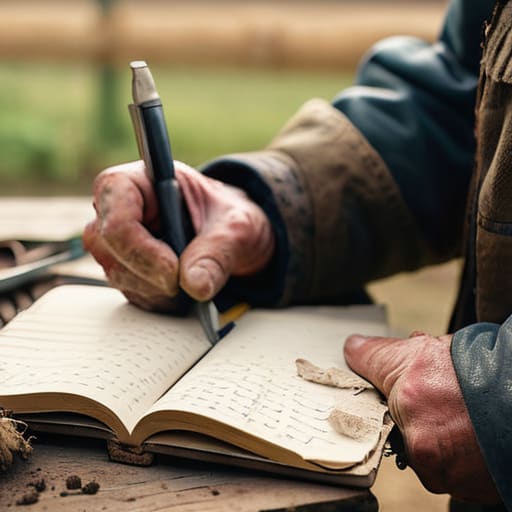
Now, I’m not one for fancy digital apps or those expensive consultancy binders that end up gathering dust in the back of the Land Rover. If you want an inspection readiness checklist that actually works, keep it to the things that affect the bottom line: the animals, the movement books, and the sheds. I keep a battered notebook in my jacket pocket. It’s not about being a perfectionist; it’s about ensuring that when an inspector arrives, you aren’t scrambling to find a birth record from three months ago while they’re standing there looking at a muddy, neglected pen.
You need to focus on the basics of your compliance audit procedures before they ever set foot on your gate. That means checking your medication logs against your stock movements and making sure your fences aren’t just “good enough,” but actually functional. If your records are a mess, you’re inviting them to look closer at everything else. I’ve learned the hard way that managing inspector interactions starts long before they knock; it starts with knowing your own numbers so well that they can’t find a gap in your story.
Managing Inspector Interactions Without Losing Your Temper or Your Margin

When an inspector pulls up the gate, your first instinct is to grit your teeth and wonder what they’ve come to find this time. I know that feeling well. But the trick to managing inspector interactions isn’t about being the most charming man in the county; it’s about being the most prepared. If you treat them like the enemy, they’ll spend the whole morning looking for a reason to be difficult. If you treat them like a professional checking a job, they tend to move through the compliance audit procedures with a lot more speed and a lot less scrutiny.
Don’t stand there hovering over their shoulder like a nervous hen. It makes you look like you’re hiding something, and it won’t stop them from finding the one thing you missed. Give them the space to do their work, but keep your eyes on the stock and the ground. If they point out a deficiency, don’t get defensive—just note it down. The real cost of an inspection isn’t the fine; it’s the time spent on post-inspection corrective actions that should have been handled months ago. Keep it professional, keep it brief, and get back to the work that actually pays the bills.
Regulatory Oversight Protocols Avoiding the Mistakes That Break the Bank
The problem with most regulatory oversight protocols is that they feel like they were written by someone who has never had to walk a muddy field in a gale. They focus on the high-level theory, but the reality is much more granular. You can have all the fancy software in the world, but if your records don’t match the actual number of head in the pen, you’re going to have a difficult afternoon. I’ve seen men lose their subsidy entitlements because they couldn’t prove a single movement of stock during a busy calving period. It isn’t about being a saint; it’s about having a paper trail that is as solid as the ground you’re standing on.
When you hit the stage of post-inspection corrective actions, don’t just tick a box to satisfy the auditor. That’s where the real money leaks out. If they find a fault in your fencing or a gap in your medicine logs, fix it properly the first time. Trying to patch over a mistake just to get the inspector out of your sight is a recipe for a much more expensive visit next year. You want to treat these visits as a way to tighten your own operation, not just a hurdle to jump over.
Post Inspection Corrective Actions and Meeting Quality Assurance Standards
Once the inspector has packed up his clipboard and driven off your yard, the real work begins. Most men make the mistake of thinking the job is done because the gate is closed. If they’ve flagged something—whether it’s a gap in your medicine records or a bit of slackness in your fencing—you need to treat those post-inspection corrective actions with more urgency than a sudden drop in grass growth. If you ignore a minor niggle today, it’ll be the very thing they use to hammer you during the next audit.
Don’t just patch things up to get them out of your hair; use the feedback to tighten your quality assurance standards. I’ve learned the hard way that if you’re constantly scrambling to fix the same three things, your system is broken, not just your luck. Take the time to sit down with your daughter or your manager, look at what was missed, and bake the fix into your daily routine. It’s about moving from being reactive to being prepared, ensuring that the next time they show up, you aren’t just meeting the bare minimum, but actually running a tight ship.
Five Things I’ve Learned from Standing in a Muddy Field with an Inspector
- Keep your records as clean as your calving pens. An inspector will find a gap in your medication logs faster than a fox finds a hole in a fence, and once they start doubting your paperwork, they’ll start doubting your stock.
- Don’t try to hide the “problem” corner of the paddock. If you’ve got a bit of ground that stays wet and turns the cattle’s feet to mush, own it. If you try to mask it with a bit of lime and a prayer, they’ll see right through you and make it a much larger issue.
- Treat the inspector like a difficult neighbour, not an enemy. If you go in defensive and snapping, they’ll spend the whole afternoon looking for reasons to write you up. If you’re straight with them about what’s working and what isn’t, you’ll usually get through with far less grief.
- Invest in the basics before the fancy tech. I’ve seen lads spend thousands on software that’s a nightmare to use, only to fail an inspection because they couldn’t produce a simple movement record. A sturdy notebook and a consistent system beat a glitchy tablet every single time.
- Know your margins so you can defend your decisions. If an inspector tells you your stocking density is too high, don’t just nod. Be ready to talk about the grass growth, the rainfall we’ve had, and why that specific number works for your ground. If you don’t know your own numbers, you’ve already lost the argument.
The Bottom Line on Staying Compliant
An inspector isn’t looking for a textbook answer; they’re looking to see if you actually know your own stock and if your sheds are fit for purpose, so keep your eyes on the ground and your records honest.
Don’t let a single missing piece of paperwork become a way for them to dig into your whole operation—keep the essentials tight so you can get back to the work that actually pays the bills.
Treat every visit as a chance to spot a problem before it costs you a margin, because fixing a broken gate or a muddy yard is a lot cheaper than explaining a fine to your bank manager.
The Long View on Inspections
At the end of the day, an inspection isn’t some grand academic exercise or a test of how well you can mimic a textbook; it is simply a snapshot of how you manage your grass, your stock, and your records. If you’ve kept your sheds tidy, your medicines tracked, and your movement books up to date, you aren’t just passing a test—you are protecting your cash flow from unnecessary hits. I’ve seen too many lads lose their shirts because they thought they could outrun the paperwork, only to find that a single missing signature on a batch movement is more expensive than a bad calving season. Don’t let the bureaucracy become the thing that breaks you; treat it as just another part of the daily grind, much like fixing a fence or checking a water trough.
Farming has always been a game of managing what you can’t control, from the rainfall to the price of beef, but you can always control the state of your own gates. An inspection shouldn’t feel like an ambush if you are living the standards you claim to follow every single morning. Build a system that works for your actual farm, not the one you think an inspector wants to see, and you’ll find that the stress disappears. Keep your head up, keep your records straight, and remember that the best defense against any regulator is a farm that is run with quiet, consistent competence.
Frequently Asked Questions
If the inspector finds a gap in my records from three years ago, are they going to come after me for the whole season's subsidy or just that specific entry?
Now, don’t go panicking and thinking the whole year is gone, but don’t be complacent either. Usually, they’ll aim for the specific error or the specific claim linked to that missing data. They aren’t in the business of bankrupting you for a single typo, but they will claw back what they can’t verify. If that gap makes your whole breeding record look suspect, they’ll dig deeper. Get it sorted and keep the paper trail tight.
How much of this "compliance" is actually about animal welfare versus just making sure my paperwork matches what’s sitting in the field?
It’s a bit of both, but let’s be honest: they’re looking for the mismatch. If your records say you treated a cow for mastitis on Tuesday, but I see her limping through the gate on Wednesday, you’ve got a problem. The welfare part is the foundation—if the stock is poor, the paperwork is usually a lie. They use the paper trail to catch the shortcuts people take when they’re trying to save a few pence.
When an inspector points out a fault in the shed or a boundary issue, do I have to fix it on the spot to avoid a fine, or is there some breathing room?
They aren’t going to make you grab a hammer and a roll of wire while they’re standing there. If they see a broken fence or a leaking trough, they’ll note it down. Most of the time, you’ll get a grace period to get it sorted—provided you show them you’ve actually got a plan to fix it. Just don’t try to bluff them; they’ve seen every trick in the book.
