
I’ve spent more money than I care to admit on fancy diagnostic kits and digital monitoring systems that promised to revolutionize the way we work. Most of that expensive kit is currently gathering dust in the shed, and frankly, it’s a waste of good cash flow. The truth is, you don’t need a sensor to tell you something is wrong; you need to actually look at what’s in front of you. Learning how to spot a sick animal early isn’t about reading a manual or waiting for a flashing red light on a smartphone; it’s about knowing the difference between a cow that’s just having a quiet afternoon and one that’s quietly bleeding you dry.
I’m not here to sell you a subscription or a new piece of hardware. I want to talk about the subtle shifts in a heifer’s gait, the way a ewe stands away from the rest, and that specific, heavy silence in a pen that tells you trouble is brewing. I’ll tell you what I’ve learned from forty years of watching the weather, the grass, and the livestock, focusing on the practical signs that actually matter when you’re out in the field. We’re going to talk about what keeps your margins intact and what keeps you from losing a calf before you even realize it’s in trouble.
Table of Contents
Understanding How to Spot a Sick Animal Early
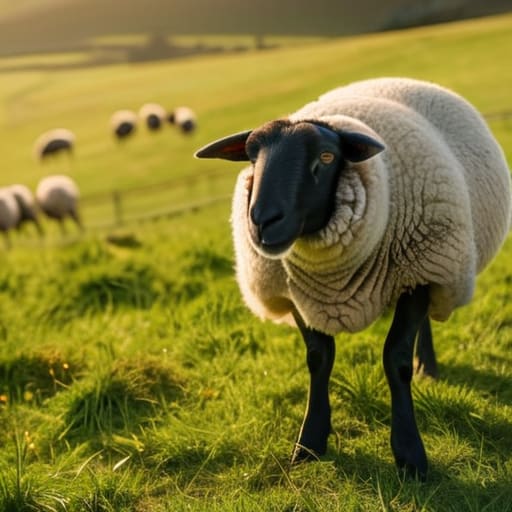
You don’t need a degree in pathology to see when something is off; you just need to actually look at the animals instead of looking at your phone. Most of the time, the trouble shows up in the animal body language changes long before the temperature spikes. A cow that isn’t head-up, or a ewe that’s lagging behind the rest of the flock when they move to water, is telling you she’s struggling. If they aren’t standing with that usual presence, they’re already costing you.
I’ve learned the hard way that you have to watch the rhythm of the field. Look for the subtle changes in appetite and thirst—if a good eater suddenly leaves a patch of clover untouched, or if they’re drinking twice what they usually do, something is brewing internally. It’s rarely a sudden collapse; it’s usually a slow slide. By the time you see a beast truly down in the mud, you’ve already lost the battle with your margins. You want to catch the decline while it’s still just a nuisance, not a catastrophe.
Key Things to Know
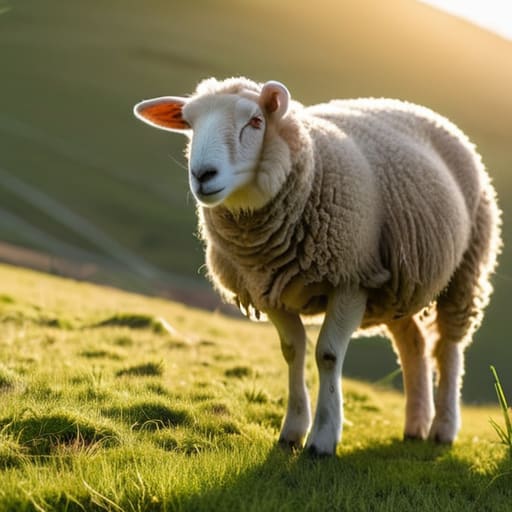
You don’t need a degree in pathology to know when something is wrong; you just need to pay attention to the rhythm of the yard. Most of the time, the first clue isn’t a fever or a cough, but a shift in the usual routine. I always tell my daughter to watch for changes in appetite and thirst first. If a ewe that usually clears a trough in five minutes is suddenly picking at the grass or, worse, standing there staring at it, you’ve already lost the morning. It’s rarely a sudden collapse; it’s a slow drift away from what’s normal.
Then there are the subtle animal body language changes that people tend to overlook because they’re too busy with the tractor. An animal that’s slightly more isolated, or perhaps a cow that isn’t carrying her head quite as high as she was yesterday, is telling you a story. You might think it’s just the weather, but if you see an abnormal stool or urine pattern alongside that slight drop in spirit, you aren’t looking at a moody animal—you’re looking at a mounting bill.
Practical Tips and Steps
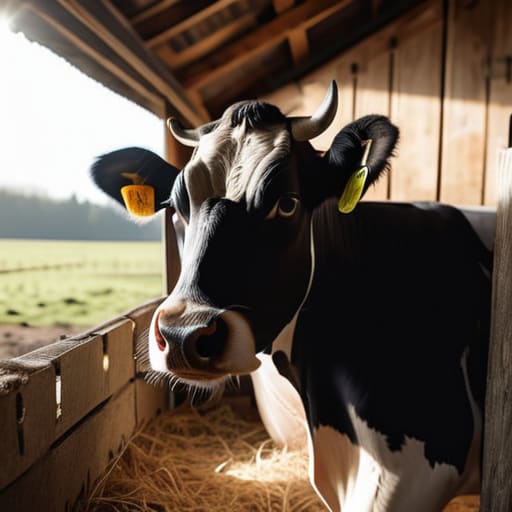
You can’t manage what you don’t measure, and you certainly can’t manage what you don’t see. I don’t care how much you’ve spent on fancy sensors or automated feeding systems; if you aren’t walking the pens, you’re flying blind. Start with a simple physical examination checklist every single morning. It shouldn’t take more than a few minutes per head, but you need to be looking for more than just “is it standing up.” Look at the eyes, the way the ears are set, and the depth of the breath. If a cow is standing apart from the rest of the herd, she’s already telling you something is wrong.
Keep a sharp eye on the water trough and the feed bunk. One of the first veterinary warning signs I ever learned to trust wasn’t a fever, but a sudden shift in how they interact with their resources. If you see changes in appetite and thirst—even a slight dip—don’t write it off as “just a dry spell.” A cow that stops scavenging for grass or ignores a fresh bale is a cow that is costing you money. By the time they actually go down, the profit margin on that animal has already evaporated.
Common Mistakes to Avoid
The biggest mistake I see is waiting for the “event”—that moment when a cow is flat on her side or a lamb is clearly dying. By then, you aren’t managing a farm; you’re managing a funeral, and funerals are expensive. People tend to look for the spectacular, like a fever or a limp, but they miss the quiet stuff. If you aren’t watching for subtle animal body language changes, like a ewe standing slightly apart from the flock or a cow that’s stopped grooming herself, you’re missing the window where a cheap fix becomes a total loss.
Another trap is trusting your gut over the actual data. I’ve seen many a lad walk through a field, decide everything “looks fine,” and head back to the yard, only to find three dead calves the next morning. You have to look for the specifics: changes in appetite and thirst or even just a slightly different way they’re chewing the cud. Don’t just glance; you need a mental physical examination checklist that you run through every single time you walk the perimeter. If you’re just looking for what’s broken, you’ll always be too late.
Final Thoughts
At the end of the day, you aren’t looking for a medical degree; you’re looking for a deviation from the norm. If you spend enough time in the yard, you’ll start to notice the small things—the way a heifer stands slightly apart from the rest, or those subtle animal body language changes that tell you something is off before the thermometer even moves. Don’t go looking for a crisis; just look for the absence of the usual. If the rhythm of the field feels broken, it usually is.
I’ve learned the hard way that by the time an animal is truly “sick” in the way most people think, your margins have already taken a hit. Whether it’s a sudden shift in changes in appetite and thirst or a cow that’s just looking a bit too quiet in the corner, those are your real indicators. Stop worrying about the fancy diagnostic tools for a moment and just watch the stock. If you can catch the problem while it’s still just a nuisance, you might actually keep your cash flow intact.
Five things I look for before I even reach for the gate latch
- Watch the way they move through the gate. It’s rarely a sudden limp; it’s usually a subtle shift in weight or a slight hesitation when they turn a corner. If a cow isn’t moving with the same rhythm as the rest of the herd, she’s already costing you money.
- Don’t just look at the animal; look at the trough. If the water is still full or the feed hasn’t been touched by the usual suspects, you don’t need a vet to tell you something is wrong. A lack of appetite is the first crack in your margins.
- Pay attention to the “odd one out” in the group. Animals are creatures of habit, and they like to stick together. If you see one standing off by itself, away from the shade or the social group, she’s likely trying to hide the fact that she’s struggling.
- Check the ears and the eyes. I’ve seen too many people look for a fever when they should have been looking for drooping ears or a dull, glazed look in the eye. By the time the eyes look truly vacant, you’re usually looking at a lost cause or a very expensive vet bill.
- Listen to the silence. A healthy herd has a certain level of ambient noise—the sound of chewing, the occasional grunt. If a section of the field goes unnaturally quiet, or if you start hearing a new kind of cough or a heavy breath, get your boots on and get out there.
The Bottom Line on Early Detection
If you’re waiting for a cow to lie down and refuse to get up, you’ve already lost the battle and a chunk of your margin; the real work is in noticing the subtle shift in how she carries herself or how she lingers at the feeder.
Trust your eyes and your routine over any fancy sensor or gadget; a piece of kit that pings your phone is useless if you haven’t spent enough time in the field to know what “normal” actually looks like for your specific stock.
Treat every missed sign of sickness as a direct hit to your cash flow, because by the time a disease becomes obvious to the naked eye, the cost of the vet, the lost weight, and the potential cull has already been tallied.
The Bottom Line
At the end of the day, catching a sick animal early isn’t about having the fanciest thermometer or the most expensive vet on speed dial; it’s about actually knowing your stock. If you aren’t out there seeing how they move through the gate or noticing that one ewe lagging behind the rest of the flock, you’re essentially flying blind. You have to watch the subtle shifts—the way they hold their head, the way they interact with the grass, and the way they stand when they think no one is looking. If you ignore those small, quiet signals, you aren’t just risking the animal’s welfare; you are inviting a hole in your cash flow that no amount of clever bookkeeping can plug.
Farming isn’t a job where you can hide behind a spreadsheet and expect the livestock to take care of themselves. It’s a hard, seasonal grind that demands you be present, even when the weather is foul and the margins are thin. But there is a quiet sort of satisfaction in knowing your herd so well that you spot a problem before it becomes a crisis. Don’t get distracted by the shiny new gadgets or the latest marketing promises; stick to the basics of observation and intuition. If you keep your eyes on the ground and your hands on the animals, you’ll find that the most valuable tool on this farm has always been your own damn eyes.
Frequently Asked Questions
When do I draw the line between a cow just having a quiet day and one that’s actually going to cost me a calf?
You draw the line when the “quietness” stops being about the weather and starts being about the feed. A cow can sit in the shade all afternoon if it’s been a dry spell, and I won’t tell you otherwise. But if she’s sitting out of the wind, head low, and hasn’t touched her ration, she’s not resting—she’s retreating. If you see her lagging behind the rest of the herd during a move, that’s your signal. Don’t wait for the fever; by then, you’re already looking at a vet bill and a wasted calf.
Is it worth the time to pull a sheep out of the flock for a closer look if it’s only slightly off, or am I just wasting diesel and daylight?
If you’re asking if it’s a waste of diesel, you’ve already lost the argument. A sheep that’s “slightly off” is a sheep that’s currently eating your profit. I’ve seen too many lads walk past a dull ewe because the weather was turning, only to find a carcass in the bottom field two days later. Pull her out. If it’s nothing, you’ve lost twenty minutes; if it’s something, you’ve saved the rest of the flock and your margin.
How do I tell the difference between an animal that's genuinely sick and one that’s just reacting to a sudden change in the ground or a wet spell?
You look at the eyes and the gait. If it’s just a wet spell, they’ll be a bit lethargic or perhaps a bit more “tucked up” when they stand, but they’ll still find the feed when you show up. A truly sick animal has a look in its eye that doesn’t clear up when the sun hits the field. If they aren’t lifting their head to watch you approach, you aren’t looking at a weather problem; you’re looking at a loss.
