
I’ve lost count of how many glossy brochures I’ve seen land on my desk, promising that a fancy, digital subscription is the only way to manage a modern herd. They make it sound like you need a degree in data science just to keep your cattle standing upright, but most of that high-tech nonsense is just a way to hide the fact that they’re selling you a subscription rather than a solution. If you’re sitting there wondering how herd health plans work without having to buy a piece of software that’ll be obsolete by next season, you aren’t alone. Most of these “plans” are built for people who spend more time behind a screen than they do in a muddy pen, and frankly, they don’t account for the reality of a wet spring or a broken gate.
I’m not here to sell you a dream or a shiny new app that’ll sit unused in your pocket. What I’m going to do is strip away the marketing fluff and show you how a real, practical health strategy actually functions on a working farm. We’ll look at the hard numbers—the difference between a proactive vet visit and the massive drain of a sudden outbreak—and I’ll tell you exactly where the profit leaks out of your business. This isn’t about ticking boxes for an auditor; it’s about protecting your margins by making sure your animals are sound, your feet are dry, and your cash flow stays in your pocket.
Table of Contents
Understanding How Herd Health Plans Work
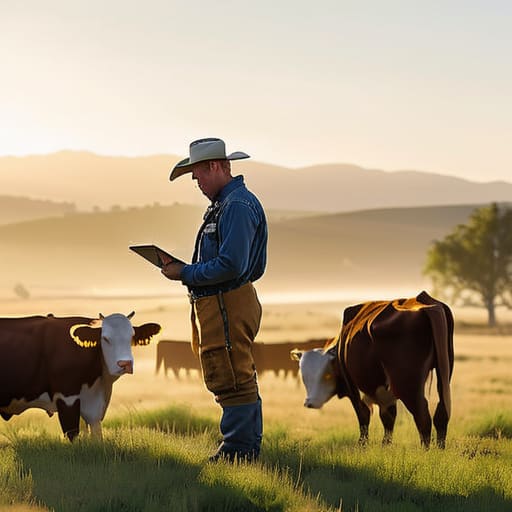
Now, when people hear “herd health plan,” they tend to picture a thick binder full of glossy charts and a vet looking over your shoulder to justify a high fee. That’s not it. At its heart, it’s just a way of moving from reacting to crises to actually managing them. Instead of waiting for a cow to go down in the mud because she’s been neglected, you’re looking at your vaccination and parasite control programs before the first frost hits. It’s about knowing your numbers—not just how many head you have in the field, but how many are actually performing and how many are just eating your profit.
A real plan relies on consistent data-driven animal health management, which sounds fancy but really just means remembering that Cow 402 had a limp in October and that the north pasture is always a bit damp this time of year. It’s about linking what you see on the ground to what you see in the bank account. If you aren’t tracking the small things, you’ll never catch the big ones until they’ve already cost you a calf or a month’s worth of growth.
Key Things to Know
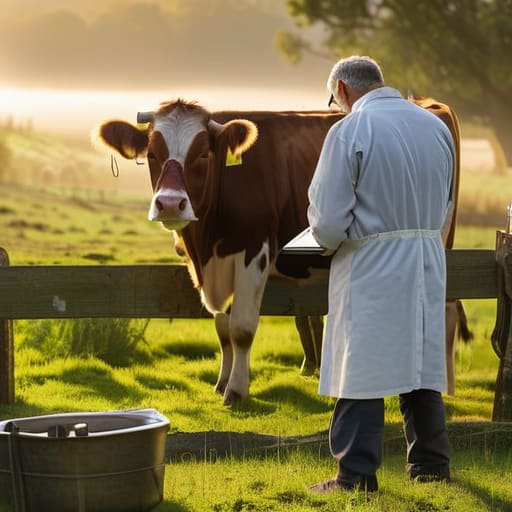
First off, forget the idea that a plan is just a folder of certificates to show a consultant. If your plan doesn’t account for the specific way your water troughs fail in a frost or how your neighbors move stock, it’s nothing more than expensive scrap paper. A real plan is about vaccination and parasite control programs that actually match your local soil and weather, not just what’s printed in a glossy brochure. You need to know which animals are your earners and which ones are just eating your profit through sub-clinical issues you can’t see until they’re terminal.
Secondly, don’t get blinded by the shiny new software. I’ve seen plenty of lads spend a fortune on data-driven animal health management tools only to realize they haven’t even bothered to check their biosecurity protocols for livestock at the farm gate. You can have all the digital spreadsheets in the world, but if you aren’t watching the condition of a heifer’s feet or the way she carries herself, the data is useless. It’s about the practical reality of the field, not the perfection of the screen.
Practical Tips and Steps

If you’re going to do this, don’t just file a folder in the office and call it a day. Start with your own records. I spent years looking at spreadsheets that meant nothing because they didn’t account for the actual condition of the animals. You need to map out your vaccination and parasite control programs against the actual seasons on your specific ground. If your spring grass is lush but your worming schedule is stuck in a textbook written for a different climate, you’re just throwing money at a problem that isn’t there.
Next, tighten up your movement. Most of my biggest headaches didn’t come from a lack of medicine, but from a lack of discipline regarding biosecurity protocols for livestock. If you’re bringing in new stock or even just moving animals between fields, you need a system that doesn’t rely on memory. A decent plan means knowing exactly who has been where and when. It isn’t about being paranoid; it’s about ensuring that one bad animal doesn’t turn your entire year’s profit into a massive vet bill.
Common Mistakes to Avoid
The biggest mistake I see is treating a health plan like a filing cabinet exercise rather than a living document. People spend hours getting a fancy folder from the vet, only to let it gather dust in the office while the actual work happens in the muck. If your plan doesn’t translate into a clear schedule for vaccination and parasite control programs, it’s nothing more than expensive scrap paper. You can’t manage what you don’t actually do, and a plan that sits on a shelf won’t stop a sudden outbreak of something preventable.
Another trap is chasing every new “breakthrough” product the salesman brings to the yard. I’ve seen plenty of lads go broke buying the latest high-tech supplement or gadget when their basic biosecurity protocols for livestock are non-existent. If you aren’t controlling who comes onto your farm and where your new stock is quarantined, no amount of expensive additives will save your margins. Don’t get distracted by the shiny stuff; focus on the basics that actually keep the animals standing and the bank account from bleeding dry.
Final Thoughts
At the end of the day, a folder full of papers sitting on the dashboard of the Land Rover doesn’t mean a thing if it isn’t reflected in the condition of the animals in the field. You can have the most sophisticated data-driven animal health management system in the county, but if you aren’t walking the boundaries and looking at the gait of a heifer, you’re just playing at being a manager. A real plan is lived in the muck and the mud, not just on a spreadsheet.
Don’t get caught up in the idea that you need a PhD to make this work. It’s about being consistent with your vaccination and parasite control programs and having the sense to listen when the animals tell you something is off. It’s about protecting your margins by staying ahead of the trouble rather than reacting to it when the vet is already charging you by the hour. Keep your eyes on the grass, your boots on the ground, and remember that the best defense is a bit of common sense applied every single day.
Five things that actually matter when you're looking at a health plan
- Stop looking at the vet’s fancy software and start looking at your calving percentages. If the plan doesn’t tell you exactly why you lost those three calves in March, it’s just a glorified diary that’s costing you time you don’t have.
- A plan is useless if it doesn’t account for the ground you’re standing on. You can have the best vaccination schedule in the county, but if your bottom field is a boggy mess that’s turning every heifer into a lame one, your plan is failing before you’ve even stepped out of the truck.
- Don’t get seduced by “preventative” kit that’s designed to sit in the shed. If a piece of equipment or a specific supplement doesn’t have a direct line to either better weaning weights or lower mortality, it’s a luxury you can’t afford right now.
- Treat your records like your bank statements. I’ve seen many a young lad try to run a herd on “gut feeling,” but the gut doesn’t tell you how much the copper deficiency in your soil is actually costing you in reproductive failure.
- Keep it simple enough to do when it’s raining and you’re tired. If your health strategy requires a laptop and a quiet office to implement, you won’t do it when the real work starts. A good plan should be something you can verify just by walking the pens.
The Bottom Line on Herd Health
A health plan is a cash-flow tool, not a filing exercise; if it doesn’t help you spot a problem before it costs you a calf or a week of wasted feed, it’s just paper.
Stop chasing every new disease on the news and start looking at what’s actually happening on your ground—lameness and poor nutrition will bleed your bank account dry long before a rare virus does.
Don’t buy into the shiny new kit or the expensive consultant’s “system” until you’ve checked if it actually fits your specific terrain and your specific rhythm of work.
The Bottom Line
At the end of the day, a herd health plan isn’t some fancy piece of paperwork designed to keep the consultants happy or to satisfy a government inspector. It’s about looking at your stock, your ground, and your bank balance and realizing they are all tied together. If you aren’t watching your lameness rates, your calving intervals, and your parasite loads with the same scrutiny you give your fuel receipts, you’re essentially leaving the gate open for your profits to wander off. You can buy the best genetics in the country, but if you haven’t got a systematic way to manage the basics, you’re just subsidizing the vet’s next holiday. It comes down to the simple truth: preventing a problem is always cheaper than fixing one.
I’ve spent forty years watching the weather, the markets, and the sheep, and if there’s one thing I’ve learned, it’s that you can’t control the rain, but you can control how prepared you are when it comes. Don’t get caught up in the latest shiny gadget or the newest supplement that promises the world; stick to the data you actually have. Build a plan that works for your specific hectares and your specific breed, and keep it practical enough to actually use when you’re tired and it’s raining sideways. Farming is a hard game, but if you manage the small details today, you won’t be fighting the big ones tomorrow.
Frequently Asked Questions
If I’ve already been working with my vet for years, what’s the actual difference between what we’re doing now and a formal "plan"?
The difference is the difference between reacting to a fire and building a firebreak. If you’ve been working with your vet, you’re likely good at fixing problems once they show up—getting the calf through a bout of scours or treating a sudden abscess. But a formal plan isn’t about the crisis; it’s about the data you collect when things are going well. It’s moving from “we’ll deal with it when it happens” to “we’ve mapped this out so it doesn’t.”
How much of this is just more paperwork for the sake of it, and how do I know if the time spent recording data is actually going to pay for itself in the long run?
Look, if you’re just filling in forms to satisfy a consultant or a subsidy auditor, you’re wasting your life. Paperwork for its own sake is a slow leak in your cash flow. But if you’re recording why a heifer failed to breed or which field is turning your sheep’s feet to stone, that’s not paperwork—that’s an audit of your margins. If the data doesn’t change how you manage the grass or the herd, bin it.
Can a health plan actually help when the weather turns and the grass stops growing, or is it just a fair-weather strategy for when things are going well?
It’s exactly when the grass stops growing that a plan matters most, because that’s when your margins vanish. If you’re just reacting to a drought or a wet spring, you’re already too late and too expensive. A real plan isn’t about optimism; it’s about knowing exactly how much feed you need to bridge the gap and which animals are worth the cost of keeping when the forage runs thin. It’s your survival guide, not a luxury.
