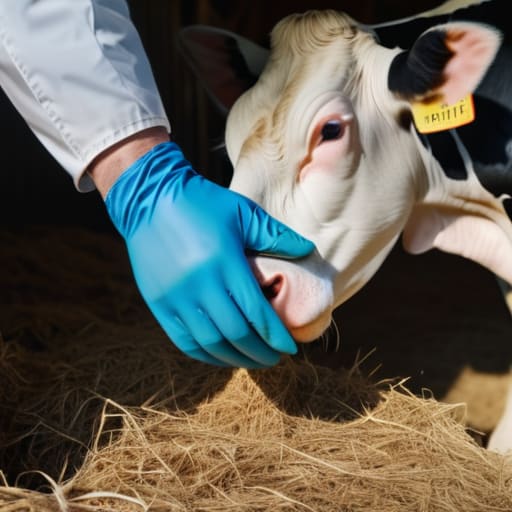
I’ve spent half my life listening to consultants in polished boots explain how to manage animal welfare standards using glossy brochures and spreadsheets that have never seen a muddy field. They’ll talk to you about “compliance metrics” and “holistic wellbeing frameworks” as if you can manage a herd by staring at a computer screen in a heated office. It’s all a load of nonsense designed to sell you a subscription. In my experience, if you’re looking for welfare in a digital dashboard instead of looking at the condition of the grass or the way a cow holds her head, you’ve already lost the battle.
I’m not here to give you a lecture on theory or help you tick boxes for a government inspector. What I’m going to do is tell you what actually matters when the rain is coming down sideways and the margins are thin. We’re going to talk about the real drivers of stock health—the things that actually protect your cash flow—and why the most expensive piece of technology in your shed won’t save you if you don’t understand the basics of what a healthy animal looks like in the flesh.
Table of Contents
- Welfare Isnt a Luxury How to Manage Animal Welfare Standards Profitably
- Stop Guessing and Start Observing With Animal Behavior Assessment Tools
- The Hidden Cost of Neglecting Livestock Welfare Monitoring in Your Yard
- Moving Beyond Paperwork With Real Animal Welfare Audit Protocols
- Implementing Welfare Best Practices to Protect Your Bottom Line
- Five things that actually matter when the gate is open
- The bottom line on welfare
- The long view
- Frequently Asked Questions
Welfare Isnt a Luxury How to Manage Animal Welfare Standards Profitably
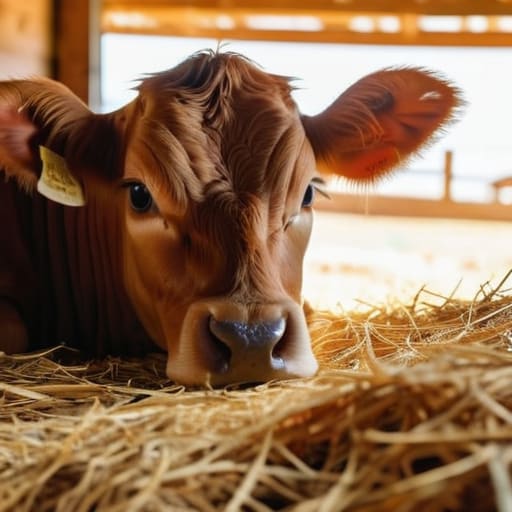
The trouble with most modern advice is that it treats welfare like a moral luxury—something you do when the bank account is full and the weather is kind. That’s nonsense. In my experience, welfare is just a different way of looking at your margins. If you aren’t improving animal living conditions by keeping the muck down and the shelter adequate, you aren’t being “kind”; you’re just inviting disease and vet bills that will eat your profit before the calf is even weaned.
You don’t need a fancy consultant to tell you what’s wrong. Forget those high-tech animal behavior assessment tools that cost more than a good heifer; they’re usually just more kit destined to rust in the shed. Instead, focus on the basics of livestock welfare monitoring that actually matter: are the sheep moving well, is the feed actually reaching the ones in the back, and is the water clean? If you treat welfare as a set of rigid, expensive compliance frameworks, you’ll go bust. Treat it as a way to protect your assets, and the cash flow will follow.
Stop Guessing and Start Observing With Animal Behavior Assessment Tools

You’ll see plenty of consultants peddling fancy software that promises to track every breath a heifer takes, but most of those animal behavior assessment tools are just expensive ways to digitize what you should already know by looking at the gate. I’ve seen lads spend a fortune on sensors only to miss the fact that their best ewes were huddling in a corner because the wind was cutting straight through a gap in the stone wall. Real monitoring isn’t about a dashboard on your phone; it’s about knowing the difference between a cow that’s resting because she’s content and one that’s resting because she’s lame or losing condition.
If you want to get serious about improving animal living conditions, stop looking at the screen and start looking at the herd’s rhythm. I use a simple version of animal welfare audit protocols myself—nothing more than a notebook and a keen eye for how the stock moves from the field to the crush. If the movement is sluggish or the social hierarchy in the pen looks like a street fight, you’ve got a problem with your setup. Watch the way they eat and the way they stand; that’ll tell you more about your margins than any expensive piece of kit ever will.
The Hidden Cost of Neglecting Livestock Welfare Monitoring in Your Yard
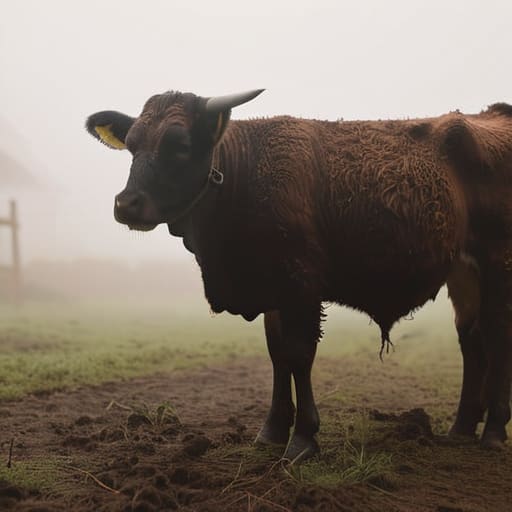
Most people think the cost of welfare is the price of a new handling system or a better batch of mineral lick. They’re looking at the wrong ledger. The real cost is the slow bleed of profit that happens when you stop looking. You see it in the heifer that doesn’t hit her target weight because she’s fighting a subclinical issue you didn’t catch, or the ewe that drops a lamb early because the ground was too poached and the shelter was lacking. By the time you notice the problem, the money has already walked out of the gate.
I’ve seen plenty of lads try to run a farm on spreadsheets alone, thinking they’re implementing welfare best practices just because they’ve ticked a box on a government form. But a clipboard won’t tell you that a specific corner of the field stays too wet in March, or that your weaning process is stressing the calves more than it should. True livestock welfare monitoring isn’t about passing an inspection; it’s about catching the small, expensive failures before they turn into a catastrophic loss of stock.
Moving Beyond Paperwork With Real Animal Welfare Audit Protocols
I’ve spent enough time staring at spreadsheets to know that a clipboard won’t fix a broken fence or a hungry heifer. You can fill out every form in the book, but if your animal welfare audit protocols are just a way to tick boxes for a consultant before they drive away, you’re wasting your time and your ink. Real auditing isn’t about whether you’ve signed the paper; it’s about whether you’ve actually walked the perimeter of the paddock and noticed the drainage is turning the bottom field into a bog.
When you’re implementing welfare best practices, you have to stop treating the audit like a school exam and start treating it like a diagnostic tool for your bank account. A proper walk-through should tell you more about your margins than a quarterly report ever will. If the protocol doesn’t force you to look at the condition of the hocks or the way the ewes are grouping in the wind, then it isn’t an audit—it’s just expensive paperwork that does nothing to stop your profit from leaking out through the ground.
Implementing Welfare Best Practices to Protect Your Bottom Line
You can buy all the fancy software in the world, but if you aren’t actually walking the fields, you’re just playing at being a farmer. Implementing welfare best practices isn’t about ticking a box to satisfy a consultant; it’s about the simple, daily discipline of checking that the basics are right. If your fences are broken or your water troughs are fouled, you aren’t just failing an audit—you’re bleeding money through poor weight gain and unnecessary vet bills. I’ve learned the hard way that the most expensive animal is the one you didn’t notice was struggling until it was already being loaded onto the truck.
Don’t get bogged down in complex welfare compliance frameworks that require a degree to understand. Instead, focus on what you can actually see and measure. Use your livestock welfare monitoring to track things that matter: how they move, how they eat, and how they interact. If you’re improving animal living conditions, do it because it makes sense for the stock and the soil, not because a brochure told you to. At the end of the day, good husbandry and a healthy bank balance usually go hand in hand.
Five things that actually matter when the gate is open
- Watch the feet, not the certificates. You can have a folder full of welfare audits that would make a bureaucrat weep, but if your cattle are walking with a hitch or your ewes are thinning out on the hill, your “standards” are a fantasy. Lameness is a silent thief; it eats your profit margin before you’ve even noticed the animal is struggling.
- Stop buying kit for problems you don’t have. I’ve seen too many lads take out a loan for a fancy new automated feeder or a high-tech monitoring system, only to have it gather dust because it doesn’t suit the way their ground actually drains. If the kit doesn’t work when the ground is sodden in November, it’s just expensive scrap metal.
- Get your eyes on the grass before you look at the herd. You can’t talk to me about animal health without telling me what the rainfall has been like and what state the sward is in. A cow struggling to meet her requirements because the nutrition is poor isn’t a “welfare issue” to be solved with a lecture—it’s a management failure in the field.
- Learn the difference between a “good” year and a “profitable” year. You’ll have seasons where the animals look magnificent and the welfare scores are through the roof, but the cash flow is bleeding out because your input costs outpaced the market. Real welfare management means knowing exactly what that suckler cow costs you to keep for 365 days, including the mistakes.
- Trust your gut, then check the numbers. There’s a certain feeling you get when you walk through a pen and something is just… off. Don’t ignore that instinct in favour of a spreadsheet. If your gut says the stock is stressed, go find out why—whether it’s the handling facilities, the shade, or the way you’re moving them—and fix it before it shows up in your bank balance.
The bottom line on welfare
Stop treating welfare like a moral extra or a box to tick for an inspector; it is a direct measurement of your margins, where a single lame cow or a poorly managed group of sheep costs you more in lost growth and wasted feed than any subsidy check will ever cover.
Ditch the fancy digital sensors if they don’t actually change how you run the yard; the best monitoring tool you own is your own eyes and ears when you’re out on the ground, noticing the subtle shifts in how a beast holds its head or moves through the gate.
Invest your capital in things that improve the daily reality of the animal—better footing, better nutrition, and better handling—rather than expensive kit that looks good in a brochure but sits gathering dust in the shed when the weather turns.
The long view
At the end of the day, managing welfare isn’t about filling out a ledger to satisfy some inspector or checking a box on a government form. It’s about the ground under your boots and the way your stock moves through the gate. We’ve talked about the costs of neglect, the value of real observation over paperwork, and why protecting your margins starts with the health of the individual animal. If you aren’t watching the feet, the feed, and the temperament of your herd, you aren’t managing a farm; you’re just waiting for a disaster to show up on your balance sheet. It all comes back to the same truth: good welfare is just good business.
I’ve seen plenty of men try to farm by looking at a screen or a spreadsheet, forgetting that the real work happens in the mud and the rain. You’ll make mistakes—I certainly have—but the goal is to make sure those mistakes don’t cost you the farm. Don’t buy into the fancy marketing that says there’s a magic pill for productivity. Instead, focus on the basics, keep your eyes sharp, and respect the animals that pay your bills. If you treat the welfare of your stock as the foundation of your livelihood rather than an inconvenience, you might just find you have something worth passing down to the next generation.
Frequently Asked Questions
How do I know if the extra cost of better bedding or more space is actually paying for itself in weight gain or calving rates?
You don’t look at the receipt for the straw; you look at the weight at weaning and the number of heifers that actually make it to their first calf. If you’re spending more on space but your weaning weights are flat or your calving interval is stretching out because the cows are too stressed to cycle, you’re just burning cash. Track your margins per head, not your input costs. If the math doesn’t show more kilos in the truck, the extra bedding is just a hobby.
If I’m seeing more lameness in the wet months, is that a failure of my welfare protocols or just a reality of the ground I'm working with?
It’s both, and that’s where most people get tripped up. If the ground is a bog, that’s just the reality of the weather, but if you’re running heavy stock on it without a plan, that’s a failure of management. You can’t argue with the rainfall, but you can argue with your stocking density and your footing. If you aren’t adjusting your movement or checking feet more often when the grass gets soft, you’re just inviting the bill.
At what point does "observing behaviour" turn into a massive time-sink that stops me from actually getting the work done?
It turns into a time-sink the moment you stop looking for problems and start looking for perfection. If you’re standing in a field for an hour trying to decide if a heifer looks “slightly” off when she’s clearly eating well and walking sound, you’re wasting daylight. Observation should be a diagnostic tool, not a hobby. Watch the outliers—the ones lagging or the ones with the odd gait. If it doesn’t change your management decision, get back to the gate.
