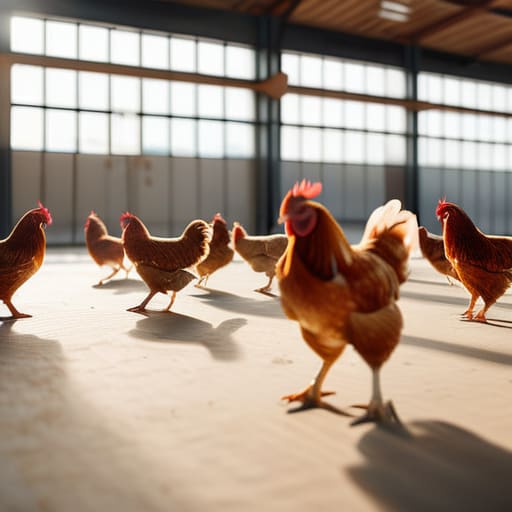
I’ve spent forty years watching consultants in clean wellies stand at the edge of a field, waving a clipboard and talking about “optimizing animal throughput” as if they were managing a factory line instead of a living, breathing herd. They’ll give you a spreadsheet full of theoretical numbers, but they never ask how much rain fell on that south slope last Tuesday or how the ground actually feels under a heavy hoof. They treat the science of how stocking density affects welfare like it’s a math problem you can solve with a fancy app, but they’ve never had to stand in a muddy pen at five in the morning, watching a group of stressed ewes fight for a single patch of dry ground.
I’m not here to sell you a new management system or a subscription to a digital grazing map. I’m going to tell you what happens to your bottom line when you push the limits of your acreage. We’ll look at the real, unvarnished relationship between the grass available and the health of your livestock, because I’ve seen enough money disappear into vet bills to know that overcrowding is a silent thief. I’ll share the mistakes I’ve made so you don’t have to pay for them.
Table of Contents
- The Invisible Thief How Stocking Density Affects Welfare and Profit
- When Animal Behavior and Overcrowding Turn Your Herd Against You
- High Density High Risk the Truth About Pathogen Transmission
- Spiking Cortisol Levels in Confined Animals and the Cost of Stress
- Finding Optimal Space Requirements for Livestock to Save Your Cash Flow
- Five ways to stop your stocking rate from bleeding you dry
- The bottom line: What to remember when the gates close
- The Bottom Line on Space
- Frequently Asked Questions
The Invisible Thief How Stocking Density Affects Welfare and Profit
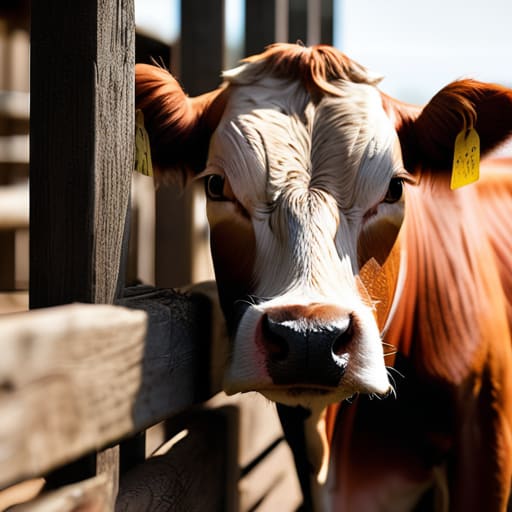
People love to talk about “animal welfare” like it’s some abstract concept you can tick off a checklist to satisfy a government inspector. To me, it’s much simpler and far more expensive. When you start crowding your stock, you aren’t just making them uncomfortable; you are inviting a thief into your accounts. You see it in the way they move—that frantic, nervous energy that comes when there isn’t enough room to just be. You can measure the spike in cortisol levels in confined animals if you have the fancy equipment, but I don’t need a lab to tell me something is wrong. I see it in the way a ewe stops nursing or a heifer loses her condition despite having a full trough.
The real sting, though, is how quickly a crowded pen turns into a breeding ground for trouble. High density is a highway for pathogen transmission, turning a minor sniffle into a farm-wide crisis before you’ve even finished your morning tea. You might think you’re being efficient by squeezing in ten more head, but you’ll find that the money you thought you saved on acreage is actually being bled out through higher vet bills and slower growth rates.
When Animal Behavior and Overcrowding Turn Your Herd Against You
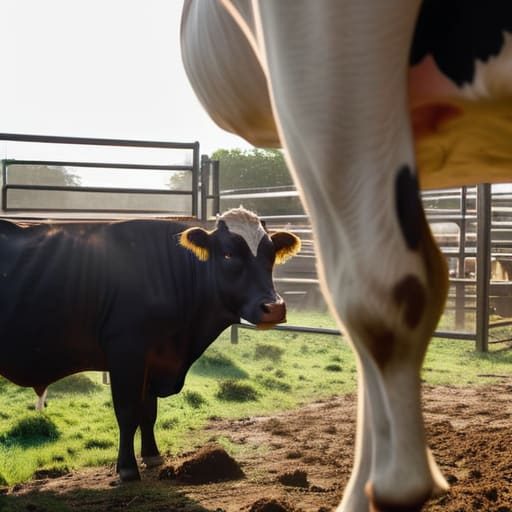
You can watch a herd for ten hours or ten minutes, and the signs are the same: they start looking at each other differently. When you push the numbers too high, you aren’t just managing animals; you’re managing a powder keg. You’ll see the hierarchy shift, with the dominant cows bullying the weaker ones away from the best bits of forage, and suddenly your “efficient” system is just a recipe for constant, low-level stress. It isn’t just about the fighting, though. When you ignore animal behavior and overcrowding, you’re essentially inviting the herd to stop acting like a cohesive unit and start acting like a group of individuals just trying to survive the afternoon.
Then there’s the invisible side of it—the stuff you can’t see until the vet shows up with a bill. When they’re packed in, the sheer speed of pathogen transmission in high density is enough to make your skin crawl. One sick animal in a crowded pen isn’t an isolated incident; it’s a broadcast signal to every other head in the yard. You might think you’re saving a few quid on land, but you’re actually just subsidising the local bacteria and hoping for the best.
High Density High Risk the Truth About Pathogen Transmission
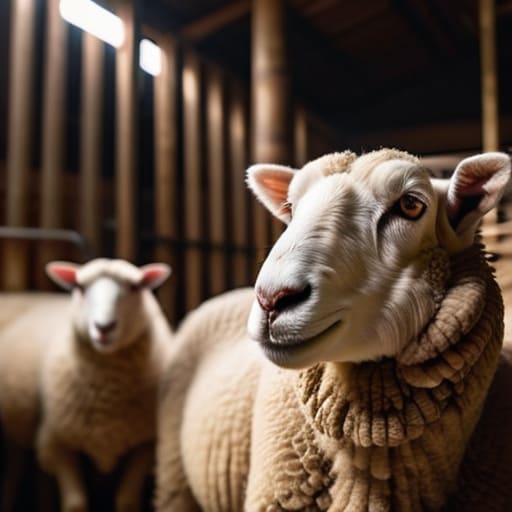
You can talk about hygiene and biosecurity until you’re blue in the face, but if you’ve got too many mouths in too small a space, you’re essentially building a highway for disease. When you increase the number of animals per hectare, you aren’t just managing more mouths to feed; you are managing a massive increase in the pathogen transmission in high density environments. It doesn’t matter if your sheds are spotless or your fences are tight; if one animal gets a respiratory bug or a parasite load, the sheer proximity ensures the rest of the herd follows suit before you’ve even finished your morning tea.
It’s a mathematical certainty. The more animals you pack together, the more their waste builds up and the more their shared breath carries infection. Most people focus on the cost of the medicine, but they forget the cost of the impact of crowding on animal health regarding the sheer speed of an outbreak. You might think you’re maximizing your land, but you’re actually just subsidizing the local bacteria. By the time you see the first animal looking dull, the infection has likely already moved through half the group.
Spiking Cortisol Levels in Confined Animals and the Cost of Stress
We spend a lot of time worrying about what we can see—the limp, the cough, or the sudden drop in milk. But the real damage often happens in the chemistry of the animal before you ever see a symptom. When you crowd them, you aren’t just testing their patience; you are triggering a physiological response that is incredibly expensive. High cortisol levels in confined animals act like a slow leak in a fuel tank. It’s a constant, low-level drain on their energy that should be going toward growth or finishing, but instead, it’s being burned up just trying to manage the stress of being bumped and jostled by the neighbour.
You can’t see a stress response in a pen, but you’ll certainly see it in your ledger at the end of the season. A stressed animal is an inefficient animal. Their immune systems take a backseat to that cortisol spike, making them far more susceptible to the very things we try to avoid with better livestock management practices. It’s a vicious cycle: the more you crowd them, the more they struggle to maintain their own internal balance, and eventually, you’re left paying for the cost of a herd that’s simply too busy being stressed to perform.
Finding Optimal Space Requirements for Livestock to Save Your Cash Flow
Now, you won’t find a magic number in a brochure that tells you exactly how many head to put on a paddock, because that number changes the moment the clouds break and the ground turns to soup. If you’re looking for the optimal space requirements for livestock, you have to stop looking at your spreadsheet and start looking at the soil. A stocking rate that works in a dry July will bankrupt you in a wet October when the sward is trampled into a muddy mess. When you overstretch the land, you aren’t just risking the grass; you’re inviting the kind of impact of crowding on animal health that shows up as stunted growth and poor weaning weights.
The trick is to manage for the worst month, not the best one. I’ve seen many a lad try to squeeze an extra ten head into a field to make the subsidy numbers look better, only to find himself fighting a losing battle against foot rot and respiratory issues. You have to balance the grass availability against the way your animals actually move. If they’re bunching up in the corners or fighting over the few patches of decent forage left, you’ve already lost the margin. Watch the ground, watch the rain, and watch the way they stand. If the feet are struggling, the cash flow is following close behind.
Five ways to stop your stocking rate from bleeding you dry
- Watch the ground, not just the ledger; if you’re pushing too many head on ground that’s starting to look like a sponge, you aren’t “optimising” anything—you’re just inviting foot rot and a massive vet bill.
- Learn to read the hierarchy; in a crowded pen, the dominant animals will bully the weaker ones into the corners, and you’ll lose your most profitable, quietest breeders to stress and malnutrition before you even notice they’ve stopped eating.
- Don’t trust a shiny new feeder to fix a space problem; if the density is too high, the animals will fight over the trough, the best eaters will get pushed out, and you’ll end up with a herd that’s uneven, patchy, and expensive to fix.
- Measure your success in parasite loads, not just head count; crowding creates a perfect playground for worms and flies, and no amount of expensive chemical drench will save your margins if you’re constantly chasing a cycle of reinfection.
- Buy the space, not the kit; I’ve seen men spend thousands on fancy handling systems to manage a crowd they shouldn’t have had in the first place, when that money would have been better spent on an extra few hectares of decent grazing.
The bottom line: What to remember when the gates close
Don’t mistake a full field for a profitable one; if you’re crowding them to save on feed, you’re likely just paying a premium for vet bills and poor weaning weights.
Watch the feet and the temperament—if the animals are fighting for space or walking on poached ground, your margin is leaking out of the shed faster than you can track it.
Every piece of advice on ‘optimal density’ is useless unless you look at your specific rainfall and soil type first; grass growth dictates the numbers, not a spreadsheet.
The Bottom Line on Space
At the end of the day, you have to stop looking at stocking density as a way to squeeze more units through the gate and start seeing it for what it actually is: a lever for your profit margins. We’ve talked about the stress, the pathogens, and the way a crowded field turns into a mud bath that ruins both feet and fleece. If you ignore the way an animal behaves when it’s cramped, you aren’t just failing on welfare; you are effectively handing your hard-earned cash over to the vet and the feed merchant. It’s a simple equation: more head in too little grass leads to more disease, more lameness, and ultimately, less money in the bank when the season closes.
I know the pressure to push the numbers is constant, especially when the subsidies feel like they’re shrinking and the costs are climbing. But don’t let the spreadsheets trick you into thinking you can outrun the biology of the animal. A farmer who respects the space an animal needs to exist without constant friction is a farmer who builds a resilient, profitable herd. Focus on the quality of the ground and the health of the individual, and the numbers will eventually take care of themselves. It’s not about being a saint; it’s about being a sensible businessman who knows that a calm cow is a profitable cow.
Frequently Asked Questions
If I thin the herd to improve welfare, how do I stop the reduced numbers from eating into my bottom line before the next sale?
You’re looking at the wrong side of the ledger. If you thin the herd, you aren’t losing cows; you’re shedding liabilities. A crowded, stressed cow is a black hole for your cash flow—she’ll cost you in vet bills, poor weaning weights, and wasted forage. I’d rather have sixty animals putting on meat and looking healthy than eighty that are just eating my profit and making me sick with worry. Focus on the margin per head, not the total head count.
How do I know if I'm actually overstocked or if it's just a particularly wet season making the ground look worse than it is?
You don’t look at the mud; you look at the recovery. If the grass is struggling to find its feet even when the rain eases, you’ve overshot your carrying capacity. In a wet year, the ground gets heavy, true, but if you see the sward being trampled into nothingness rather than grazed, you’re asking for trouble. Check your forage reserves now. If you’re relying on ground that won’t bounce back, you’re overstocked, regardless of the clouds.
Is there a way to manage higher densities in the smaller paddocks without the whole lot ending up lame by mid-summer?
You can’t cheat the ground. If you’re pushing density in small paddocks, you’d better be moving them every single day. The moment they sit on poached ground for forty-eight hours, you’ve lost the battle. Keep the rotation tight, watch the rainfall like a hawk, and for heaven’s sake, don’t be stingy with the shade. If the ground is turning to a slurry, you move them or you’ll be paying the vet more than the butcher.
