
I’ve lost count of how many glossy brochures I’ve seen claiming you need a high-tech quarantine facility or a complex social hierarchy management plan to get things right. It’s all a load of rubbish designed to sell you more kit you don’t need. In my experience, most people overcomplicate how to introduce new animals to a group until they’ve spent more on the process than the animals are actually worth. I remember back in ’98, thinking I could just move a fresh batch of ewes into a settled flock after a single night in a pen, only to spend the next three weeks watching my margins disappear into vet bills and broken fences because I’d been too impatient to watch the ground and the temperament of the leaders.
I’m not here to sell you a system or a supplement; I’m here to tell you how to do it without bleeding your cash flow dry. I’ll be looking at this through the lens of what actually happens when the gates open, focusing on the practical realities of stress, grass availability, and the inevitable social friction. We’ll talk about the mistakes I’ve made so you don’t have to pay for them yourself.
Table of Contents
Understanding How to Introduce New Animals to a Group
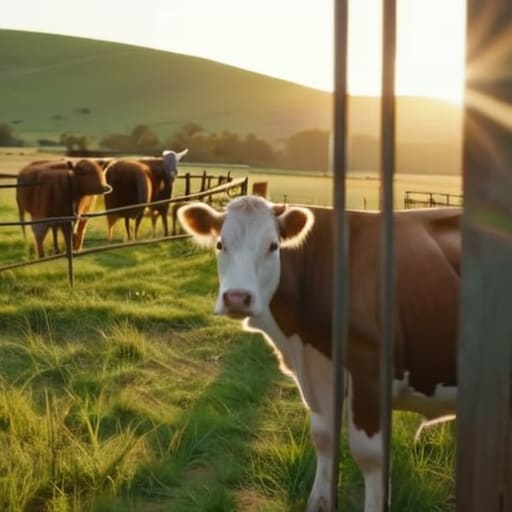
Before you even think about opening the gate, you have to reckon with the fact that you aren’t just moving meat; you’re moving personalities. Every herd has its own internal politics—what the books call animal social hierarchy dynamics, but what I call “who’s boss and who’s a nuisance.” If you try to force a new heifer into a tight group of established cows without respecting that order, you aren’t just risking a scuffle; you’re risking a broken leg or a torn ear. And in this business, a broken leg is just a fancy way of saying you’re losing money every hour that animal isn’t grazing.
I’ve learned the hard way that rushing the process is a fool’s errand. I don’t care how much you want them in the same field; if the ground is wet and the stress levels are high, you’ll pay for it. Start with visual contact through barriers first. Let them see each other through a fence or a gate for a few days. It lets them size each other up without the ability to actually charge. If you skip this step to save a bit of time, you’ll likely spend twice as long later trying to sort out the chaos.
Key Things to Know
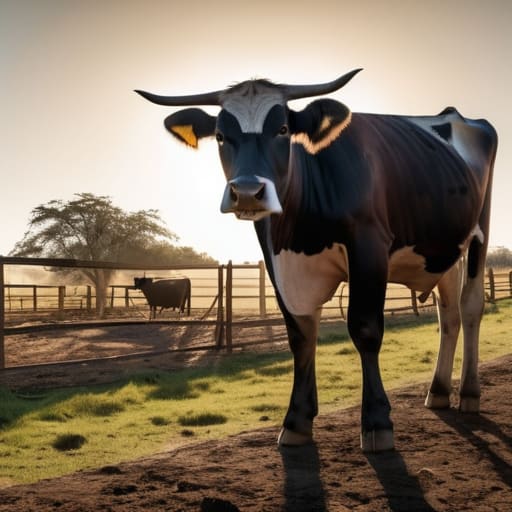
First off, you need to respect the animal social hierarchy dynamics that have been established on your farm for years. You can’t just walk a strange heifer into a settled herd and expect them to play nice; the old guard will see her as an intruder, and they’ll let her know it. If you don’t manage that transition, you aren’t just looking at a bit of noise in the yard—you’re looking at broken noses and a drop in milk solids because the whole lot is too worked up to eat.
I’ve learned the hard way that patience is cheaper than a vet bill. Before you even think about letting them share a trough, start with visual contact through barriers. Let them see each other through a sturdy fence or a gate for a few days. It lets the tension simmer down without the physical fallout. If you see them standing still, watching each other, that’s progress. If they’re charging the fence or refusing to graze, you’ve moved too fast. Slow down. The goal isn’t to make them friends; it’s to make them coexist without costing you a fortune in sorted-out animals.
Practical Tips and Steps
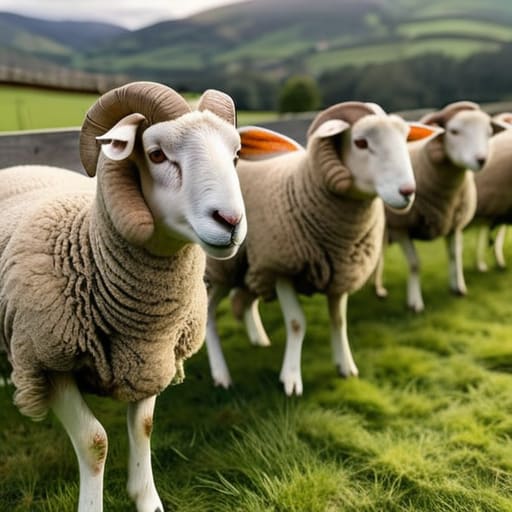
First, don’t go thinking you can just open the gate and call it a day. You need to start with visual contact through barriers—a sturdy fence or a temporary pen works fine. It lets them eye each other up without anyone losing a limb or a piece of expensive hide. If you’re bringing in a new batch of ewes, let them see the movement of the old ones for a few days first. It gives them a chance to settle their nerves before they’re actually sharing the same patch of grass.
Once they’ve stopped staring each other down like they’re about to go to war, you can try some scent swapping for animal acclimation. I’ve found that rubbing a bit of bedding from the new arrivals onto the existing fence line helps take the edge off the shock. It’s about managing those animal social hierarchy dynamics before they turn into a physical scrap. If you see them pacing the fence or refusing to graze, you’ve moved too fast. Slow it down. A week of waiting is cheaper than a week of vet bills and broken noses.
Common Mistakes to Avoid
The biggest mistake I see is the rush to get everything into the same field because the weather is turning or the transport bill is mounting. People treat a new arrival like a piece of machinery you just plug in, but animals aren’t inanimate objects. If you ignore animal social hierarchy dynamics, you aren’t just risking a few scuffles; you’re inviting a situation where the dominant breeders spend more time fighting than eating. A stressed animal is an animal that isn’t putting on weight, and that is money walking out of your gate every single day.
I’ve also seen plenty of folk skip the basics, like visual contact through barriers, thinking they can save a few hours of work. They just chuck them in and hope for the best. That’s a fool’s errand. If you don’t allow them to see and smell each other through a fence first, you’re asking for a bloodbath. You’ll spend the next month chasing sorted-out animals and paying vet bills for injuries that were entirely preventable. It’s cheaper to spend a week doing it properly than a year fixing the fallout.
Final Thoughts
At the end of the day, you can have the best breeding program in the county and the finest grass in the parish, but if you can’t manage the temperament of your stock, you’re just throwing money into a hole. I’ve seen men lose a whole season’s profit because they were too impatient to wait a few days for visual contact through barriers to settle the nerves of a new heifer. It isn’t about being soft; it’s about reading the room—or the field, in our case.
If you try to rush the process to save time, you’ll find yourself spending that saved time chasing broken fences or paying a vet to deal with a bloody mess. Watch for the signs of animal stress and anxiety like heavy breathing or pacing; those aren’t just quirks, they are warnings that your margins are about to take a hit. Don’t let your ego or a busy schedule dictate the pace. Slow down, watch the hierarchy, and remember that patience is a much cheaper input than a vet bill or a dead animal.
Five ways to keep your blood pressure and your bank balance steady
- Don’t go rushing the process just because the weather’s turning or the auction is over; if you don’t give them a few days to settle in their own space first, you’ll spend the next month chasing half your herd through the hedge.
- Check the feet and the coats of the newcomers before they ever see the main herd, because bringing in a single animal with a bad case of something is the fastest way to turn a profitable season into a vet bill that’ll make your eyes water.
- Watch the grass, not just the animals; if you’re introducing a new lot into a field that’s already been grazed down to the dirt, you aren’t “integrating” them, you’re just starving them and making them aggressive.
- Keep the new arrivals in a smaller, manageable pen for the first few days so you can actually see how they’re eating and moving, rather than losing them in a hundred-hectare sprawl where you won’t spot a problem until it’s too late.
- Stop buying the fancy “socialisation” gadgets you see in the glossy brochures; a bit of quiet time, a decent bit of forage, and a sturdy fence are worth more than any bit of plastic kit that’ll be rusting in the shed by Christmas.
The Bottom Line
Don’t get distracted by the pedigree or the fancy auction talk; if you haven’t factored in the cost of the extra feed and the inevitable vet visit for the newcomers, you aren’t looking at the real price of the animal.
Watch the ground as closely as the animals; if you’re introducing a new group into a wet field or a paddock that’s already spent, you’re just inviting lameness and a massive loss in condition before they’ve even settled.
Patience is cheaper than a broken fence or a sorted-out animal; taking an extra week to get the introduction right will save you more money than any piece of high-tech handling equipment ever will.
The Bottom Line
At the end of the day, introducing new stock isn’t about following some fancy management manual; it’s about watching the ground, the weather, and the animals themselves. If you’ve done the work—quarantined the newcomers, checked the fences, and ensured the existing group isn’t already stressed by a wet spring—then you’ve done more than most. You can’t shortcut the process without paying for it later in vet bills or lost weight gain. Remember, a successful introduction isn’t measured by how quickly they settle, but by whether your cash flow stays intact once the initial excitement of new blood has worn off and the real costs of maintenance set in.
Farming is a game of patience, and sometimes the best thing you can do is nothing at all but observe from the gate. Don’t get caught up in the rush to expand just because a salesman tells you it’s the right time for your “growth strategy.” Real progress on a farm is built on the slow, steady accumulation of good decisions and sound breeding lines. If you respect the biology of the animal and the reality of your margins, you’ll find that the hard work you put into these transitions today is what keeps the farm running for the next generation. Keep your eyes on the grass and your head on straight.
Frequently Asked Questions
How long should I actually keep them in a separate pen before I trust them enough to let them loose with the rest of the herd?
There’s no magic number on a calendar, but if you’re looking for a rule of thumb, don’t trust them until they’ve stopped treating your fences like a suggestion. I usually wait until I see them eating calmly and, more importantly, until I’ve seen them through one full cycle of the local weather. If they can handle a week of heavy rain and muck without looking half-dead or causing a riot, they might just be ready.
At what point does the cost of extra feed and the extra labour of managing two separate groups stop being worth the effort?
You stop when the cost of the extra feed and your own time starts eating the margin you gained by bringing them in. It’s a simple math problem, though people like to make it complicated. If you’re spending more on separate troughs and extra hours on the gate than the weight gain or the reduced vet bill is bringing back, you’re just spinning your wheels. Watch the cash flow, not just the animals.
If I see a bit of fighting during the first few days, when is it a normal settling-in period and when does it mean I’ve got a real problem on my hands?
If they’re just shoulder-barging and testing the hierarchy, leave them be. That’s just the social order sorting itself out. But if you see blood, skin being torn, or one animal being driven into a corner where it can’t get to water or feed, you’ve got a problem. A bit of posturing is fine; a bully that won’t stop is just a drain on your margins and a risk to your other stock.
