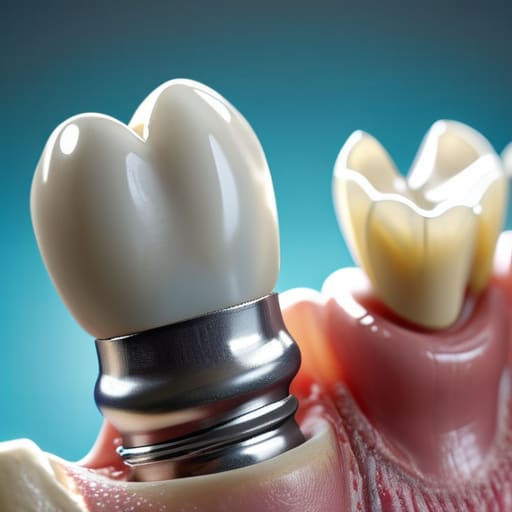
I remember standing in a muddy field ten years ago, staring at a heifer that looked like she’d been carved out of stone, despite the fact we’d been feeding her the best silage on the farm. I was looking at the nutritional charts, the mineral supplements, and the soil testing results, trying to figure out why she wasn’t putting on the frame. It wasn’t the grass, and it wasn’t the additives; it was the simple, brutal reality of how dentition affects condition. I’d spent a fortune on high-spec feed only to realize the animal couldn’t even process it because her mouth was a wreck.
I’m not here to sell you a new brand of lick or a fancy diagnostic tool that’ll sit in the back of the shed gathering dust. What I want to do is strip away the nonsense and show you the direct line between a cow’s mouth and your bank balance. I’ll tell you exactly what to look for when you’re walking the pens, why a few bad teeth can turn a profitable year into a massive loss, and how to spot the difference between a hungry animal and one that’s simply unable to eat.
Table of Contents
- The Invisible Thief How Dentition Affects Condition and Cash Flow
- Mastication Efficiency and Body Mass the Math of Missing Teeth
- Oral Health and Nutritional Intake Why Good Grass Isnt Enough
- Dental Deterioration and Aging Watching Your Profits Wither Away
- A Veterinary Assessment of Dentition Avoiding the Most Expensive Mistake
- Five Ways to Stop Losing Money Through a Cow's Mouth
- The Bottom Line: What You’re Actually Losing
- The Bottom Line
- Frequently Asked Questions
The Invisible Thief How Dentition Affects Condition and Cash Flow
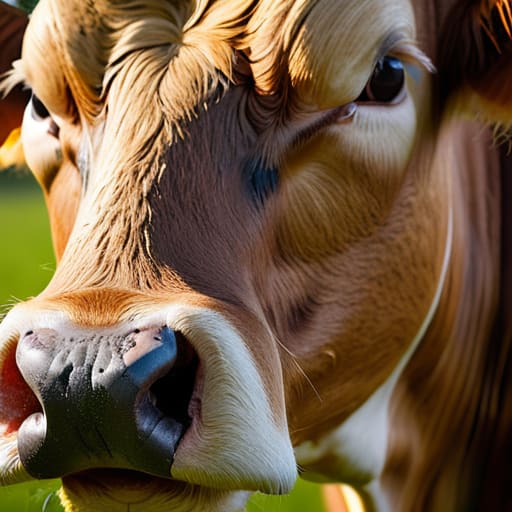
You can look at a cow all day, admiring the frame or the coat, but if you aren’t looking at the mouth, you’re missing the whole picture. I’ve seen plenty of animals that look fine on the surface but are essentially running on empty. When a beast starts losing its ability to grind, you aren’t just seeing a bit of age; you’re seeing a collapse in mastication efficiency and body mass. If they can’t process the forage, they aren’t converting that grass into muscle or fat, no matter how much you pour into the trough.
It’s a slow leak in your bank account. You don’t notice it in a week, but by the time you realize a heifer isn’t hitting her target weight, the damage is done. The impact of tooth wear on livestock is exactly that—an invisible drain. You end up paying for the same hectare of grazing twice because the animal is just passing the nutrients through without absorbing them. It’s a hard lesson to learn, but a cow with bad teeth is just a very expensive way to turn grass into manure.
Mastication Efficiency and Body Mass the Math of Missing Teeth
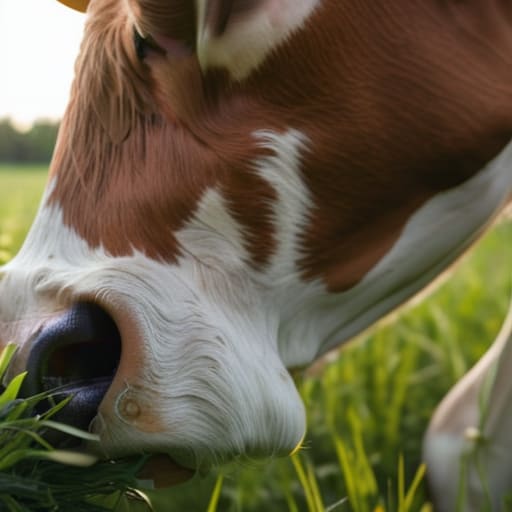
You can look at a cow’s frame all you want, but if she isn’t processing the forage, the size of the animal is a lie. It comes down to the simple physics of the mouth. When you see a cow that’s “thin for her frame,” most people jump straight to checking the wormer or the mineral lick. But I’ve spent enough mornings looking at older ewes to know that mastication efficiency and body mass are inextricably linked. If a beast can’t grind that fiber down into a fine enough paste, she isn’t actually eating; she’s just passing expensive fuel through her system without catching the energy.
It is a slow, quiet leak in your bank account. You won’t see a sudden crash like you would with a disease, but rather a gradual decline in how much they can actually pull from the field. As you see more dental deterioration and aging in your older stock, you’re essentially watching your profit margin get ground down along with their molars. You might think you’re saving money by keeping a hard-working older animal, but if she’s spending more energy trying to chew than she’s getting from the grass, she’s costing you more than a replacement ever would.
Oral Health and Nutritional Intake Why Good Grass Isnt Enough
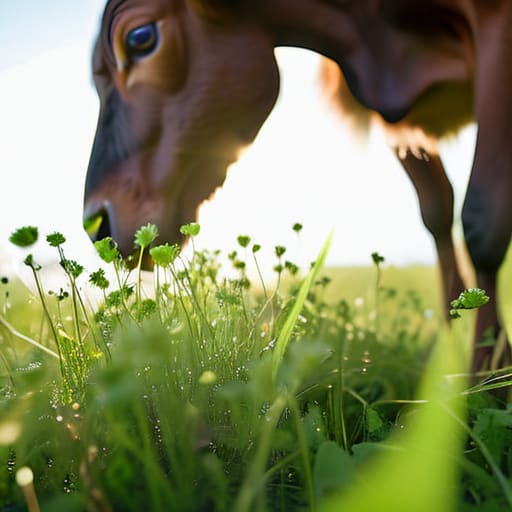
You can spend all your time and money trying to breed the perfect genetics or buying the highest-quality clover mix, but it won’t mean a damn thing if the animal can’t actually process it. I’ve seen plenty of heifers that look like they should be thriving on a good flush of spring grass, only to find they’re lagging behind in weight because their mouths are a mess. It’s a hard truth, but oral health and nutritional intake are inextricably linked; if the mechanical part of the process fails, the biology follows suit.
When you see dental deterioration and aging in your older cows, you aren’t just looking at a few missing teeth; you’re looking at a decline in how much energy they can actually extract from the field. A cow with worn or broken teeth spends more time searching for the right bite and less time actually swallowing. You might think you’re getting your money’s worth from that pasture, but you’re really just watching your profit margin get chewed up by an animal that can’t do the basic work of being a ruminant.
Dental Deterioration and Aging Watching Your Profits Wither Away
You can’t cheat the clock, and you certainly can’t cheat the mouth. I’ve spent forty years watching the same cycle: a cow looks fine on paper, she’s got the right pedigree and she’s standing well on her feet, but as she hits that sixth or seventh year, the math starts to fail. Dental deterioration and aging isn’t just a biological fact; it’s a slow leak in your bank account. You’ll see them grazing the best clover in the field, but they aren’t actually utilizing it. They’re just passing through it.
Once those molars lose their ridges or a premolar goes missing entirely, the efficiency of the whole animal drops off a cliff. You might think a slightly slower rate of gain is just “the way old cows are,” but it’s actually the impact of tooth wear on livestock performance hitting your bottom line. When they can’t grind the fiber down, they can’t get the energy out. You end up paying to grow a carcass that’s mostly expensive, unrefined forage. It’s a hard lesson to learn, but a cow with bad teeth is essentially a high-maintenance guest that’s stopped paying rent.
A Veterinary Assessment of Dentition Avoiding the Most Expensive Mistake
Now, I’m not a vet, and I’ve never claimed to be, but I’ve learned that waiting for a professional to tell you a cow is “unprofitable” is a very expensive way to run a business. By the time a vet walks onto your yard and confirms that dental deterioration and aging have finally compromised a beast’s ability to thrive, you’ve already paid for that mistake in wasted feed and lost weight gain. You don’t need a degree to see a cow struggling to process a good bit of silage, but a formal veterinary assessment of dentition is the only way to get a hard number on what you’re actually looking at.
The mistake most people make is treating a mouth issue like a minor inconvenience. It isn’t. If you’re looking at a herd and seeing animals that look “thin despite plenty of grass,” you aren’t dealing with a forage problem; you’re dealing with a mechanical one. You need to get in there and look at the incisors and the molars yourself. If the teeth are worn down to the gums or the gaps are wide enough to let the good stuff slide right through, you aren’t farming livestock anymore—you’re just subsidising their slow decline.
Five Ways to Stop Losing Money Through a Cow's Mouth
- Don’t just look at the coat; look at the jaw. If you see a cow with a shiny back but a hollowed-out flank, she isn’t “efficient”—she’s struggling to process what’s in front of her. A cow with broken molars is basically running on a deficit every time she grazes.
- Stop treating dentition as an afterthought for the cull list. If you’re waiting until the vet comes for the annual check to notice a mouth is gone, you’ve already lost the margin on that animal. You need to be checking the mouth during weaning or when they hit the yearling stage, not just when they look half-dead.
- Watch your grass quality against the age of the beast. You can put the finest clover-rich sward in the world under a cow with poor dentition, and it won’t matter. She can’t break down the fiber, so you’re effectively paying to grow high-quality forage that ends up as wasted energy.
- Learn the difference between a “working” mouth and a “wasting” mouth. A few worn teeth are part of the game, but once you see gaps or sharp edges that prevent a clean grind, that animal is no longer a producer; she’s a consumer. Know when to pull the trigger before she eats through your profit.
- Avoid the “shiny new kit” trap. You don’t need a fancy digital scanner to tell you a cow has bad teeth. You need a pair of steady hands, a bit of light, and the willingness to actually get stuck in and look. The most expensive mistakes I’ve seen aren’t caused by a lack of technology, but by a lack of looking.
The Bottom Line: What You’re Actually Losing
Stop looking at the grass and start looking at the mouth; you can have the finest clover in the county, but if the animal can’t grind it down, you’re just feeding the soil instead of the beast.
A cow with bad teeth isn’t just “getting old,” she’s a walking leak in your cash flow that stays open every single day until she’s culled.
Don’t wait for the animal to look thin before you act; by the time the ribs are showing, the money has already been lost to inefficient chewing and wasted forage.
The Bottom Line
At the end of the day, you can buy the best genetics in the country and the most expensive mineral lick on the market, but if that animal can’t physically process the forage in front of it, you’re just subsidizing a loss. We’ve looked at how bad teeth turn a high-quality pasture into a wasted resource and how that inefficiency shows up first in the condition score and last in your bank balance. It isn’t about being sentimental about an old cow; it’s about recognizing that dentition is the gatekeeper to every calorie she consumes. If that gate is broken, you aren’t farming livestock—you’re just feeding a deficit.
My advice is to stop looking for a magic supplement to fix a problem that requires a keen eye and a bit of common sense. Don’t wait for the weight to drop or the condition to crash before you start asking questions about what’s happening inside their mouths. Farming has never been about the flashy new tech that promises the world; it’s about the quiet, steady management of the basics. Get your eyes on the animals, respect the math of the mouth, and remember that profit is grown in the gut, but it starts with the teeth.
Frequently Asked Questions
At what point do I stop trying to fix a problem and just accept that the cow is a write-off?
You stop when the cost of the fix outweighs the margin she’ll ever bring in again. I’ve spent too many years trying to nurse a mouth back to health only to realize I was just subsidizing a losing bet. If she’s not converting grass to condition because she can’t chew, she’s just a walking expense. When the vet’s bill and the lost weight exceed her weaning value, you don’t fix her—you cull her.
Is there any actual point in investing in dental tools for the herd, or should I just leave that to the vet and focus on something else?
Look, if you’re asking whether you should go out and buy a kit of dental rasps and pliers, the answer is no. Don’t be a fool. You aren’t a vet, and trying to play at it usually ends with a bruised hand and a cow that’s more annoyed than helped. Pay the vet to do the proper work. Your job isn’t the dentistry; it’s spotting the cow that’s losing condition despite the grass being fine. That’s where the money is.
How do I tell the difference between a cow that's just having a hard season and one that's actually losing condition because of her mouth?
Look at the way she moves through the field. A cow having a hard season will still head straight for the best grass and graze with purpose, even if she’s looking a bit thin. A cow with a mouth problem is different; she’ll stand there, looking at the clover, but she won’t commit to it. She’ll take a few bites, look frustrated, and move on. If she’s working harder to eat than she is actually gaining, her teeth are costing you.
