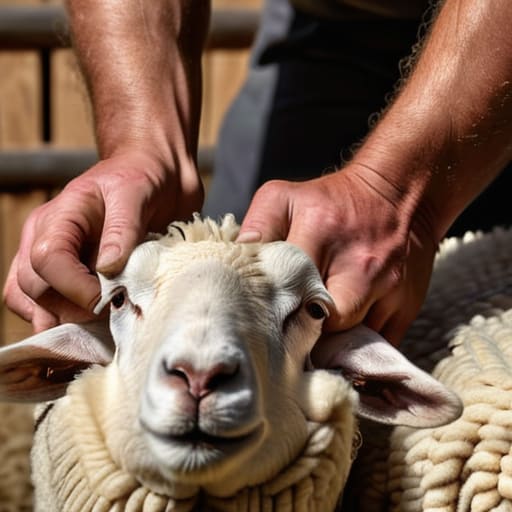
I remember standing in a muddy pen back in ’94, watching a man charge me a premium to clip my best ewes, only to see him leave the fleece looking like it had been through a hedge backwards. He talked a grand game about “fleece quality,” but he didn’t know the first thing about how to shear and handle wool without contaminating the lot with bits of manure and lanolin. You can spend your whole life obsessing over the pedigree of your sheep, but if your shearing process is a shambles, you aren’t producing wool—you’re just producing waste. Most people think the profit is in the sale price, but the real truth is that you lose your margin the second a dirty fleece hits the bale.
I’m not here to sell you some shiny new electric clipper or a course on “holistic fiber management.” I’m going to tell you how to do it right so you don’t end up with a shed full of useless, stained fluff. We’ll look at the actual mechanics of a clean clip, the proper way to manage the fleece from the sheep to the sack, and most importantly, how to avoid the expensive mistakes that turn a decent clip into a total loss.
Table of Contents
Guide Overview
Tools & Supplies
- Electric sheep shears or hand blades for cutting fleece
- Skirting knife for removing dirty edges
- Wool combs to straighten fibers
- Large clean tubs for washing
- Mild wool wash or specialized detergent (5 liters)
- Drying racks or clean clotheslines
Step-by-Step Instructions
- 1. First, you need to sort your sheep by temperament and condition before they even see a blade. I’ve seen men try to rush a job by throwing the nervous, flighty ones in with the calm ones, and all they end up with is a bruised animal and a half-day wasted on nicks and cuts. Get them into a tight race, check their feet, and make sure they’re clean; if you’re shearing sheep that have been rolling in manure for three days, you aren’t just losing wool quality, you’re losing your profit to the cleaning bill later on.
- 2. Set up your shearing stand so it actually works for your height and the sheep’s size. It sounds like common sense, but I’ve watched enough lads bend over like a question mark until their backs are shot by lunchtime. If your gear is poorly positioned, you’ll spend more time fighting your own body than you will the fleece, and fatigue is the quickest way to start making mistakes that cost you money.
- 3. When you start the clip, focus on the direction of the grain rather than just trying to move fast. The temptation is to race against the clock, but if you aren’t following the natural flow of the wool, you’ll end up pulling at the skin. A clean, even clip is what matters; a ragged job might save you ten minutes, but it’ll tank the value of that fleece the moment it hits the auction floor.
- 4. Once the sheep is off the stand, don’t just toss it back into the main mob like a sack of spuds. You need to handle the animal with enough respect to ensure it doesn’t go off and injure itself or another sheep. A sheep that’s been handled roughly will be on edge for days, and an injured animal is just another line item on the ledger that you’ll have to pay for in vet bills and lost weight.
- 5. Dealing with the wool itself requires a steady hand and a bit of discipline regarding how it’s collected. Don’t let the fleece get trampled into the dirt by the very animals you’re trying to manage. If you let the wool get “dirty” with hay, dung, or even just excessive lanolin buildup from poor handling, you are essentially throwing money into the muck before you’ve even left the farmyard.
- 6. Finally, keep a sharp eye on your equipment throughout the day. A blunt comb is a thief; it steals your time, it steals your energy, and it steals the quality of the clip. I’ve learned the hard way that stopping for five minutes to sharpen and clean your gear is far cheaper than trying to power through a dull blade and ending up with a field full of nicked sheep and ruined wool.
Understanding How to Shear and Handle Wool
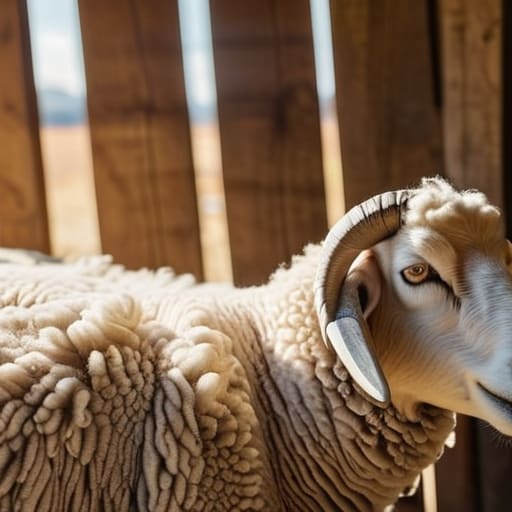
Now, before you go running out to the shed to grab the combs, you need to understand that you aren’t just cutting hair; you’re managing a biological asset. Most lads make the mistake of thinking the job is done once the fleece is off the back. They forget that shearing fleece quality is dictated by how you treat the animal in the ten minutes leading up to the first cut. If the sheep is stressed, sweating, or fighting you, that wool is going to be stained, crimped, or dirty, and you’ll be looking at a price per kilo that wouldn’t buy you a decent lunch.
You also have to be realistic about the calendar. There is no point in forcing the issue just because a salesman tells you it’s time; the best time of year to shear sheep is when the ground isn’t a bog and the weather isn’t going to strip the heat right out of them. If you shear too early or too late, you’re either risking the animal’s health or ruining the clip. It’s a balance of the weather, the weight of the fleece, and the state of your gear. If your equipment is blunt, you aren’t just being slow—you’re being expensive.
Key Things to Know
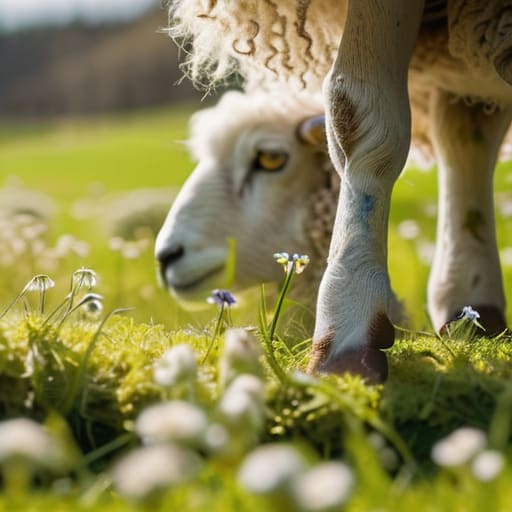
First, let’s get one thing straight: timing isn’t just a suggestion, it’s the difference between a clean clip and a disaster. You might be tempted to get the job done whenever the weather looks fair, but the best time of year to shear sheep is dictated by the condition of the animal and the state of the ground, not your diary. If you shear too early, you’re leaving them vulnerable to the damp; too late, and you’re dealing with heat stress and a fleece that’s already seen too much grit.
Secondly, don’t go chasing fancy gadgets before you’ve mastered the basics of the craft. I’ve seen lads spend a small fortune on high-end sheep shearing equipment only to find they haven’t got the hands to use it properly. It’s a waste of capital. If you want to see any return, you have to focus on shearing fleece quality from the very first pass. If you’re hacking at the skin or leaving uneven patches, you aren’t just risking the animal’s health; you’re essentially throwing money into the muck pile.
Five Ways to Stop Bleeding Money at the Shearing Shed
- Watch the hands, not just the fleece. You can have the finest clip in the county, but if your shearer is nicking sheep or if your lads are bruising the animals during handling, you’re paying for it in vet bills and lost weight gain. A stressed sheep is a sheep that isn’t converting grass into profit.
- Keep the wool clean, or don’t bother collecting it. I’ve seen men spend a fortune on high-quality breeds only to have the wool value tank because they let dung and burrs get worked into the fleece during a rushed shearing. If it’s dirty, the buyer will price it like it’s rubbish, and they aren’t wrong.
- Don’t buy a fancy new handling system just because the brochure says it’s “revolutionary.” If it doesn’t work on your specific ground and your specific sheep, it’s just a very expensive piece of metal that’ll be gathering rust in the shed by November. Stick to what works for your layout.
- Timing is everything, and it isn’t just about the weather. If you shear too late because you were waiting for a better price or a dry spell that never came, you’re risking the animal’s condition and the quality of the wool. You have to work with the season, not against it.
- Check your kit before the sheep arrive. There is nothing more expensive than a shearer standing idle while you hunt for a spare part or a blunt comb. If the gear isn’t ready, the day is lost, and lost time is the one thing you can’t buy back when the margins are this tight.
The Bottom Line on Wool and Handling
Stop chasing fleece quality if your handling is rough; a premium clip won’t pay for the time you waste wrestling sheep or the stress you’ve put into a flock that’ll take twice as long to settle.
Treat your shearing gear like your tractor—if you’re skimping on the sharpest blades or the right combs to save a few quid, you’re just paying for it later in skin damage and wasted labor.
Remember that everything in this business is about the margin; if the time spent on a specific wool procedure doesn’t result in a cleaner clip or a faster turnaround, it’s just a hobby, not a farm business.
The Bottom Line on the Fleece
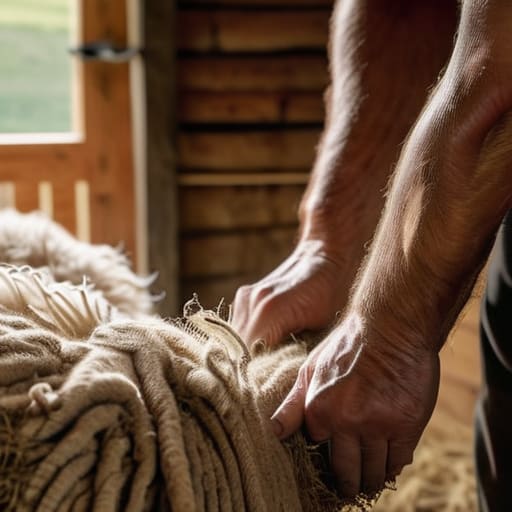
At the end of the day, shearing isn’t just about getting the animal naked; it’s about managing the transition from the field to the market without losing your shirt in the process. If you’ve ignored the handling, you’ll end up with a stressed animal and a ruined clip. If you’ve ignored the equipment, you’ll spend more on repairs and downtime than the wool is worth. You can obsess over the micron levels all you want, but if you haven’t mastered the basics of animal restraint and kept your gear sharp, you’re just performing an expensive circus act. It all comes down to how much time you waste and how much quality you preserve before that fleece hits the bale.
I’ve seen plenty of men come in with the latest high-speed clippers and a fancy degree, only to find themselves staring at a pile of stained, uneven wool and a mounting debt. Don’t be one of them. Real success in this business isn’t found in a glossy brochure; it’s found in the quiet competence of a job done right the first time. Treat your sheep with respect, respect your tools, and keep a sharp eye on your margins. It won’t make you rich overnight, but it’ll stop you from being the fool who spends a year’s profit on a single season of mistakes.
Frequently Asked Questions
How much is this actually going to cost me in terms of man-hours versus the price I'll get at the mart?
You’re asking the only question that matters. If you’re paying a hand by the hour to wrestle sheep that haven’t been handled right, you’re burning money. Between the man-hours spent chasing strays and the time lost to a nervous flock, you’ll likely spend more on labour than the mart price will ever return. Unless you’ve got a clean clip and a fast rhythm, you aren’t making a profit; you’re just subsidising the shearer’s holiday.
If the weather turns and the fleece gets damp before it's bagged, am I looking at a total loss on the clip?
Not necessarily, but you’re dancing on the edge of a disaster. If it’s just a bit of surface damp, you might save it by getting it out into the air immediately—but don’t let it sit in a clumped, heavy mass in a bag. If that moisture hits the core and starts to rot, you aren’t just looking at a bad price; you’re looking at a total loss. Get it dry, or don’t bother bagging it at all.
At what point does the cost of hiring a professional shearer outweigh the money I'm losing by doing a messy job myself?
If you’re spending more time nursing nicked skin or trying to salvage a fleece that looks like it was shorn with a blunt butter knife, you’ve already lost. You have to look at the math: the hours you lose, the stress on the animal, and the value of the wool. If you can’t get them clean and off the board in a reasonable time without making a mess, pay the professional. Your time isn’t free, and neither is a wounded sheep.
