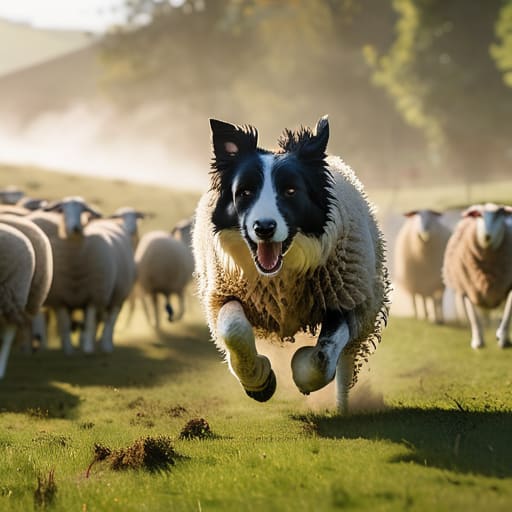
I’ve lost count of how many times I’ve seen a young lad walk into the mart with a pedigree pup that looks like a million pounds but has the work ethic of a house cat. The problem is, most of the books and fancy seminars out there on how to train a working dog are written by people who have never had to chase a stray ewe through a bramble thicket in a driving rain. They talk about “positive reinforcement” and “complex cues” as if you’re teaching a poodle to sit for a biscuit, rather than trying to instill the instinctive grit required to move a flock when the weather turns foul and the sheep get flighty.
I’m not here to sell you a miracle cure or a piece of high-tech gear that’ll be gathering dust in the shed by November. What I’m going to give you is the truth about what actually works when you’re standing in a muddy field at five in the morning. We’ll talk about the patience required to build a partnership, the mistakes that cost me a season of lambing, and the hard reality of turning a pup into a tool that actually earns its keep.
Table of Contents
Understanding How to Train a Working Dog

Before you even think about whistling for a dog, you need to look at what’s standing in front of you. I’ve seen lads buy a high-strung Border Collie because it looked good in a catalogue, only to find out they’ve bought a ball of nerves that won’t listen to a word they say. You have to respect the working breed temperament; some dogs are built to drive, others to hold, and some are just built to be a nuisance in a small kitchen. If the dog doesn’t have the innate drive to work, no amount of expensive schooling is going to fix it. You can’t train instinct into a dog that doesn’t have it.
Once you’ve got the right animal, you have to stop treating it like a pet and start treating it like a partner. Most of the fancy manuals talk about advanced task training as if it’s some magic trick, but it’s really just about consistency. I’m a firm believer in positive reinforcement methods—not because I want to be soft, but because a dog that’s terrified of you is a dog that’s going to make a mistake when the pressure is on in the field. If he’s working for a reward rather than just avoiding a boot, he’ll stay focused when the weather turns foul.
Key Things to Know
First, you have to stop looking at a dog as a pet and start looking at it as a piece of livestock equipment that breathes. If you get the wrong working breed temperament for your specific terrain, you’re just wasting your time and your feed bill. A dog that’s all instinct and no discipline is a liability when you’ve got a mob of sheep heading for a boggy corner of the north field. You aren’t looking for a companion to sit on the sofa; you’re looking for a partner that understands the boundary between the gate and the hill.
I’ve seen plenty of lads try to skip the basics, thinking they can jump straight into the field, but you can’t build a working animal on a shaky foundation. You need to focus on herding instinct development through controlled, incremental steps, not by throwing them into the deep end with a hundred head of ewes. If they haven’t mastered basic control in the yard, they’ll be useless when the weather turns and the sheep get flighty. It’s about building a reliable response, not just hoping they feel like working when the pressure is on.
Practical Tips and Steps
Now, you can’t just throw a pup into a field of ewes and expect a miracle. If you want to avoid the heartbreak of a dog that’s more interested in chasing its own tail than moving stock, you have to start with the basics of herding instinct development when they’re still young enough to listen. I learned the hard way that trying to force a dog into a job it isn’t built for is a quick way to lose both the animal and your patience. You need to observe the working breed temperament first; some dogs have the drive, but they lack the head for it.
When you actually get down to the work, skip the fancy gadgets and stick to what works. I’ve found that using consistent positive reinforcement methods—and I mean actual rewards, not just a pat on the head—gets them to connect the command to the result much faster. Don’t get caught up in the heavy-duty training manuals that promise a finished product in a week. It’s about small, repeatable wins in the yard before you ever let them loose on a hillside. If they can’t hold a position in the kitchen, they won’t hold a line in the rain.
Common Mistakes to Avoid
The biggest mistake I see is people trying to fight a dog’s natural wiring instead of working with it. You can’t drill a Border Collie like it’s a prize poodle in a suburban garden; you have to respect the working breed temperament or you’ll just end up with a frustrated animal and a ruined season. I’ve seen lads try to break a dog’s spirit through sheer force, thinking they can command the sheep into submission. All they do is create a dog that’s too terrified to make the split-second decisions required when a ewe decides to bolt for the gate.
Another trap is getting ahead of yourself with fancy gear or complex commands before the basics are settled. People jump straight into advanced task training when the dog hasn’t even mastered basic recall or staying steady under pressure. It’s a waste of time and, more importantly, a waste of money. You need to focus on solidifying the foundations through consistent positive reinforcement methods before you expect that dog to hold a mob of cattle in a heavy rain. If the foundation is soft, the whole thing will collapse when the weather turns.
Final Thoughts
At the end of the day, you aren’t just buying a pet; you’re investing in a piece of essential farm machinery that happens to breathe. I’ve seen too many lads go out and buy a high-drive pup thinking they can just wing it, only to end up with a dog that’s more of a liability than an asset when the weather turns and the sheep start moving. You have to respect the working breed temperament from day one. If you try to force a dog into a role it isn’t built for, or if you ignore the subtle signs of its natural herding instinct development, you’re just setting yourself up for a very expensive headache come lambing season.
Don’t expect miracles overnight. A dog that works well in the yard won’t necessarily hold a flank in a heavy gale on a steep hill without months of consistent, grit-filled work. Stick to the basics, keep your expectations grounded in reality, and remember that consistency is the only thing that matters when the pressure is on. If you put in the time now, you’ll have a partner; if you cut corners, you’ll just have a dog that sits in the shed while you do all the heavy lifting yourself.
Five things they don't tell you in the expensive training manuals
- Stop treating your dog like a pet when you’re out in the field. I’ve seen too many lads try to be their dog’s best mate while they’re working, and all they end up with is a distracted animal that thinks a day’s work is an excuse for a game of fetch. When the gate is open, you’re the boss, not a playmate.
- Don’t go buying the fanciest gear before the dog has even learned to sit. I’ve got a shed full of high-tech collars and specialized harnesses that were meant to “improve performance,” but they’re just sitting there gathering dust because the dog didn’t have the basic discipline to use them. Get the brain working before you spend the cash on the kit.
- Watch the weather and the ground, not just the dog. If you try to run a high-intensity training session on ground that’s turned to soup by a week of rain, you aren’t training a worker; you’re just teaching your dog how to get a limp. A lame dog is a massive drain on the books, and a poorly trained dog that’s constantly slipping is halfway to a vet bill.
- Consistency isn’t just a buzzword; it’s the difference between a dog that works and a dog that waits for you to get tired. If you let a command slide on Tuesday because you’re too busy with the cattle, don’t be surprised when the dog ignores you on Friday. You can’t be “mostly” in charge.
- Learn to read the dog’s fatigue before it becomes a problem. I once pushed a young collie through a full day of sheep work when he was clearly flagging, thinking I was “building character.” All I did was break his spirit and teach him that working through pain was the norm. A tired dog makes mistakes, and in this business, mistakes cost money.
The Bottom Line on Training
Don’t mistake a dog with high energy for a dog with high intelligence; if you don’t invest the time in basic control now, you’ll spend the next three years chasing a liability across your best grazing.
Training isn’t a seasonal task you tick off a list; it’s an ongoing cost of doing business, much like maintaining your fences or checking your soil, and if you stop, the dog stops working.
Stop looking for the magic breed or the expensive gadget and start looking at your own consistency, because a dog will only work as hard as the man holding the lead is willing to be disciplined.
The Long View on a Good Dog
At the end of the day, training a working dog isn’t about mastering some fancy command or buying the most expensive whistle on the market. It’s about the basics: consistency, understanding the temperament of the animal, and having the patience to realize that nature won’t be rushed. You can spend all your time obsessing over high-tech gear, but if you haven’t established that fundamental bond and a clear sense of direction, you’re just wasting your time and your diesel. Remember, a dog that doesn’t listen when the weather is turning and the sheep are scattering isn’t an asset; it’s just another mouth to feed that’s costing you money every single hour it sits idle.
I’ve seen plenty of young lads come onto farms thinking they can whip a dog into shape in a weekend, only to find themselves out in the muck with a useless creature when the real work begins. A truly great working dog is built over seasons, not days. It takes a bit of grit from you, and a fair amount of trial and error. But when you finally get it right—when that dog reads the field as well as you do and moves a flock with nothing but a look—it becomes the most valuable partner you’ll ever have on this land. Stick to the fundamentals, watch your margins, and let the dog grow into the job.
Frequently Asked Questions
How much of my time is actually going to be swallowed up by this before the dog is useful enough to take out to the hills?
If you’re looking for a quick fix, you’ve bought the wrong dog. You’ll be looking at a year of daily, disciplined work before that animal is reliable enough to trust with a flock in the hills. It’s not just about the time spent in the field; it’s the mental load of constant supervision. If you try to shortcut the training to save time now, you’ll just spend twice as long fixing his mistakes later.
At what point do I stop spending money on specialized trainers and just trust my own eye and the dog's instinct?
You stop paying for trainers the moment you stop looking at the dog and start looking at the work. If you’re hiring a man to tell you whether a dog has the instinct to hold a mob or if it’s just running for the sake of running, you’ve already lost the plot. Once you can read the animal’s body language as well as your own, and the dog is responding to your whistle more than a stranger’s command, put the chequebook away. Trust your eye, but only if you’ve actually spent enough time watching the sheep.
If I've already got a dog that's a bit too headstrong, is it worth trying to fix him, or am I better off starting fresh with a pup?
It depends on whether that headstrong streak is intelligence or just pure, stubborn defiance. If he’s got the drive but just thinks he’s the boss, you can work him. It’ll take more time and a lot more patience than I’d like, but you can break that ego. But if he’s got no desire to listen to a whistle or a command, don’t waste your season. Save your money and start with a pup.
